The Impact of Pet Adoption Events: Resources for Organizing Successful Community Engagement

The Role of Pet Adoption Events in Community Building
Pet adoption events serve as critical touchstones within communities, bridging the gap between animal welfare and social cohesion. They do not merely provide a venue to find a furry friend but also act as compelling catalysts for community spirit, engagement, and a collective commitment to animal welfare. Each event is a celebration of life, bringing together individuals who share a love for animals and the desire to make a positive difference.
Increasing Awareness About Animal Adoption
The most significant objective of these adoption events is to raise awareness about the plight of homeless pets in shelters. According to the American Society for the Prevention of Cruelty to Animals (ASPCA), approximately 3.3 million dogs and 3.2 million cats enter U.S. shelters every year. By showcasing adoptable pets, events directly facilitate adoptions and decrease these alarming statistics. Furthermore, educating attendees about the many benefits of adoption, such as saving lives and combating pet overpopulation, can create a ripple effect that encourages even more individuals to consider adopting.
Encouraging Local Business Participation
Pet adoption events are also an excellent opportunity for local businesses to show their support for animal welfare efforts. By partnering with shelters and rescue organizations, businesses can enhance their community involvement and increase foot traffic. For instance, a local pet supply store might offer discounts for adopters or donate a portion of their sales during the event. Such collaborations foster a sense of camaraderie among business owners and the community, promoting not only animal welfare but also economic growth.
Providing Educational Resources on Responsible Pet Care
Education is a cornerstone of pet adoption events. Through workshops or informational booths, attendees can gain valuable insights into responsible pet ownership. Topics may include the importance of spaying and neutering, routine veterinary care, and the emotional and financial commitments associated with pet care. By equipping potential adopters with knowledge, organizers can help ensure that once pets are adopted, they are cared for in a manner that promotes long-term health and happiness.
Effective Event Planning Strategies
Successful adoption events require meticulous planning and organization. Choosing a central location that is accessible for residents and pet-friendly is crucial. Additionally, using targeted marketing strategies, such as social media campaigns and community flyers, can widen participation. For example, inviting local influencers who are passionate about animals can significantly boost visibility. They can share compelling stories and encourage their followers to join the cause.
Engagement Through Entertainment and Incentives
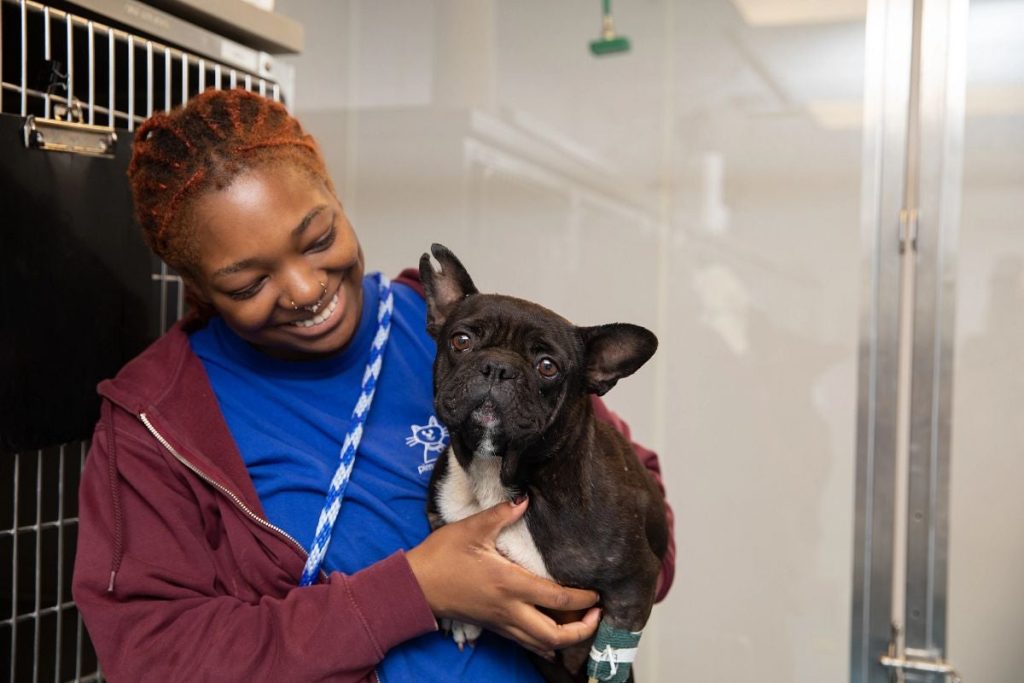
Incorporating local entertainment can enhance the overall experience of attendees. Live music, pet costume contests, and agility demonstrations are just a few examples of how to create a festive atmosphere that attracts pet lovers of all ages. Offering incentives, such as discounted adoption fees or complimentary pet care items for adopters, can also entice more individuals to take the leap into pet ownership.
In summary, pet adoption events play a pivotal role in promoting animal welfare while simultaneously fostering a sense of community. By understanding the nuances of planning such events, organizers can create successful gatherings that resonate with attendees and fundamentally improve the lives of animals in need. Each event is more than just a day of adoption; it is an opportunity for community bonding, education, and the celebration of life.
Unlocking the Potential of Pet Adoption Events
As an increasingly popular way to bridge animal welfare with community engagement, pet adoption events can significantly impact both homeless animals and the local populace. Understanding how to organize these events effectively can elevate their potential, making them not only successful in finding homes for pets but also in cultivating a stronger community connection.
Creating an Inclusive Atmosphere
Successful pet adoption events often begin with fostering an inclusive atmosphere. This means creating an environment where everyone—from families with children to college students—feels welcome. Strategies to achieve this include:
- Accessibility: Ensure that the event location is easy to access for all community members. Consider options like public transport access, ample parking, and facilities for people with disabilities.
- Diverse Programming: Cater to a variety of interests by including activities that appeal to various demographics. This could include family-friendly games, informative workshops, and interactive pet care demonstrations.
- Community Engagement: Involve local organizations and clubs to co-host or sponsor events. This not only broadens the reach but also creates a sense of ownership among residents.
Building Partnerships for Greater Reach
Collaborations are essential for the success of pet adoption events. By partnering with local businesses, shelters, and veterinary clinics, organizers can harness a wider net of resources, creating a win-win scenario for animal welfare and community relations. For instance, a local coffee shop may donate space for meetings or provide refreshments during the event, while a nearby veterinary clinic could offer free check-ups for adopted pets. Such partnerships can:
- Enhance Visibility: Cross-promotion through each partner’s channels can raise awareness about the event.
- Expand Resources: Pooling resources can help cover costs related to marketing, venue, and supplies.
- Offer Expert Insights: Local veterinarians can share valuable knowledge on pet care and reinforce the message of responsible ownership.
Utilizing Social Media for Promotion
In today’s digital age, a strong social media strategy is crucial for maximizing engagement and attendance at pet adoption events. Creating event pages on platforms such as Facebook, Instagram, and Twitter can serve to:
- Generate Buzz: Share engaging content, such as heartwarming stories and pictures of adoptable pets, to attract attention.
- Encourage Sharing: Invite attendees to share posts and create their own, thus broadening the reach through community networks.
- Interact with the Audience: Engage followers by responding to their comments and inquiries, creating a sense of community even before the event takes place.
By adopting these strategies, pet adoption events can foster significant community engagement while promoting animal welfare. Awareness, collaboration, and effective promotion serve as cornerstones for ensuring these gatherings not only find homes for pets but also create lasting bonds among community members, enhancing the quality of life for both animals and residents alike.
| Advantage | Description |
|---|---|
| Increased Awareness | Pet adoption events serve to generate community awareness regarding local animal shelters’ needs and adoptable pets. |
| Community Engagement | These events foster community involvement, encouraging locals to participate in the cause, volunteer, and spread the word. |
| Networking Opportunities | Pet adoption events act as a platform for networking among pet lovers, other organizations, and potential sponsors. |
| Educational Resources | Attendees gain access to educational materials on pet care and adoption processes, enriching their understanding and commitment. |
Pet adoption events offer crucial resources for communities, transforming local engagement with animal welfare. They enable shelters to advocate for the animals in their care, while residents benefit from newfound knowledge about pet ownership responsibilities. The buzz generated around these events frequently leads to increased traffic for shelters, amplifying their message and mission significantly. As participants connect with like-minded individuals, they often form lasting partnerships and foster a culture of empathy towards animals in need. By actively engaging in these events, community members not only contribute to responsible pet ownership but also help to create a more compassionate society. This interconnected web of support forms an essential foundation for successful community engagement, ultimately leading to higher adoption rates and a more vibrant, caring community.
Engaging the Community Beyond Adoption
While the primary goal of pet adoption events is to find homes for animals in need, these gatherings offer a unique opportunity to foster long-lasting community engagement. By emphasizing connections and promoting responsible pet ownership, organizers can turn a simple adoption drive into a catalyst for enhancing local relationships.
Educational Workshops and Advocacy
Integrating educational components into pet adoption events can empower attendees with knowledge and resources. Offering workshops on topics such as positive reinforcement training techniques, proper nutrition, and preventative healthcare equips pet owners with the skills they need to provide a loving and healthy environment for their new companions. Additionally, incorporating advocacy sessions to discuss local animal welfare laws and the importance of spaying and neutering pets helps create a well-informed community.
- Recognize Experts: Invite local experts, such as trainers, behaviorists, and veterinarians, to deliver informative talks, bolster your event’s credibility, and provide attendees with a chance to connect with knowledgeable individuals.
- Interactive Demonstrations: Product demonstrations, such as leash training or grooming tips, can engage attendees, making the event more dynamic and enjoyable.
- Resource Distribution: Hand out pamphlets or brochures on animal care, local resources for pet owners, and information about ongoing support programs in the community to create a supportive environment.
Creating Lasting Connections Through Follow-Up
Events can leave a lasting impression if organizers employ strategies that prioritize follow-up engagement. Implementing follow-up surveys and emails can collect valuable feedback, while also nurturing connections that were made during the event. This practice highlights two essential elements: maintaining communication and demonstrating commitment to attendees and adopting families.
- Build a Community Network: Create an online forum or social media group dedicated to pet adopters in the area. This provides a platform for sharing experiences, resources, and advice among new pet owners.
- Offer Continual Support: Send new pet owners helpful tips, reminders about upcoming veterinary visits, or invitations to join local dog parks and pet-friendly meetups. This will encourage ongoing relationships that extend well beyond the initial adoption.
- Host Recurring Events: Consider organizing a reunion event for all adopters to come together. This not only strengthens community ties but brings new opportunities for information sharing and networking.
Promoting Volunteer Opportunities
Another impactful way to engage the community through pet adoption events is to promote volunteer opportunities. Many attendees may feel inspired to help after finding their new furry friend or may wish to support the cause even if they cannot adopt. By showcasing available volunteer roles, organizations can harness the enthusiasm generated by the event into tangible community contributions.
- Highlight Volunteer Roles: Clearly outline available positions, ranging from event planning to fostering pets, creating an inviting path for interested individuals to get involved.
- Share Success Stories: Celebrate the achievements of current volunteers during the event. Such storytelling can motivate others to join the cause.
- Provide Training Sessions: Organize training sessions for new volunteers to make them feel integrated and valuable, building confidence in their roles within the community.
In focusing on education, connection, and volunteerism, pet adoption events can lay the groundwork for a more informed, responsive, and engaged community. These engagements promote not just animal welfare, but a sense of unity, responsibility, and collective spirit that reaches far beyond the adoption date.
Conclusion
In summary, the impact of pet adoption events extends far beyond simply finding homes for animals in need; they serve as vital platforms for fostering community engagement, education, and collaboration. By integrating workshops, advocacy initiatives, and follow-up strategies, organizers can catalyze ongoing relationships that not only benefit the pets but also enhance the lives of community members.
The emphasis on education through workshops on responsible pet ownership and local advocacy creates a foundation for a more informed public, ultimately leading to healthier, happier pets and more effective animal welfare practices. Engaging attendees in opportunities like volunteerism not only fills essential community roles but also ensures that the momentum generated during these events continues well into the future.
Furthermore, creating avenues for follow-up communication and community-building initiatives ensures that connections formed during the events are not ephemeral. By sharing resources and hosting recurring activities, organizers can strengthen the sense of community while providing a support network for pet owners, thereby enhancing the relationship between pets and their humans.
These elements work synergistically to produce a culture of responsibility and compassion towards animals and fellow community members. As pet adoption events continue to evolve, it is crucial for organizers to explore innovative methods of engagement that resonate with their audiences. The journey of pet ownership is one best taken together, and through thoughtful organization, communities can foster a spirit of unity in promoting animal welfare, transforming lives one adoption at a time. Exploring and implementing these strategies can lead to significant long-term benefits, making community engagement a cornerstone of successful pet adoption initiatives.