The Importance of Hydration in Pet Nutrition
The Importance of Hydration for Your Pets
When discussing pet health, hydration is a paramount factor that often flies under the radar. Similar to humans, pets require a steady intake of water to ensure their bodies function optimally. Adequate hydration is crucial, supporting numerous essential bodily functions, including:
- Digestion: Water aids in breaking down food, allowing nutrients to be absorbed effectively. Without sufficient water, digestion can become sluggish, leading to health complications such as constipation or gastrointestinal problems.
- Temperature Regulation: Pets, especially dogs, depend on water to help regulate their body temperature. During hot weather or after exercise, they lose fluids, and drinking water helps cool them down, preventing overheating and heatstroke.
- Joint Health: Water plays a key role in maintaining joint lubrication and flexibility. This is particularly important for older animals or those with joint issues, as dehydration can exacerbate discomfort and mobility challenges.
Recognizing the signs of dehydration is vital for pet owners. Dehydration can lead to serious health issues if not addressed promptly. Symptoms to look out for include:
- Dull or dry coat, which can indicate a lack of skin moisture and overall health.
- Sunken eyes, signifying dehydration and the possible need for immediate veterinary attention.
- Excessive panting, especially in situations where the pet isn’t exerting themselves, indicating overheating or fluid deficiency.
It’s crucial to understand that hydration needs can significantly vary among pets. Factors such as activity level, diet, and environmental conditions play a significant role in determining how much water your pet requires. For instance, dogs expending high energy levels—like those engaging in regular outdoor play—will need increased water intake to replenish lost fluids. Similarly, pets that consume dry kibble may need to drink more compared to those on a wet food diet, which inherently contains higher moisture content.
To further enhance your furry friends’ hydration and well-being, consider offering a mix of wet and dry food, especially during warmer months. Fresh, clean water should always be accessible, and you may even incorporate pet-safe hydration solutions or enticing additives to encourage drinking. Observing your pet’s drinking habits and ensuring they consume enough fluids can make a difference in their energy levels and overall health.
This exploration of the importance of hydration in pet nutrition serves as a reminder for pet parents: keeping your beloved companions hydrated is a simple yet essential aspect of their care. By recognizing the symptoms of dehydration, adjusting food types, and remaining attentive to their environment, you will empower your pets to lead happier, healthier lives.
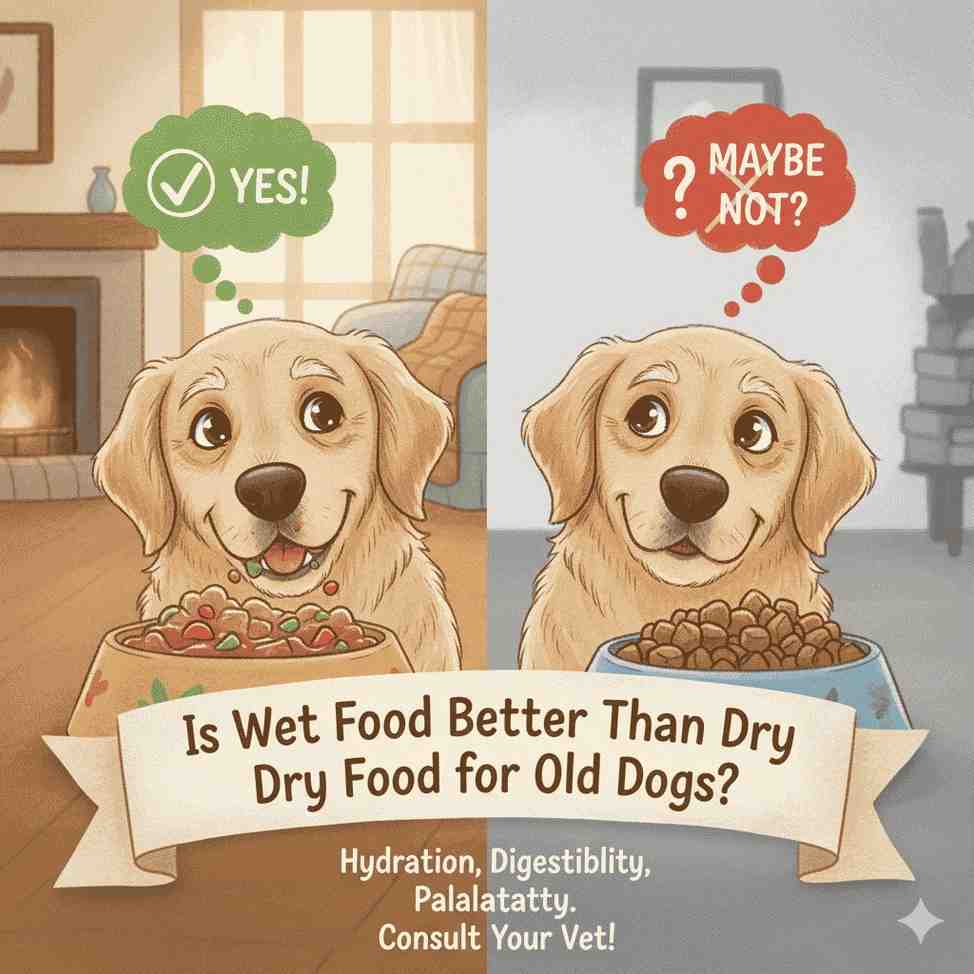
Understanding Your Pet’s Hydration Needs
As a responsible pet owner, understanding your furry companion’s hydration needs is essential for their overall health and longevity. Just like humans, pets rely on water to facilitate a myriad of bodily functions, and failing to ensure they are adequately hydrated can lead to severe health complications. But how do you know if your pet is drinking enough water, and what factors influence their hydration requirements? Let’s delve into these critical questions.
The Role of Water in Pet Nutrition
Water is often referred to as the forgotten nutrient, yet it is indispensable in pet nutrition. It provides the foundation for their overall well-being. Here are some critical reasons why maintaining proper hydration is vital for your pet:
- Metabolism: Water is involved in every metabolic process, making it essential for converting food into energy. Without adequate hydration, your pet may experience sluggishness and decreased energy levels.
- Kidney Function: Proper hydration plays a pivotal role in kidney health, helping to filter waste from the bloodstream and expel it through urine. Dehydration can lead to kidney stones or urinary tract infections, which are painful and require medical attention.
- Absorption of Nutrients: Water assists in transporting nutrients throughout the body. Adequate hydration ensures that vitamins and minerals from food are efficiently absorbed and utilized by your pet’s system.
Interestingly, hydration is not solely about the direct consumption of water. The type of food your pet consumes has a significant impact on their hydration levels. Pets that eat dry kibble typically require more water compared to those that consume wet food, which has a higher moisture content. Therefore, understanding your pet’s dietary habits is crucial in assessing their hydration needs.
Factors Influencing Your Pet’s Hydration
The amount of water your pet needs can vary based on several factors. Here are some common influences to consider:
- Activity Level: Active pets, like those who enjoy regular exercise or outdoor play, will naturally require more water than less active ones. Consequently, monitoring their water intake during and after activities is crucial.
- Seasonal Changes: Hot weather can lead to an increase in water loss through panting and sweating. During summer months, be vigilant about your pet’s hydration, as they might need to drink more frequently to compensate for fluid loss.
- Your Pet’s Age: Puppies and kittens often require more water due to higher growth rates, while senior pets may be prone to dehydration due to decreased thirst response.
Taking a closer look at these influencing factors allows pet owners to better tailor their approach to hydration. By ensuring your pet has access to fresh and clean water at all times, you are setting them up for a healthy, vibrant life.
| Hydration Benefits | Recommended Practices |
|---|---|
| Prevention of Dehydration | Ensure your pet has access to fresh water at all times |
| Supports Digestion | Include moisture-rich foods like wet dog food or broth |
| Joint Health | Encourage regular drinking habits to lubricate joints |
| Regulation of Body Temperature | Provide water after exercise, especially in hot weather |
The role of hydration in pet nutrition cannot be overstated. Just as in humans, water is essential for maintaining overall wellness in pets. A well-hydrated body enables efficient metabolic processes, ensuring that nutrients are effectively absorbed and waste is expelled. For pet owners, understanding the specific hydration needs of different animals, particularly in varying seasons and activity levels, is crucial.Moreover, hydrated pets exhibit improved energy levels, enhanced organ function, and a lower risk of urinary tract issues. Regularly monitoring their water intake can lead to noticeable benefits in their behavior and health. By implementing simple practices, such as incorporating high moisture foods and ensuring access to clean water, pet owners can significantly contribute to their furry friends’ well-being.
Signs of Dehydration and How to Combat It
Understanding the signs of dehydration is crucial for every pet owner. Early recognition can make a significant difference in your pet’s health. Common signs of dehydration include dry gums, loss of skin elasticity, and a decrease in energy levels. If you gently pinch the skin on the back of your pet’s neck, it should quickly return to its normal position. If it takes longer, this may indicate dehydration. Additionally, if your pet is exhibiting persistent vomiting or diarrhea, they may be at risk of becoming dehydrated quite rapidly.
Daily Water Intake Recommendations
So, how much water should your pet be drinking daily? While specific needs can vary, a common guideline suggests that pets should consume approximately 1 ounce of water per pound of body weight each day. For instance, a 10-pound dog should drink about 10 ounces of water daily. However, if your pet is active or the weather is particularly warm, they may need even more fluid intake. It’s essential to adjust these figures based on individual circumstances and to consistently monitor their water consumption.
Creative Ways to Encourage Hydration
Some pets can be reluctant drinkers. If you find that your furry friend isn’t hitting the hydration mark, there are several engaging strategies to encourage them to drink more water:
- Flavored Water: Adding a splash of low-sodium chicken or beef broth to water can make it more enticing for pets. Many pets enjoy the taste, inadvertently increasing their water intake.
- Water Fountains: Animals are often instinctively drawn to moving water. Investing in a pet water fountain can encourage your pet to drink more, as it keeps the water fresh and flowing.
- Ice Cubes: Some pets enjoy chewing on ice cubes, especially during hot weather. You can add some beef or chicken broth to ice cubes for an extra treat.
- Wet Food: Incorporating wet food into your pet’s diet not only provides added moisture but can also enhance the overall nutrition of their meals.
Monitoring Your Pet’s Hydration
Regular monitoring of your pet’s hydration levels is essential, especially if they are older, prone to illnesses, or have dietary restrictions. Some pet owners may find it helpful to keep a daily log of their pet’s water intake. This information can be invaluable during veterinary visits, helping your vet assess if your pet is hydrated properly. New technologies such as pet beverage dispensers with measuring capabilities can assist in ensuring your pet’s hydration goals are met.
Understanding your pet’s hydration needs is a critical aspect of their nutrition that cannot be overlooked. Paying attention to their drinking habits and being proactive about their hydration can prevent potential health issues and promote overall well-being. As responsible pet owners, we must embrace our role in ensuring our companions remain well-hydrated and healthy for life.
Conclusion: A Paradigm of Hydration in Pet Well-Being
In conclusion, hydration plays an integral role in maintaining the health and vitality of our pets. As outlined throughout this article, understanding and monitoring your pet’s water intake is as essential as providing them with balanced nutrition. Dehydration can lead to serious health consequences, impacting everything from organ function to energy levels. Thus, pet owners must recognize the signs of dehydration early and adopt a proactive approach to ensure their furry friends stay well-hydrated.
The importance of hydration transcends the boundaries of just water consumption; it incorporates various strategies such as incorporating wet food, flavored water, and innovative pet fountains to engage our pets in their hydration journey. This ensures that even the most reticent drinkers find ways to quench their thirst. Additionally, tracking water intake can serve as a valuable tool for identifying potential health issues during veterinary visits, facilitating timely intervention.
As we strive to be responsible caregivers, let us not overlook the fundamental necessity of hydration in pet nutrition. The bond we share with our pets deserves our keen attention and diligence, and promoting their hydration serves as a vital step in enriching their quality of life. By being informed and attentive, we can help our pets lead healthier, happier lives, leaving a lasting impact on their well-being.