Service Dog Training: Specific Techniques for Functional Skills

Understanding Service Dog Training
Service dog training encompasses a diverse array of specific techniques meticulously designed to equip dogs with functional skills essential for assisting individuals with disabilities. The impact of these highly trained animals extends far beyond companionship; they play a crucial role in enhancing their handlers’ independence and overall quality of life. With the right training, a service dog can master numerous tasks that significantly affect their owner’s daily functionality and emotional well-being.
Key Elements of Functional Skills
Functional skills training concentrates on practical tasks that allow service dogs to effectively mitigate their handlers’ disabilities. These skills are tailored to meet the unique needs of individuals, ensuring that a service dog can provide meaningful support. Some essential skills include:
- Guiding: Service dogs for the visually impaired are trained to lead their handlers safely around obstacles, cross streets, and navigate complex environments. For example, these dogs can stop at curbs or signals, contributing to their owner’s mobility and safety.
- Alerting: Hearing service dogs possess the ability to respond to important sounds, such as alarms, doorbells, and even mobile phone notifications. This skill is particularly life-changing for individuals with hearing impairments, enabling them to engage more fully in their surroundings.
- Medical response: Some service dogs, particularly those assisting individuals with conditions such as diabetes or epilepsy, are trained to alert their handlers or caregivers during medical emergencies. For example, a dog may recognize a drop in blood sugar levels and prompt the owner to take necessary action.
- Mobility assistance: For individuals with mobility challenges, service dogs can provide physical support. They might pull wheelchairs, brace their handlers when standing, or retrieve dropped items. This not only assuages physical difficulties but also alleviates emotional burdens associated with dependence.
- Emotional support: Beyond physical tasks, many service dogs are trained to provide emotional support for those struggling with mental health issues such as PTSD. Their presence can offer comfort and stability in stressful situations, fostering a sense of security.
Each of these skills requires careful and systematic training techniques, often beginning with basic obedience before advancing to more complex tasks. Understanding these methods is crucial for anyone considering a trained service dog for themselves or a loved one. It opens a door to a wealth of possibilities that can significantly improve daily living, offering not just assistance but also companionship. If you’re considering a service dog, exploring accredited training programs and discussing specific needs with professionals can pave the way toward a more independent life.
The Training Process: Techniques for Success
The journey of service dog training begins long before a puppy becomes a fully certified service animal. Each phase of training is critical, and various techniques are employed to nurture functional skills that address the unique needs of the future handler. These techniques are not only about teaching commands but also about fostering a deep bond between the dog and the handler. This connection is vital for effective learning and successful performance in real-world situations.
Foundational Training Techniques
At the core of service dog training lies a foundation built on obedience training. This stage establishes essential commands that every service dog must know. Techniques such as clicker training and positive reinforcement are commonly utilized to ensure the dog associates desired behaviors with positive outcomes. For instance:
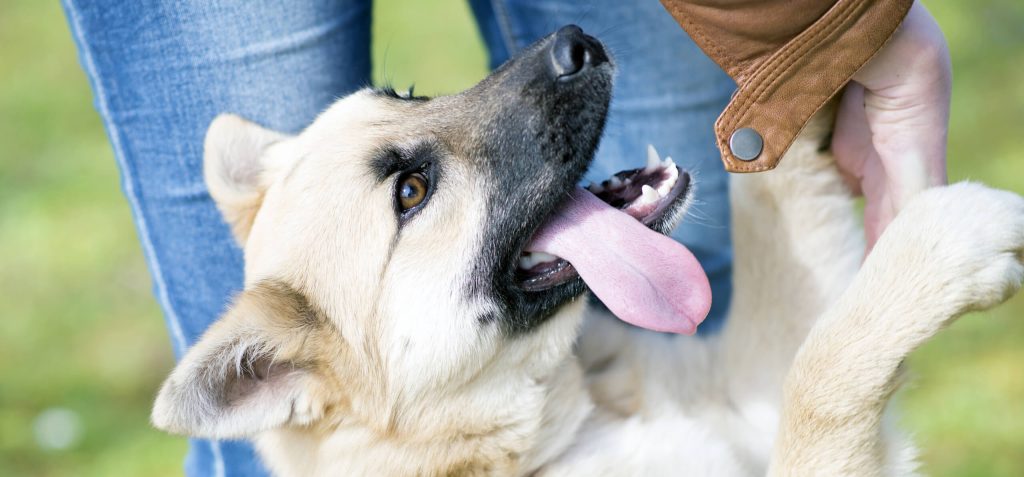
- Clicker Training: This method utilizes a sound—a clicker—to mark the exact moment the dog performs the desired action, followed by a reward. This precise timing helps the dog understand which behavior is being reinforced.
- Positive Reinforcement: Rewarding desirable behaviors, whether through treats, praise, or play, encourages the dog to repeat those actions. This approach builds confidence and reassures the dog in its role.
- Socialization: Introducing service dogs to various environments and situations is crucial. Socialization helps the dog become accustomed to different sounds, sights, and people, reducing the likelihood of distractions when working.
Once foundational skills are mastered, training transitions into more specialized techniques, tailored to functional tasks specific to the handler’s needs. Examples include:
- Task-Specific Training: Depending on the individual’s disability, dogs are taught specific tasks—like retrieving medication, turning lights on/off, or even navigating public transportation.
- Adaptive Training Techniques: Flexibility is key in service dog training. Trainers often adapt techniques based on the dog’s learning style and temperament, ensuring a personalized approach that aligns with the dog’s strengths.
- Conditioning through Simulation: Simulations replicate real-life scenarios. For instance, a dog might practice navigating through a crowded area or responding to a sudden sound, exposing it to possible distractions while reinforcing its focus.
To ensure the success of service dog teams, ongoing training and practice are essential. Even after initial certification, regular reinforcement of skills and continued exposure to various environments help maintain the dog’s responsiveness and reliability. This commitment to consistent training fosters a lasting partnership that can significantly enhance the handler’s independence and improve their overall quality of life.
As the field of service dog training advances, new techniques and understanding of canine behavior continue to emerge. Engaging with current research and connecting with professional trainers can provide valuable insights for anyone considering incorporating a service dog into their life, making it an exciting yet challenging journey toward greater autonomy.
| Training Technique | Benefits |
|---|---|
| Positive Reinforcement | Encourages desired behaviors by rewarding dogs, leading to effective learning. |
| Clicker Training | Facilitates clear communication between trainer and dog, enhancing skill acquisition. |
| Socialization Exercises | Helps develop confident service dogs capable of handling various environments and situations. |
| Task-Specific Training | Teaches dogs to perform crucial tasks tailored to their handler’s needs, improving daily functionality. |
In the realm of service dog training, employing these specific techniques fosters not only a functional skill set but also establishes a profound bond between the dog and its handler. By utilizing methods such as positive reinforcement and clicker training, trainers can create an engaging learning atmosphere that maximizes retention and understanding. This interactive approach translates seamlessly into real-world applications, ensuring that the service dog can respond effectively in various scenarios. Similarly, implementing socialization exercises prepares service dogs for the unpredictable nature of everyday life, enabling them to confidently navigate interactions with people and other animals. Furthermore, through task-specific training, trainers can customize skill sets that cater to the unique challenges faced by the handler, thereby enhancing overall independence and quality of life. Each of these techniques plays a vital role in constructing a comprehensive training plan, ultimately paving the way for a successful service dog partnership.
Advanced Skills for Specialized Tasks
As service dog training progresses, the focus shifts toward refining advanced skills and mastering specific tasks that cater to the handler’s unique needs. This part of training is crucial, as it transforms a well-behaved pet into a competent service animal capable of performing a range of essential functions with precision. The techniques employed during this phase are specifically designed to address the challenges faced by individuals with disabilities, ensuring that the dog can adeptly facilitate daily life tasks.
Task-Specific Techniques
One prominent aspect of service dog training involves teaching dogs to tackle specific tasks that directly assist their handlers. For example:
- Mobility Assistance: For individuals with physical disabilities, service dogs can be trained to provide balance and support while walking. This involves leash training to guide the dog alongside the handler, as well as teaching them to brace against a person when the need arises.
- Medical Alert Training: Service dogs can be trained to detect changes in their handler’s body, such as low blood sugar or the onset of a seizure. This process may involve scent work, where the dog learns to recognize specific scents associated with these medical conditions, alerting the handler or summoning help when necessary.
- Psychiatric Support: For those dealing with mental health disorders, service dogs may perform grounding tasks, such as providing tactile stimulation or creating personal space in crowded environments. Training methods often include role-playing scenarios where the dog practices responding to situational cues that may trigger anxiety or panic attacks.
These task-specific skills not only enhance the dog’s ability to perform required duties but also deepen the bond between the dog and handler, fostering a sense of trust and reliance. Understanding the handler’s lifestyle and the environments they frequent becomes essential as trainers customize their approach.
Building Reliability through Consistency
To ensure that the skills taught during training are not easily forgotten, consistency is key. This involves a regular schedule of practice commands and reinforcement sessions. Some techniques to enhance reliability include:
- Routine and Ritual: Establishing set routines for tasks helps reinforce learning. For instance, having a specific time each day to practice retrieving items or responding to specific commands creates an expected order that the dog can learn to follow.
- Gradual Increase of Difficulty: Training handlers to slowly increase distractions during practice sessions is crucial. This might mean practicing in various locations, or gradually introducing more people or sounds to test the dog’s focus and obedience.
- Handler Involvement: Encouraging handlers to actively participate in training sessions helps them develop a clear understanding of how to communicate with their dogs effectively. This collaboration solidifies their partnership, ensuring that both parties are well accustomed to each other’s cues.
Moreover, maintaining ongoing training after achieving certification is paramount. Regular refresher courses and exposure to new environments keep the service dog sharp and engaged. Trainers and handlers often find it valuable to join support groups or training clubs where they can exchange tips and experiences, further enhancing the bond and skill set of their service animal.
The ultimate goal in service dog training is the harmonious interplay of ability and companionship, empowering individuals to navigate their lives with confidence. By embracing both foundational techniques and advanced task-specific training, the journey not only enhances the lives of handlers but also enriches the lives of the dogs, making the partnership deeply rewarding and fulfilling.
Conclusion
In summary, service dog training is a meticulously structured process that goes beyond simply teaching dogs obedience; it involves the detailed cultivation of specific functional skills that address the unique needs of individuals with disabilities. From mobility assistance and medical alert capabilities to psychiatric support, each training technique is tailored to magnify the dog’s role as a companion and helper within various environments.
As we explored, the importance of consistent practice and gradual exposure to increasingly complex scenarios cannot be overstated. By establishing routines, introducing varied distractions, and involving handlers in the training process, both dogs and handlers experience a deepening bond that enhances their ability to work together effectively. Moreover, ongoing education and community support systems contribute significantly to enhancing their expertise, ensuring that service dogs remain reliable and responsive throughout their careers.
Looking ahead, the potential benefits of continued advancements in training techniques and technologies will undoubtedly reshape the landscape of service dog training. For individuals seeking support, embracing such specialized training not only promotes personal independence but also enriches the human-animal bond in remarkable ways. Ultimately, the journey toward a well-trained service dog is as much about partnership and trust as it is about the acquisition of specific skills. By investing time and effort into this development, handlers and dogs alike can thrive, enabling remarkable transformations in quality of life.