The Importance of Positive Reinforcement in Dog Training

The Power of Positive Reinforcement in Dog Training
Training a dog can often feel like a daunting task. However, incorporating positive reinforcement techniques can transform this challenge into an enjoyable and rewarding experience for both the trainer and the dog. By focusing on what your dog does right, you not only foster good behavior but also strengthen the bond between you and your furry friend.
So, why is positive reinforcement crucial? Here are some key points to consider:
- Encourages Desired Behaviors: Dogs are more likely to repeat behaviors that lead to rewards. For instance, if a puppy sits on command and receives a treat immediately after, it associates sitting with positive outcomes, making it more likely to reproduce that behavior in the future.
- Builds Trust and Confidence: Positive reinforcement creates a safe learning environment, which enhances a dog’s overall confidence. A dog that feels secure is more willing to explore and learn. For example, a timid rescue dog may gradually become more adventurous and playful when praised for each small step it takes towards new experiences.
- Reduces Fear and Anxiety: This technique helps eliminate the fear often associated with training. Instead of using harsh methods that could frighten a dog, rewarding good behavior minimizes anxiety, leading to better outcomes. Dogs trained this way show improved responses and interactions, which results in a more harmonious household.
Studies have shown that dogs trained with positive reinforcement respond better to commands and exhibit fewer behavioral issues. This method is not confined to treats alone; it encompasses elements like praise, play, and affection, making the training process both enjoyable and effective. For instance, using a favorite toy as a reward can boost motivation during training sessions.
The Science Behind Positive Reinforcement
Research supports the effectiveness of positive reinforcement over traditional methods. A notable study published in the journal *Applied Animal Behaviour Science* demonstrated that dogs trained with reward-based methods showed significantly better responses to training than those trained using corrections. Not only do dogs learn commands faster, but they also develop a more willing and eager disposition toward their owners, fostering a deeper bond.
Real-Life Applications and Examples
Whether you’re a seasoned trainer or a first-time dog owner, understanding these principles will undoubtedly enhance your training approach. For instance, if you’re teaching your dog to come when called, start in a distraction-free area. When your dog responds, immediately reward them with a treat and affectionate praise, reinforcing that coming to you is worthwhile. Over time, this will make them more likely to respond, even in busier environments, like a park.
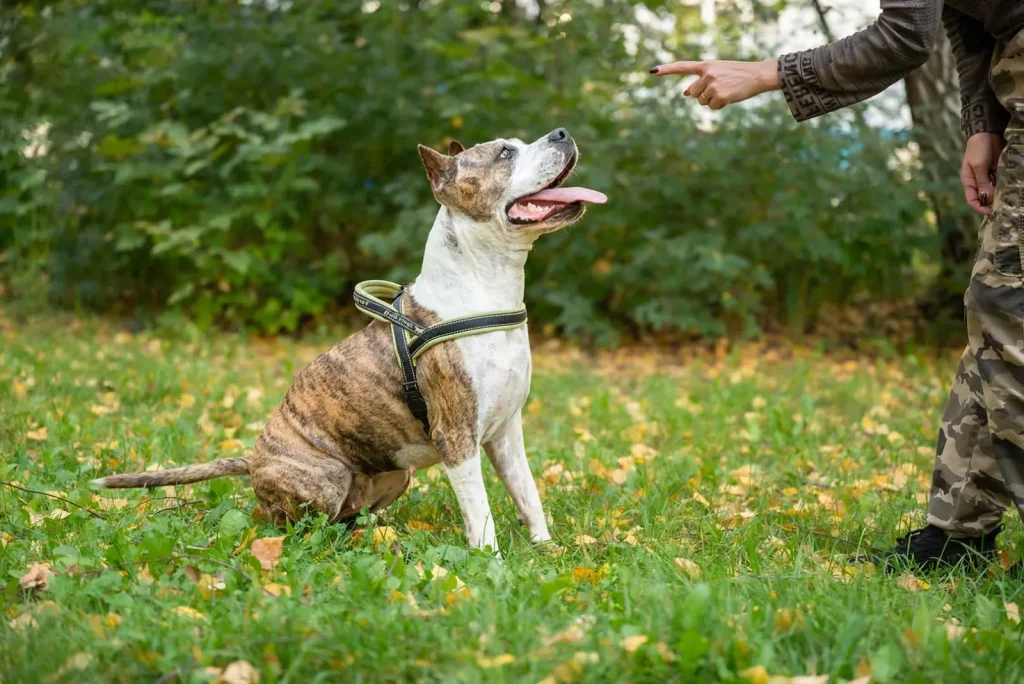
In conclusion, the benefits of positive reinforcement are profound and well-documented. As you embark on your dog training journey, remember that patience, consistency, and compassion form the backbone of successful learning. Embrace the method that not only enriches your dog’s life but also enriches your relationship with your canine companion. With each tiny success, you are building trust and understanding that will last a lifetime.
Understanding the Benefits of Positive Reinforcement
When it comes to dog training, many pet owners may wonder about the most effective techniques to employ. The method of positive reinforcement has gained significant traction in recent years, and for good reason. It not only provides immediate benefits in terms of obedience and behavioral improvement but also lays the foundation for a strong, trusting relationship between the dog and the trainer. This approach, when consistently applied, yields remarkable results in a variety of training scenarios.
Immediate Rewards and Long-Term Learning
One of the most compelling aspects of positive reinforcement is its ability to deliver immediate rewards, making the learning process clear and encouraging for dogs. In simple terms, when a dog performs a desired action, they are rewarded almost instantly, helping them to connect the behavior with the outcome. This can take many forms, including:
- Treats: Small, tasty morsels can serve as a powerful incentive.
- Praise: Verbal affirmations, such as “good boy” or “well done,” can boost a dog’s morale.
- Playtime: Engaging in a fun activity, like fetch, can reinforce positive behaviors.
- Affection: Simple gestures, like petting or cuddling, create a sense of safety and comfort.
The psychology behind this technique draws from behavioral science, specifically the principles of operant conditioning, where an animal is more likely to repeat an action that results in a pleasant outcome. The routine use of rewards helps dogs understand that good behavior is met with positive feedback, making them eager to please their human counterparts.
Creating a Collaborative Training Experience
Moreover, positive reinforcement encourages a collaborative and engaging atmosphere during training sessions. Instead of approaching training as a regimented process, it becomes more of a joyful interaction. Dogs thrive on connection, and when they see their owners excited by their successes, it significantly boosts their enthusiasm for learning. For instance, when a dog masters a new command, such as “stay,” the excited reward of treats and praise fosters a sense of achievement. Over time, this builds not only the dog’s skills but also enhances their willingness to participate in training exercises.
Starting with basic commands can solidify this collaborative spirit. For example, teaching a dog to lie down can be made fun and interactive by mixing in playtime and rewards. The key is to ensure that the training sessions feel like a game rather than a chore, which can mitigate any resistance to learning and amplify the joy of achieving milestones together.
As training progresses, the relationship between you and your dog deepens, creating an unbreakable bond founded on trust and respect. In essence, positive reinforcement isn’t just a training technique; it’s a philosophy that emphasizes shared achievement and mutual understanding, vital for a fulfilling companionship.
| Key Aspects | Positive Outcomes |
|---|---|
| Building Trust | Implements a bond that promotes loyalty and confidence in training. |
| Enhanced Learning | Dogs retain information faster; this method supports immediate feedback. |
The method of using positive reinforcement is revolutionary in dog training. It emphasizes rewarding behaviors that you want to encourage, leading to long-term results. One of the key aspects of this method is building trust between the dog and the trainer. This trust forms a foundation that not only fosters a loyal relationship but also enhances the dog’s willingness to participate in training exercises actively. Without this essential trust, the likelihood of success decreases significantly.Additionally, dogs trained with this method often experience enhanced learning. Unlike traditional training methods that may rely on fear or correction, positive reinforcement taps into the dog’s natural desire to please. This dynamic approach allows dogs to grasp new commands more quickly and effectively, significantly improving their training experience. A well-structured positive reinforcement program not only makes learning more enjoyable for the dog, but it also promotes a deeper understanding of desired behaviors. This creates a harmonious relationship that can last a lifetime.
The Role of Positive Reinforcement in Behavior Modification
Positive reinforcement plays an essential role not just in traditional obedience training but also in behavior modification for dogs exhibiting problematic behaviors. From jumping on guests to excessive barking or even aggression, these challenges require a nuanced approach. Utilizing positive reinforcement allows trainers to redirect such behaviors through a supportive and understanding framework.
Transforming Negative Behaviors through Positive Reinforcement
When a dog displays unwanted behavior, it can often stem from anxiety, fear, or even boredom. By employing positive reinforcement, owners can transform these negative behaviors into positive actions. For instance, if a dog is prone to barking excessively when a stranger approaches, instead of punishing the barking, an owner can reward the dog for remaining calm and quiet. This shift in strategy not only promotes a better understanding of acceptable behavior but also reduces the likelihood of stress or fear that may accompany traditional reprimands.
Many trainers advocate for a technique known as counter-conditioning, which involves changing a dog’s emotional response to a particular stimulus. For example, if your dog reacts aggressively to other dogs, rather than scolding or isolating them, reinforce calm behavior with treats or praise when they see another dog. Over time, this method gradually helps the dog associate positive experiences with what once prompted anxiety or aggression.
Increasing Motivation and Engagement
Another significant advantage of positive reinforcement is its capacity to enhance a dog’s motivation and engagement during training. In contrast to correction-based methods, which can lead to fear or resentment, positive reinforcement builds a learning environment that encourages dogs to actively participate. A dog that enjoys training sessions is more likely to retain commands and skills over time.
This is particularly relevant when one considers the diverse temperaments of dogs. For example, a high-energy breed like a Border Collie may respond enthusiastically to fast-paced training mixed with play, while a more laid-back breed like a Bulldog might benefit from slower-paced sessions that reward small successes. Understanding the individual dog’s needs and tailoring training efforts accordingly helps ensure that positive reinforcement is effective.
Long-Term Impact on Behavior and Well-being
Beyond immediate training outcomes, the long-term impact of positive reinforcement is profound. It encourages dogs to engage in problem-solving and exploration, which are critical components of their overall mental health. Since dogs are social creatures, maintaining their mental stimulation through positive reinforcement can lead to reduced chances of developing behavioral issues stemming from boredom or loneliness.
Moreover, incorporating everyday scenarios into training enhances the practical application of learned behaviors. For instance, rewarding a dog for sitting quietly in a café or while visitors come over not only reinforces obedience but also promotes good manners in social settings. This approach helps to cultivate a well-rounded companion who is not only obedient but also a joy to have in various environments.
Harnessing the Power of Community Training
One of the most enriching experiences for a dog owner is to engage in community training classes that emphasize positive reinforcement techniques. Group settings offer socialization opportunities for dogs and provide a support system for owners. This collaborative approach encourages sharing of strategies and success stories, which in turn helps solidify the effectiveness of positive reinforcement methods and fosters a sense of community among dog lovers. Such environments can further cement the bond of trust between the owners and their dogs, creating lasting relationships built on mutual understanding and benefits.
Conclusion: Embracing the Benefits of Positive Reinforcement in Dog Training
In summary, positive reinforcement stands out as an essential approach in dog training, fostering a supportive atmosphere that nurtures both teaching and learning. As demonstrated, this method not only addresses immediate obedience issues but also plays a fundamental role in transforming negative behaviors into positive actions, creating a more harmonious coexistence between dogs and their owners. Understanding the emotional motivations behind a dog’s behavior allows owners to develop effective strategies that build trust rather than fear.
Moreover, by catering training techniques to the unique temperament of each dog, owners can enhance their pets’ overall engagement and motivation during training sessions. The journey of discovery and problem-solving that results fosters a deeper bond and mutual respect between the dog and its owner. As dogs thrive on mental stimulation, the application of positive reinforcement also actively contributes to their long-term well-being and happiness.
Finally, the benefits of community training cannot be overstated. Participating in supportive environments not only provides socialization for dogs but also offers critical resources for owners seeking to navigate challenges associated with dog training. By embracing positive reinforcement, we open the door to a world of possibilities, ensuring that our canine companions are not just obedient, but well-rounded and joyful members of our families. Ultimately, the emphasis on this method sets the stage for a fulfilling relationship built on trust, respect, and understanding, reshaping how we approach dog training for generations to come.