Puppy Socialization Techniques: Building Healthy Behaviors

Understanding the Importance of Puppy Socialization
During the critical developmental phase of a puppy’s life, socialization plays an essential role in laying the foundation for a happy and well-adjusted adult dog. The period from 3 to 14 weeks of age is often referred to as the “sensitive window,” where puppies are particularly receptive to learning about their environment and forming connections with other beings. This period is pivotal; experiences during these weeks can profoundly influence how a dog reacts to various situations throughout its life.
For example, if a puppy is not exposed to different sights, sounds, and experiences, they may develop fear responses when encountering these stimuli later. Imagine a dog that has never seen a bicycle – the first time it does encounter one, it could react with fear or aggression due to unfamiliarity, potentially leading to problematic behaviors. Such issues can be mitigated through effective socialization practices.
Key Strategies for Effective Socialization
Put simply, the right puppy socialization techniques can dramatically affect your furry friend’s emotional development and future behaviors. The following strategies can be pivotal in ensuring a positive experience for your puppy:
- Exposure to Various Environments: Take your puppy to diverse settings, such as parks, pet stores, and even busy streets. These trips should be frequent and varied to help the puppy learn to adjust to different surroundings. For instance, consider introducing your puppy to outdoor markets or community events, where they can experience various scents, sounds, and sights.
- Meeting New People: It is essential to facilitate positive interactions with a wide range of individuals. From children to elderly groups, letting your puppy meet new people helps them learn how to behave appropriately in social contexts. For example, supervised playdates with families can solidify your puppy’s comfort around children, reducing anxiety later in life.
- Interaction with Other Dogs: Arranging playdates or enrolling your puppy in training classes allows them to engage in healthy play and develop important communication skills. These environments provide opportunities for pups to learn canine body language, which helps mitigate potential aggression as they mature.
- Handling Exercises: Regularly practice gentle handling to help your puppy become comfortable with being touched and examined. This can include practices like gently brushing their fur, checking their ears, or examining their paws. Familiarizing your puppy with these experiences ensures they are more adaptable during vet visits or grooming sessions, making these necessary activities less stressful for both you and your dog.
Employing these techniques contributes to shaping a confident dog that can tackle new experiences without fear. Consequently, puppy socialization is invaluable not only for fostering healthy behaviors but also for nurturing a well-rounded companion who is ready to embrace life’s adventures by your side.
As you dive deeper into the practices of puppy socialization, you will uncover practical methods to implement these strategies effectively. By doing so, you will ensure that your puppy grows into a sociable and resilient companion, well-prepared for the myriad experiences that the world has to offer.
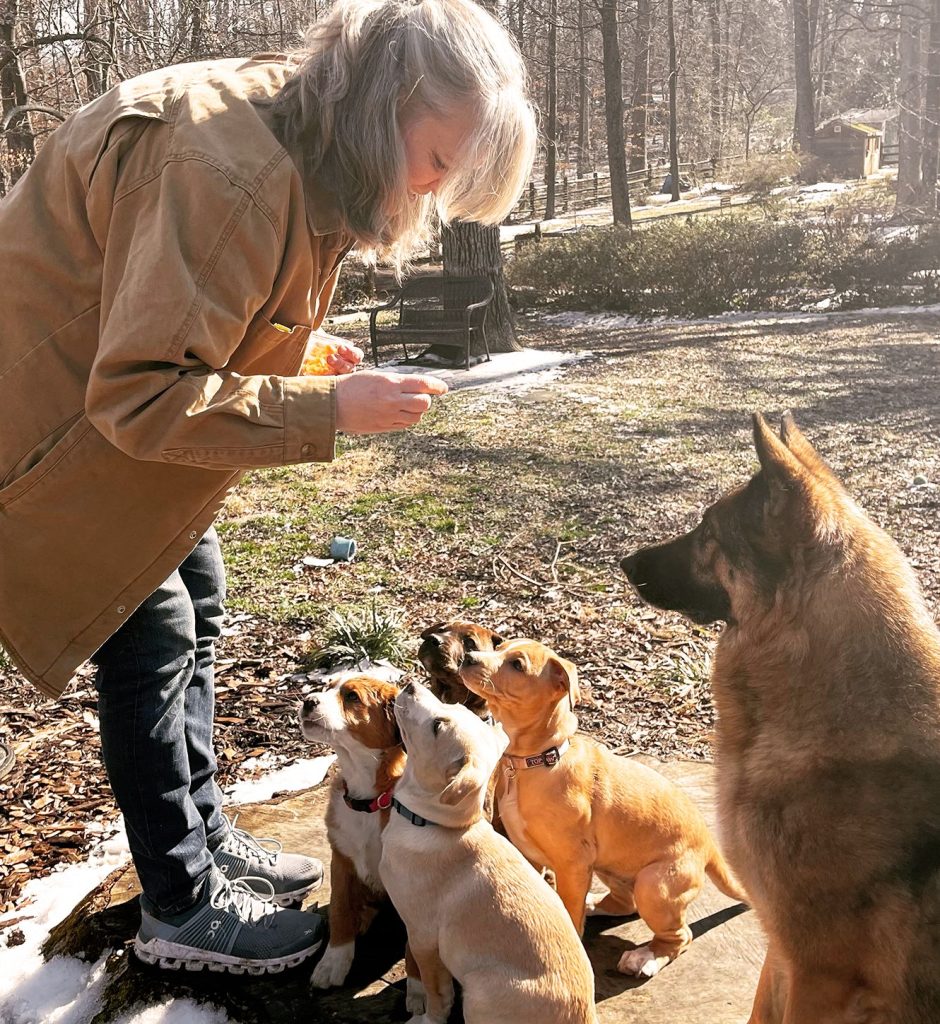
Essential Socialization Techniques for Puppies
Puppy socialization is more than just a fun goal during those early weeks; it lays the groundwork for your dog’s future interactions and behaviors. Effective puppy socialization techniques can empower your puppy to navigate a world filled with diverse experiences while feeling secure. Implementing these techniques can usher in a plethora of benefits for both your puppy and your family. What should you prioritize during this crucial time?
1. Gradual Exposure to Novel Experiences
Introduce your puppy to novel experiences gradually and positively. Start with low-stress environments and situations. For instance, short trips to the backyard or nearby parks allow the puppy to encounter new settings without becoming overwhelmed. During these outings, monitor your puppy’s reactions and provide praise and treats to associate positive feelings with their experiences. For instance, a visit to a pet-friendly café with outdoor seating can be an excellent opportunity for your puppy to observe and interact with different people and animals in a controlled manner.
2. The Power of Positive Reinforcement
Using positive reinforcement during socialization exercises can significantly enhance the learning experience for your puppy. Rewarding your puppy with treats, praises, or toys when they display calm behavior around new stimuli helps cement good associations. For instance, if your puppy remains composed while encountering a loud motorcycle, shower them with treats and affection. This technique encourages them to repeat the desirable behavior in similar situations in the future, while also fostering a strong bond between you and your furry friend.
3. Building Group Play Opportunities
Participating in group play is vital for teaching puppies how to communicate with their peers. Consider enrolling your puppy in socialization classes or organized playgroups. These settings not only offer supervised interactions with other dogs but also help your puppy learn essential canine social skills. They will gain insight into doggie etiquette, such as when to be playful or when to back off, reducing the risk of future aggression or anxiety around other dogs.
4. Controlled Introduction to Various Sounds
Many puppies are frightened by unexpected noises, from thunder to the sound of a vacuum cleaner. To combat this, you can engage in controlled sound exposure during their early weeks. Play recordings of various sounds at a low volume, such as barking dogs, sirens, or fireworks, while offering rewards for calm behavior. Gradually increase the volume as your puppy becomes more comfortable, helping them build resilience towards unfamiliar sounds.
5. Socializing During Regular Activities
Integrate puppy socialization into your daily routine. Take your puppy along when running errands or meeting friends, ensuring they are included in as many experiences as possible. Whether you’re visiting a friend’s house or taking a trip to the vet, every outing is an opportunity for your puppy to learn and adapt. By incorporating socialization into everyday activities, you’ll not only accelerate their learning process but also prepare them for the social nuances of adult life.
The key to successful puppy socialization lies in consistency and positive experiences. Each small step you take contributes significantly to building your puppy’s confidence and reliability as a dog. As you explore these techniques, you will be crafting a nurturing environment where your puppy can thrive and develop healthy behaviors that will serve both them and your family in the long run.
| Technique | Benefits |
|---|---|
| Positive Reinforcement | Encourages desired behavior through rewards, leading to a confident puppy. |
| Controlled Exposure | Helps puppies adjust to new environments and situations, enhancing adaptability. |
| Social Playdates | Facilitates interaction with other dogs, promoting healthy social skills. |
| Exposure to Different People | Reduces fear of strangers, encouraging friendliness and trust. |
The table above highlights essential techniques in puppy socialization, each contributing significantly to fostering a well-adjusted canine. Understanding the importance of these methods is crucial for any dog owner aiming to cultivate desirable behaviors in their pets. Positive reinforcementcontrolled exposure ensures your puppy gradually adapts to varied stimuli, which can significantly reduce anxiety in new settings. One cannot overlook the benefits of playdates, where puppies learn the nuances of social interaction. Similarly, meeting different people allows them to develop an instinctual trust, making them less prone to fear-based behaviors. Adjusting your approach using these techniques can offer a profound impact on your puppy’s behavior as it grows into adulthood, ensuring a well-rounded and confident dog.
Advanced Socialization Strategies for Lifelong Benefits
As puppies grow and evolve, so do their socialization needs. It’s crucial to implement advanced socialization strategies that address these continual developments and enhance their bonding experiences. Beyond the basics, these techniques offer incremental learning opportunities and deeper connections between you and your furry companion, helping to instill well-rounded behaviors that shape them into confident, sociable adults.
6. Engaging with Different Types of Environments
Different locales provide unique challenges and stimuli for your puppy. Gradually introduce them to varied environments such as bustling urban streets, tranquil parks, pet stores, and beach settings. Each locale presents its own set of sensory experiences, from the sights and sounds of traffic to the smells of different animals and nature. This environmental diversity enables puppies to become well-adjusted to different scenarios they may encounter throughout their lives. Be sure to maintain a positive reinforcement approach, rewarding your puppy for calm behavior and exploration in these new settings.
7. Controlled and Positive Interactions with Children
Introducing your puppy to children is a critical aspect of their socialization experience. Children, with their unpredictable movements and high energy, can be intimidating for young pups. To facilitate a controlled environment, supervise interactions between your puppy and children, teaching kids the appropriate way to approach dogs gently. Additionally, you can sign your puppy up for family-friendly training classes where children engage in structured activities with the puppies, instilling a sense of positivity and safety around little ones.
8. Socializing with Other Animals Beyond Dogs
While interacting with other dogs is essential, don’t neglect opportunities for your puppy to socialize with various animals. Encounters with different species, such as cats, rabbits, or even farm animals, can help foster adaptability and acceptance. It’s vital, however, to facilitate these encounters safely and under controlled conditions. Arrange visits to friends or family who have animals and supervise all interactions, ensuring your puppy remains calm. This experience broadens their understanding of the animal kingdom and can reduce natural predatory instincts, promoting a harmonious coexistence.
9. Consistent Exposure to Everyday Scenarios
Part of your pup’s success in socializing lies in their exposure to routine human activities. Regularly take your puppy along for daily errands or gatherings, whether it’s walking through a local farmer’s market, visiting a pet-friendly retail store, or even sitting in on a family picnic. Such scenarios give your puppy insight into various human behaviors and interactions, familiarizing them with sights and sounds they will regularly experience in everyday life, contributing to their confidence and social competence.
10. Incorporating Obedience Training into Socialization
Integrating obedience training within socialization efforts serves dual purposes: it enhances your puppy’s responsiveness to commands while simultaneously improving social behaviors. Teaching commands such as “sit,” “stay,” and “come” during social encounters reinforces good behavior and makes interactions smoother. To ensure success, incorporate training sessions in various environments and amongst different stimuli, so your puppy learns to remain attentive despite distractions, further solidifying their adaptability.
By combining these advanced strategies with fundamental techniques, owners can build a well-socialized dog. Each experience and lesson your puppy learns acts as a building block for their behavior, ensuring a positive, healthy development as a cherished family member.
Conclusion: The Path to a Well-Adjusted Companion
In the journey of nurturing your puppy into a well-adjusted and emotionally stable adult dog, effective socialization techniques play an indispensable role. By embracing the advanced strategies discussed, you can significantly enhance your pup’s adaptability, confidence, and overall behavior. From exploring diverse environments and engaging safely with children, to socializing with different species and incorporating consistent exposure to everyday scenarios, each action contributes to a richer social tapestry that your puppy will carry into adulthood.
Moreover, integrating obedience training with these socialization methods creates a harmonious dynamic, ensuring that your puppy not only understands commands but internalizes good behaviors in various situations. As you cultivate these experiences, remember that patience and positive reinforcement are key. Every new situation may present challenges, but with a robust foundation of socialization, your puppy can overcome these hurdles and thrive as a beloved member of your family.
Ultimately, as you invest time and effort into your puppy’s social development, you are not merely creating a well-mannered pet; you are fostering a lifelong companion that embodies resilience, joy, and companionship. As you embark on this rewarding journey, consider delving deeper into the diverse aspects of dog behavior and training to ensure your furry friend leads a fulfilling life, enhancing both their well-being and that of your family.