The Importance of Animal Welfare in Pet Adoption

The Importance of Animal Welfare in Pet Adoption
Every year, millions of animals enter shelters across the United States, seeking loving homes. Animal welfare is a critical consideration in this process, impacting not only the animals themselves but also the families who adopt them. By examining the principles of animal welfare, it becomes evident that prioritizing these values during the adoption process is crucial for a number of reasons. When potential adopters understand the implications of animal welfare, they not only improve outcomes for pets but also enhance their own experiences as pet owners.
One of the primary benefits of understanding animal welfare is that it promotes responsible ownership. Owning a pet is a long-term commitment that can span many years, often requiring considerable time, energy, and resources. By educating themselves about the needs and behaviors of various animals, adopters can make informed decisions that align with their lifestyles. For instance, a family with young children might consider a breed known for its temperament and adaptability, such as a Labrador Retriever, whereas someone living in an apartment might prefer a smaller, less active breed like a French Bulldog. Researching animal welfare helps ensure that the match is beneficial for both the owner and the pet.
Moreover, prioritizing animal welfare enhances the quality of life for animals awaiting adoption. When shelters focus on the welfare of animals, they typically provide necessary health care, behavioral assessments, and socialization opportunities before placing animals in homes. For example, a shelter that conducts regular health checks and behavioral training sessions can help ensure that animals are more adaptable and well-adjusted in their new surroundings. This not only increases their chances of being adopted but also reduces the likelihood of them being returned to the shelter.
Another significant impact of promoting animal welfare in the context of pet adoption is its potential to reduce euthanasia rates. According to the American Society for the Prevention of Cruelty to Animals (ASPCA), approximately 1.5 million dogs and cats are euthanized in shelters each year. By supporting shelters that prioritize welfare and actively promote adoption, communities can help lower these numbers. Successful programs like the “Adopt, Don’t Shop” movement encourage individuals to choose adoption over purchasing pets from breeders, which can also lead to a significant shift in public perspective on existing animals in shelters.
Ultimately, engaging in pet adoption with a firm understanding of animal welfare equips individuals with the tools to change countless lives for the better. It also enriches the adoptive families’ experiences by fostering a deeper bond between them and their pets. Taking the time to explore proper adoption practices and the vast resources available for potential adopters can lead to informed decisions that resonate well beyond the initial adoption moment.
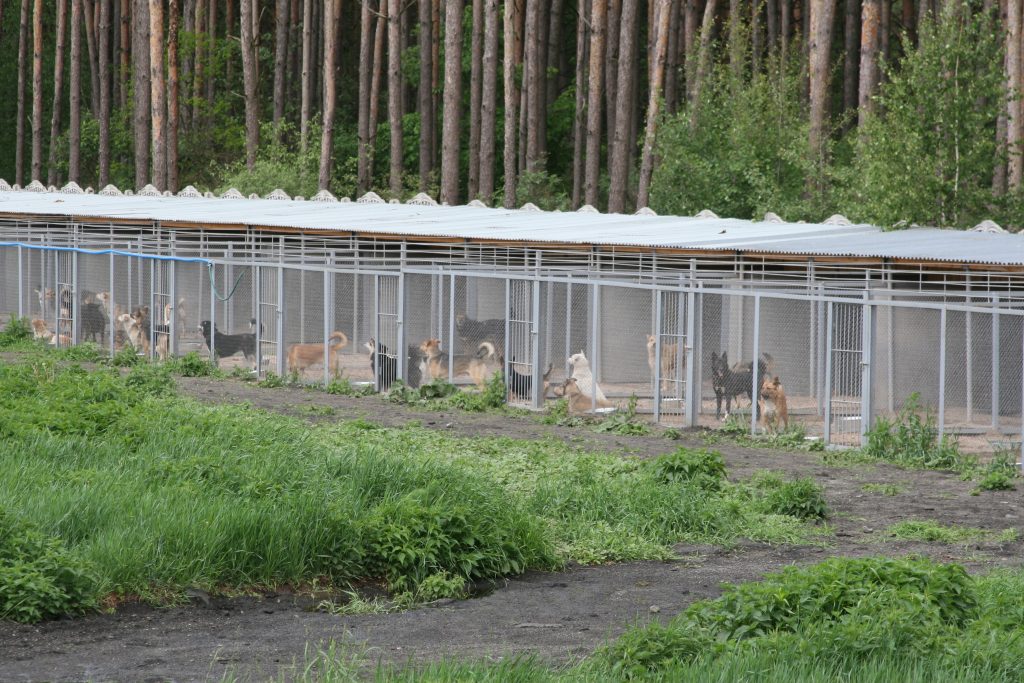
By being informed and aware of the various aspects of animal welfare, you empower yourself to make a lasting difference in both your life and the lives of the animals in need. In turn, the act of adopting a pet becomes a mutually beneficial relationship, with each party enriching the other’s life in meaningful ways.
Understanding the Foundation of Animal Welfare
The concept of animal welfare extends far beyond mere shelter and basic care; it encompasses a comprehensive approach to ensuring that animals are treated with dignity and respect throughout their lives. In the realm of pet adoption, this means creating environments where animals thrive, serving to both enhance their wellbeing and facilitate successful placements into forever homes. A robust understanding of animal welfare can lead to remarkable changes in how society views and treats its most vulnerable beings.
When potential adopters engage with animal welfare principles, they are better equipped to make informed decisions that contribute to the lifelong happiness of their future pets. Several key factors underpin this approach:
- Physical Health: Ensuring that animals receive proper veterinary care, vaccinations, and nutrition is fundamental to their wellbeing. This means that shelters advocating for animal welfare often assess each animal’s physical condition, creating a healthier population ready for adoption.
- Mental and Emotional Wellbeing: Animals, like humans, can experience stress and anxiety. Understanding the behavioral needs of pets is crucial. Shelters employing enrichment activities tailored to specific species can help alleviate stress and improve overall temperament.
- Socialization: Developing positive interactions with people and other animals is essential for success in a home environment. Socialization programs in shelters allow pets to form healthy relationships before they reach a new family.
By integrating these elements into their operations, shelters not only improve the outlook for each individual animal but also enhance the overall adoption experience for families. This is where prospective adopters come into play; their involvement in the process is vital. Awareness of animal welfare issues promotes a culture of compassion and responsibility among pet owners. Educated families understand the importance of ongoing care and support for their pets, which in turn lowers the rates of abandonment and returns to shelters.
In addition, the focus on animal welfare during pet adoption can foster community engagement. Individuals inspired by the plight of shelter animals are more likely to become advocates for those in need. This could mean volunteering time at local shelters, fundraising for animal welfare organizations, or simply raising awareness about the importance of responsible pet ownership. Communities that prioritize animal welfare often witness a ripple effect that benefits both pets and their owners.
Understanding these aspects ultimately empowers adopters to take on the responsibilities that accompany pet ownership. It instills a sense of purpose, knowing that their commitment helps contribute to a broader societal shift towards empathy and care for all animals. When the community comes together to promote animal welfare, the cycle of rescue and adoption becomes stronger, leading to a more humane society where animals are cherished as family members rather than mere possessions.
The Importance of Animal Welfare in Pet Adoption
When considering pet adoption, it is essential to understand how animal welfare directly impacts the lives of countless animals awaiting homes. The adoption process serves not only as a means of finding loving families for pets but also as a gateway to promoting responsible ownership and reducing the number of animals in shelters.
Each year, millions of animals find themselves in shelters due to various circumstances, including abandonment and neglect. This situation highlights the vital role that animal welfare organizations play in assessing the needs of both adoptive families and pets. By prioritizing the well-being of the animals, these organizations ensure that pets are placed in homes where they will receive the attention, care, and love they deserve.
Furthermore, adopting a pet provides numerous benefits to both the individual and the community. Studies have shown that pets can lead to improved mental health, increased physical activity, and greater overall happiness among their owners. Moreover, adoption promotes a culture of compassion and responsibility, encouraging potential pet owners to consider the needs of animals and the impact of their choices. Pet adoption fosters a sense of community responsibility, demonstrating that when we care for our animals, we enhance the lives of all.
| Benefits of Pet Adoption | Impact on Animal Welfare |
|---|---|
| Provides a second chance for animals | Helps reduce the number of homeless pets |
| Promotes responsible pet ownership | Encourages education about animal care |
As we explore the critical importance of animal welfare in the adoption process, we recognize that every adoption story serves as an inspiring example of how compassion can change lives. This article underscores the need for community involvement in promoting the welfare of animals in need and invites readers to consider the impact of their adoption choices.
The Role of Education in Promoting Animal Welfare
Education plays a vital role in enhancing animal welfare and shaping the future landscape of pet adoption. By equipping potential adopters with the necessary knowledge about their responsibilities, communities can reduce the risk of unprepared individuals adopting pets, thus improving the likelihood of successful and lasting placements. Awareness campaigns focused on animal welfare education can transform perceptions and behaviors surrounding pet ownership.
A significant aspect of this educational approach involves understanding the specific needs of different breeds and species. For example, prospective dog adopters must be aware that some breeds require more physical exercise and mental stimulation than others. In contrast, particular cat breeds might demand more attention and social interaction. Organizations committed to animal welfare often provide resources, such as workshops and informational brochures, detailing the unique traits and care requirements of various animals. This enables potential adopters to choose a pet that aligns with their lifestyle, reducing the likelihood of eventual abandonment.
Moreover, participating in pre-adoption counseling sessions can further enhance animal welfare. Shelters that offer these sessions can address critical topics such as behavioral issues, training techniques, and the integration of pets into new homes. Educating future pet owners on these topics can lead to increased confidence in their abilities to care for a pet and significantly reduce the chances of future returns to shelters. Research has shown that households who are educated about their responsibilities are more committed to their pets, fostering a strong bond that extends throughout the pet’s life.
The Impact of Community Involvement
Animal welfare in pet adoption doesn’t solely rest on the shoulders of adopters; it extends into the community at large. By creating a culture of awareness, communities can work collectively to support shelters and promote responsible pet ownership. Initiatives such as adoption events, workshops, and community outreach programs help to lift the profile of local animal shelters and increase adoption rates. For instance, success stories from adopters can act as powerful testimonials, encouraging others to consider adopting a pet from a local shelter.
Furthermore, local businesses can play a crucial role in this ecosystem. Pet supply stores, veterinarians, and groomers can collaborate with shelters to offer discounts for adopted pets, incentivizing adoption while simultaneously encouraging ongoing care. This synergistic relationship not only enhances animal welfare but also builds a community that values compassion and responsibility.
Statistics underscore the importance of community engagement; communities that actively support local shelters see an increase in adoption rates and a decrease in euthanasia figures. In various parts of the United States, where interconnectedness among animal welfare organizations, businesses, and the public is strong, shelters have reported up to a 30% increase in adoptions over just a few years. This demonstrates how a united community effort can lead to measurable improvements in animal welfare.
As we advance into a future where animal welfare in pet adoption becomes a norm rather than an exception, it is imperative for every stakeholder—individuals, shelters, and communities—to commit to the ongoing education, understanding, and support of this cause. Such dedication will create lasting and meaningful change for countless animals seeking loving homes.
Conclusion
The discussion surrounding animal welfare in pet adoption has illuminated the critical interconnectedness of education, community involvement, and responsible pet ownership. As we have examined, equipping potential adopters with vital knowledge about the responsibilities and unique needs of different animals is essential for fostering lasting bonds between pets and their new families. Often, the success of an adoption hinges not solely on the act itself but on the preparation and support provided leading up to that moment.
Moreover, the role of community in promoting animal welfare cannot be overstated. By actively engaging in initiatives that raise awareness and support local shelters, communities can create environments conducive to increased adoption rates and better outcomes for vulnerable animals. Collaboration among local businesses, shelters, and citizens has the potential to further enhance this ecosystem, generating a culture that prioritizes compassionate treatment of animals.
As individuals consider adoption as a viable option, it is crucial to reflect on the broader implications of their choices. Each adopted pet represents a life that deserves care, love, and commitment. By adopting responsibly, and with the intent of nurturing long-term relationships, pet owners can contribute significantly to reducing shelter overcrowding and enhancing animal welfare across the nation. The movement toward improved animal welfare in pet adoption is a journey—one that is best undertaken together, with education and community spirit at the forefront. Thus, let us unite in the advocacy for our furry companions, ensuring they find their forever homes, supported by informed, dedicated, and compassionate owners.