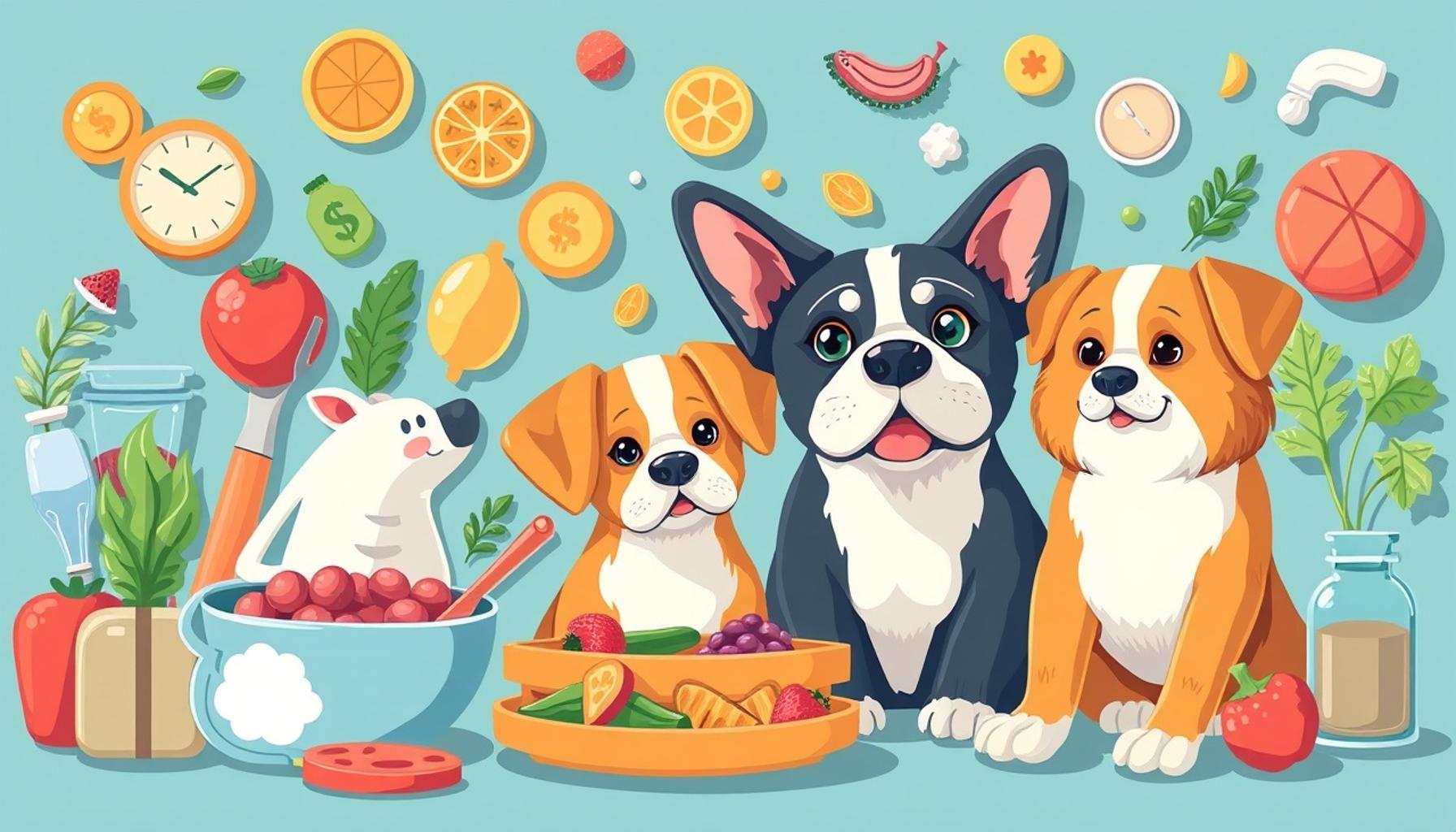
The Effects of Nutrition on Pet Behavior
Unpacking the Link Between Nutrition and Behavior in Pets
One aspect of pet care that often flies under the radar is the profound connection between diet and behavior. Many pet owners may concentrate primarily on the physical health of their animals, neglecting to acknowledge the critical influence of nutrition on behavioral patterns. Understanding how what goes into a pet’s bowl can affect their mood, energy levels, and aggression is essential for creating a harmonious living environment. This connection can lead to enhanced well-being for both pets and their owners.
Recent studies have emphasized that certain nutrients play a pivotal role in promoting balanced behavior among pets. For example, Omega-3 Fatty Acids, commonly found in fish oil, have been shown to foster a more relaxed demeanor. This is particularly beneficial for pets that may be prone to anxiety or hyperactivity. A sedentary lifestyle can exacerbate these issues, making a diet rich in Omega-3s even more vital. Another crucial component is Amino Acids, which are the building blocks of proteins and are essential for neurotransmitter function. Neurotransmitters such as serotonin and dopamine greatly influence mood stability; thus, a deficiency can result in behavioral issues such as aggression or depression.
The role of Antioxidants cannot be overstated either. These powerful compounds help combat oxidative stress within the body, a condition linked to anxiety and nervous behavior in pets. Ingredients like blueberries, spinach, and certain vitamins can aid in maintaining mental health and emotional resilience, offering a natural boost to your pet’s overall well-being.
Meal Structure Matters
Interestingly, it’s not just the content of the diet that matters; the timing and frequency of meals play an equally important role in shaping your pet’s emotional state. For instance, establishing a consistent feeding schedule can significantly reduce anxiety in dogs, providing them with a sense of routine and security. In contrast, high-carbohydrate diets can lead to hyperactivity in some animals, especially cats, which naturally thrive on higher protein diets.
Understanding these intricate nuances fosters a deepened connection between you and your furry friend. When you tailor their diet, you help enrich their lives while simultaneously working towards strengthening the bond you share. In our following sections, we will dive deeper into various dietary components and explore their direct effects on pet behavior. With this knowledge, pet owners can make informed decisions that will lead to happier, healthier companions.
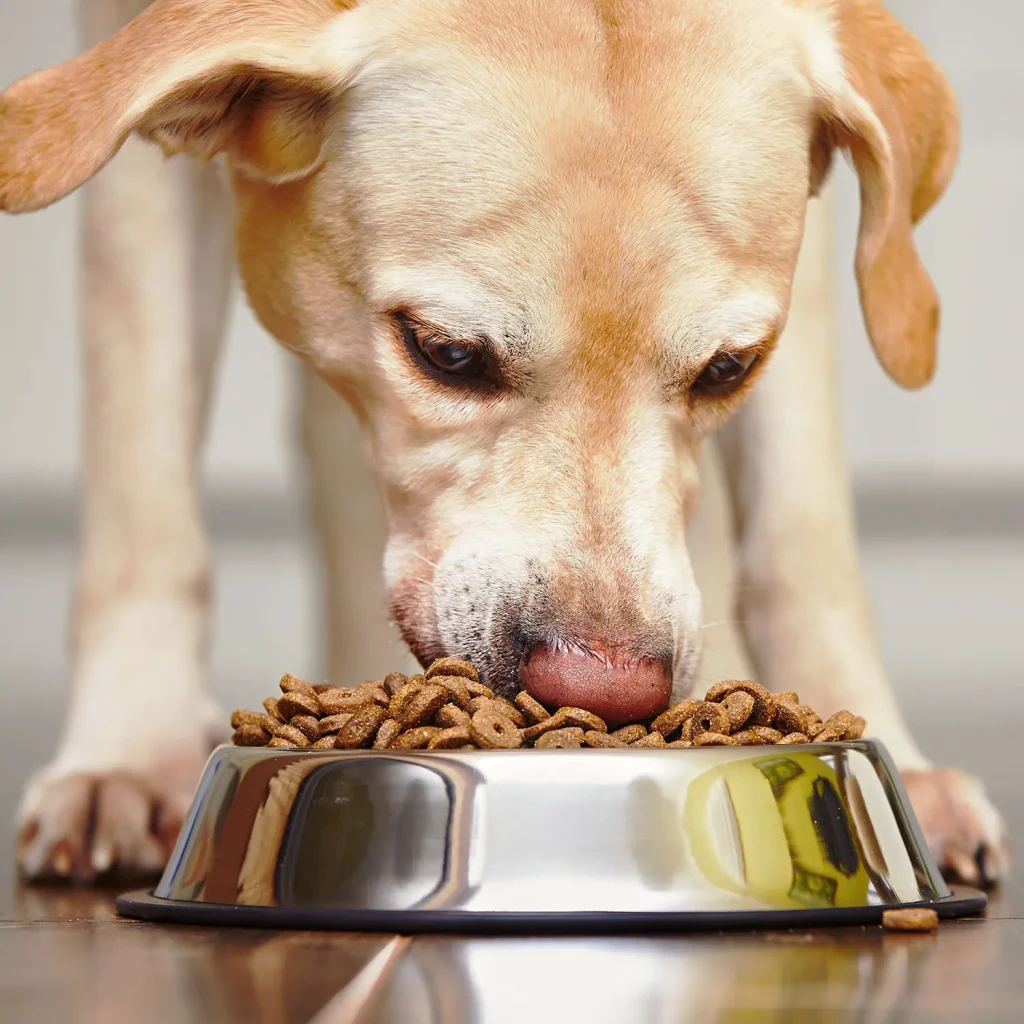
How Nutrients Shape Pet Behavior: Insights and Implications
Delving deeper into the essential nutrients that influence pet behavior reveals a fascinating interplay between diet and emotional well-being. Nutritionists and veterinarians alike underscore that a pet’s diet isn’t just about filling their stomachs; it’s a crucial component of their mental and emotional health.
Carbohydrates are another area of concern, particularly the type and quantity of carbohydrate present in pet food. While carbohydrates can provide a quick source of energy, excessive consumption can lead to fluctuations in a pet’s energy levels. For example, some studies suggest that dogs fed a high-carb diet may experience energy spikes followed by crashes, leading to hyperactivity and irritability. This behavioral rollercoaster may prove challenging for pet owners trying to maintain a tranquil environment. Instead, a diet that emphasizes protein over carbohydrates may promote steadier energy levels and a more even-tempered disposition.
Moreover, the impact of Vitamins, particularly the B-vitamins, cannot be overlooked in the conversation surrounding pet behavior. B-vitamins play a vital role in brain health and can significantly affect mood. For instance, a deficiency in Vitamin B6 can alter serotonin levels, potentially leading to behavioral issues such as aggression or anxiety. Foods rich in B-vitamins, such as liver, fish, and whole grains, can serve as excellent sources to fortify your pet’s mental health.
Spotlight on Specific Dietary Elements
Understanding the specific dietary components that contribute to behavior can empower pet owners to make informed choices. Here are some crucial nutrients to consider:
- Omega-3 Fatty Acids: Known for their anti-inflammatory properties, these fatty acids not only contribute to joint health but also promote better cognitive functioning and mood stabilization.
- Amino Acids: Essential for neurotransmitter production, a balanced supply of amino acids can encourage calmness and decrease anxiety in pets.
- Antioxidants: These compounds help mitigate stress in pets, fostering resilience against anxiety and creating a more balanced temperament.
- High-Quality Protein: A diet rich in quality proteins helps sustain energy levels throughout the day, contributing to a more stable mood.
These components demonstrate that nutrition isn’t just a matter of sustenance; it plays an integral role in laying the foundation for a pet’s behavior. By prioritizing holistic nutrition, pet owners pave the way for calmer, happier, and healthier living companions. As we explore further, we will also consider the importance of portion control and how feeding practices can amplify behavior change. Stay tuned as we connect the dots between nutrition, feeding habits, and your pet’s overall happiness.
The connection between nutrition and pet behavior is a crucial area of interest for pet owners and veterinarians alike. Research has shown that what pets consume can significantly influence their moods, energy levels, and overall behavior. For instance, diets high in omega-3 fatty acids can lead to improvements in aggression and anxiety levels in dogs, while certain vitamins and minerals support cognitive functions in aging pets. It has been suggested that protein quality also plays a vital role, with higher-quality proteins often resulting in improved behavior and temperament. Additionally, the timing and frequency of feeding can impact a pet’s behavior, where regular meal schedules help create a sense of stability and reduce fear in some animals.
On the flip side, a diet lacking in essential nutrients can lead to a host of behavioral issues. For example, deficiency in zinc and iron has been linked to increased irritability and aggression. Moreover, obesity—a prevalent outcome of poor nutrition—can also lead to lethargy and decreased sociability in pets. With an increase in processed pet foods, understanding the colors, flavors, and preservatives in these meals is essential for nurturing your pet’s mental and physical health. Thus, it becomes apparent that pet owners must remain vigilant in choosing balanced diets that not only enhance physical health but also promote positive behaviors in their furry companions.
| Key Nutrients | Behavioral Impact |
|---|---|
| Omega-3 Fatty Acids | Reduces aggression and anxiety in pets. |
| Proteins | Higher quality proteins enhance behavior and temperament. |
| Vitamins and Minerals | Support cognitive functions and combat irritability. |
| Zinc and Iron | Deficiencies may heighten irritability and aggression. |
Understanding the interplay between nutrition and pet behavior can empower pet owners to make informed decisions about their pet’s dietary needs. By investing time in nutrition education, one can foster not just better health, but also a more harmonious relationship with pets.
The Role of Feeding Practices and Their Behavioral Impact
While the composition of a pet’s diet is undeniably essential, the feeding practices employed by pet owners can also significantly influence behavior. The way food is provided—timing, method, and environment—can either enhance or detract from the effects of nutrition on a pet’s temperament.
For starters, the timing of meals can create anticipation and excitement in pets, shaping their demeanor before, during, and after feeding. Regular feeding schedules promote predictability, thereby reducing anxiety and increasing feelings of security in pets. A dog accustomed to consistent mealtimes may display calm behavior and reduced stress, while erratic feeding could lead to hyperactivity or even scavenging behaviors, where a pet searches for food throughout the house. By establishing a routine, pet owners can foster stability in their pets’ emotional states.
The Influence of Portion Control
Another critical aspect of feeding practices is portion control. Overfeeding can lead to obesity, which is not just a physical concern; it also has emotional implications. Pets who are overweight may exhibit lethargy and disinterest in play, potentially leading to behavioral issues such as frustration, aggression, or depression. Research indicates that pets on well-measured diets can experience improved mood and activity levels. A substantial body of evidence suggests that maintaining a healthy weight through appropriate portion sizes can mitigate the behavioral issues associated with obesity.
Environment Matters: The Feeding Atmosphere
The environment in which pets eat is equally crucial. A stress-free feeding environment can lead to a more relaxed pet. For example, feeding a cat in a quiet room can reduce anxiety compared to a bustling household with loud noises. Likewise, for dogs, a designated, calm space away from distractions allows them to enjoy their meals without the anxiety of competition, leading to calmer behavior overall. Conversely, feeding pets in high-stress situations can cause negative associations with food time, which may manifest in behavioral problems over time.
Moreover, considering the method of feeding can enhance pet behavior. For instance, using interactive feeding devices or puzzle toys encourages problem-solving and engages a pet’s natural instincts. Engaging their minds while they eat not only helps to stave off boredom but also reduces anxiety and destructive behaviors often caused by excess energy. Combining mental stimulation with nutritional intake can create a more harmonious living experience for both pets and their owners.
Supplementing for Better Behavior
Beyond just the basics of nutrition and feeding habits, pet owners are increasingly turning to dietary supplements to promote specific behavioral outcomes. Supplements such as L-theanine and tryptophan are gaining popularity in the market for their calming effects, shown to reduce anxiety in dogs during events like thunderstorms or fireworks. Owners can consult with veterinarians to explore how these supplements, combined with a well-rounded diet, can further support their pet’s well-being and behavior.
In summarizing the intricate relationship between nutrition, feeding practices, and pet behavior, it becomes evident that owners have the power to shape their pets’ emotional and mental health. By prioritizing a holistic approach to pet nutrition and implementing thoughtful feeding practices, one can pave the way for a calmer, happier companion.
Conclusion: Nourishing Minds and Bodies for Better Behavior
In conclusion, the profound connection between nutrition and pet behavior invites pet owners to reconsider their approach to caring for their furry companions. A well-balanced diet, complemented by thoughtful feeding practices, plays a pivotal role in shaping a pet’s emotional well-being and general demeanor. With proper meal timing, portion control, and a stress-free feeding environment, owners can cultivate a sense of stability and security that is vital for fostering positive behaviors in pets.
Moreover, integrating supplements tailored to individual needs can further enhance behavioral outcomes, exemplifying how a combination of nutrition and mindful care can lead to remarkable changes in a pet’s life. This holistic perspective not only aids in promoting a healthy weight but also supports critical aspects of mental stimulation and emotional balance. By engaging pets through interactive feeding methods, owners can tap into their natural instincts, reducing anxiety and enhancing overall sociability.
Ultimately, understanding the effects of nutrition on pet behavior opens a pathway toward enriching the lives of our beloved companions. Pet owners are encouraged to continue exploring innovative feeding solutions and to consult with veterinary professionals for personalized dietary advice. With the right nutritional foundation and feeding practices, pets can thrive, ultimately paving the way for a more peaceful, joyful relationship between pets and their human families.