How to Read Pet Food Labels: What You Need to Know

Decoding the Elements of Pet Food Labels
When you step into your local pet store or scroll through online retailers, the variety of pet food options can feel overwhelming. Navigating through countless brands, flavors, and types requires a keen eye, and understanding pet food labels is the compass that can guide you through the maze. Taking the time to interpret these labels is not just beneficial for your pet’s health but can also transform a confusing shopping trip into a productive one.
One of the most critical components to scrutinize is the Ingredients List. The rule of thumb is that the first five ingredients generally account for the bulk of the food’s content. For example, if the first ingredient is chicken, it indicates that the food is predominantly made of meat, which is essential for your pet’s protein intake. However, if the list starts with fillers like corn or wheat, it might suggest a lower-quality food with less nutritional value. Look for whole food sources like ‘whole meats’ or ‘meat meals’ that offer concentrated protein. This not only ensures a balanced diet but also supports your pet’s muscle development and energy levels.
Next, pay attention to the Guaranteed Analysis. This section is usually provided in the form of percentages for key nutrients such as protein, fat, and fiber. For instance, a cat food labeled with at least 30% protein is designed to meet the high protein needs of felines, which in turn promotes healthy muscle maintenance. Remember that minimum values are indicated, so you may find that some brands exceed these amounts. Also, understanding the fat content is vital, as this component provides energy and essential fatty acids, contributing to a glossy coat and overall health.
Another essential aspect is the AFCO Statement, often located on the back of the packaging. This statement signifies that the food meets the nutritional standards set by the Association of American Feed Control Officials. This compliance means you can trust that the formulation is not only safe but also suitable for your pet’s life stage, whether they are a playful puppy or a dignified senior dog. Each life stage has unique dietary requirements that can significantly influence longevity and quality of life.
Understanding these components can empower you to sift through the marketing jargon that often surrounds pet food choices. Moreover, once you know what to look for, you can cater specifically to your pet’s individual dietary needs, ensuring they receive the nutrients vital for their well-being. For example, pets with allergies may benefit from limited-ingredient diets that explicitly specify the ingredients present.
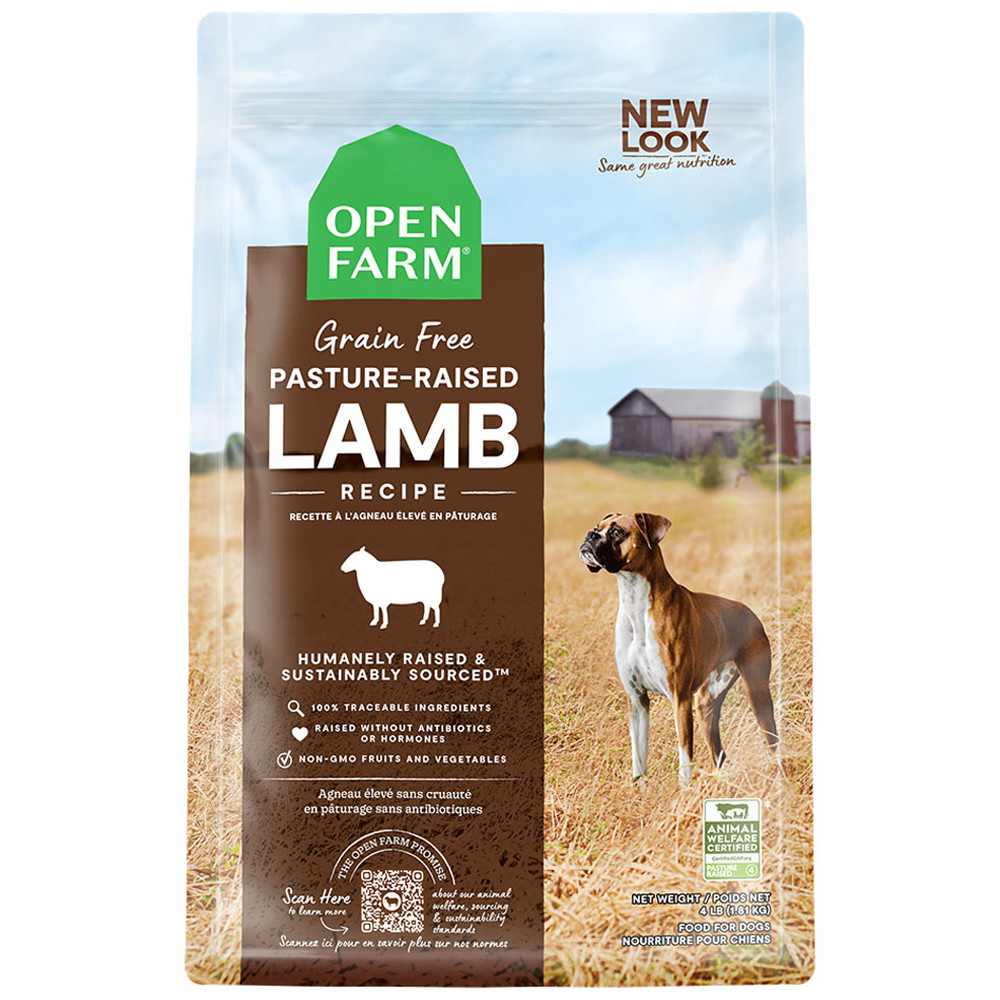
By delving deeper into the world of pet food labels, you are not just buying food; you are investing in your pet’s health and happiness. Equip yourself with knowledge, and you will be better prepared to select a diet that fuels their vitality, potentially leading to a longer, healthier life for your beloved companion.
Understanding Nutritional Claims and Labels
As you delve into the intricacies of pet food labels, understanding nutritional claims is essential. These claims can often sound enticing but require careful examination. For instance, terms like “natural,” “holistic,” and “premium” do not have standardized definitions in the pet food industry. A food labeled as “natural” may still contain synthetic vitamins and minerals, so it’s crucial to look beyond the buzzwords. Instead, focus on the ingredients list and the Guaranteed Analysis to gauge its true value.
Another area that warrants attention is the life stage designation. Pet food manufacturers often specify whether their product is intended for puppies, adults, or seniors. Feeding your pet age-appropriate food ensures they receive the right balance of nutrients tailored to their specific needs. For instance, puppy formulas typically have higher protein and fat levels to support growth, while senior diets may be lower in calories yet enriched with joint-supporting supplements. Always look for phrases like “complete and balanced” to understand if the food meets the necessary standards.
Moreover, consider the source of the pet food. Many brands now highlight ingredient sourcing and manufacturing practices on their labels. Pet food made in the United States adheres to strict regulations enforced by the FDA (Food and Drug Administration) and is often subject to more rigorous safety checks compared to imported products. Whenever possible, opt for brands that disclose where and how their ingredients are sourced, as transparency is a good indicator of quality.
To help streamline your decision-making, here are some key points to remember when reading pet food labels:
- Check for quality protein sources: Look for specific meats (e.g., chicken, fish) as the primary ingredient.
- Avoid artificial preservatives and fillers: Ingredients like BHA, BHT, and ethoxyquin should raise a red flag.
- Analyze the fat content: Ensure it includes healthy fats like omega-3 and omega-6 fatty acids.
- Assess the carbohydrate sources: Favor whole grains or vegetables over undesirable fillers like corn or soy.
- Read the feeding guidelines: These can vary significantly between brands, so adhere to their recommendations for portion control.
As you navigate through pet food options, it is paramount to arm yourself with knowledge that directly impacts your pet’s health and nourishment. Decoding a label may seem tedious at first, but with practice, you’ll become adept at spotting the finest products for your furry companions. Understanding these vital components of pet food labels can help you make informed choices, ensuring a well-balanced diet that promotes optimal health for your beloved pet.
Understanding Key Components of Pet Food Labels
When delving into the complexities of pet food labels, it’s essential to recognize the various components that can significantly impact your pet’s health. The label’s primary sections include the ingredients list, guaranteed analysis, and feeding guidelines. Each of these parts provides valuable insights into the nutritional value and quality of the pet food.
Ingredients List
The ingredients list is presented in descending order by weight. This means the first ingredient is the primary component of the formula. Look for specific protein sources like chicken or beef rather than generic terms like “meat” or “animal by-product.” High-quality ingredients are essential for ensuring your pet receives adequate nutrition. Additionally, be cautious with fillers such as corn and soy, which can provide little nutritional benefit and may lead to allergies in some pets.
Guaranteed Analysis
The guaranteed analysis section provides a breakdown of the minimum and maximum percentages of key nutrients such as protein, fat, fiber, and moisture. Understanding these values is crucial in determining whether the food meets your pet’s specific dietary needs. For example, puppies generally require higher protein levels while adult dogs may thrive on lower fat content for weight maintenance.
Feeding Guidelines
Feeding guidelines indicate the suggested daily portion based on your pet’s weight and age. These recommendations offer a starting point but should be adjusted based on your pet’s activity level and health needs. Always monitor your pet’s weight and consult with your veterinarian for the best practice tailored to your companion.
A Helpful Table for Quick Reference
| Category | Details |
|---|---|
| Ingredients | Focus on specific protein sources and avoid fillers like corn and soy. |
| Guaranteed Analysis | Check protein and fat percentages relevant to your pet’s age and activity level. |
As you continue to navigate pet food labels, remember to remain informed and proactive in selecting the right food for your furry friend’s dietary requirements. With a clear understanding of these components, you empower yourself to make better choices for your pet’s health and well-being.
Decoding Ingredients: What to Look For
Understanding the ingredients list on a pet food label is akin to deciphering a treasure map that can lead you to the best nutrition for your furry friend. Ingredients are listed in descending order by weight, meaning the first few items can significantly influence the food’s overall quality. It’s vital to pay attention to the specifics. For example, if the first ingredient reads “meat meal,” it’s important to know that while meat meal can be a concentrated source of protein, it sometimes lacks clarity about the meat source, leading to questions regarding quality and origin.
When scanning the ingredients list, whole foods should be prioritized. Ingredients such as whole chicken, beef, or lamb indicate a quality protein source. Additionally, identify reputable carbohydrate sources like sweet potatoes, brown rice, or peas, which provide essential energy and fiber. Moreover, the presence of fruits and vegetables, particularly antioxidant-rich options such as blueberries or spinach, can point to a more wholesome product.
On the flip side, be cautious of by-products and non-specific ingredients. Terms like “animal by-product meal” can be vague, potentially including undesirable parts of meat animals. Also, sneaky fillers, such as corn gluten meal or soy protein isolate, often serve to inflate protein content without delivering the quality your pet needs. Recognizing these ingredients can help you avoid products that prioritize profit over your pet’s health.
The Role of Certifications and Standards
Another critical aspect of pet food labels is the multitude of certifications and standards that manufacturers might display. For instance, the inclusion of an AAFCO (Association of American Feed Control Officials) statement on the label signifies that the food meets established nutritional guidelines for pets. However, not all good-quality pet food carries such certifications, so it should not be the sole deciding factor.
Some pet food brands also showcase involvement in initiatives that address sustainability or animal welfare. Look for seals from organizations like the Non-GMO Project or USDA Certified Organic. While not directly linked to nutritional value, these certifications can provide reassurance regarding the ethical practices behind the product and its ingredients.
Understanding Labelling Regulations
It’s also important to be aware of labeling regulations in the United States, as they can provide clarity on the information included in pet food labels. The FDA and AAFCO dictate labeling standards to ensure transparency and accuracy. For instance, if a product claims to be “chicken dog food,” it must contain a minimum of 70% chicken. Conversely, “with chicken” implies that chicken constitutes at least 10% of the product. Such distinctions can inform your choices as they help delineate the proportions of various ingredients.
Finally, remember that due to advancements in nutrition science, some pet foods may also include supplements like probiotics and omega fatty acids, recognized for their health benefits. Ingredients such as glucosamine and chondroitin for joint health are also becoming increasingly common. Identifying these beneficial additions can ensure your pet receives a well-rounded diet that goes beyond basic sustenance.
As you continue your journey in decoding pet food labels, keeping an eye on these nuanced elements will empower you to make more informed choices that contribute positively to your pet’s health and wellness. By understanding what each item signifies, you are not just buying a product; you are investing in the well-being of your beloved companion.
Conclusion: Making Informed Choices for Your Pet
In the complex world of pet nutrition, understanding how to read pet food labels is essential for ensuring the health and happiness of your furry companions. By carefully evaluating the ingredients list, recognizing reputable protein and carbohydrate sources, and identifying beneficial supplements, you can make choices that truly meet your pet’s dietary needs. Being vigilant about by-products and fillers can safeguard against potential health risks associated with lower-quality food.
Furthermore, paying attention to certifications and labeling regulations provides an additional layer of assurance. While the presence of seals such as AAFCO can indicate adherence to nutritional standards, it’s important not to rely solely on these certifications. Other labels promoting sustainability and ethical practices contribute to a broader understanding of the product’s quality and impact.
Ultimately, each label you explore becomes a stepping stone toward greater insight into your pet’s dietary requirements. As you delve into the realm of pet food, remember that your informed choices can have a profound impact on your pet’s health and longevity. Take the time to research, ask questions, and seek out high-quality ingredients that will support your beloved friend’s well-being. With this knowledge in hand, you’re not just selecting food; you’re nurturing a happier, healthier life for your furry family member.