Cat Training: Effective Methods to Teach Desired Behaviors
Unleashing Your Cat’s Potential
Did you know that cats are capable of learning various behaviors just like dogs? While the common perception is that training felines is a daunting task, effective methods can make all the difference. By understanding your cat’s unique personality, you can enhance communication and foster a positive environment. Training not only benefits the feline but also enables a deeper connection between you and your pet.
Techniques for Training Success
There are several methodologies that can be employed to guide your cat’s learning experience. Each method can cater to different personalities and learning styles:
- Positive Reinforcement: This approach encourages desired actions by rewarding them. For instance, giving treats, affection, or verbal praises after your cat uses the litter box properly encourages that behavior. Over time, your cat will associate good behavior with positive outcomes.
- Clicker Training: A systematic approach that shapes behaviors using sound cues. When your cat performs a desired action, you use a clicker sound followed by a reward. This sound not only signals that the action was correct but also serves as a way to communicate effectively with your feline friend.
- Consistency: Routine and repetition are key to long-term success. Scheduling training sessions at the same time each day can help reinforce the learned behaviors. Make sure all family members are on the same page regarding training commands and rewards for unified messaging.
The Benefits of Training Your Cat
Exploring various techniques can reveal new possibilities for your kitty, allowing you to unlock their potential. Here are some significant benefits of cat training:
- Improved Behavior: With consistent training, you can reduce unwanted actions, such as scratching furniture or excessive meowing. Redirecting your cat to use scratching posts instead of your sofa is a common issue many pet owners face, and training can help combat this.
- Strengthened Bond: Training enhances the relationship between you and your pet. Engaging in fun and rewarding activities fosters trust and comfort, creating a nurturing environment where your cat feels valued.
- Engagement: Keeping your cat mentally stimulated promotes happiness and prevents boredom-induced behaviors. Simple games, teaching tricks, or interactive toys can engage their minds while establishing routine training practices.
As you embark on this journey of cat training, be prepared to discover a world filled with effective methods that empower both you and your furry friend. From teaching basic commands like “sit” or “high five” to addressing specific behavioral issues such as litter training, the possibilities are endless! Whether your cat is a young kitten or a seasoned adult, the potential for growth and learning is readily available. So grab those treats and get started on a path that promises to enrich both your lives!
Exploring Training Techniques
When it comes to cat training, understanding the methods that resonate best with your feline companion is essential. Techniques may vary widely, but the goal remains the same: to cultivate a cooperative relationship and encourage desirable behaviors. Each method has its own merits and can be tailored to fit the unique personality and learning style of your cat. Here are some more in-depth insights into each technique:
Positive Reinforcement in Depth
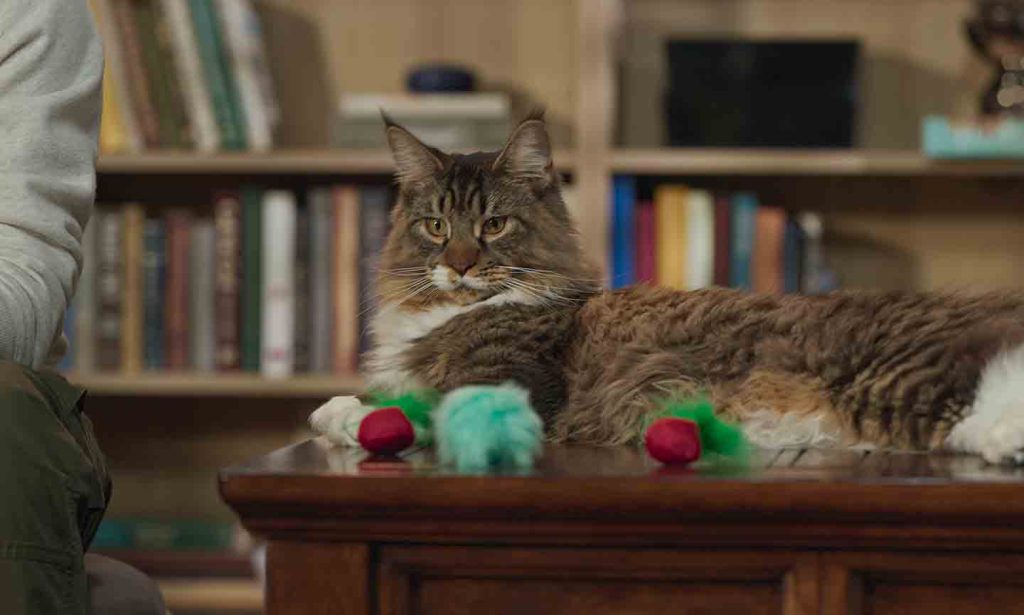
At the heart of most effective training strategies is positive reinforcement. This method not only rewards good behavior but also nurtures a positive learning experience. The idea is simple: when your cat engages in a desired action, you immediately follow up with a reward. This reward can range from tasty treats to enthusiastic praise or even playtime with a favorite toy.
To optimize this technique, consider:
- Timing: Ensure that the reward follows the desired behavior immediately. This immediate response helps your cat associate the action with the positive outcome.
- Variety: Cats can become bored with the same treats or rewards. Mixing things up occasionally can keep your training sessions engaging and exciting.
- Encouragement: Always be responsive to your cat’s efforts, even if they are not perfect. Gradually shaping behaviors can lead to long-lasting results.
Understanding Clicker Training
Clicker training elevates the concept of positive reinforcement by incorporating a specific sound cue into the mix. The clicker acts as a marker that lets your cat know exactly when they’ve done something right. To begin your clicker training journey:
- Acquire a Clicker: A handheld clicker is an ideal tool, easily available at pet stores. Choose one that’s comfortable for you to use.
- Introduce the Clicker: Start by clicking the device followed by giving a treat. This process helps your cat learn that the click sound is a positive signal.
- Practice Commands: Once your cat associates the click with a treat, you can start giving commands like “sit” or “high five.” Click immediately after your cat performs the desired action, followed by a treat to reinforce that behavior.
The Importance of Consistency
Training cats would be incomplete without stressing the importance of consistency. Setting a routine can significantly impact how quickly your cat learns new behaviors. Here are some key points to consider:
- Establish a Schedule: Regular training sessions—ideally around the same time each day—help reinforce concepts and establish patterns for your cat.
- Unified Commands: Ensure all family members are consistent in using the same commands and terminology. This unified approach eliminates confusion and enhances learning.
- Regular Practice: Like any skill, reinforcement of learned behaviors through frequent practice aids retention. Allocate short, daily sessions rather than lengthy, infrequent ones to maintain your cat’s focus and interest.
By diving into these essential techniques for cat training, you are opening the door to a world of new possibilities. The journey of teaching your feline friend can be immensely rewarding, leading not only to desirable behaviors but also to a strengthened bond that enriches your relationship. Stay tuned for more insights and tips as we delve deeper into the transformative world of cat training!
| Training Method | Description |
|---|---|
| Clicker Training | This technique uses a click sound to mark desired behaviors followed by treats, reinforcing positive actions. |
| Lure and Reward | Using a treat to lure the cat into a specific action, like sitting, and rewarding immediately creates a strong association. |
| Target Training | Teaching a cat to touch a target (like a stick) with its nose or paw helps in guiding the cat to perform desired actions. |
| Positive Reinforcement | Rewarding cats with treats or praise for good behavior encourages them to repeat those behaviors, enhancing their learning experience. |
Understanding effective methods in “Cat Training: Effective Methods to Teach Desired Behaviors” can significantly enhance the bond between you and your pet while minimizing negative behaviors. Clicker training promotes engagement through sound and rewards, making it an enjoyable learning process for your feline friend. Additionally, utilizing the lure and reward technique can simplify complex behaviors, aiding both the trainer and the cat.One particularly engaging method is target training, where the cat learns to follow a target to achieve desired results. Not only is this practical for training, but it also stimulates mental activity and provides an effective outlet for energy. Complementing these techniques with strong positive reinforcement ensures that your cat perceives training as fun, laying a foundation for a well-mannered companion. Explore these methods to discover what resonates with your cat, and watch them thrive in their learning journey!
Advanced Training Techniques for Cats
As you embark on your journey to master cat training, it’s beneficial to delve deeper into advanced techniques that can engage your cat’s intellect and satisfy their instinctual needs. Integrating these methodologies can elevate your training sessions and foster an even more cooperative and enjoyable dynamic between you and your feline friend.
Target Training: Guiding Your Cat’s Actions
Target training is an innovative technique where you teach your cat to touch a specific object with their nose or paw. This method can be particularly useful in redirecting behaviors or guiding your cat to a specific location. Here’s how to implement target training:
- Choose a Target: Use a stick with a soft tip or a small item like a ball. Make sure it’s safe and easy for your cat to touch.
- Introduce the Target: Present the target to your cat and use positive reinforcement whenever they make contact. Gradually, your cat will learn to associate touching the target with a reward.
- Use Commands: Once your cat is familiar with the target, introduce commands like “touch” or “target” to prompt them specifically.
Socialization Skills: Enhancing Interactive Behaviors
Understanding the significance of socialization in training cannot be overstated. Exposing your cat to varied environments, sounds, and other animals helps reduce anxiety and fosters curiosity. To maximize your cat’s socialization skills:
- Start Young: Introduce kittens to new experiences gradually. Early socialization can have lasting positive effects on their behavior.
- Controlled Exposure: Allow your cat to explore new situations or meet other pets in controlled environments to prevent overwhelming them.
- Positive Experiences: Always associate new encounters with positive reinforcement, ensuring that your cat develops a sense of comfort and curiosity.
Problem-Solving Games: Engaging the Mind
Training doesn’t just focus on behavioral commands; it can also involve engaging your cat’s intellect. Problem-solving games stimulate your cat’s natural instincts and promote cognitive development. Here are some ideas to get started:
- Treat Puzzles: Invest in interactive toys that dispense treats as your cat manipulates them. These toys can entertain while encouraging critical thinking.
- Hide and Seek: Hide treats around your home and encourage your cat to find them. This enriches their environment and appeals to their hunting instincts.
- Obstacle Course: Create a small course using furniture or household items, guiding your cat through jumps and climbs. This is a fun way to promote physical activity while reinforcing commands.
Understanding Your Cat’s Body Language
Succeeding in cat training requires not just instruction but an understanding of your cat’s body language. Cats communicate a wealth of information through their posture, tail position, and facial expressions. Being attuned to these signals can drastically enhance your training efforts:
- Tail Position: A raised tail often indicates confidence and happiness, whereas a low or puffed-up tail might suggest fear or aggression.
- Ear Orientation: Forward-facing ears signify interest, while flattened ears indicate discomfort or irritation.
- Purring vs. Hissing: While purring generally conveys comfort, hissing signifies distress and should be respected as a warning signal.
By incorporating these advanced methods and understanding your cat’s unique communication style, you can foster a harmonious training experience. Not only will this deepen your bond, but it will also empower your cat to thrive in a home tailored to their needs. With each new technique, you’re not just teaching behaviors; you’re nurturing a relationship built on trust and mutual respect.
Conclusion: Empowering Your Feline Companion through Effective Training
In summary, cat training is an enriching endeavor that not only develops desired behaviors but also cultivates a deeper bond between you and your feline companion. By understanding the unique personality and instincts of your cat, you can implement effective methods such as target training, socialization techniques, and engaging problem-solving games. These strategies are designed to provide mental stimulation and promote a sense of security and confidence in your cat.
Furthermore, recognizing and interpreting your cat’s body language enhances your ability to communicate effectively. It allows you to respond to their needs, fostering a relationship built on trust and understanding. Remember that patience and consistency are essential in this process. Each little achievement, from successfully navigating an obstacle course to mastering a new trick, contributes to your cat’s happiness and well-being.
As you navigate the world of cat training, be open to exploring new techniques and adapting them to suit your feline’s distinctive traits. Continue to engage in ongoing learning, as the field of pet training is always evolving. By embracing a positive, reward-based approach, you can create a harmonious environment where both you and your cat thrive. Keep in mind that the journey of training is not merely about obedience; it’s about enhancing your mutual experience, ultimately leading to a fulfilling companionship that benefits both of you.