The Importance of Preventive Health Care in Pets: Vaccines and Regular Check-Ups

The Importance of Preventive Health Care for Pets
Owning a pet is a journey filled with joy, companionship, and love, but it also carries a significant responsibility. As pet owners, it is crucial to understand that maintaining a pet’s health is not just an occasional task but a continual commitment. Preventive health care is the cornerstone of this responsibility, encompassing a range of practices designed to shield our furry friends from illness and enhance their overall quality of life.
Early Detection of Health Issues
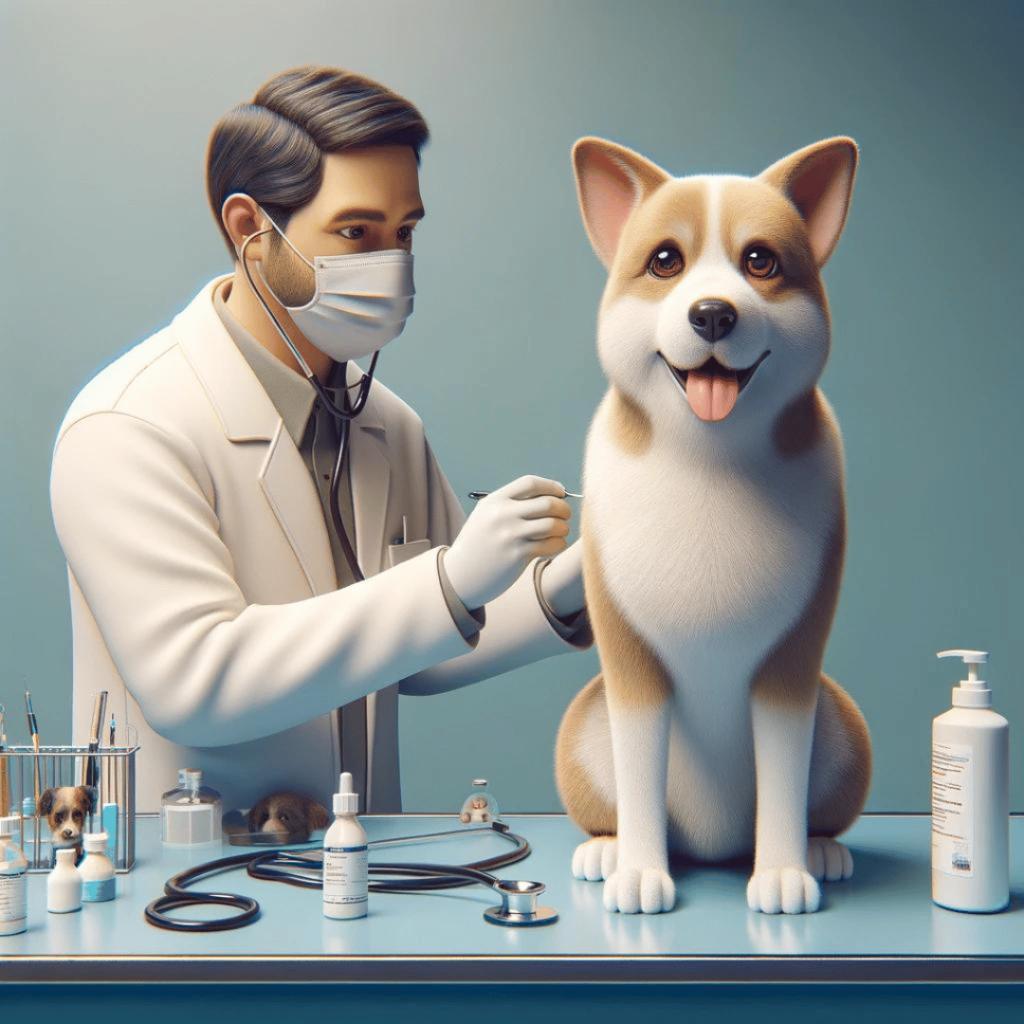
One of the central benefits of preventive health care is the ability to identify potential health issues before they escalate into serious conditions. Regular veterinary visits allow for physical examinations that can reveal underlying problems, such as heart murmurs, dental disease, or even tumors, often before symptoms become apparent. For example, during a routine check-up, a veterinarian might detect abnormal weight fluctuations in your pet, which can indicate issues such as thyroid disease or diabetes. By intervening early, owners can save their pets discomfort and potentially high medical costs down the line.
Shielding Against Infectious Diseases
Additionally, preventive care includes preventing the spread of infectious diseases through timely vaccinations. Vaccines protect pets from serious illnesses such as rabies, which is not only deadly but also a legal requirement for pets in most states, and parvovirus, which is highly contagious among dogs. Puppies can also be vaccinated against distemper, a virus that compromises their immune systems and can lead to severe complications. By keeping vaccinations up to date, pet owners are creating a safer environment for their animals and the community at large.
Nurturing a Healthy Lifestyle
Preventive care also extends to the everyday management of a pet’s health, focusing on ensuring a healthy lifestyle through regular monitoring of weight, nutrition, and exercise. Obesity in pets is a growing concern in the United States, with an estimated 56% of dogs and 60% of cats classified as overweight or obese. Regular check-ups provide pet owners with critical insights into their pet’s dietary needs and activity levels, which can significantly affect their long-term health. Simple changes, such as introducing a balanced diet or incorporating more playtime into daily routines, can make profound differences.
The Long-Term Benefits of Preventive Care
Research consistently shows that pets receiving consistent preventive care experience longer lifespans and fewer health complications. A study conducted by the American Animal Hospital Association revealed that pets with routine veterinary care not only live longer but also report an improved quality of life. Regular visits foster a stronger bond between pet and owner, as they also serve as an opportunity for owners to seek advice on behavioral issues or training tips.
As the old adage goes, an ounce of prevention is worth a pound of cure. Investing time and resources into preventive health care is not just a responsibility; it is a pathway to ensuring that our cherished companions live long, healthy, and fulfilled lives. The relationship we share with our pets is profound, and it deserves our dedication to their well-being.
DISCOVER MORE: Click here to learn about mindful eating for pets
Understanding the Framework of Preventive Health Care
Preventive health care is a multifaceted approach to managing your pet’s well-being, rooted in the philosophy that proactive measures can significantly reduce the risk of serious health problems. This approach hinges on two primary elements: vaccinations and regular check-ups. Together, these elements form a comprehensive shield against a multitude of risks that could jeopardize a pet’s health and happiness.
The Role of Vaccines
Vaccines are vital tools in preventive health care, providing immunity against diseases that can devastate both individual pets and broader animal populations. Here are some crucial vaccines that every pet owner should be aware of:
- Rabies: A preventable viral disease that affects the central nervous system, rabies is fatal without treatment and is mandated by law in many states.
- Distemper: This contagious viral illness affects dogs’ respiratory, gastrointestinal, and nervous systems and can have life-threatening consequences. Vaccination is essential, especially for puppies.
- Parvovirus: Known for its ease of transmission, parvovirus leads to severe gastrointestinal illness in dogs, particularly in unvaccinated or young puppies.
- Feline Leukemia: For cats, this virus can lead to cancer and severe immune deficiency. Vaccination is crucial, especially for outdoor cats or those in multi-cat households.
These vaccines work by stimulating the immune system to recognize and combat pathogens, providing your pets with a shield against debilitating diseases. The importance of vaccines cannot be overstated, particularly in an age where zoonotic diseases – those that can transfer between animals and humans – are on the rise. Thus, by vaccinating your pets, you contribute to community health, protecting your animals and those around you.
Regular Check-Ups: More Than Just a Visit
Regular veterinary check-ups go hand-in-hand with vaccinations, serving as a foundational element of preventive health care. These visits can be comprehensive and are typically recommended at least once a year, but they may be more frequent for older pets or those with known health issues. During these appointments, veterinarians perform a series of important evaluations, which can include:
- Physical examinations to identify any signs of illness early on.
- Blood tests to check for hidden diseases or conditions that may not yet present symptoms.
- Dental examinations to address any oral health concerns, crucial for overall health.
- Weight checks to prevent obesity and its associated health risks.
The advantages of these routine examinations are immense. They allow veterinarians to establish a health baseline for your pet, making it easier to spot changes that may indicate health issues. Moreover, regular visits create an opportunity for pet owners to ask questions regarding nutrition, behavior, and lifestyle, empowering them to make informed decisions about their pet’s care.
Ultimately, embracing preventive health care through vaccinations and regular check-ups is a commitment that pays dividends in the form of a longer, healthier, and happier life for pets. The earlier you embrace this mindset, the less likely you are to face unexpected health challenges, ensuring that your companion thrives for years to come.
| Category | Advantages |
|---|---|
| Vaccination | Prevents serious diseases: Vaccines protect pets from fatal conditions like rabies, parvovirus, and distemper. |
| Regular Check-Ups | Early detection of health issues: Routine visits help in identifying problems before they escalate, reducing long-term health costs. |
| Preventive Care | Improved longevity: Pets who receive preventive care often live longer, healthier lives, leading to a more enjoyable companionship. |
| Owner Awareness | Education on pet health: Regular veterinary visits provide valuable information on nutrition, behavior, and exercise, fostering overall pet wellness. |
Preventive health care significantly lowers the risk of severe illnesses and lays the groundwork for maintaining the overall well-being of pets, offering peace of mind to owners. By committing to vaccines and regular check-ups, pet owners actively participate in a proactive approach that not only enhances the duration of a pet’s life but promotes higher quality living. Engaging with veterinary professionals during these check-ups also equips owners with the tools and knowledge necessary to understand the intricate health needs of their furry companions, making a profound difference in their lives. This commitment to health fosters not just the physical well-being of pets but strengthens the bond between pets and their owners, creating a loving and nurturing environment.
DISCOVER MORE: Click here to learn how nutrition can keep your pets healthy
Beyond Vaccines: Additional Preventive Measures
While vaccines and regular check-ups are the cornerstones of preventive health care, the journey to maintaining optimal pet health does not stop there. Pet owners are encouraged to consider additional preventive measures that can safeguard their beloved companions from potential health risks and enhance their quality of life.
Parasite Prevention
Parasites such as fleas, ticks, and worms can have a significant impact on a pet’s health, causing a variety of ailments ranging from irritation to severe illnesses. Fleas can lead to skin infections, while ticks are notorious carriers of Lyme disease, which can be debilitating for both pets and humans. Regular treatment for these parasites is essential, especially in areas where they are prevalent.
- Flea and Tick Products: Many effective products are available today, including topical treatments, oral medications, and collars. Consult your veterinarian to determine the best option based on your pet’s lifestyle and health needs.
- Internal Parasite Control: Routine fecal exams and preventive deworming can help keep intestinal worms – such as roundworms and hookworms – at bay, ensuring your pet remains healthy and free from complications associated with parasite infections.
Nutritional Wellness
Nutrition plays a fundamental role in preventive health care. Providing a balanced diet, rich in essential nutrients, can build a strong immune system and reduce the risk of obesity-related diseases, such as diabetes and joint issues. As pet food options continue to evolve and expand, understanding your pet’s specific dietary needs is paramount.
- Customized Diets: Speak with your veterinarian about formulating a diet tailored to your pet’s age, weight, activity level, and any specific medical conditions. Nutritional needs can change as pets age, so staying informed is crucial.
- Supplements: In some cases, adding supplements like Omega fatty acids for skin health or glucosamine for joint support can enhance your pet’s well-being.
Dental Health
Oral health is often overlooked yet is incredibly important for a pet’s overall well-being. Poor dental hygiene can lead to periodontal disease, which is not only painful but can also result in severe systemic problems, including heart and kidney disease. Regular dental cleanings and at-home dental care are essential components of preventive health care.
- Professional Cleanings: Schedule routine dental check-ups with your veterinarian, who may recommend professional cleanings to keep your pet’s teeth and gums healthy.
- At-Home Care: Brushing your pet’s teeth regularly and providing dental chews or toys can promote oral hygiene. Your vet can recommend safe products designed for pets.
Emotional and Behavioral Health
Preventive health care isn’t solely about physical well-being; emotional and behavioral health is equally vital. Many pets experience anxiety or behavioral issues that can impede their quality of life. By addressing these concerns proactively, pet owners can foster a more harmonious environment for their companions.
- Behavioral Assessments: Work with veterinarians or pet behaviorists to identify and address any behavioral problems early on, such as anxiety or aggression.
- Enrichment Activities: Providing mental stimulation through regular exercise, interactive play, and socialization can prevent behavioral issues and promote overall happiness.
Investing in preventive health care through vaccines, regular check-ups, plus these supplementary actions, paves the way to a healthier life for pets. As responsible pet owners, it’s essential to remember that the love and care we provide today can significantly impact our pets’ well-being in the long term. The right preventive measures ensure that pets not only survive but thrive, filled with vitality and joy.
DISCOVER: Click here to learn about cutting-edge pet care innovations
Conclusion: A Commitment to Lifelong Health
In a world where our furry companions are integral parts of our families, understanding the importance of preventive health care in pets is vital for ensuring their well-being. Through timely vaccines and regular check-ups, we can significantly reduce the risk of serious illnesses, catching potential health issues early and managing them more effectively. But the journey towards optimal pet health extends beyond these foundational practices.
Engaging in parasite prevention, prioritizing nutritional wellness, maintaining dental health, and nurturing their emotional and behavioral well-being are equally important components of a holistic preventive strategy. By factoring in these aspects, pet owners can create an environment that not only prevents disease but also promotes a vibrant and fulfilling life for their pets.
It’s essential for pet owners to partner with their veterinarians, making tailored decisions that align with their pet’s unique health needs. This commitment to comprehensive care can lead to longer, healthier lives filled with joy and companionship. As we continue to promote wellness through preventive health care, remember that investing today shapes a brighter future for our pets, ensuring that they thrive in a world filled with love and care. By taking proactive steps, we begin to forge a lifelong journey of health and happiness for our cherished companions.