Positive Reinforcement: The Key to Successful Dog Training
The Mechanisms and Benefits of Positive Reinforcement
In the realm of canine training, there is a transformative approach that has gained widespread recognition for its effectiveness: positive reinforcement. This training methodology not only bolsters the relationship between a dog and its owner but also cultivates an atmosphere conducive to learning and growth. By favoring rewards over punishment, positive reinforcement motivates dogs to engage in desirable behaviors willingly.
What Makes Positive Reinforcement Effective?
- Boosts Confidence: Notably, when dogs receive positive feedback for their actions, they develop a sense of trust in their owners and feel more secure in their environment. This increased confidence can lead to the dog being more adventurous and socially open, reducing anxiety-related issues.
- Enhances Learning: Dogs flourish in settings where they associate training with enjoyable experiences. For instance, a puppy that receives praise after sitting on command is more likely to be eager to learn new tricks in the future, fostering a lifelong love for learning.
- Encourages Good Behavior: The incentive of rewards, whether tangible or intangible, drives dogs to repeat good actions. For example, a dog that receives a treat for lying down will remember the associated behavior, increasing the likelihood that it will obey the same command in the future.
Many dog trainers and behavioral specialists endorse this method, pointing to ample advantages it brings. Research indicates that dogs trained with positive reinforcement techniques not only retain commands more effectively but also exhibit fewer behavioral issues such as barking excessively or displaying aggression. This method has been corroborated through various studies, showing that dogs trained with positive reinforcement demonstrate higher levels of obedience and less resistance to commands.
Examples of Positive Reinforcement Techniques
- Treats: One of the most common forms of positive reinforcement, offering a favorite snack immediately after a desired behavior encourages dogs to repeat those actions. For instance, using small, low-calorie treats can make training rewarding without leading to excessive weight gain.
- Praise: Verbal encouragement and affectionate gestures serve as powerful motivators for dogs. When a dog sees its owner’s face light up with joy after successfully following a command, that emotional connection strengthens the learning experience.
- Playtime: Engaging in a fun activity post-training fosters excitement for learning. A quick game of fetch or tug-of-war serves as a reward and effectively reinforces the bond between owner and pet.
By embracing positive reinforcement, dog owners open the door to a training methodology that is gratifying for both parties. Beyond merely teaching a dog tricks, this approach fosters trust and connection, laying a solid foundation for future interactions. As this training method gains traction, it invites dog owners to consider the long-term benefits that come with encouraging their pets in a positive light. With a plethora of techniques and the wealth of knowledge available, exploring the advantages of positive reinforcement can indeed become a pivotal shift in effective dog training.
DISCOVER MORE: Click here to learn how to find the perfect shelter for pet adoption
Understanding the Science Behind Positive Reinforcement
To appreciate the depth of positive reinforcement in dog training, one must first understand the underlying principles that make it effective. At its core, positive reinforcement is grounded in behavioral psychology—a discipline that emphasizes the power of rewards in shaping behavior. This training technique operates on the principle that behaviors followed by satisfying consequences tend to be repeated. In essence, the key to successful dog training lies not in what dogs lose when they misbehave, but in what they gain when they do well.
The Role of Timing and Consistency
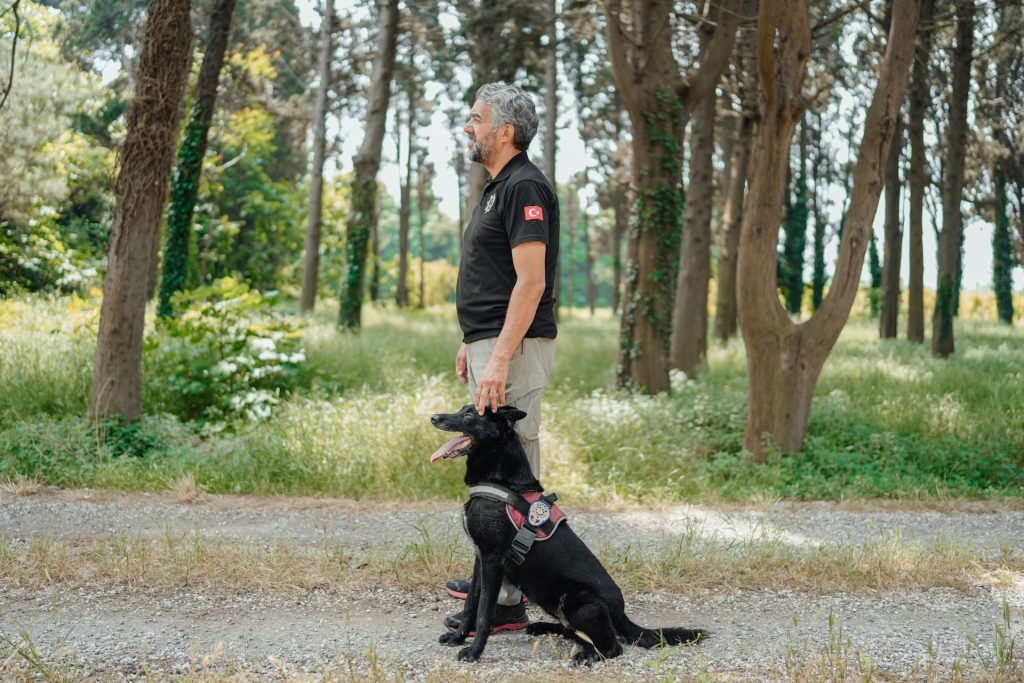
In the practice of positive reinforcement, timing plays a critical role. For a reward to be most effective, it should be delivered immediately after the desired behavior. This allows the dog to make a clear connection between the action and the positive outcome. Additionally, consistency in using rewards is essential. Every time a dog performs a desired action, it should receive reinforcement—be it a treat, praise, or playtime—to solidify that behavior. Over time, this consistency leads to reliable responses from the dog and establishes a strong behavior pattern.
Types of Rewards in Positive Reinforcement
Understanding the various types of rewards can further enhance the training experience. Below are some notable forms of positive reinforcement:
- Tangible Rewards: This commonly includes food treats, toys, or even a special chew item. Offering a favorite treat when a dog complies with a command not only reinforces learning but also builds anticipation and excitement for future training sessions.
- Social Rewards: Dogs are inherently social creatures, and human interactions can be powerful motivators. Praise, petting, and happy verbal affirmations can significantly strengthen a dog’s desire to engage in desired behaviors.
- Environmental Rewards: Allowing a dog to roam freely in a safe space, giving them access to a specific toy, or letting them join in on family activities serves as an effective reward as well. This form of reinforcement promotes positive associations with the environment and can lead to a more well-adjusted pet.
Moreover, utilizing a combination of these rewards can enhance training effectiveness. Many professional trainers recommend varying the type of rewards used to maintain the dog’s interest. A dog may become less motivated if they receive the same treat repeatedly, whereas alternating between treats, praise, and play keeps the dog engaged and eager to learn. It’s about creating a dynamic environment that stimulates both mind and body.
Common Misconceptions About Positive Reinforcement
Despite its numerous benefits, misconceptions persist regarding positive reinforcement. One prevalent myth is that this method lacks effectiveness compared to punishment-based training. However, substantial evidence and testimonial accounts from training professionals consistently highlight that dogs trained with positive reinforcement achieve strong, lasting results. Additionally, it is important to understand that positive reinforcement does not mean indulgence. It’s crucial to promote good behavior without reinforcing bad habits, which can be achieved through proper training techniques.
As dog owners devote time to fostering skills in their pets, understanding the science, techniques, and misconceptions surrounding positive reinforcement is paramount. This depth of knowledge empowers owners to create a successful training environment, fostering a strong bond that enhances both the dog’s and owner’s lives.
| Advantage | Description |
|---|---|
| Strengthens Bond | Using positive reinforcement builds a trusting relationship between the owner and the dog, fostering emotional connections. |
| Enhances Learning | Dogs trained with rewards tend to learn commands quicker and remember them longer, resulting in a well-behaved pet. |
| Reduces Stress | Training methods focused on positive actions are less stressful, encouraging a more relaxed learning environment. |
| Promotes Motivation | Rewarding good behavior keeps dogs eager to learn and participate, allowing for continuous engagement in training sessions. |
The proven principles of positive reinforcement offer numerous benefits in the journey of dog training, reinforcing not just commands but also mutual respect and affection between dog and owner. Understanding these advantages can pave the way for effective training strategies, ultimately leading to a harmonious relationship. By incorporating rewarding experiences during training, not only do dogs benefit from skill acquisition, but they also thrive within a well-structured environment that values their well-being and happiness. Through various techniques like treats, praise, and play, the positive reinforcement approach creates lasting impressions on canine behavior, nurturing their development into well-adjusted companions. Explore these concepts further to enrich your dog training journey.
DISCOVER MORE: Click here to enhance your puppy’s social skills!
Incorporating Positive Reinforcement into Everyday Training
Integrating positive reinforcement into your daily interaction with your dog is essential for successful training and a healthy relationship. This approach should not be confined to structured training sessions but rather expand to include everyday activities, reinforcing good behavior in all contexts. The more opportunities a dog has to experience positive reinforcement, the more solidified their understanding of desired behaviors becomes.
Setting the Stage for Success
Creating an environment conducive to successful training is vital. This includes eliminating distractions that can deter a dog’s focus. A quiet and familiar location is optimal for initial training, gradually introducing distractions as your dog progresses. For instance, beginning indoors in a calm room before venturing outside to a park allows for a smoother transition and greater focus on learning.
Similarly, the use of a clicker can enhance training sessions. Clicker training is a popular method that involves using a distinct sound to mark the precise moment a dog performs the desired behavior. Coupling the click with immediate reinforcement solidifies the connection in a dog’s mind, accelerating their ability to learn new commands or tricks quickly.
Building a Strong Foundation with Basic Commands
Starting with essential commands such as “sit,” “stay,” and “come” lays the groundwork for more complex training later. These fundamental commands not only promote safety but also foster good manners. For example, teaching a dog to sit before receiving food or attention reinforces patience, helping the dog learn impulse control. Every successful response should be met with immediate positive reinforcement, whether through treats, praise, or playtime.
The Importance of Socialization
Socialization is another critical aspect that goes hand-in-hand with positive reinforcement. Introducing your dog to different people, environments, and other dogs while similarly reinforcing positive behaviors is crucial. This exposure helps combat fear or aggression towards unfamiliar situations later in life. For instance, reward your dog with treats or praise when they calmly interact with a new person or another dog, establishing positive associations with new social experiences.
Overcoming Challenges with Positive Reinforcement
Not every training experience will be straightforward; challenges can arise as dogs test boundaries or struggle with specific commands. During these moments, it is essential to remain patient and avoid frustration. Returning to the basics and reinforcing previously learned behaviors can aid in overcoming obstacles. If a dog does not respond correctly to a command, re-evaluating the situation—asking if they are overly distracted or bored—can provide insight into how to modify the approach or the reward used.
Building on your dog’s successes gradually and remaining consistent in reinforcement will foster resilience and eagerness in your pet. For example, if a dog struggles with staying in place, breaking the training down into smaller steps, rewarding them for each subsequent success, can prevent discouragement and instill confidence.
The Power of Engaging Activities
Incorporating fun activities into training sessions can also revolutionize the reinforcement process. Engage in games like fetch or hide-and-seek that reinforce commands in a lively manner. For instance, playing hide-and-seek by having your dog stay while you hide can turn training into a pleasurable activity, reinforcing the “stay” command while simultaneously providing a thrilling challenge.
In summary, positive reinforcement transcends mere training. It fosters trust, encourages a deeper bond between dog and owner, and creates an overall enjoyable environment for learning. As both owner and dog navigate through training, the reward-based approach proves to be an enriching experience that pays dividends in a better-behaved and happier pet.
DISCOVER MORE: Click here to find your perfect pet shelter
Conclusion: The Transformative Power of Positive Reinforcement
In the realm of dog training, positive reinforcement stands as a cornerstone for cultivating both obedience and trust. This method not only motivates dogs to learn but also strengthens the bond between pet and owner, fostering a loving relationship built on mutual understanding. By incorporating rewards and praise during training sessions, dog owners can facilitate a learning environment where their pets thrive, both academically and socially.
The integration of positive reinforcement throughout daily interactions with your dog serves to reinforce good behaviors across various situations, ensuring lasting lessons beyond the confines of structured training. Whether utilizing clicker training or engaging in interactive games, each moment spent reinforcing desirable behaviors lays the groundwork for an obedient companion.
Moreover, socialization through positive experiences is paramount in creating well-adjusted canines that navigate the world with confidence. By rewarding calm and friendly interactions, you contribute to a more balanced emotional state in your dog, reducing the likelihood of anxious or aggressive behaviors in unfamiliar situations.
When challenges arise during the training process, patience and consistency are essential to healthily navigate these hurdles. Embracing setbacks as opportunities for growth not only enhances your dog’s learning experience but also fosters a resilient mindset that can ultimately lead to long-term behavioral success.
In conclusion, adopting positive reinforcement as the primary training method yields a multitude of benefits for both dogs and their owners. It transforms the learning process into a rewarding adventure filled with joy and connection. Give your furry friend the gift of positive reinforcement, and watch as they flourish into the companion you’ve always envisioned.