How Nutrition Affects Pet Health
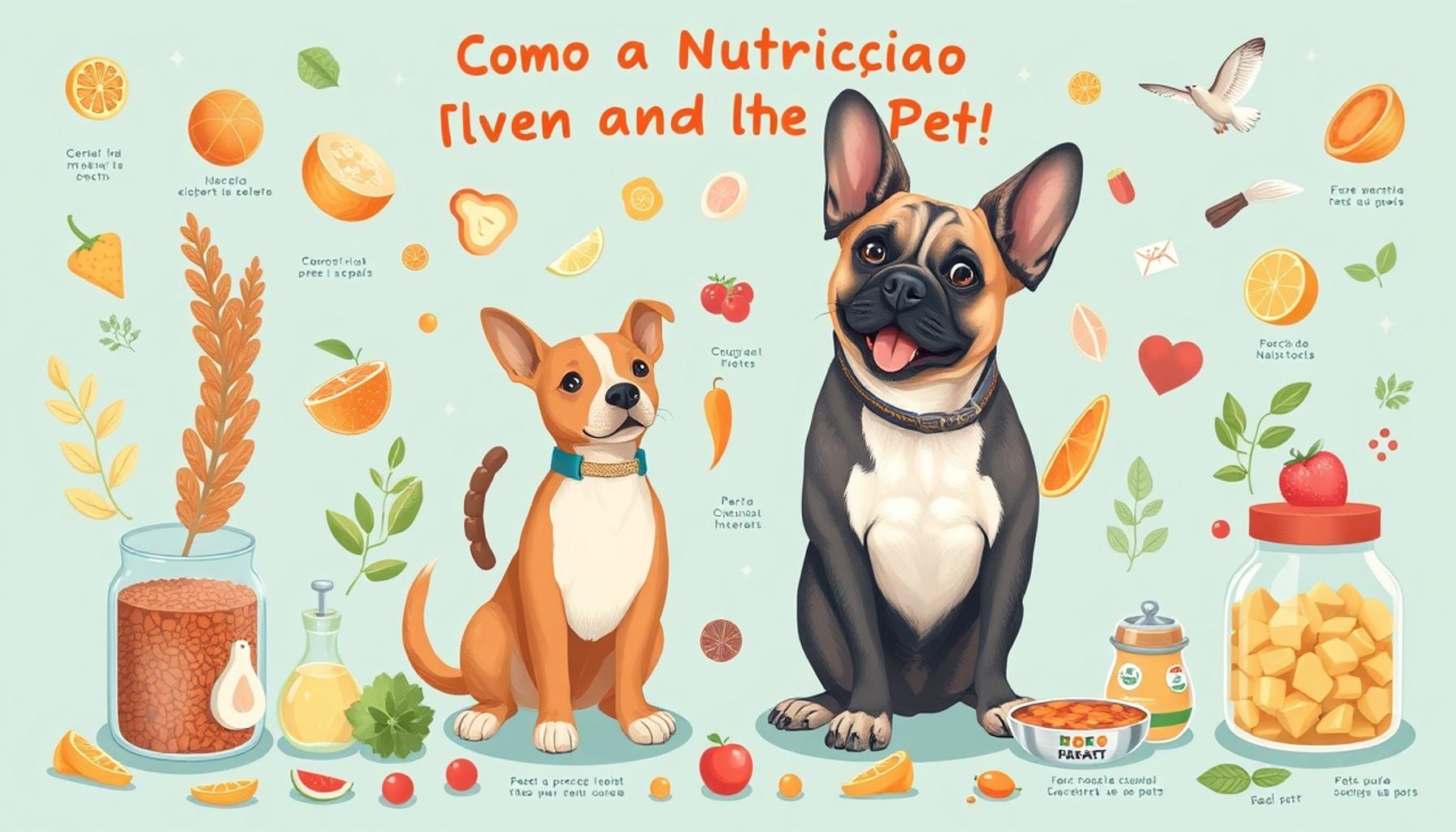
Exploring the Intricate Link Between Nutrition and Pet Health
Nutrition is not just about filling your pet’s bowl with food; it’s a vital component that influences every aspect of their well-being. From their daily energy levels to their overall longevity, the nutritional choices you make can create a ripple effect in your pet’s health journey. In fact, a well-balanced and appropriate diet can empower your pet’s immune system, foster growth and development, and even positively impact their mood and behavior. Understanding the significance of these choices can lead to a deeper appreciation of how nutrition shapes your pet’s overall health.
To understand the cornerstone of pet health, it is essential to reflect on several key factors:
- Quality of Ingredients: Not all pet foods are crafted equally. For instance, premium pet foods often contain higher concentrations of real meat, vegetables, and wholesome grains, which contribute to better health outcomes. By contrast, lower-quality brands may use fillers and artificial preservatives that can detract from your pet’s health.
- Dietary Needs: Each pet has unique nutritional requirements that vary with factors like age, breed, and activity level. Puppies require nutrient-dense diets to support their rapid growth, while senior pets may benefit from foods formulated for joint health and lower calorie content to prevent obesity.
- Long-term Health: A balanced diet plays a significant role in preventing chronic conditions like obesity, diabetes, and skin ailments. For example, a diet high in omega-3 fatty acids can enhance coat health and reduce inflammation, potentially thwarting skin allergies.
Moreover, knowledge of how specific components of pet food affect health is crucial. For instance:
- Proteins: These are the building blocks of your pet’s body, essential for muscle development and repair. Look for sources like chicken, beef, or fish, which provide high-quality protein to support your pet’s vitality.
- Fats: Healthy fats are critical for energy production and contribute to a shiny, healthy coat. Ingredients like fish oil or chicken fat are excellent sources of essential fatty acids.
- Vitamins and Minerals: These micronutrients are vital for numerous biochemical processes in the body, affecting everything from immune function to bone health. For example, vitamin E and selenium play crucial roles in maintaining a healthy immune system for your furry companion.
As conscious pet owners, staying informed about your pet’s nutritional needs is paramount. Nutrition impacts not only their physical health but also their emotional well-being. Inadequate nutrition can lead to behavioral issues stemming from discomfort or illness. By making meticulous and educated dietary choices, you can help ensure your pet not only survives but thrives, leading a vibrant and happy life.
Consider consulting with a veterinarian to develop a tailored nutrition plan that meets your pet’s unique needs, and remember, the journey to optimal pet health begins with the food they consume.
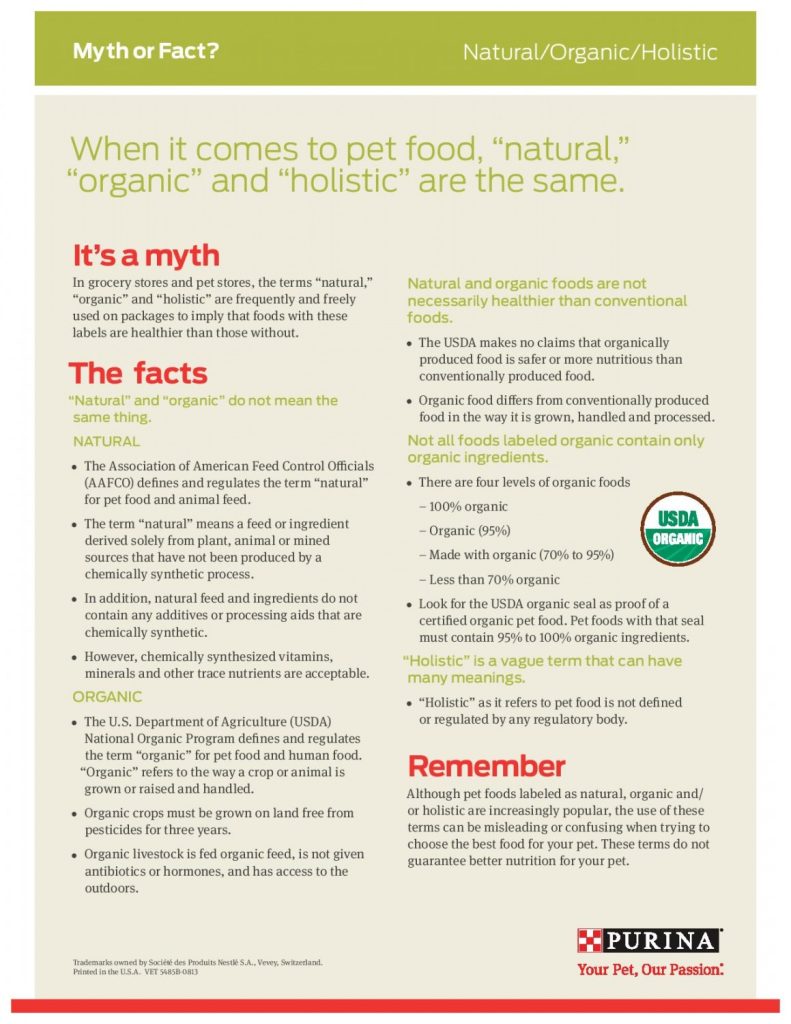
DON’T MISS: Click here to learn more about nutrition’s impact on your pets’ well-being
The Critical Role of Nutrients in Pet Wellness
Understanding how nutrition affects pet health begins with recognizing the essential nutrients that form the foundation of your pet’s diet. Each component performs specific functions that contribute to overall health, making it vital to select foods that provide a balanced array of these nutrients. Macronutrients such as proteins, fats, and carbohydrates, along with micronutrients like vitamins and minerals, play significant roles in supporting your pet’s well-being.
Let’s dive deeper into the essential nutrients crucial for your pet’s health:
- Proteins: As one of the most vital macronutrients, proteins are essential for growth, repair, and maintenance of tissues. They play a critical role in building muscles and supporting a healthy immune system. Animals require certain amino acids from proteins that cannot be synthesized in their bodies, which is why sourcing high-quality proteins like chicken, beef, and fish is imperative.
- Fats: Often misunderstood, fats are a powerhouse of energy and are necessary for absorbing fat-soluble vitamins (A, D, E, K). Healthy fats such as those derived from fish oil and poultry fat not only provide essential fatty acids but also contribute to a glossy coat and healthy skin. Moreover, they have roles in reducing inflammation and supporting cognitive functions.
- Carbohydrates: Though often debated in pet nutrition, carbohydrates can provide a quick source of energy and aid in digestive health through fiber. Ingredients such as sweet potatoes and peas offer nutrient density to the diet, as they are often packed with vitamins as well.
In addition to these macronutrients, vitamins and minerals ought to be included in your pet’s dietary plan. Vitamins, including B-complex vitamins, assist in metabolism processes while minerals such as calcium and phosphate are crucial for strong bones and teeth. The right balance of calcium to phosphorus in your pet’s diet is particularly important for growing puppies and kittens to prevent developmental skeletal issues.
Furthermore, many pet owners overlook the impact of water, arguably the most important nutrient. Hydration is paramount for the physiological processes in pets and aids in digestion, nutrient absorption, and temperature regulation. Make sure your pet has access to fresh water at all times, as dehydration can lead to serious health complications.
The nutritional landscape can be complex, and it’s justified to ask questions around quality versus price when choosing a pet food brand. High-quality pet food might come at a premium, but the reduced risk of health problems and increased lifespan typically warrant the investment. The phrase “you get what you pay for” rings exceptionally true in the pet food industry.
Ultimately, the journey to better pet health lies in the proactive approach towards understanding and implementing proper nutrition. A tailored diet based on your pet’s specific needs can make all the difference, fostering a long, healthy, and happy life.
| Nutritional Components | Health Benefits |
|---|---|
| Proteins & Amino Acids | Critical for muscle development and tissue repair, protein sources such as chicken and fish are essential for your pet’s overall health. |
| Vitamins & Minerals | Vitamins like A, C, and E support immune function, while minerals build strong bones and teeth, ensuring long-term wellness. |
| Fatty Acids | Omega-3 and Omega-6 fatty acids improve skin and coat condition, along with cognitive function in older pets. |
| Fiber | Aids in digestion and helps prevent obesity; a high-fiber diet can stabilize blood sugar and enhance gut health. |
Pet owners are continuously discovering that the right diet not only supports basic health, but can also reduce the occurrence of chronic conditions, such as obesity and diabetes. Nutrition plays a pivotal role in preventive care, providing your furry friends with the tools they need for a healthier life. Incorporating a balanced diet tailored to your pet’s specific needs promotes longevity and a better quality of life. Therefore, it’s imperative to consult with a veterinarian, ensuring that dietary choices meet the unique requirements based on age, breed, and any existing health issues. Focusing on a nutritionally rich diet can be the key to unlocking the full potential of your pet’s health and well-being.
DISCOVER MORE: Click here for essential pet health tips
The Impact of Nutrition on Chronic Diseases and Lifespan
The influence of nutrition extends well beyond immediate health benefits, significantly impacting the long-term wellness of pets and their susceptibility to chronic diseases. Many health issues in pets, such as obesity, diabetes, and certain types of cancer, can often be traced back to poor dietary choices. Understanding these connections empowers pet owners to make informed decisions that promote a longer, healthier life for their furry companions.
One of the most prevalent concerns among pets in America is obesity. According to the Association for Pet Obesity Prevention, an estimated 56% of dogs and 60% of cats in the U.S. are overweight or obese. This condition arises largely from an imbalance between caloric intake and energy expenditure, stemming from the consumption of calorie-dense foods laden with fillers and low nutritional value. Obesity not only diminishes quality of life but also increases the risks of serious health issues, such as joint problems, heart disease, and metabolic disorders. A nutrient-rich, appropriately portioned diet combined with regular exercise can help maintain optimal body weight and prevent these complications.
Another chronic health condition intimately linked to nutrition is diabetes. This disease occurs when the body fails to properly regulate blood sugar levels, often due to poor diet, obesity, and lack of exercise. Choosing high-quality carbohydrates that promote steady blood sugar levels and selecting a diet low in simple sugars can help mitigate the risks of developing diabetes. Regular consultations with veterinarians can help tailor dietary plans that suit your pet’s specific needs, supporting stable glucose levels.
Dental health is another critical aspect that nutrition directly influences. Pets are prone to dental diseases that not only lead to bad breath but can also result in serious infections and systemic health problems. Dry kibble diets, specifically formulated dental chews, and crunchy fruits and vegetables can help reduce tartar buildup and promote oral hygiene. Additionally, incorporating dental cleanings into the regular vet care routine ensures that good dietary choices lead to lasting dental health.
Nutrition is also vital in disease prevention, particularly in regard to cancer. Some diets may contribute to the growth of cancer cells, while others may help fend off this devastating disease. Research indicates that diets rich in antioxidants, omega fatty acids, and certain vitamins may play protective roles against various cancers. Ingredients such as blueberries, broccoli, and fish can provide these beneficial properties, pushing pet owners to be mindful of their pets’ food choices through every life stage.
Finally, the impact of nutrition on your pet’s lifespan cannot be overlooked. Studies have demonstrated that pets fed a balanced diet with high-quality ingredients tend to live longer and experience fewer health problems. This correlation highlights the importance of investing in the right nutritional choices for your pets, emphasizing that proper nourishment is an integral component of their overall well-being.
As pet owners, cultivating an awareness of how nutrition directly affects pet health is a continual journey. It involves not only offering a balanced diet rich in essential nutrients but also keeping abreast of new research and dietary trends that could have an impact. By championing a proactive approach towards nutritional choices, pet owners can unlock the door to an energetic, lively life reminiscent of their pet’s joyful spirit.
DON’T MISS: Click here to learn how to choose the perfect pet for your lifestyle</p
Conclusion
In summary, nutrition plays a foundational role in the overall health and well-being of our pets. The right dietary choices not only combat obesity and diabetes but also impact dental health, enhance disease resistance, and may even contribute to a longer lifespan. The alarming statistics regarding the prevalence of obesity in pets underscore the urgent need for pet owners to prioritize balanced nutrition. By selecting high-quality foods and portioning meals appropriately, pet owners can significantly reduce the risk of chronic health issues while promoting vitality and longevity.
As research continues to evolve, it becomes increasingly evident that nutritional choices must adapt to the individual needs of our pets, factoring in their species, age, and lifestyle. This journey involves continuous education and awareness; from understanding the importance of ingredients like antioxidants and omega fatty acids to recognizing which foods might contribute to health problems, pet owners must remain engaged. Regular consultations with veterinarians can further enhance this understanding, ensuring that pets receive tailored diet plans that support their unique health requirements.
Ultimately, fostering a proactive approach toward nutrition not only enhances the quality of life for pets but also strengthens the bond between them and their human companions. The commitment to educated feeding practices and mindful choices heralds a brighter, healthier future for pets, underscoring that their well-being is deeply intertwined with what sustains them. As responsible pet caretakers, let us champion the importance of nutrition and strive to cultivate a healthier, happier existence for our loyal friends.