Preventive Care Why Regular Vet Visits Are Key for Pet Health
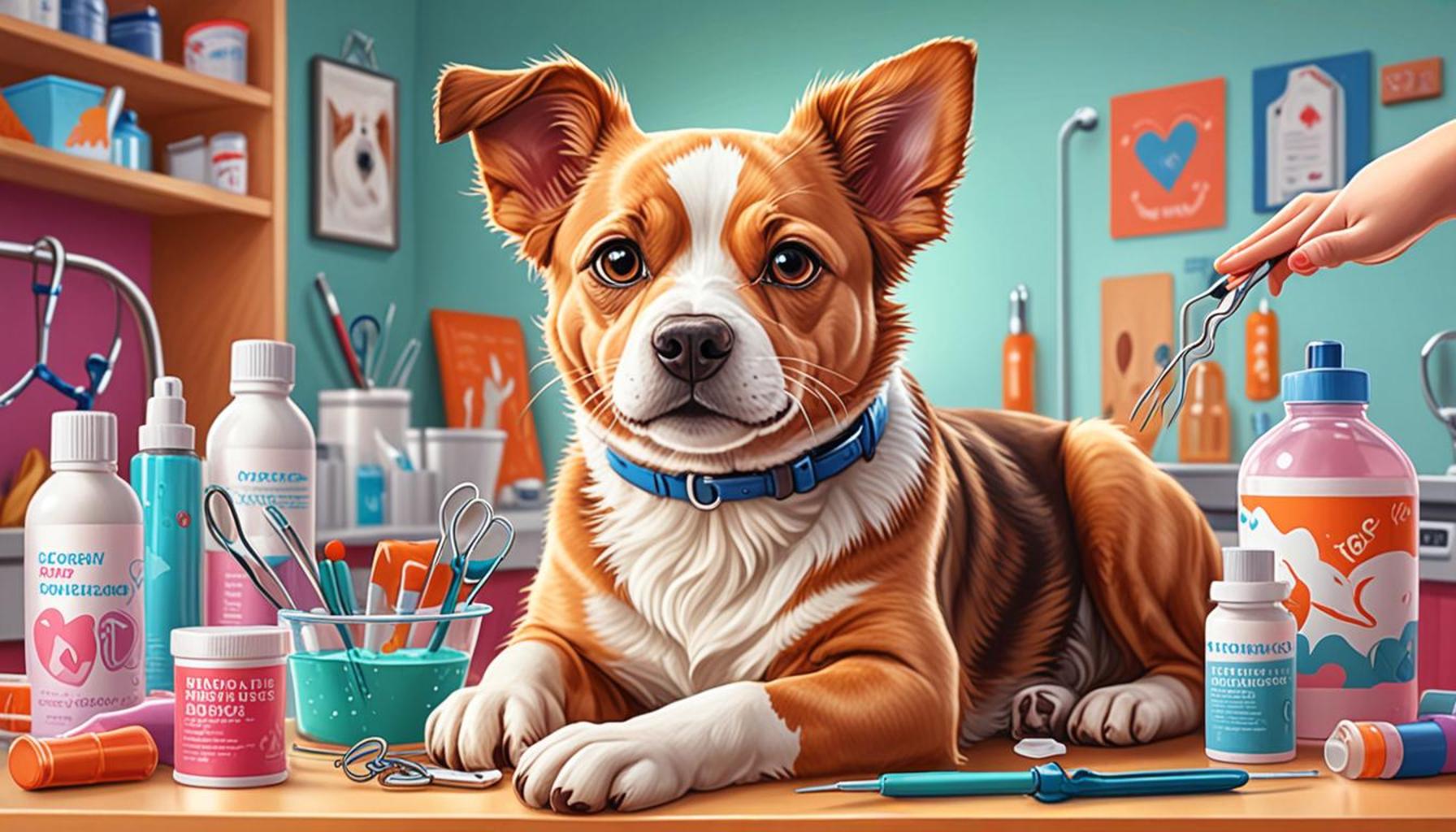
Regular veterinary check-ups are essential for maintaining the overall health and well-being of our beloved pets. These consultations serve as a proactive approach that can help identify potential health issues before they become serious problems. The importance of preventive care cannot be overstated, as it can lead to a longer, happier life for our furry companions.
Consider the following reasons why regular vet visits are crucial:
- Early detection of diseases: Routine examinations can uncover hidden health concerns.
- Vaccinations: Stay up-to-date on essential immunizations to protect against infectious diseases.
- Dental health: Regular check-ups can lead to better oral hygiene and prevent dental disease.
- Nutritional advice: Vets can provide guidance on a balanced diet tailored to your pet’s needs.
- Parasite control: Consistent monitoring can help manage and prevent infestations.
In this article, we will explore the Top 5 reasons why regular veterinary visits are indispensable to your pet’s health. Understanding these key points will empower pet owners to take proactive steps in ensuring their pets lead healthy and fulfilling lives.
Top 5: The Importance of Regular Veterinary Check-ups for Your Pet’s Health
Taking care of a pet involves much more than just ensuring they have food and shelter. It encompasses a comprehensive approach that considers their physical, emotional, and mental well-being. One of the most critical components of responsible pet ownership is ensuring regular veterinary check-ups. These routine visits serve as a cornerstone for preventive care, significantly enhancing the longevity and quality of life for your furry companions. In this article, we explore the top five reasons why regular veterinary consultations are indispensable for your pet’s health.
5. Early Detection of Diseases
Regular veterinary check-ups facilitate the early detection of various health issues. In many cases, pets may seem healthy on the surface, yet harbor underlying conditions that could escalate if left unchecked. Diseases such as dental problems, kidney issues, or tumors often progress silently without noticeable symptoms until they reach a more advanced stage.
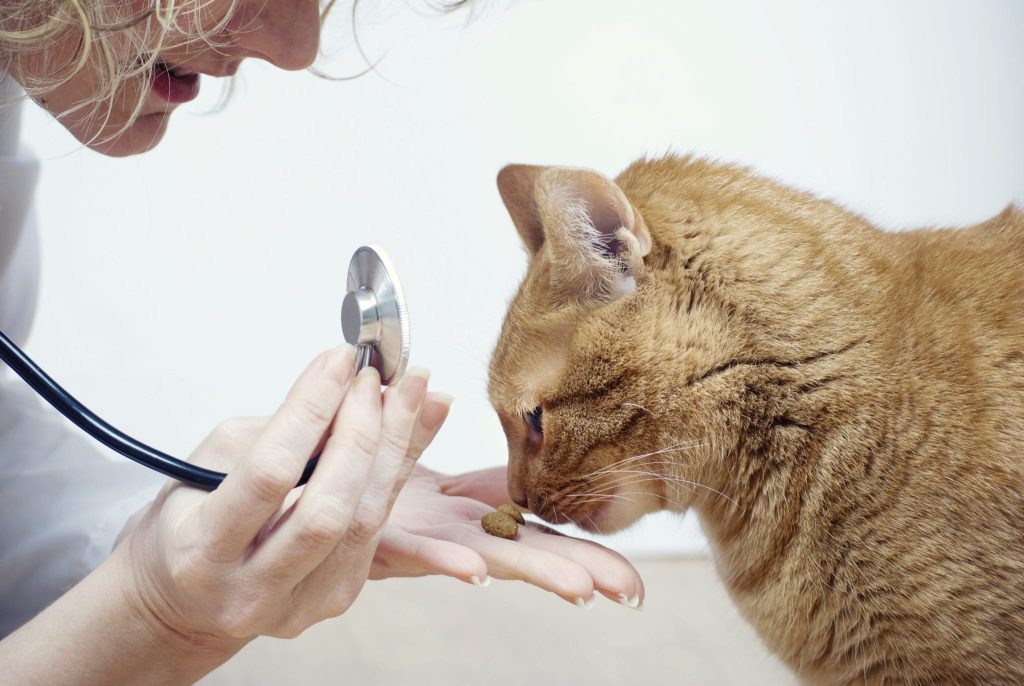
During routine examinations, veterinarians conduct various screenings and tests that allow them to identify potential health risks at an early stage. For instance, lab tests can reveal imbalances in blood chemistry that may indicate the onset of kidney disease. Early detection not only saves on future medical expenses but also offers a better prognosis and a more effective treatment plan for your pet.
4. Vaccination and Preventive Medications
Vaccinations form a critical part of your pet’s health care plan. They protect against serious diseases like rabies, distemper, parvovirus in dogs, as well as feline leukemia and rabies in cats. In regions with specific endemic diseases, timely vaccinations can be lifesaving.
Beyond vaccinations, veterinarians also prescribe preventive medications for parasites. Flea and tick infestations can lead to a variety of issues, including skin infections and Lyme disease, while heartworm is a potentially fatal condition transmitted by mosquitoes. Regular consultations keep pet owners informed of the latest preventive protocols, thus ensuring your pet is continually protected against these risks.
3. Nutrition and Weight Management
While pets may appear healthy due to their playful nature, effective nutrition and weight management are crucial for long-term health. Obesity has become an increasingly common issue among pets, leading to conditions such as diabetes, joint problems, and cardiovascular diseases.
During veterinary visits, your animal’s weight and diet are meticulously assessed. Veterinarians leverage their expertise to provide dietary recommendations tailored to your pet’s specific needs, taking into account factors such as age, breed, and activity level. Through collaborative goal-setting and regular monitoring, pet owners can effectively manage their pet’s weight, ensuring they maintain a healthy lifestyle and reduce the risk of chronic diseases.
2. Behavioral Assessment
Regular vet visits extend beyond physical health checks to include assessments of your pet’s behavior. Unexpected behaviors such as aggression, anxiety, or compulsive habits might be indicative of underlying health issues. For example, a sudden change in behavior might signal pain or discomfort from an undiagnosed medical condition.
Veterinarians assess these behaviors to discern whether they stem from health problems or are reactions to environmental stimuli. By understanding the root causes, they can work with you to craft effective management or treatment plans. Addressing behavioral issues is pivotal for improving your pet’s quality of life, helping them become well-adjusted and content in their environment.
1. Building a Stronger Bond with Your Vet
One of the most compelling benefits of regular check-ups is developing a strong, trusting relationship with your veterinarian. Having a consistent veterinary provider familiar with your pet’s history, personality, and specific care needs results in personalized and comprehensive care.
This relationship encourages open communication, making it easier for pet owners to seek advice and follow medical recommendations. A familiar veterinarian is more adept at noticing subtle changes in your pet’s health over time, which could be missed by a new vet. Ensuring continuity of care through a trusted veterinary relationship strengthens the safety net around your pet’s health and contributes to their overall well-being.
Conclusion
Ultimately, prioritizing regular veterinary check-ups is a critical component of pet care. They enable early disease detection, ensure timely vaccinations, provide guidance on nutrition and behavior, and foster a trusting relationship between you and your vet. These preventive measures not only aim to enhance your pet’s current health status but also lay the foundation for a long, happy, and healthy life.
The significance of maintaining a regular schedule of veterinary visits cannot be overstated. So, as you consider your pet’s health care routine, remember that each appointment is a vital step towards safeguarding their well-being. Don’t wait any longer; schedule that appointment today and invest in your pet’s health for a brighter tomorrow!
| Category | Importance |
|---|---|
| Routine Health Checks | Regular veterinary visits enable early detection of health issues, allowing for timely intervention that can prevent serious conditions or complications. This proactive approach can save both emotional distress and financial costs down the line. |
| Vaccination Updates | Keeping pets updated on vaccinations is crucial for disease prevention. Routine veterinary consultations help ensure that pets are protected against viral and bacterial infections, significantly lowering the risk of outbreaks in the home or community. |
| Parasite Control | Regular check-ups provide an opportunity for veterinarians to assess and implement effective parasite control measures. This includes prevention against fleas, ticks, and worms, which can severely affect a pet’s health and happiness if left unchecked. |
| Dental Health Assessments | Veterinary visits often include dental health evaluations, which are essential for preventing oral diseases that can lead to more severe health issues. Routine assessments help maintain good dental hygiene, enhancing a pet’s quality of life. |
Regular veterinary consultations hold invaluable significance in the journey of maintaining optimal health for pets. Each of the categories outlined above provides a crucial function aimed at enhancing longevity and well-being, empowering pet owners with knowledge and resources necessary for fostering a thriving pet environment. By elevating the priority surrounding veterinary care, we not only protect our furry companions but also enrich our lives through the bond we share with them.
Frequently Asked Questions about Preventive Care and Regular Veterinary Visits for Pets
Why are regular veterinary visits important for my pet’s health?
Regular veterinary visits are crucial because they help in the early detection of potential health issues, which can significantly increase the chances of successful treatment. During these visits, veterinarians can perform comprehensive check-ups and administer necessary vaccinations. This proactive approach ensures that your pet maintains a healthy lifestyle, potentially increasing their lifespan. Remember, early intervention and prevention are key components in maintaining your pet’s well-being.
How often should I take my pet to the vet for check-ups?
The frequency of veterinary visits can depend on various factors such as your pet’s age, breed, and pre-existing health conditions. Generally, a minimum of one to two visits annually is recommended for most pets. Puppies and kittens, as well as senior animals, may require more frequent visits to monitor their growth and manage any age-related issues. Your veterinarian can provide a personalized schedule that best suits your pet’s needs.
What types of preventive care services are provided during these visits?
Preventive care services can include a broad range of examinations and treatments. These typically involve physical exams, dental check-ups, vaccinations, and parasite control. Your vet might also conduct blood tests to screen for potential health issues. An often overlooked aspect is nutritional and behavioral advice, helping to support your pet’s overall health. Holistic care is essential for a balanced pet lifestyle.
What are the signs that indicate my pet needs an immediate visit to the veterinarian?
Pets often hide signs of discomfort until it becomes severe. Therefore, it’s crucial to be aware of subtle changes in behavior, appetite, or energy levels. If you notice symptoms like persistent vomiting, diarrhea, difficulty breathing, unusual aggression, or lethargy, it is advisable to seek veterinary attention immediately. Additionally, if your pet sustains an injury, even a seemingly minor one, consulting your vet ensures prompt and safe treatment.
Can regular veterinary visits save money in the long run?
Indeed, preventive care can be a cost-effective strategy. Addressing health issues early can prevent the development of severe conditions that may require expensive treatments or surgeries. By investing in routine exams and vaccinations, pet owners may avoid the financial burden associated with emergency care. Prevention is not just better, but often cheaper than cure.
Conclusion: The Pivotal Role of Regular Veterinary Visits
In summary, the vitality and well-being of our beloved pets hinge significantly on the proactive measures we take to ensure their health. As outlined in our discussion, regular veterinary consultations are not merely a routine task; they are a cornerstone of preventive healthcare. By meticulously monitoring the growth, physical condition, and behavioral changes of pets, veterinarians can detect potential health issues before they escalate.
We highlighted the importance of early diagnosis, which plays a crucial role in managing conditions that could otherwise severely impact a pet’s quality of life. Through routine examinations, vaccinations, and parasite control, we safeguard our pets against a multitude of preventable diseases. Furthermore, the ability of veterinarians to use advanced technology and diagnostic tools allows for more accurate assessments, thereby providing peace of mind to pet owners knowing that their animals are in optimum health.
A deeper understanding of the nutritional and environmental needs of pets is another benefit of these regular check-ups. Veterinarians offer tailored advice, ensuring pet owners can provide the best possible care tailored to their pet’s specific requirements. This also enables pet owners to nurture a strong, nurturing relationship with their furry companions, built on trust and observation.
Ultimately, by committing to routine veterinary visits, we are investing in the longevity and happiness of our pets. Such a commitment underscores how preventive care not only improves the life span of pets but also enriches the lives of pet owners with cherished moments and fewer health-related anxieties. For those wanting to learn more, diving deeper into related topics and staying informed are the next best steps in becoming proactive and responsible pet guardians.