Practical Tips for Positive Cat Training at Home Effective Techniques
In a world where pets have become cherished family members, understanding their behavior is crucial for maintaining harmony at home. Cats, often perceived as independent creatures, can indeed be trained to exhibit positive behaviors that enhance the bond between them and their owners. With the right techniques, you can transform your cat from a mysterious enigma into a well-behaved companion.
Why is cat training so significant? Here are a few reasons:
- Improved Behavior: Training can help curb unwanted habits.
- Stronger Bond: Engaging with your cat through training activities fosters a deeper connection.
- Socialization: Trained cats tend to be more adaptable in various environments.
This article will equip you with practical tips for training your feline friend effectively at home. Get ready to explore the Top 5 techniques that will not only make training enjoyable but also rewarding for both you and your cat.
Top 5 Practical Tips for Cat Training: Teaching Positive Behaviors at Home
Training cats might initially appear as an enigmatic challenge, given their independent and often aloof nature. Yet, with the right techniques and an understanding approach, you can inculcate positive behaviors that significantly enrich your relationship with your feline companion. Here, we explore the top five tips to effectively train your cat at home, aiming to foster a happier and well-adjusted pet.
5. Utilize Positive Reinforcement
Positive reinforcement stands as one of the most powerful tools in training cats. Unlike dogs that are traditionally trained with commands and obedience, cats respond more effectively to an approach centering on rewards for positive actions rather than punishment for negative ones. This approach requires patience and consistency but can yield fantastic results.
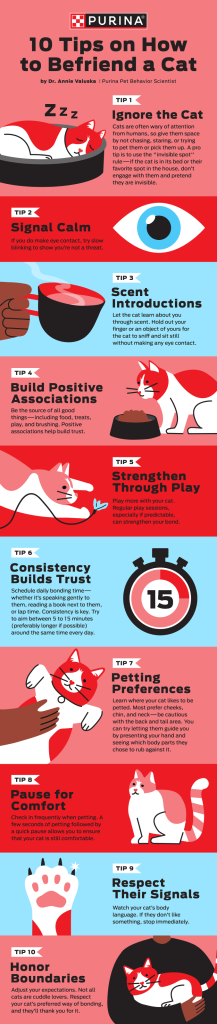
To harness the benefits of positive reinforcement, consider these steps:
- Discover the right incentives: Every cat has its preferences, with popular choices including small bits of tuna, chicken, or commercial cat treats. However, some might prefer interactive play with their favorite toy as a reward.
- Immediate rewards: Timing is crucial. If your cat performs a desired action, provide the reward immediately to link the behavior with the positive outcome clearly.
- Consistency is key: Reinforce the behavior consistently each time it occurs. Initially, reward liberally, and as the behavior becomes habitual, slowly decrease the reward frequency.
Establishing these connections effectively encourages repetitive desirable behavior, thus enhancing the mutual environment for both you and your feline friend.
4. Make Training a Routine
Incorporating training into your cat’s regular routine can significantly expedite their learning curve. Cats take comfort in routines, which reduces anxiety and increases receptiveness to learning. Scheduling these brief and regular training sessions ensures your cat remains engaged without getting overwhelmed.
To establish an effective routine, consider these strategies:
- Identify ideal times: Choose moments when your cat is naturally active, such as before meal times or after naps, rather than when they are sleepy or moody.
- Consistency in commands: Use the same words for each command or action you want to teach, such as “sit” or “come,” to prevent confusion.
- End on a positive note: Always conclude training with a reward, be it a treat or a favorite game, ensuring your cat associates training with positive experiences.
By creating a predictable schedule, training becomes a natural part of your cat’s day, fostering a sense of security and enthusiasm.
3. Use Clicker Training
Clicker training is a technique rooted in animal behavior research and can dramatically aid in communicating with your cat. A clicker makes a distinct sound when pushed, providing a quick and consistent method to signal a desired action followed by a reward.
Beginning with clicker training is straightforward:
- Initial setup: Equip yourself with a clicker and simple yet appealing treats or toys.
- Capture behaviors: Initially, ‘capture’ behaviors your cat performs naturally. For example, if you want to train a sit, click and treat every time they do it spontaneously.
- Association with commands: Once your cat starts associating the click with rewards, integrate verbal commands alongside the click to strengthen the connection.
Clicker training capitalizes on your cat’s cognitive ability to associate quickly and precisely, streamlining the teaching of new behaviors and enhancing the learning experience.
2. Socialization is Key
Proper socialization is integral to developing a cat that’s comfortable and less reactive to changes in its environment. Cats that have been thoroughly socialized tend to display increased confidence, adaptability, and friendliness towards humans and other animals.
To promote effective socialization, consider the following:
- Gradual exposure: Carefully introduce your cat to a variety of household environments and noises. This gradual exposure helps prevent phobias, easing them into accepting normal home life disturbances like the vacuum or doorbell.
- Visiting friends: Inviting calm and cat-friendly individuals to interact with your feline can promote positive interactions. Ensure these visits are stress-free and conducted at your cat’s pace.
- Controlled pet interactions: Under supervised circumstances, allow your cat to meet other friendly cats or pets to better its social skills.
Effective socialization helps reduce anxiety and curtails unwanted behaviors that often stem from stress and fear, proving beneficial for overall well-being.
1. Understand Feline Behavior
The cornerstone of successful cat training is gaining a thorough understanding of feline behavior. Cats have complex layers of communication and instinctual behaviors that, when understood, transform how we interact and train them.
Here are some behaviors to observe:
- Scratching is instinctual: Cats scratch to mark territory and maintain their claws. Providing scratching posts or pads channels this behavior positively.
- Interpretation of body language: Cats communicate volumes through body language. Tail positions, ear placements, and whisker direction provide significant insights into their emotional state, allowing you to adjust interactions accordingly.
- Vocal cues: Meows, purrs, and hisses are essential in expressing needs or emotions. By recognizing these, you can understand their hunger, discomfort, or contentment.
Understanding your cat’s innate behaviors not only aids in tailoring training techniques to fit their personality but paves the way for a more fulfilled and communicative relationship.
These top five tips offer a crucial foundation for training your cat, fostering an environment for positive behavior and shared happiness between you and your feline companion. By delving deeper into these strategies and continuing to explore information about feline psychology and behavior, a harmonious relationship with your pet is well within reach.
| Category | Description |
|---|---|
| Behavioral Reinforcement | Positive reinforcement involves rewarding desired behaviors with treats or praise, which helps solidify these actions in your cat’s routine. |
| Environmental Enrichment | Creating an engaging environment with toys, climbing structures, and interactive play sessions promotes physical activity and mental stimulation, reducing unwanted behaviors. |
| Consistency in Training | Maintaining a consistent training routine with set commands and behaviors helps cats understand what is expected of them, reinforcing learning over time. |
| Socialization Practices | Exposing cats to various environments, people, and other animals in a controlled manner helps them adapt better and reduces stress, leading to more positive interactions. |
Incorporating these essential categories into the training of cats can significantly enhance the overall experience for both the pet and the owner. The approach begins with Behavioral Reinforcement, as this method helps animals quickly associate good behavior with positive outcomes. Proper timing and the right rewards are crucial for success in this area; a treat should ideally follow a behavior within seconds for the cat to make the connection.Moving forward, the concept of Environmental Enrichment cannot be overlooked. It’s more than just toys; it includes a variety of sensory experiences, such as different textures and smells. Such stimulation plays a crucial role in reducing anxiety and encouraging natural behaviors, ultimately leading to a more content and balanced cat. Equally, the significance of Consistency in Training is paramount. Cats thrive on routine, and when their expectations are clearly defined, they are more likely to respond positively. Simple commands should be repeated consistently, and clear signals should accompany them to avoid confusion. Lastly, Socialization Practices play a transformative role in training. Introducing cats to different situations in a safe manner prepares them for a variety of scenarios they may encounter throughout their lives. This foundational aspect is key to raising a well-adjusted feline companion, capable of handling new experiences with ease. Training cats at home can be an enlightening journey when approached with patience and understanding, fostering a harmonious relationship between humans and their furry friends. By focusing on these categories, cat owners can unlock the true potential of their pets, making everyday interactions more enjoyable and meaningful.
Frequently Asked Questions About Cat Training
How can I start training my cat at home?
Initiating cat training at home requires patience and the right approach. Start with simple commands and use positive reinforcement techniques, such as treats and praise, to encourage desired behaviors. Allocate consistent time every day for short training sessions—cats have short attention spans, so keep it engaging and fun.
What are some common behaviors to train in cats?
Cats can be taught various behaviors that enhance their well-being and your home environment. Commonly trained behaviors include using a scratching post, coming when called, and using the litter box correctly. Teaching tricks like ‘sit’ or ‘high-five’ can also stimulate their minds and provide mental enrichment.
Is it difficult to train a cat compared to a dog?
Training a cat can be more challenging than training a dog because of their independent nature. Cats often respond better when they perceive a direct benefit. However, with consistency and ample rewards, they can be trained successfully. Success lies in understanding a cat’s motivations and using that to your advantage.
Can older cats be trained to change undesirable behaviors?
Absolutely! While it may require more persistence, older cats can unlearn undesirable behaviors and adapt to new habits. Identify triggers that cause inappropriate behavior and replace them with positive alternatives. Employing tools like clicker training can be particularly effective for all ages.
What should I do if my cat shows no interest in training?
If your cat seems uninterested in training sessions, consider evaluating their environment. Ensure you are using their favorite treats as rewards and that the timing of the training suits their natural activity levels. Cats may also benefit from interactive toys to stimulate engagement and interest in learning.
Conclusion: Encouraging Positive Feline Behavior
Training cats to exhibit positive behaviors at home is not only possible but can also enhance the bond between humans and their feline companions. Throughout this article, we have explored several key strategies that can lead to effective training outcomes. Establishing a routine, using positive reinforcement, employing clicker techniques, and maintaining patience and consistency are essential elements in shaping a cat’s behavior.
Moreover, understanding a cat’s natural instincts and respecting their individuality plays a crucial role. By integrating enrichment activities and creating a stimulating environment, cats are less likely to engage in undesirable behaviors, leading to a more harmonious home. It’s important to recognize that, unlike dogs, cats require a different approach to training due to their independent nature. However, with persistence and enthusiasm, it is possible to shape their behavior positively.
The significance of training is profound as it ensures that cats are well-mannered and engaged, improving their quality of life while fostering a deeper and more rewarding relationship with their owners. As we continue to learn more about feline behaviors and training techniques, these insights can be adapted to promote healthier and happier relationships with our pets.
In conclusion, diving into the world of cat training not only benefits your feline friend but also enhances your understanding and appreciation of their complex nature. This journey of discovery can lead to unforeseen joys and a more profound connection with your furry companion. With these tips, you are now equipped to embark on a rewarding journey of training and learning, leading to a peaceful and happy home environment.