Preventive Care for Pets’ Dental Health: The Importance of Oral Hygiene
Understanding the Need for Dental Health in Pets
The importance of dental care for pets cannot be overstated. Just as regular dental hygiene is vital for humans, it is equally critical for our beloved animals. Without proper care, pets can suffer from a multitude of dental issues that can lead to pain, infections, and even more severe health problems that extend beyond the mouth. Recognizing the significance of preventative dental care can help ensure that pets lead long and healthy lives, free from the discomfort associated with oral diseases.
Common Dental Issues in Pets
Many pet owners may not fully grasp the range of dental problems that their furry companions might encounter. Some of the more common issues include:
- Periodontal disease: This condition affects the gums and the supporting bone structures of the teeth. It typically begins as gingivitis, characterized by inflammation and bleeding of the gums, and can progress to more severe infections that may result in tooth loss if left untreated.
- Tartar buildup: When plaque—a soft, sticky film of bacteria—hardened into tartar, it can lead to noticeably bad breath and may also jeopardize the health of the teeth and gums. If not controlled, this accumulation can contribute to more advanced periodontal disease.
- Tooth decay: Just like in humans, pets can experience cavities. Tooth decay can result in severe pain, infections, and may ultimately necessitate tooth extractions, which can be both costly and traumatic for the pet.
It is crucial for pet owners to recognize the signs of dental distress. Symptoms such as excessive drooling, difficulty eating, and noticeable behavioral changes—such as increased irritability or withdrawal—can signal dental problems that deserve immediate attention.
Why Prioritize Oral Hygiene?
Prioritizing your pet’s oral hygiene can preserve not only their teeth but their overall health. Preventive dental care measures, such as regular check-ups and cleanings, can help avoid the need for expensive dental procedures in the future. Furthermore, maintaining oral health helps enhance your pet’s quality of life, ensuring they can eat comfortably and enjoy their time with their families.
- Improved overall health: Poor dental hygiene can contribute to systemic health issues such as cardiovascular disease, respiratory problems, or even kidney disease.
- Enhanced quality of life: Pets with healthy teeth and gums are more likely to engage actively in play and enjoy their meals without discomfort.
- Peace of mind for pet owners: Knowing that your pet is free of dental pain can alleviate stress and allow for a more harmonious home environment.
Incorporating oral hygiene into your pet’s daily routine is a simple yet impactful strategy. From regular tooth brushing with pet-safe toothpaste to providing dental chews that are designed to reduce plaque buildup, there are numerous ways to safeguard your pet’s dental health. Consider scheduling a veterinary dental check-up to discuss specific practices that suit your pet’s needs. In the end, investing in your pet’s dental health means investing in their happiness and longevity.
DON’T MISS: Click here for essential tips on caring for elderly pets
The Role of Regular Dental Check-Ups
Maintaining your pet’s dental health is essential for their overall well-being, and one of the most effective ways to achieve this is through regular veterinary dental check-ups. These appointments provide the opportunity for a thorough professional cleaning that helps combat tartar buildup and plaque – two culprits that can lead to serious dental issues if not addressed. Just as humans benefit from dental care provided by professionals, pets require similar attention to prevent dental diseases and ensure a healthy mouth.
Veterinarians often recommend biannual dental visits for pets. This schedule allows for adequate assessment, cleaning, and tailored care specific to the individual pet’s needs. For instance, some pets may be more prone to dental issues due to their breed, age, or dietary habits. During these check-ups, vets can conduct a comprehensive examination that includes checking for early signs of gum disease, tooth decay, and other health-related problems. Catching these conditions early can mean safer, less invasive treatments, ultimately protecting your pet from unnecessary pain and complications.
At-Home Dental Care Practices
While professional dental care is vital, at-home dental care is equally important in promoting good oral hygiene for your furry friends. Pet owners can integrate several effective practices into their pets’ daily routines, enhancing both dental health and the bond with their companions.
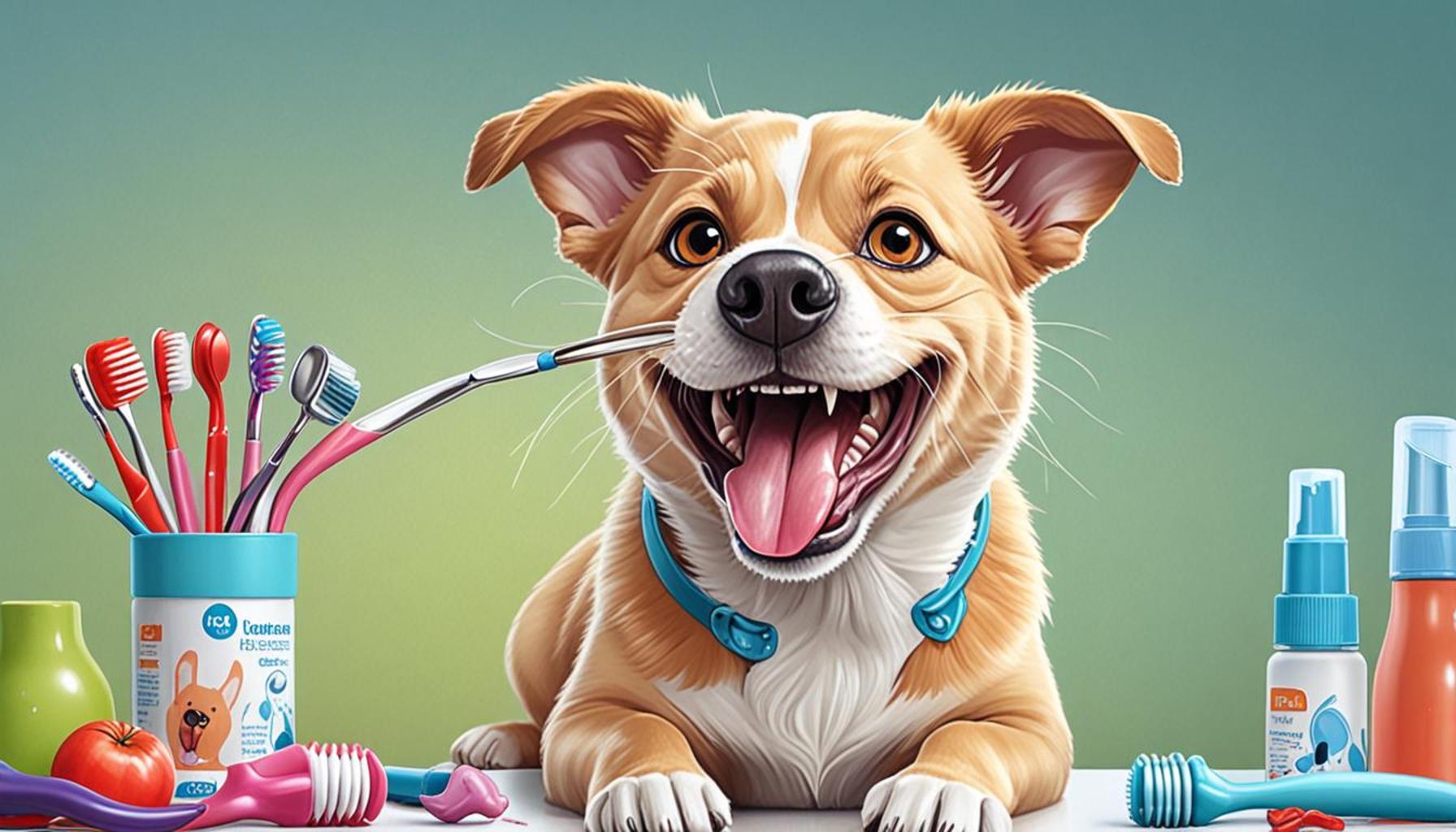
- Brushing Teeth: Daily brushing using a pet-safe toothbrush and toothpaste can significantly reduce plaque and tartar buildup. For pets unfamiliar with tooth brushing, introduce the process gradually to make it a positive experience. Start by letting your pet taste the toothpaste and gradually incorporating the toothbrush into the routine.
- Dental Chews: Many pet owners find success with dental treats specifically designed to promote oral health. These chews mechanically scrub the teeth and help reduce plaque as pets enjoy gnawing on them. Brands such as Greenies or DentaStix are popular choices among pet owners and can be a delightful addition to your pet’s diet.
- Water Additives: Consider incorporating water additives formulated for pets, which can help reduce dental bacteria and freshen breath. These solutions are easy to use—simply add them to your pet’s water bowl to enhance their daily hydration routine while promoting dental care.
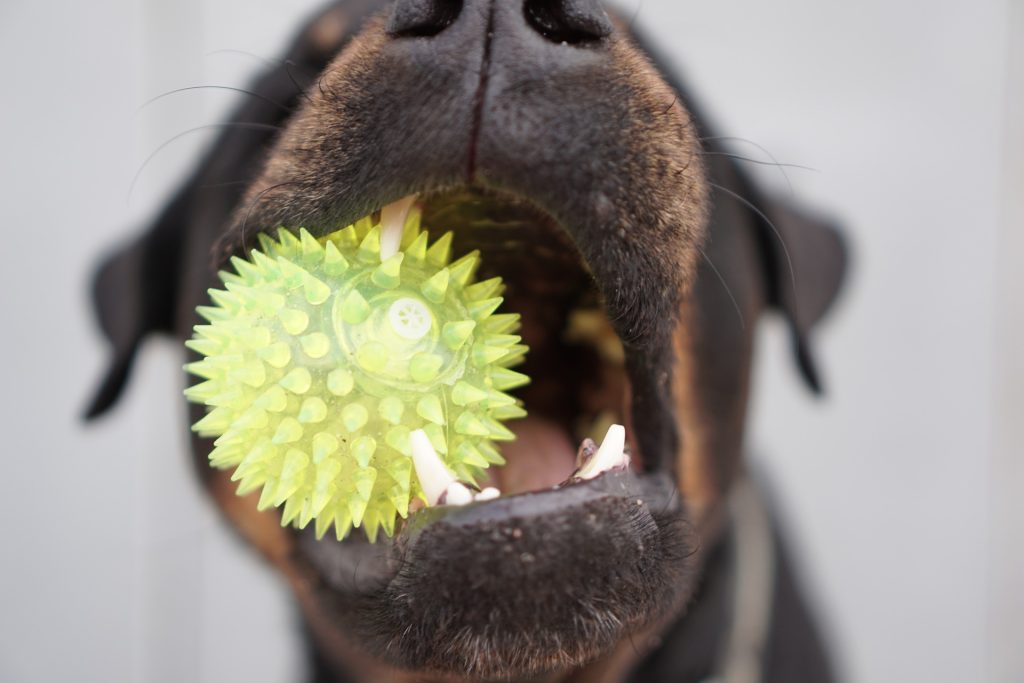
- Dental Toys: Investing in toys specifically designed for dental cleaning can encourage natural chewing behavior. Look for durable, textured toys that can withstand rigorous play while also working to clean teeth. Chewing can be a healthy outlet for pets, especially those with high energy levels.
By incorporating these practices into your pet’s routine, not only can you improve their dental health, but you can also strengthen your relationship as they become accustomed to these shared activities. Consistency is key; establishing these routines will yield the best long-term results.
Identifying the Signs of Dental Distress
Being proactive about your pet’s dental health means being vigilant about recognizing when something might be wrong. Pet owners should watch for signs of oral discomfort which can include bad breath, swollen or bleeding gums, loose teeth, or changes in eating habits. A sudden aversion to eating or a reluctance to chew on their favorite toys may indicate that your pet is experiencing dental pain. If you notice any of these symptoms, it is crucial to seek veterinary assistance promptly. Early intervention can lead to more favorable outcomes and prevent your pet from enduring extended periods of discomfort.
Ultimately, consistent dental care can significantly enhance your pet’s quality of life. The beneficial effects of such care manifest not only in improved oral hygiene but also in your pet’s overall health and longevity. As a devoted pet owner, your commitment to their dental health will lead to a happier, healthier life together.
| Advantage | Description |
|---|---|
| Prevention of Dental Disease | Regular oral hygiene helps in preventing serious dental diseases such as periodontal disease, which is common in pets. |
| Overall Health Improvement | Maintaining your pet’s oral hygiene can lead to better overall health, reducing risks for systemic conditions linked to dental issues. |
The importance of proper oral hygiene for pets cannot be overstated. Regular dental care not only enhances their breath but also plays a crucial role in avoiding costly veterinary bills down the line. With strong evidence pointing to the link between gum health and heart disease in pets, implementing routine cleaning practices is essential for longevity. Consider providing specialized dental treats or engaging in active dental care routines at home, as these can significantly aid in preventing plaque buildup. Understanding the significance of preventive care in your pet’s dental health opens a gateway to a happier, healthier life. Statistics show that over 80% of dogs and 70% of cats exhibit signs of dental disease by the age of three. This startling fact underscores the need for pet owners to prioritize their furry friends’ oral hygiene, ensuring a vibrant life with fewer health complications. Stay informed about products and techniques that can aid in this endeavor, and always consult your veterinarian for tailored advice.
DISCOVER MORE: Click here for effective cat training tips
Understanding the Impact of Diet on Dental Health
A significant but often overlooked factor in maintaining your pet’s dental health is their diet. Just like humans, the food that pets consume can have a direct impact on their oral hygiene. Poor dietary choices can contribute to the buildup of plaque and tartar, leading to a host of dental issues.
Choosing the right pet food is essential for optimal dental care. There are diets formulated specifically to support oral health; these often include larger kibble sizes or special textures designed to help reduce plaque as pets chew. Many veterinarians recommend foods with added dental-specific ingredients, like zinc, which can help inhibit bacterial growth. When selecting pet food, look for products that carry the Veterinary Oral Health Council (VOHC) seal of approval, indicating they have been scientifically proven to reduce plaque and tartar.
Moreover, providing fresh, clean water is crucial as it not only aids in digestion but rinses away food particles stuck in your pet’s mouth. Pets who have limited access to water may be more prone to dental problems due to a dry mouth, which doesn’t facilitate adequate self-cleaning of the teeth. Make sure your pet has access to fresh water at all times, and consider changing the water daily to encourage them to drink more.
Additional Tools for Enhancing Oral Care
In addition to regular check-ups and at-home care, pet owners can explore an array of tools and products specifically designed to improve their pets’ dental health. Some popular options include:
- Dental Sprays: These convenient sprays can be easily applied to your pet’s teeth and gums. They often contain ingredients that help break down plaque and prevent the growth of oral bacteria. Regular application can enhance your pet’s dental routine without the need for invasive procedures.
- Vet-Approved Chew Toys: While many toys simply provide fun, some brands offer chew toys designed to help maintain dental hygiene. These toys often have special shapes or textures that help clean teeth while your pet plays. They can be a great way to keep your pet entertained, while simultaneously supporting their oral health.
- Probiotic Dental Supplements: For those looking to take it a step further, consider adding probiotic dental supplements to your pet’s diet. These products introduce beneficial bacteria that can help to balance the oral microbiome and potentially minimize the risk of causing dental diseases.
Utilizing these diverse tools can turn dental care into an engaging part of your pet’s daily routine, increasing the chances of long-term adherence to oral hygiene practices. Regular incorporation of dental care tools can significantly decrease the risk of developing serious dental disease.
The Connection Between Dental Health and Overall Wellness
It’s vital to recognize the interconnectedness between oral health and the overall wellness of your pet. Studies indicate that poor dental health can lead to complications in other systems within the body, such as the heart, liver, and kidneys. Bacteria from the mouth can enter the bloodstream and cause inflammation, with potentially life-threatening repercussions. Thus, maintaining your pet’s dental health is an invaluable component of their holistic health care.
In the United States, dental disease is one of the most common health issues affecting pets, yet it is one of the most preventable. Understanding the significance of preventive care can encourage pet owners to adopt better practices leading to a longer, happier life for their companions. Investing time and resources into your pet’s oral hygiene not only results in healthier teeth and gums but also reinforces the enduring bond you share with your pet.
LEARN MORE: Click here to discover the impact of pet adoption
Conclusion
In summary, preventive care for your pet’s dental health is not just an ancillary concern; it is a fundamental aspect of their overall well-being. From using the right food to selecting suitable dental care products, the actions you take today can significantly reduce the risk of serious dental diseases and contribute to a longer, healthier life for your beloved companion. By prioritizing their oral hygiene through regular check-ups, proper diet, and incorporating engaging dental care tools into their routines, you can foster not only a clean mouth but also a vibrant, healthy body.
The direct link between oral health and systemic health highlights why pet owners should not overlook this vital area of care. Diseases that start in the mouth can have far-reaching consequences, affecting crucial organs like the heart and kidneys. Therefore, fortifying your pet’s dental regimen is a responsible investment in their health.
Moreover, as awareness grows around pet dental care, consider participating in open dialogues with your veterinarians and local pet communities to explore best practices and innovative techniques. Remember, prevention is far more effective (and economical) than treatment. By embracing preventive care for your pet’s dental health, you’re not merely ensuring fresh breath and bright smiles; you are enhancing their quality of life and fortifying the cherished bond you share.
So, let this be the moment you commit to a proactive approach to your pet’s oral hygiene. The path to improved dental health is accessible and rewarding, making it paramount for any dedicated pet owner. Take that first step today for a future filled with healthy, happy moments with your furry friend!