How to Choose the Right Food for Senior Pets

Understanding Your Senior Pet’s Nutritional Needs
As our beloved pets grow older, their dietary requirements undergo a significant transformation. This change makes it essential for pet owners to remain well-informed about the appropriate nutrition that can greatly influence their pets’ quality of life as well as how long they remain by our side. Transitioning to the right food tailored for senior pets is not just a recommendation; it is a critical step toward promoting health and longevity in their later years.
Why Nutrition Matters
Proper nutrition plays a vital role in managing health issues that are commonly found in older animals. For instance, senior pets often suffer from conditions such as arthritis, obesity, and dental diseases. The right diet can:
- Support joint health and mobility:
- Boost the immune system:
- Maintain a healthy weight to avoid strain on the heart:
Food enriched with glucosamine and chondroitin promotes joint health, critical for active seniors. Brands that include these ingredients can help mitigate pain and stiffness, allowing your pet to remain more active.
A diet rich in antioxidants—such as vitamins C and E—can help bolster the immune defenses of aging pets, making them less prone to infections and illnesses.
Obesity is a common issue among senior pets, placing unnecessary strain on their organs. Formulated senior diets are designed with reduced calories to ensure your pet can maintain a healthy weight without sacrificing nutrition.
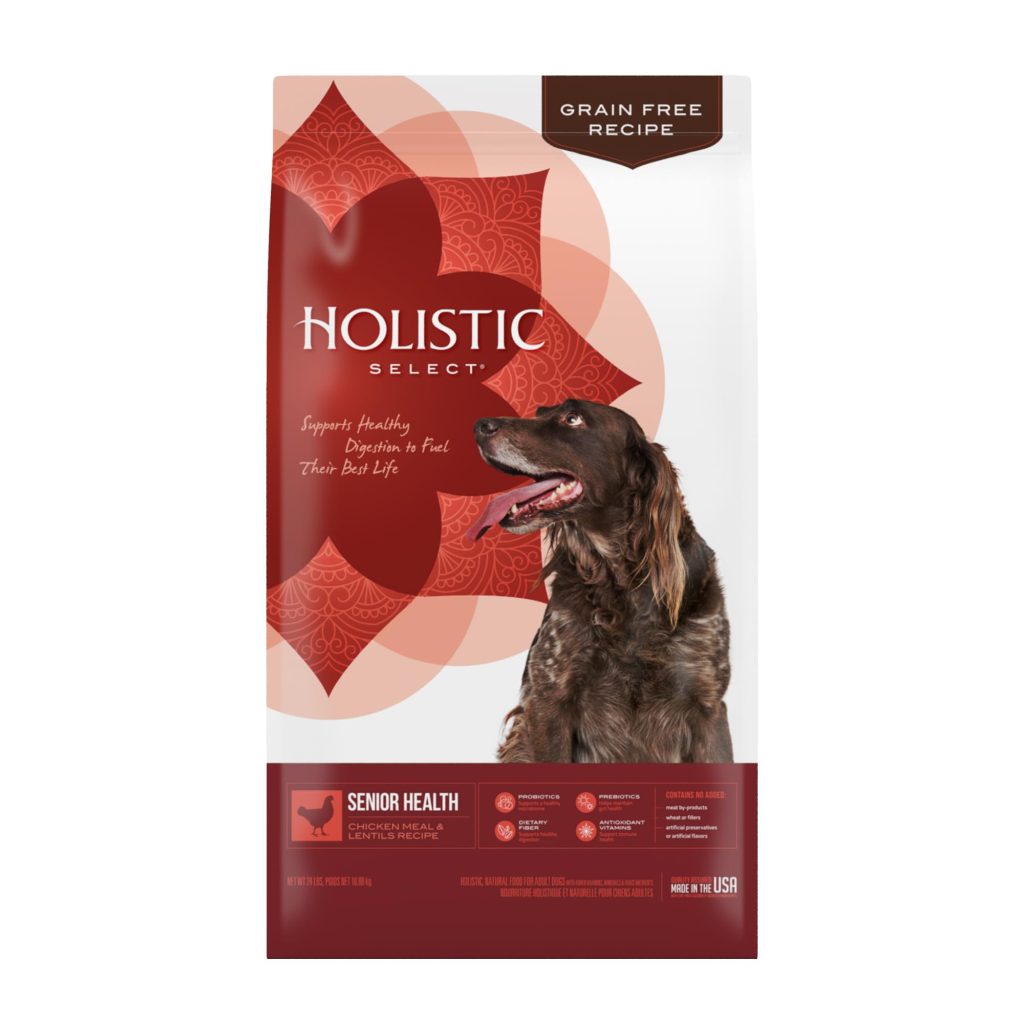
Transitioning from regular pet food to a formula specifically designed for seniors is pivotal. Senior pet food often contains:
- Higher fiber content for better digestion:
- Reduced calories to manage weight:
- Enhanced nutrients, like antioxidants and omega fatty acids:
A senior pet’s digestion may slow down with age. Increased fiber can aid in preventing constipation and promoting regular bowel movements.
This helps reduce the risk of obesity, a prevalent issue that can exacerbate other health problems like diabetes and heart disease.
These nutrients help to reduce inflammation while promoting a shiny coat and healthy skin, crucial for older pets that may have dermatitis or dull fur.
Choosing the Right Brand
When selecting a brand, it’s important to consider veterinarian recommendations and to look for products that utilize quality ingredients. Always check the ingredient list for:
- Real meat sources as the first ingredient:
- Limited fillers, such as corn or soy:
- Added vitamins and minerals for overall wellness:
Authentic protein sources, such as chicken or fish, provide the necessary amino acids for maintaining muscle mass and energy.
These ingredients often offer little nutritional value and can lead to allergies or sensitivities in some pets.
Look for additives like taurine, which supports heart health, especially in breeds prone to cardiovascular issues.
In conclusion, understanding the unique nutritional needs of senior pets can pave the way for a happier, healthier life. It’s crucial for pet owners to invest time in research and consult their veterinarian for advice tailored specifically to their pet’s health status and dietary preferences. Taking these steps not only improves the quality of life for senior pets but could potentially extend their time with us, optimizing their golden years for both our dear companions and ourselves.
DISCOVER MORE: Click here to learn about the impact of pet adoption
Assessing Your Senior Pet’s Dietary Requirements
As our pets enter their senior years, it’s imperative for pet owners to recognize that their nutritional needs evolve significantly. Each pet may exhibit unique challenges related to age, health conditions, and activity levels. Understanding these considerations is crucial for selecting appropriate food that will help maintain their vitality and support their overall health.
Identifying Specific Health Concerns
When selecting food for senior pets, you should first take stock of any existing health issues. For example, senior dogs may be affected by arthritis or other joint problems, while senior cats can be prone to kidney disease and obesity. Tailoring their diet to address these conditions can make a notable difference. Here are some common concerns to consider:
- Arthritis and Joint Health:
- Kidney Function:
- Weight Management:
Look for food containing anti-inflammatory ingredients like glucosamine and omega-3 fatty acids. These can promote joint lubrication and alleviate discomfort.
For pets with kidney disease, consider a diet lower in protein but supplemented with high-quality, digestible protein sources. Foods rich in omega fatty acids can also support kidney health.
As pets age, their metabolism may slow down, making it easier for them to gain weight. Foods designed specifically for seniors often contain fewer calories and increased fiber to help maintain a healthy weight.
Understanding Ingredient Quality
Once you’ve identified your senior pet’s specific health requirements, focus on the quality of the ingredients in the food you select. The label can reveal a lot about whether it will meet their nutritional needs. Key factors to assess include:
- Protein Source:
- Whole Ingredients:
- Probiotic Additives:
The first ingredient should ideally be a named animal protein like chicken, lamb, or fish. This ensures your pet receives adequate amino acids necessary for muscle preservation.
Opt for food containing whole ingredients such as brown rice or sweet potatoes rather than heavily processed fillers that provide little nutritional benefit.
Consider foods containing probiotics, which can significantly improve gut health and digestion, especially important in older pets.
By focusing on quality ingredients and addressing specific health concerns, you can create a well-rounded diet that meets the unique needs of your senior pet. However, never underestimate the importance of consulting your veterinarian, as they can provide tailored recommendations based on your pet’s health records and lifestyle. This collaborative approach not only ensures your furry friend’s nutritional needs are met but also empowers you to make informed choices that enhance their quality of life.
When selecting the appropriate food for senior pets, one must consider several key factors that can significantly enhance their well-being. Senior pets often have unique nutritional requirements due to age-related changes in their metabolism, activity level, and overall health. Foods specifically formulated for older animals usually contain higher levels of certain nutrients that cater to these needs.To streamline your decision process, it’s advisable to consult your veterinarian before making any significant changes to your pet’s diet. They can provide personalized recommendations based on your pet’s health status, breed, and size. Look for foods rich in omega fatty acids, which can support joint health and improve skin and coat condition. Additionally, consider the quality of ingredients. High-quality protein sources are essential for maintaining muscle mass, while easily digestible carbohydrates can provide sustained energy without unnecessary fillers. It’s crucial to avoid food loaded with artificial additives or excessive fillers, as these can lead to digestive issues and other health problems.Furthermore, keep an eye out for specific formulations that address common senior concerns such as weight management or kidney health. Many senior pet diets are designed to be lower in calories to prevent obesity, which is particularly important for less active older pets. Similarly, options formulated with controlled phosphorus levels can help in managing kidney function, a common issue in aging pets.Offering an array of flavors and textures can also stimulate a senior pet’s appetite, which might diminish as they age. Wet foods are often more palatable and can provide additional moisture for pets that may not drink enough water. Always transition slowly to any new food to avoid gastrointestinal upset.In summary, choosing the right food for senior pets should involve a balance of nutrient content, ingredient quality, and individual health needs. Awareness of these factors not only ensures that your beloved companion remains happy and healthy but also supports their quality of life during their golden years.
DON’T MISS: Click here to learn effective training tips!
Evaluating Food Formulations for Senior Pets
With a plethora of pet food options available, discerning which is truly beneficial for your senior pet can seem daunting. Food formulations designed specifically for older pets aim to address their unique needs, focusing on sustaining energy levels while minimizing potential health risks. It’s essential to scrutinize these formulations to ensure they align with your pet’s age-related requirements.
Types of Senior Pet Food
As you navigate the options, it’s important to understand the different types of formulations that cater to senior pets:
- Dry Kibble:
- Wet Food:
- Homemade Diets:
Dry food is a convenient option that can support dental health by reducing plaque and tartar buildup. Be sure to choose a high-quality kibble with appropriate protein levels. Look for brands specifically labeled as “senior” or “mature,” as they often balance calorie content and nutrients to meet your pet’s aging requirements.
Canned food is generally more palatable and hydrating, which is beneficial for senior pets who might drink less water. Additionally, wet food can be easier for older pets with dental issues to chew and digest. Ensure it contains high-quality protein and is lower in carbohydrates to maintain a healthy weight.
Some pet owners opt for homemade meals, allowing for complete control over ingredients. While this can be nutritionally advantageous, it’s crucial to consult with a vet or a pet nutritionist to create a balanced diet that meets all your pet’s essential nutrient needs.
Understanding Nutritional Additives
In addition to standard ingredients, many senior pet foods contain beneficial additives that can enhance health and longevity. Here are a few to consider:
- Antioxidants:
- Fiber:
- Vitamins and Minerals:
Ingredients rich in antioxidants, such as blueberries and spinach, can combat oxidative stress, which can accelerate the aging process in pets. These nutrients help to promote cellular health and support a robust immune system.
High fiber content can aid in digestive health and help maintain a healthy weight. It can also support blood sugar stability, especially for older pets that may be prone to diabetes.
Look for enriched foods that include essential vitamins (E and C) and minerals (zinc and selenium) that help support skin, coat, and joint health.
Transitioning to New Food
Once you have identified the right food for your senior pet, transitioning them to the new diet must be done gradually to avoid gastrointestinal upset. A recommended method is to mix the new food into the current food over 7-10 days, starting with a small amount of the new food, gradually increasing it while decreasing the old food. This incremental approach allows your pet’s digestive system to adjust smoothly.
Remember, each pet is unique, and their dietary needs can differ even among senior pets. Observing their response to the new diet, including energy levels and overall health, is vital. Keeping an open dialogue with your veterinarian will help ensure that you are effectively managing your senior pet’s health through proper nutrition.
DIVE DEEPER: Click here to learn more
Final Thoughts on Choosing the Right Food for Senior Pets
Selecting the right food for your senior pet is crucial for their health and well-being as they age. With a growing selection of diets tailored to older pets, it becomes essential to understand how to navigate these options effectively. Focus on formulations that consider age-related nutritional needs while offering a balance of proteins, fibers, and healthy fats.
When deciding between dry kibble, wet food, or homemade diets, consider your pet’s individual health conditions and preferences. Each type has its advantages, whether it’s the dental benefits of dry food or the hydrating qualities of wet food. Don’t overlook the importance of nutritional additives like antioxidants, fiber, and key vitamins and minerals, which can enhance your senior pet’s quality of life.
Furthermore, transitioning to a new diet should be approached with care to prevent digestive issues. By introducing the new food gradually, you can monitor your pet’s response and make adjustments as necessary. Partnering with your veterinarian throughout this process not only provides guidance on proper nutrition but also helps in identifying any specific dietary needs based on health statuses.
Ultimately, the journey of selecting the right food for your senior pet is about paying attention to their needs and adapting as they age. With proper nutrition, you can support a vibrant, healthy life for your treasured companion, ensuring that their golden years are filled with joy and vitality.