The Benefits of a Raw Food Diet for Pets
Introduction to a Growing Trend in Pet Diets
In recent years, there has been a notable shift among pet owners toward exploring various nutritional options for their furry companions, particularly the raw food diet. This trend has sparked considerable interest and debate, as numerous pet owners advocate for the potential health benefits associated with feeding pets a raw diet. But what exactly does this diet involve, and how genuine are the claims regarding its advantages?
Understanding the Raw Food Diet
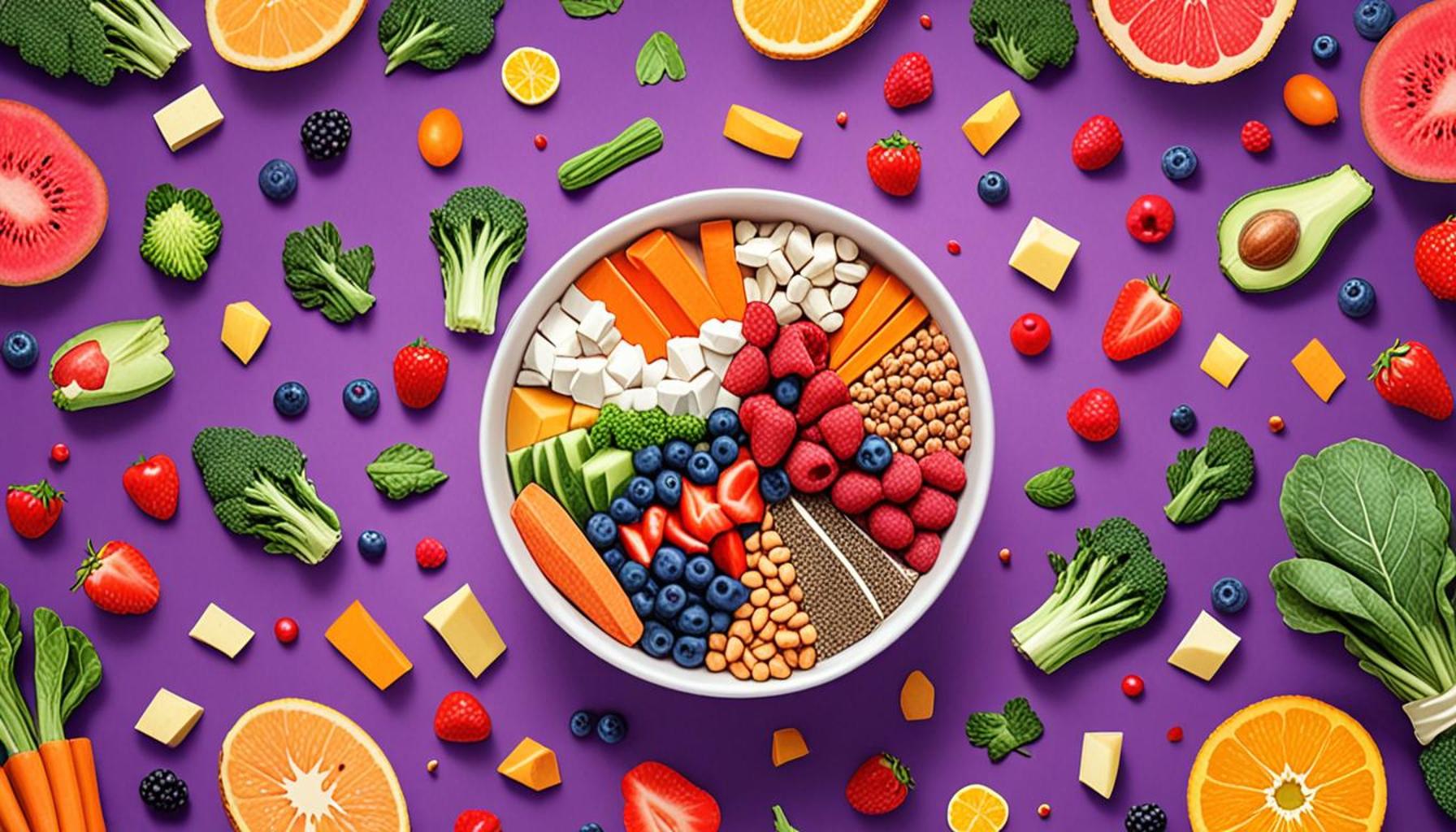
The raw food diet for pets is structured around the principles of a natural feeding regime that reflects the ancestral dietary habits of animals in the wild. The staples of this diet typically consist of raw meat, bones, fruits, and vegetables. Here are some essential components:
- Natural Ingredients: This includes whole proteins like chicken, beef, and fish, paired with fresh produce such as carrots, apples, and leafy greens.
- Minimal Processing: The emphasis is on unprocessed foods, avoiding any cooked ingredients that might diminish nutritional value.
- Varied Options: Pet owners have the flexibility to customize their pets’ diets, selecting from a diverse array of meats and vegetables to meet individual pet needs.
This approach seeks to replicate the dietary diversity that wild canines and felines would encounter in their natural environments, allowing for a more instinctual feeding method.
Potential Health Benefits of Raw Feeding
Advocates of the raw food diet for pets put forth several compelling benefits that may arise from this nutritional shift. Here are some of the commonly touted advantages:
- Improved Digestion: Many pet owners report that their pets experience better digestion and enhanced nutrient absorption with a raw diet, thanks to the natural enzymes preserved in raw ingredients.
- Shinier Coat: Increased omega fatty acids from raw meats and fish can lead to a healthier appearance, producing a shinier coat and healthier skin, which is particularly appealing for breeds known for their fur.
- Increased Energy: Pets transitioning to a raw food diet often exhibit higher energy levels, resulting in greater vitality and a more active lifestyle, which can lead to improved overall wellness.
While these claims are certainly intriguing, it’s essential for pet owners to gather comprehensive information and consider the medical and nutritional needs of their specific pets. The shift toward raw feeding invites thought-provoking discussions in the realm of pet nutrition, compelling owners to undertake careful research and even consult veterinarians to determine the most suitable dietary choices for their unique pets. This careful approach ensures that the benefits of raw feeding can be responsibly weighed against potential risks, such as the need for balanced nutrition and the risk of bacterial contamination.

As the debate continues, it’s clear that pet nutrition remains a dynamic and evolving field, urging pet owners to stay informed and proactive in their commitment to their pets’ health and well-being.
LEARN MORE: Click here for essential nutrition tips
Health Improvements Linked to Raw Feeding
As the interest in the raw food diet for pets grows, pet owners are increasingly eager to understand how this dietary approach can benefit their beloved companions. Several key health improvements have been reported by advocates of raw feeding, making it an appealing option for those looking to enhance their pet’s quality of life. Here, we explore some notable benefits that may arise from incorporating a raw food diet into pet nutrition.
Enhanced Nutritional Value
One of the most significant advantages of a raw food diet is the heightened nutritional value of the ingredients. Raw meats and fresh produce are packed with vitamins, minerals, and essential nutrients that can often be diminished during the cooking process. For example, raw vegetables retain valuable enzymes important for digestion, while raw meats provide proteins that are vital for muscle maintenance and overall health.
Allergy Reduction
Many pet owners have also observed a reduction in allergic reactions among their pets after transitioning to a raw diet. The inclusion of natural, whole ingredients minimizes the likelihood of exposure to common allergens often found in processed pet foods, such as artificial additives, grains, and fillers. This shift can lead to fewer itching episodes and digestive discomfort, both of which are common issues among pets.
Weight Management
A raw food diet can also be beneficial for weight management. Because this diet typically emphasizes lean proteins and a balanced ratio of raw fruits and vegetables, it can help pets maintain a healthy weight. Pet owners often notice that their furry friends exhibit increased satiety and reduced cravings, enabling a more controlled and balanced approach to feeding. This aspect can be especially important for overweight or sedentary pets struggling with weight issues.
Improved Dental Health
Another noteworthy benefit associated with the raw food diet is its potential impact on dental health. Chewing on raw bones can help facilitate a natural cleaning process for pets’ teeth, reducing plaque and tartar buildup. This dental hygiene feature not only promotes healthier teeth and gums but can also lessen the likelihood of more serious dental diseases that may require veterinary intervention.
Transitioning to a Raw Food Diet
For pet owners considering this dietary shift, it is crucial to transition carefully and thoughtfully. Introducing raw foods into a pet’s diet often requires a gradual change to avoid gastrointestinal upset. Consulting with a veterinarian or a pet nutrition expert may also provide tailored guidance, ensuring a balanced meal plan that meets the specific needs of each pet.
While the potential benefits of a raw food diet for pets are indeed enticing, it is vital for pet owners to research thoroughly and develop an informed approach that prioritizes their pets’ health and nutritional requirements. The raw diet trend brings with it a wealth of information, encouraging thoughtful conversations about pet wellness and nutrition.
The Benefits of a Raw Food Diet for Pets
A raw food diet for pets, often referred to as “BARF” (Biologically Appropriate Raw Food), presents numerous advantages that contribute to a healthier, happier life for our furry companions. Below, we uncover some critical benefits that may entice pet owners to explore this dietary option further.
| Category | Description |
|---|---|
| Improved Digestion | Raw food aids in better nutrient absorption and reduces gastrointestinal disorders. |
| Stronger Immune System | Fresh ingredients can enhance pet immunity, protecting them against diseases. |
| Healthy Skin and Coat | Raw diets rich in omega fats often lead to shiny coats and healthier skin. |
| Increased Energy Levels | High-quality protein sources can boost overall vigor and activity levels in pets. |
| Weight Management | A balanced raw diet helps maintain optimal body weight and reduces obesity rates in pets. |
Adopting a raw food diet for pets not only aligns with their natural feeding instincts but also brings a multitude of health benefits that every pet owner should consider. As you explore this dietary approach, you may find it is essential to consult with a veterinarian to ensure the diet is well-balanced and tailored to your pet’s individual needs.
DISCOVER MORE: Click here to learn about the importance of socialization for your dog’s mental health
Behavioral and Digestive Enhancements
Beyond the tangible health improvements, many pet owners report noticeable changes in their pets’ behavior and digestion after transitioning to a raw food diet. These enhancements play a pivotal role in solidifying the overall well-being of pets.
Increased Energy Levels
Pet owners often experience a significant boost in their animals’ energy levels after switching to a raw diet. This increase can be attributed to the incorporation of highly bioavailable nutrients found in raw foods, which are readily absorbed by pets’ bodies. Pets consuming nutrient-rich raw ingredients tend to exhibit heightened stamina, playfulness, and enthusiasm during physical activities. This surge in energy is not only beneficial for active pets but can also contribute positively to their mental health through regular engagement in stimulating activities.
Optimal Digestive Health
A raw food diet can lead to improved digestive health, another significant benefit that many pet owners appreciate. Raw meals, composed primarily of meat and vegetables, provide a natural balance of proteins and fibers that facilitate healthy gut function. Unlike commercial pet foods that often contain high amounts of fillers, raw diets are generally easier for pets to digest. As a result, pet owners frequently observe firmer stools and a reduction in gastrointestinal disturbances such as gas and bloating.
Stronger Immune Systems
Moreover, a raw food diet is believed to contribute to a stronger immune system in pets. Fresh ingredients are rich in antioxidants, vitamins, and minerals, which fortify the immune response and can help to fend off common illnesses. The absence of preservatives and artificial ingredients found in processed foods further minimizes the risk of health complications, ensuring that pets remain healthy and resilient against disease. Some studies suggest that pets on a raw food diet may also experience fewer vet visits for chronic health issues, which could indicate a more robust immune system.
Customized Nutrition
One of the appealing aspects of a raw food diet is the ability to provide customized nutrition tailored to an individual pet’s needs. Each pet has unique dietary requirements based on age, size, activity level, and health concerns. For example, a growing puppy may have different nutritional requirements compared to an older pet with dietary sensitivities. Pet owners can work closely with veterinarians or pet nutritionists to design a personalized raw food regimen, ensuring that specific health objectives are met.
Ethical Considerations
For many pet owners, the choice to adopt a raw food diet is deeply tied to ethical considerations. The trend towards transparency in sourcing dog and cat food has sparked interest in raw feeding because it often encourages the use of sustainable and ethically sourced meats, which could positively contribute to animal welfare. Conscious pet owners are increasingly seeking out suppliers that prioritize humane practices, ensuring they are providing not just any food but high-quality nutrition for their animals.
As the raw food movement gains momentum, it continues to stimulate discussions surrounding animals’ dietary needs, health benefits, and ethical responsibilities. Pet owners interested in exploring this trend are learning to navigate the complexities of raw feeding, all while focusing on improving their pets’ health and happiness.
DISCOVER MORE: Click here for essential nutrition tips
Conclusion: A Fresh Approach to Pet Nutrition
In summary, the growing interest in a raw food diet for pets encapsulates an evolving understanding of animal nutrition and welfare. The shift towards embracing fresh, unprocessed foods has sparked a wealth of benefits that can significantly enhance the quality of life for our furry companions. From improved energy levels and digestive health to a stronger immune system, the evidence provided by pet owners affirms that a raw diet can lead to happier and healthier pets.
Furthermore, the ability to offer customized nutrition tailored to each pet’s individual needs ensures that caregivers can positively impact their pets’ health based on specific requirements. As many pet owners seek transparency in sourcing, the ethical considerations of raw feeding also resonate strongly—prioritizing sustainably and humanely raised ingredients promotes a sense of responsibility and fulfillment in pet care.
However, it is crucial for pet owners to approach this dietary evolution thoughtfully. Consulting with veterinarians or pet nutritionists is essential to navigating the intricacies of raw feeding, mitigating potential risks while maximizing benefits. As the raw food movement continues to evolve, it presents an exhilarating opportunity for pet owners to explore new strategies for enriching their pets’ lives. Embracing a raw food diet not only nurtures our pets but also deepens the bond between animals and their caregivers, fostering an environment of health, happiness, and harmony.