The Benefits of Probiotics for Digestive Health in Pets
The Role of Probiotics in Your Pet’s Health Journey
Every pet owner desires a happy and healthy companion. One often-overlooked element in achieving optimal pet health is gut health. Probiotics, which are live microorganisms known to provide health benefits, play a significant role in the digestive systems of animals.
These beneficial bacteria can help maintain a balanced gut flora, resulting in numerous advantages for your furry friends. Understanding how these microorganisms function can transform the way we approach pet health care, particularly in the context of nutrition and disease prevention.
Key Benefits of Probiotics
Integrating probiotics into your pet’s diet can yield a host of health advantages. Here are some crucial benefits, further elaborated:
- Improved Digestion: Probiotics assist in breaking down food, making it easier for pets to absorb essential nutrients. For instance, dogs with sensitive stomachs often experience significant improvements in their digestive health after being introduced to probiotic supplements.
- Boosted Immune System: A healthy gut can enhance a pet’s overall immunity, providing protection against diseases. Studies indicate that a well-balanced gut microbiome may strengthen the intestinal barrier and decrease inflammation, making pets less susceptible to common infections.
- Reduction of Gastrointestinal Issues: Probiotics can alleviate conditions such as diarrhea, constipation, and bloating. For example, during antibiotic treatment, probiotics can help restore the normal gut flora that antibiotics may disrupt, reducing the risk of secondary gastrointestinal complications.
Growing Trend Among Pet Owners
In the United States, many pet owners are increasingly turning towards probiotics as a natural solution to bolster their pets’ digestive health. The pet supplement market has witnessed a surge in demand for probiotic products, reflecting a growing awareness of the importance of gut health. Popular brands offer various forms of probiotics, including powders, chewables, and even liquid formulations tailored to different pet species.
Choosing the right probiotic can be overwhelming for pet owners, given the sheer variety available. It’s essential to look for products containing strains with proven benefits, such as Enterococcus faecium or Lactobacillus acidophilus, as different strains may serve different purposes in the digestive tract.
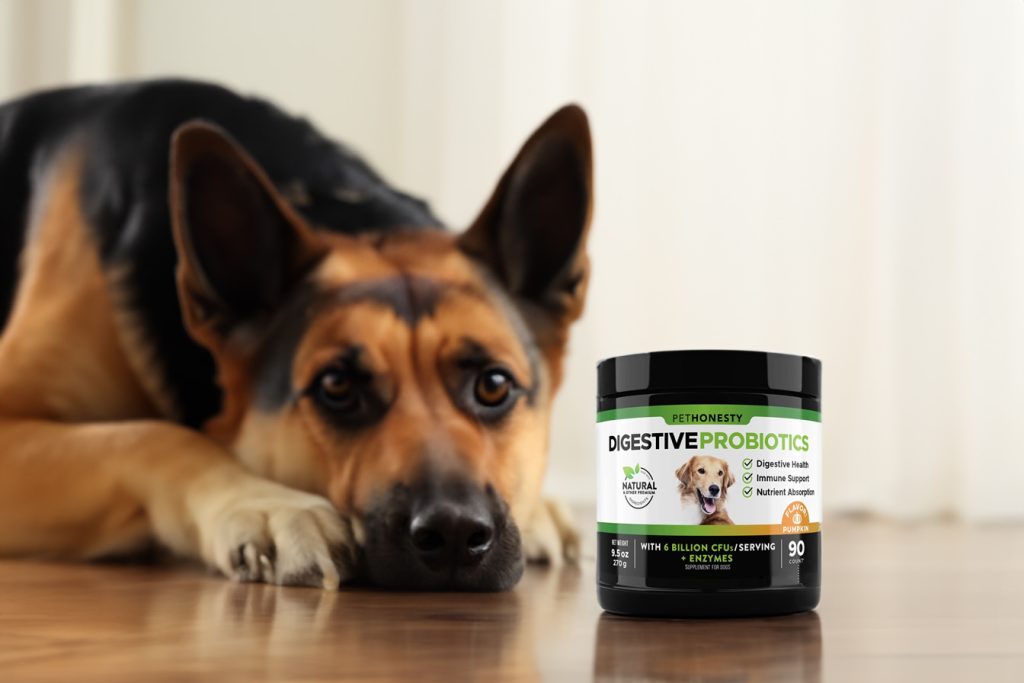
Investigating Probiotics Further
Understanding how probiotics work and their impact on your pet’s well-being is essential. In the subsequent sections, we will explore in detail how probiotics function within the digestive system, the different types available, and how to choose the right one for your beloved pet. Discover the transformative potential of probiotics, and equip your pet with the vitality they deserve!
Incorporating probiotics could revolutionize your pet care routine, leading to happier, healthier companions. As you delve deeper into this fascinating topic, consider consulting with your veterinarian to determine the best probiotic formulation suited for your pet’s individual needs.
LEARN MORE: Click here for essential tips
Unlocking the Secrets of Gut Health
The digestive health of your pet is more crucial than you may realize. It influences not just their well-being, but also their mood, behavior, and energy levels. Probiotics emerge as powerful allies in maintaining a healthy digestive system, creating optimal conditions for nutrient absorption and overall vitality. Understanding how these strains of beneficial bacteria function can empower pet owners to make informed decisions regarding their furry friends’ diets.
How Probiotics Promote Digestive Harmony
Probiotics play a fundamental role in maintaining the balance of your pet’s gut microbiome—a diverse community of microorganisms that supports digestion. By ensuring the presence of healthy bacteria, probiotics contribute to several digestive processes:
- Fermentation of Fiber: Probiotics assist in breaking down dietary fiber, producing short-chain fatty acids that serve as a vital energy source for your pet’s colon cells. This not only improves digestion but also promotes a healthy gut lining.
- Restoration of Gut Flora: Any disruption in your pet’s gut—such as from stress, illness, or antibiotic use—can lead to an imbalance in gut bacteria. Probiotics help restore this balance, ensuring your pet’s digestive system functions efficiently.
- Support of Nutrient Absorption: Probiotics can enhance the absorption of critical nutrients like vitamins, minerals, and antioxidants. A well-functioning digestive system allows pets to make the most of their food, leading to improved energy levels and overall health.
These benefits illustrate the importance of including probiotics in your pet’s diet, especially if they display signs of digestive discomfort or have unique health challenges. Speak with your veterinarian if you observe symptoms such as irregular bowel movements or food intolerances; they can help determine whether probiotics may be beneficial in addressing your pet’s needs.
Targeted Benefits for Specific Conditions
For pets facing specific digestive issues, probiotics prove especially advantageous. For instance, dogs suffering from chronic gastrointestinal problems may find relief with the right strains of probiotics. They can mitigate symptoms and improve quality of life.
Moreover, research shows that probiotics can enhance the gut’s microbial diversity, which is instrumental in combatting problems like diarrhea or constipation. A balanced only gut flora holds the key to preventing long-term digestive disorders, ensuring that your pet feels comfortable and vibrant both physically and mentally.
As you explore the diverse array of probiotic products available, it’s crucial to prioritize quality. Look for products that are third-party tested and free from unnecessary fillers or additives. Many reputable brands also detail the specific strains used, allowing pet owners to make informed choices tailored to their pets’ unique needs. In preparation for your next trip to the pet store or online shopping, research the options available that specifically cater to your pet’s species and health requirements.
In the following sections of this article, we will delve deeper into the types of probiotics and how they can significantly contribute to your pet’s digestive health and overall well-being. By arming yourself with knowledge, you can take proactive steps to enhance your beloved companion’s quality of life.
| Category | Details |
|---|---|
| Improved Digestive Function | Probiotics help stabilize gut flora, enhancing nutrient absorption and reducing gastrointestinal issues such as diarrhea. |
| Enhanced Immune Response | A balanced gut microbiome boosts the pet’s immune system, making them less susceptible to infections and diseases. |
Probiotics play a vital role in maintaining digestive health in pets. By fortifying the intestinal flora, these beneficial bacteria can drastically improve your furry friend’s ability to digest food and absorb nutrients effectively. When pets experience digestive disturbances, such as diarrhea or constipation, incorporating probiotics can serve as an effective remedy to restore balance. Many pet owners report noticeable improvements in their pets’ overall health and energy levels after introducing these supplements into their diets.In addition to aiding digestion, probiotics are integral in enhancing the immune system. A healthy gut is closely linked to robust immune function, as about 70% of the immune response originates in the gut. By supporting the growth of beneficial bacteria, probiotics enable pets to fend off potential pathogens. This not only reduces the likelihood of infections but also helps in long-term health management. As pet owners become more aware of these advantages, many are actively seeking out high-quality probiotic supplements to promote their pets’ well-being.
DISCOVER MORE: Click here for essential tips on your pet’s dental health
Exploring Probiotic Strains and Their Unique Benefits
As we dive deeper into the world of probiotics, it’s essential to recognize that not all strains are created equal. Various species and strains of probiotics offer targeted benefits for your pet’s digestive health, making it crucial to understand which ones are most effective for specific conditions.
Common Probiotic Strains and Their Roles
Several strains of probiotics have gained popularity in the veterinary community for their significant health benefits. Understanding these can guide pet owners in making better choices:
- Lactobacillus acidophilus: Known for improving intestinal health, this strain supports the breakdown of lactose, making it particularly advantageous for lactose-intolerant pets. It is also effective against diarrhea and can ease bloating.
- Bifidobacterium bifidum: This strain excels in enhancing gut barrier function and supports the immune system. It can help reduce inflammation in the gut, making it a valuable option for pets suffering from inflammatory bowel diseases.
- Enterococcus faecium: Frequently found in commercial pet foods, this strain is renowned for its ability to restore gut balance after antibiotic treatment. Its resilience allows it to survive harsh conditions in the gut, making it a reliable option for digestive support.
- Saccharomyces boulardii: This unique yeast probiotic can combat acute diarrhea and is particularly beneficial for pets experiencing travel-related digestive issues. It enhances the gut’s overall health by preventing pathogenic bacteria from overcrowding.
Probiotics in Different Forms
With a multitude of probiotic products available on the market, you may wonder which forms are most effective. Probiotics come in various forms, including powders, capsules, chewable tablets, and fortified foods. Each form offers unique advantages:
- Powdered Probiotics: Easy to mix with food, powdered probiotics allow for precise dosing and are often suitable for pets of all sizes. They can also easily blend into homemade dog or cat food.
- Chewables and Treats: For pets that are averse to pills, chewable forms offer a palatable alternative. Many pet owners find ease in incorporating probiotics into their daily treat routine, helping to establish a habit.
- Fortified Foods: Some commercial pet foods include probiotics as part of their formulation. While convenient, it’s essential to ensure that the specific strains included will meet your pet’s digestive needs.
In the ever-evolving landscape of pet nutrition, the addition of probiotics to your pet’s diet can offer a myriad of benefits. It’s important to consider not just the quantity of probiotics, but also the quality of the product. Be vigilant about checking expiration dates, as probiotics lose potency over time.
Consulting Your Veterinarian: A Key Step
Before introducing any new probiotic regimen, reaching out to your veterinarian is paramount. They can provide insight into the appropriate strains and dosages tailored to your pet’s specific health challenges and lifestyle. Their expert guidance will ensure that you are taking steps that contribute positively to your pet’s digestive health.
As the pet care industry increasingly acknowledges the significance of digestive wellness, understanding the benefits of probiotics can empower pet owners to provide optimized diets, enrich their pets’ lives, and promote long-term health.
LEARN MORE: Click here to enhance your dog’s training skills
Conclusion: A Proactive Approach to Pet Digestive Health
Incorporating probiotics into your pet’s diet represents a proactive strategy for maintaining and enhancing their digestive health. As we’ve explored, these beneficial microorganisms don’t just aid digestion; they can also bolster the immune system, alleviate gastrointestinal issues, and contribute to overall wellness. The variety of probiotic strains tailored to unique health needs allows for targeted solutions that pet owners can utilize to improve their furry friends’ comfort and vitality.
Moreover, the diverse forms of probiotics—from powders to chewable treats—offer convenience and ease of administration, ensuring that even the pickiest pets can benefit. However, it is paramount to prioritize the quality of the probiotic products chosen, given the potential deterioration of potency over time. Always consult with a veterinarian to determine the most appropriate strains and dosages specific to your pet’s individual health circumstances.
As we advance in our understanding of pet nutrition and digestive health, the role of probiotics continues to gain prominence. By harnessing their benefits, pet owners can play an active role in promoting enhanced digestive function, leading to happier and healthier pets. Whether you’re dealing with gastrointestinal disturbances or simply aiming to boost your pet’s wellness, exploring the world of probiotics can lead to enduring benefits for your beloved companion.