The Impact of Obesity on Pet Health and How to Prevent It

The Rising Challenge of Pet Obesity
Pet obesity has emerged as a significant health crisis, impacting the lives of millions of cats and dogs across the United States. Recent studies reveal that nearly 60% of dogs and 56% of cats are classified as overweight or obese, an alarming statistic that highlights the urgent need for pet owners to pay attention to this growing trend. As our pets become heavier, the implications for their health and longevity become increasingly serious. Understanding pet obesity is essential not only for loving pet owners but also for the overall well-being of these cherished companions.
Health Risks Associated with Obesity
Being overweight can set the stage for numerous debilitating health issues. For instance, diabetes is a common condition that can result from excess weight, leading to high blood sugar levels and serious health complications for pets. Obesity in pets is also a leading cause of joint problems, as the added weight exerts unnecessary stress on bones and joints, increasing the likelihood of arthritis or other mobility issues.
Furthermore, the risks extend to heart disease. Obese animals often face an increased risk of cardiovascular problems, which can significantly shorten their lifespan. Additionally, respiratory issues are prevalent in overweight pets, as the extra weight can restrict normal lung function, making it harder for them to breathe efficiently. With these health risks in mind, managing your pet’s weight becomes crucial not only for their present health but also for their future quality of life.
Preventive Measures
Combatting pet obesity starts with proactive education and implementation of simple strategies. Regular vet check-ups are essential to monitor your pet’s weight and overall health. During these visits, veterinarians can offer tailored advice on diet and exercise plans suited to your pet’s specific needs.
Controlling portions is another critical factor. Offering controlled portions of pet food, along with healthy treats, can greatly reduce the risk of overeating. Instead of traditional high-calorie snacks, consider healthier options such as carrots or specially formulated low-calorie pet treats.
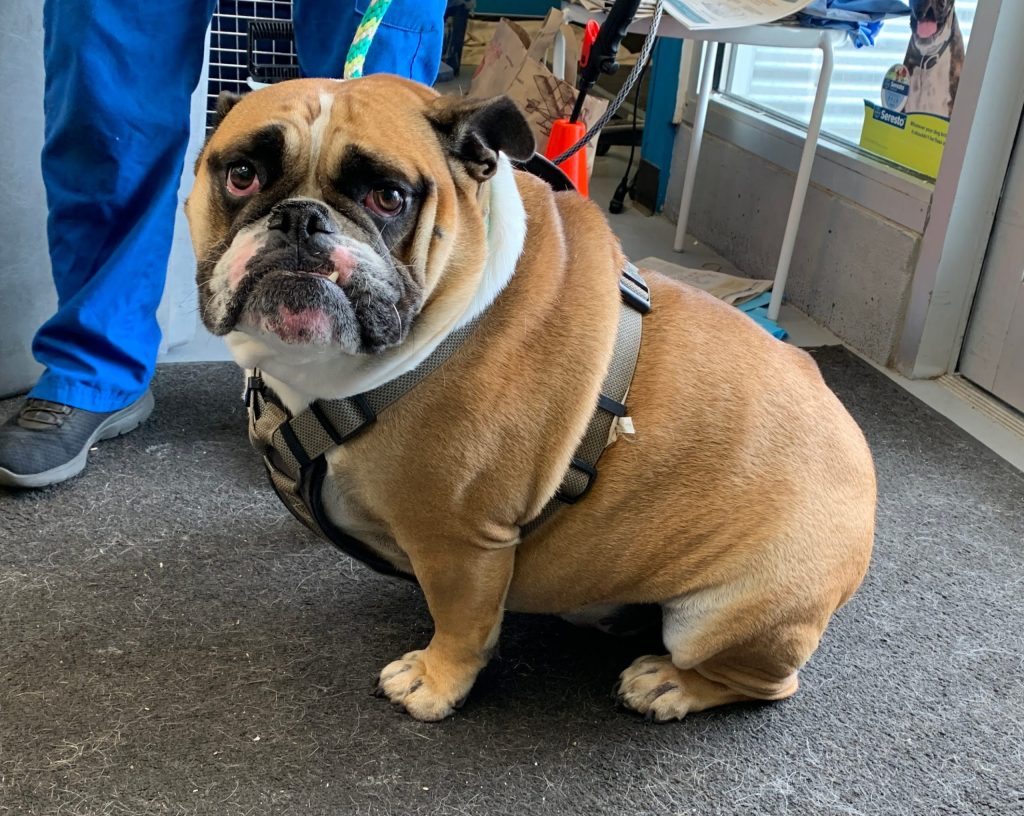
Investing time in increased physical activity can make a significant difference. Regular walks, engaging playtime, and mental stimulation will not only help maintain your pet’s physical health but also strengthen your bond. Offers of innovative toys that encourage physical movement, such as interactive laser toys for cats or fetch balls for dogs, can keep them active and entertained.
By staying informed and proactive, pet owners can play a pivotal role in ensuring that their furry friends lead healthier and happier lives. If you’re interested in tackling obesity, take the first step by educating yourself, exploring various strategies, and participating actively in your pet’s wellness journey. The rewards are immeasurable—not just for your pet’s health and happiness, but for your peace of mind knowing you have done right by your beloved companion.
DIVE DEEPER: Click here to uncover essential training tips
Understanding the Underlying Causes of Pet Obesity
To effectively combat pet obesity, it is crucial to analyze the underlying causes that contribute to this pressing issue. Multiple factors intertwine to create the perfect storm for excessive weight gain in pets, and awareness of these triggers is key to prevention. Among the primary contributors are poor dietary choices, sedentary lifestyles, and even genetic predisposition.
One of the most significant culprits behind pet obesity is poor dietary choices. Pet owners may unknowingly contribute to their furry friend’s weight issues by overfeeding or offering a diet high in calories and low in nutritional value. Many commercially available pet foods are filled with fillers instead of essential nutrients. Additionally, the temptation to provide frequent high-calorie treats can lead to overeating. Pet owners should be vigilant about reading pet food labels and choosing foods that meet their pet’s specific age, size, and activity level requirements.
Sedentary lifestyles have also become prevalent amongst pets, particularly with the rising trend of indoor living among pet owners. Pets, especially dogs, require regular exercise to maintain a healthy weight. Unfortunately, busy lifestyles may leave little time for outdoor activities, which can lead to lower energy expenditure and subsequent weight gain. According to the Association for Pet Obesity Prevention, less than 25% of dog owners engage in regular exercise with their pets. This lack of physical activity not only contributes to weight issues but can also lead to behavioral problems stemming from boredom and frustration.
Interestingly, certain genetic factors can also predispose pets to obesity. Just like humans, some breeds of dogs and cats may have a genetic tendency to gain weight more easily. For example, Labrador Retrievers and certain domestic cat breeds have been identified as being more prone to obesity compared to others. Therefore, it is vital for pet owners to factor in their pet’s breed and family history when assessing their weight and diet needs.
Recognizing the Signs of Obesity in Pets
Recognizing obesity in pets is essential for timely intervention. Pet owners should look for the following signs:
- Weight Gain: Noticeable increase in body weight over time.
- Difficulty in Breathing: Shortness of breath during moderate activities.
- Lack of Energy: Reduced interest in play or exercise.
- Visible Fat Deposits: Excess fat around the abdomen, legs, or neck.
- Difficulty in Grooming: Inability to groom themselves due to weight.
Stay vigilant for these indicators, as early detection is critical in addressing obesity-related health challenges. Monitoring your pet’s weight and behavior can influence their quality of life, and taking proactive steps now can make all the difference. By understanding the nuances of pet obesity, owners can empower themselves to implement effective prevention strategies, ensuring their beloved companions remain healthy and active.
Obesity in pets not only affects their physical appearance but also leads to substantial health issues that can significantly reduce their quality of life. Among the most concerning consequences are chronic conditions such as heart disease, diabetes, and joint problems. As pets gain excess weight, the strain on their bodies increases, leading to decreased mobility and a higher likelihood of injury or illness. Furthermore, obese pets often experience a shorter lifespan compared to their lean counterparts.Preventing obesity in pets begins with responsible feeding practices. Owners should monitor portion sizes and ensure their pets receive a balanced diet appropriate for their age, breed, and activity level. Regular exercise is also crucial. Engaging pets in daily physical activities such as walks, playtime, and interactive toys not only helps maintain a healthy weight but also strengthens the bond between owner and pet.Routine veterinary check-ups play an essential role in preventing obesity as well. During these visits, veterinarians can assess a pet’s weight and overall health, providing personalized recommendations tailored to individual needs. It is imperative for pet owners to be proactive about their pets’ health, as a few simple adjustments to their diet and lifestyle can lead to substantial improvements in their well-being.Moreover, understanding the risks associated with obesity may encourage pet owners to seek further information. Resources such as pet nutrition guides and weight management programs can provide valuable insights on maintaining a healthy weight for pets. Educating oneself about the signs of obesity, such as difficulty breathing, lethargy, and unwillingness to play, can help catch potential problems early.In conclusion, the impact of obesity on pet health is multifaceted and profound. By taking preventative measures, pet owners can improve their pets’ health and ensure a longer, happier life. The responsibility lies in educating oneself and monitoring pets’ health comprehensively, leading to a proactive approach that benefits both pets and their owners.
LEARN MORE: Click here for healthy nutrition tips for your pets
The Health Implications of Obesity in Pets
The consequences of pet obesity extend far beyond mere appearance; they can significantly impact a pet’s overall health and quality of life. Understanding these implications is crucial for pet owners who aim to maintain their furry companions’ well-being. Among the most concerning health issues associated with obesity in pets are diabetes, arthritis, cardiovascular disease, and even shortened lifespan.
Diabetes is a prevalent condition that has seen a marked increase in incidence among overweight pets. Similar to humans, pets can develop insulin resistance as a result of excessive weight, leading to diabetes mellitus. According to the Association for Pet Obesity Prevention, approximately 30% of obese dogs are diagnosed with diabetes. This condition requires lifelong management, which can be expensive and requires ongoing monitoring. The symptoms to watch for include increased thirst, frequent urination, and unexplained weight loss despite constant hunger.
Arthritis is another serious concern for overweight pets. Excess body weight places additional stress on joints, leading to inflammation and pain. This is particularly problematic for older pets or those with pre-existing conditions. For instance, a study conducted by the University of California found that dogs carrying excess weight were significantly more likely to develop osteoarthritis, hindering their ability to walk, play, and partake in daily activities. The net effect not only reduces mobility but also impacts their emotional well-being, as they may become less active and socially engaged.
Furthermore, cardiovascular diseases are more rampant in overweight pets. The added strain on the heart and lungs puts obese animals at a higher risk for conditions such as heart disease and hypertension. Pets with obesity-related cardiovascular issues often exhibit decreased stamina and difficulty during physical activities. A calmer, flatulent pet may not be merely lazy; they could be struggling with undiagnosed health problems. This underscores the need for regular veterinary check-ups to monitor heart health, particularly in breeds known to be susceptible to cardiac issues.
Moreover, studies have shown that obesity can lead to a shortened lifespan. A study published in the journal “Veterinary Medicine” discovered that overweight dogs lived, on average, 1.5 years less than their lean counterparts. This harrowing statistic emphasizes how vital it is for pet owners to implement preventive strategies early on. Obesity is often described as a silent epidemic in pets, and the reality is stark—an alarming 59% of cats and 54% of dogs in the United States are classified as overweight or obese, according to the Association for Pet Obesity Prevention.
Prevention Strategies for Pet Obesity
With the risks associated with obesity laid bare, it’s critical for pet owners to take proactive measures to prevent weight gain. One effective strategy is to adopt a balanced diet tailored to the pet’s specific needs, ensuring it is low in calories but rich in nutrients. Pet owners should consult with their veterinarian to develop a personalized meal plan that emphasizes portion control and high-quality food. Moreover, substituting unhealthy treats with healthier options, such as carrot sticks or apple slices, can help satisfy their pet’s cravings without adding unnecessary calories.
Incorporating regular exercise into a pet’s routine is equally essential. Engaging pets in daily walks, interactive play sessions, or even agility training can promote physical activity and mental stimulation. Implementing a structured playtime schedule can be particularly advantageous in combating sedentary behaviors that contribute to obesity.
Lastly, creating a motivating environment that encourages movement—such as using toys that promote active play or setting up obstacle courses—can effectively increase a pet’s activity level, helping them maintain a healthy weight while enjoying life to the fullest.
DISCOVER MORE: Click here to learn about choosing the best food for your dog
Conclusion
In conclusion, the impact of obesity on pet health is a pressing concern that requires immediate attention from pet owners across the United States. The alarming statistics revealing that nearly 59% of cats and 54% of dogs are classified as overweight or obese should serve as a wake-up call. The associated health risks—including diabetes, arthritis, cardiovascular disease, and a shortened lifespan—paint a stark picture of the consequences pets face when their weight is not managed properly.
Preventing obesity in pets is not merely about aesthetics; it is a commitment to ensuring their long-term health and happiness. By adopting a balanced diet that meets their nutritional needs and integrating regular exercise into their routines, pet owners can create a lifestyle that combats obesity effectively. Collaborating with veterinarians to establish personalized meal plans and engaging in interactive play can significantly enhance a pet’s quality of life.
Moreover, the responsibility lies not just with the pet owners but with the broader pet care community, including veterinarians, trainers, and pet food manufacturers. Together, they can raise awareness and provide the necessary resources to combat this growing epidemic. Addressing obesity in pets goes beyond individual efforts; it is about fostering a healthier future for our animal companions. As you embark on the journey to keep your pets healthy, remember that small, consistent changes can lead to profound improvements in their lives.