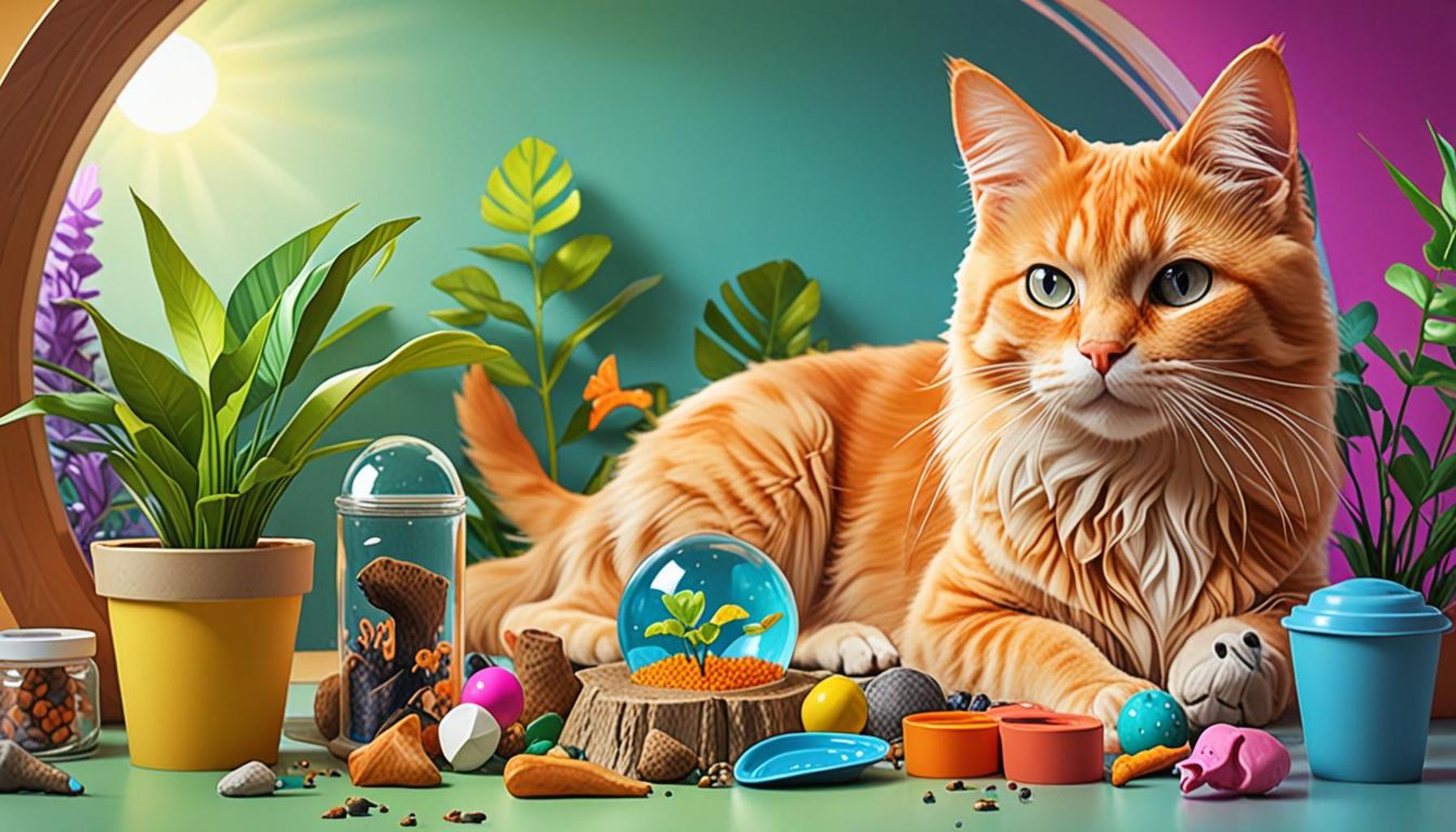
Tips for Creating a Safe and Comfortable Environment for Your Pet
Ensuring Your Pet’s Safety and Comfort
Providing a safe and comfortable sanctuary for your pets not only enhances their well-being but also fosters a happy atmosphere for both the pet and the owner. A well-thought-out living environment can minimize risks and create a space where pets can thrive.
As pet ownership continues to rise, with American households spending over $100 billion annually on pet products, it becomes increasingly evident that creating the optimum living conditions for our furry friends has become a priority for many. Here are some essential considerations to ensure that your pets feel right at home:
- Space: Ensure there is ample space for your pet to enjoy physical activities, explore, and find cozy corners to nap. For larger breeds, a room with enough space to roam freely is crucial, while smaller pets might benefit from designated play areas that are safe and engaging.
- Safety: Regularly inspect your home for potential dangers such as toxic plants like lilies or azaleas, which can be harmful if ingested. Additionally, secure exposed electrical cords and keep chemicals out of reach. Installing baby gates can also prevent curious pets from accessing unsafe areas of the home.
- Comfort: Invest in quality bedding that suits your pet’s size and sleeping style. A quiet, warm area away from household hustle and bustle promotes relaxation and reduces anxiety in pets, making it essential to identify their favorite spots in the house.
However, safety and comfort are just the beginning. Investing in your pet’s happiness involves a deeper understanding of their needs, which extends to their daily activities:
- Toys: Selecting interactive and durable toys is important for mental stimulation. Consider options like puzzle toys that challenge your pet to think and problem-solve, helping to reduce boredom and prevent destructive behaviors.
- Food: The importance of a balanced diet cannot be overstated. Choosing high-quality, species-appropriate food that meets nutritional requirements ensures your pets remain healthy and vibrant. Consulting with a veterinarian can provide insights into dietary adjustments relevant to age, breed, and health conditions.
- Routine: Just like humans, pets thrive on routine. Establishing a schedule for feeding, walking, and playtime can provide security and predictability. This structure helps pets adjust to their environment and strengthens the bond between pet and owner.
By focusing on these facets, you can create a nurturing retreat that not only keeps your pet safe but significantly enhances their overall quality of life. Delving into activities that spark joy or simply being attentive to their needs can lead to a fulfilling companionship. In the quest for that perfect haven for your furry companions, remember that each small detail contributes to their happiness and security, inviting you to further explore the joys of pet ownership.
DISCOVER MORE: Click here to read inspiring success stories

Fostering a Secure Atmosphere
Creating a safe and comfortable environment for your pet begins with understanding their unique behaviors and needs. Every animal, whether a curious cat or an energetic dog, has its own specific requirements that contribute to its sense of security and happiness. Taking time to recognize these factors can lead to a more harmonious living space.
One of the first steps in ensuring your pet’s safety is identifying hazards within your home. Household items that we often overlook can pose significant risks. For example, cleaning supplies, medications, and certain human foods such as chocolate or grapes can be toxic to pets. Keeping these substances in high cabinets or locked areas is essential. Additionally, be mindful of common household plants that are harmful to pets. A curious cat can easily nibble on a seemingly benign fern, leading to unexpected health issues.
Moreover, consider how your pet navigates its environment. Furniture arrangement plays a crucial role in their safety and comfort. Create clear pathways for your pet to move around without the risk of bumping into sharp edges or tripping over obstacles. For instance, removing clutter on the floor and ensuring that area rugs do not slide can help prevent accidents.
Another critical aspect of pet safety is identifying escape routes. If you live in an area with access to the outdoors, ensure that windows and doors are securely fastened. Use screens to prevent pets from jumping or falling out. Installing pet-proof locks can also deter adventurous cats or dogs who might be tempted to explore the outside world unsupervised.
Creating Cozy Spaces
While safety is paramount, comfort should not be overlooked. A cozy space encourages pets to feel secure and relaxed. Consider investing in multiple resting areas throughout your home, especially if you have more than one pet. Each resting area should be equipped with warm bedding that reflects your pet’s size and sleeping habits. For example, larger dogs may prefer a spacious dog bed, while cats may enjoy a soft blanket tucked into a secluded spot.
Temperature control is also an important factor in your pet’s comfort. Ensure that the environment is neither too hot nor too cold for them. Provide access to shaded areas during warmer months and cozy spots away from drafts in winter. You can even find pet-specific heating pads or cooling mats to regulate their temperature more effectively.
Incorporating enrichment activities tailored to your pet’s preferences can also enhance their comfort level. Interactive toys, scratching posts for cats, and chew-resistant toys for dogs can keep your pets busy and mentally stimulated. Providing such outlets not only prevents boredom but also contributes to their overall happiness.
By focusing on these fundamental aspects, you can build a safe and inviting haven that supports your pet’s emotional and physical needs. The journey to creating an ideal living space is an ongoing process that ultimately deepens the bond between you and your animal companion.
| Category | Details |
|---|---|
| Safe Spaces | Creating pet-friendly areas helps reduce anxiety and promotes relaxation. |
| Comfort Zones | Designate cozy corners with bedding and toys to encourage a sense of security. |
| Environmental Enrichment | Interactive toys and climbing structures can stimulate mental and physical activity. |
| Health Safety | Use non-toxic materials and keep hazardous substances out of reach to ensure your pet’s well-being. |
When creating a safe and comfortable environment for your pet, it’s essential to consider their unique needs. The concept of safe spaces can significantly minimize stress, enhance their overall mood, and foster a sense of belonging. Furthermore, establishing comfort zones with dedicated bedding allows pets to retreat whenever they feel overwhelmed. Incorporating environmental enrichment elements, such as toys that promote engagement, is vital for both mental stimulation and physical activity. When aiming to create a holistic pet-friendly space, pay attention to health safety by selecting materials that are free from harmful substances. This proactive approach not only safeguards your pet’s health but also reinforces the bond you share with them. Always ensure to replace any harmful toys or objects that may pose a risk, and closely monitor their interactions with their environment.By focusing on these aspects, you can significantly enhance your pet’s quality of life and create a nurturing atmosphere they thrive in.
DISCOVER MORE: Click here to learn about the impact of pet adoption
Enhancing Emotional Wellness
Beyond safety and physical comfort, emotional wellness is a critical component in creating a nurturing environment for your pet. Animals are intuitive creatures, and their mental state plays a significant role in their overall health and happiness. Addressing emotional needs can help alleviate stress, anxiety, and behavioral issues in pets.
One fundamental way to promote emotional wellness is through social interaction. Strengthening the bond with your pet can be achieved through regular playtime, training sessions, and simply spending quality time together. For dogs, activities such as playing fetch or going for walks can significantly improve their mood and energy levels. Cats, on the other hand, often benefit from engaging in interactive play with toys that mimic prey movements, providing mental stimulation that can keep them happy and content.
Additionally, incorporating a consistent routine can significantly reduce anxiety in pets. Animals thrive on predictability; knowing when to expect meals, playtime, and bathroom breaks helps create a stable environment. For instance, try to adhere to the same feeding schedule each day and establish a daily routine that includes regular exercise and socialization.
Moreover, consider the use of calming products designed specifically for pets. Products such as pheromone diffusers, anxiety wraps, and soothing supplements can help reduce stress and promote relaxation in anxious animals. These products can be particularly beneficial during stressful times, such as thunderstorms or fireworks, common sources of anxiety for many pets.
Creating Sensory Enrichment
Sensory enrichment is another vital aspect of a comfortable environment. Providing various sensory experiences can engage your pet’s curiosity and intelligence, contributing to their overall well-being. For example, consider installing a cat tree that offers climbing opportunities and perches for watching the world go by, which satisfies their natural instincts.
For dogs, incorporating a variety of textures and scents in their play area can be stimulating. Toys that hide treats, for instance, encourage mental engagement as pets work to solve the puzzle. Also, providing safe, natural foraging opportunities, like placing some treats in your yard’s grass, can keep their instincts alive and invigorated.
Additionally, rotating toys regularly can prevent your pet from becoming bored with the same objects. Engaging your pet’s senses through different toys and activities will help maintain their interest and promote a happy, healthy mindset.
Lastly, dedicating a quiet space where your pet can retreat during stressful times is crucial. This quiet zone should be away from the hustle and bustle of daily life—containing their favorite blankets, toys, and a comfy bed. This designated area acts as a sanctuary where they can retreat, recharge, and feel safe.
By focusing on enhancing emotional wellness and sensory enrichment, you contribute significantly to your pet’s happiness and comfort, creating an environment where they can thrive. Listening to your pet’s needs and being attentive to their emotional cues will foster a deep and fulfilling connection between you and your beloved companion.
DISCOVER MORE: Click here for essential tips on caring for elderly pets
Conclusion: Nurturing Your Pet’s Environment
Creating a safe and comfortable environment for your pet is an essential responsibility of pet ownership that directly influences their health and happiness. As we have explored, safety begins with assessing your home for potential hazards and ensuring a secure haven where your pet can roam freely. Providing a cozy space, equipped with their favorite beds and toys, is fundamental to promoting physical comfort.
Equally important are the elements of emotional wellness and sensory engagement, which can profoundly affect your pet’s behavior and overall demeanor. Social interaction cultivates a strong bond and aids in alleviating anxiety, while a consistent routine allows your pet to thrive in a predictable environment. The inclusion of calming products can also be a game-changer for anxious pets, ensuring they feel secure even during stressful situations.
Moreover, integrating sensory enrichment activities—like interactive toys and natural foraging opportunities—engages your pet’s mind and instincts, ultimately leading to a more fulfilled life. Remember, a dedicated quiet space can be invaluable for your pet, serving as a sanctuary where they can relax and recharge away from daily chaos.
In summary, by embracing these tips for a safe and comfortable environment, you not only attend to physical needs but also nurture your pet’s emotional health. This comprehensive approach will help forge a deeper connection between you and your furry companion, empowering them to lead a joyful and content life. As you take these steps, consider the unique needs of your pet and adapt your environment accordingly to foster their happiness and well-being.