The Importance of Environmental Enrichment for Pets
Unleashing Potential Through Enrichment
Imagine living in a world where your activities are limited, and boredom becomes a daily companion. Many pets experience this every day, leading to a range of behavioral problems, including anxiety and destructiveness. Environmental enrichment plays a crucial role in keeping pets mentally stimulated and physically engaged. By acknowledging the importance of enrichment, pet owners can ensure that their furry companions not only survive but thrive in their environments.
What is Environmental Enrichment?
Environmental enrichment involves providing pets with stimulating activities and experiences designed to enhance their quality of life. This practice transforms their environment into a more dynamic and engaging space, ensuring they live happier, more fulfilled lives. The elements of environmental enrichment can vary widely but are universally centered on the needs of the animals.
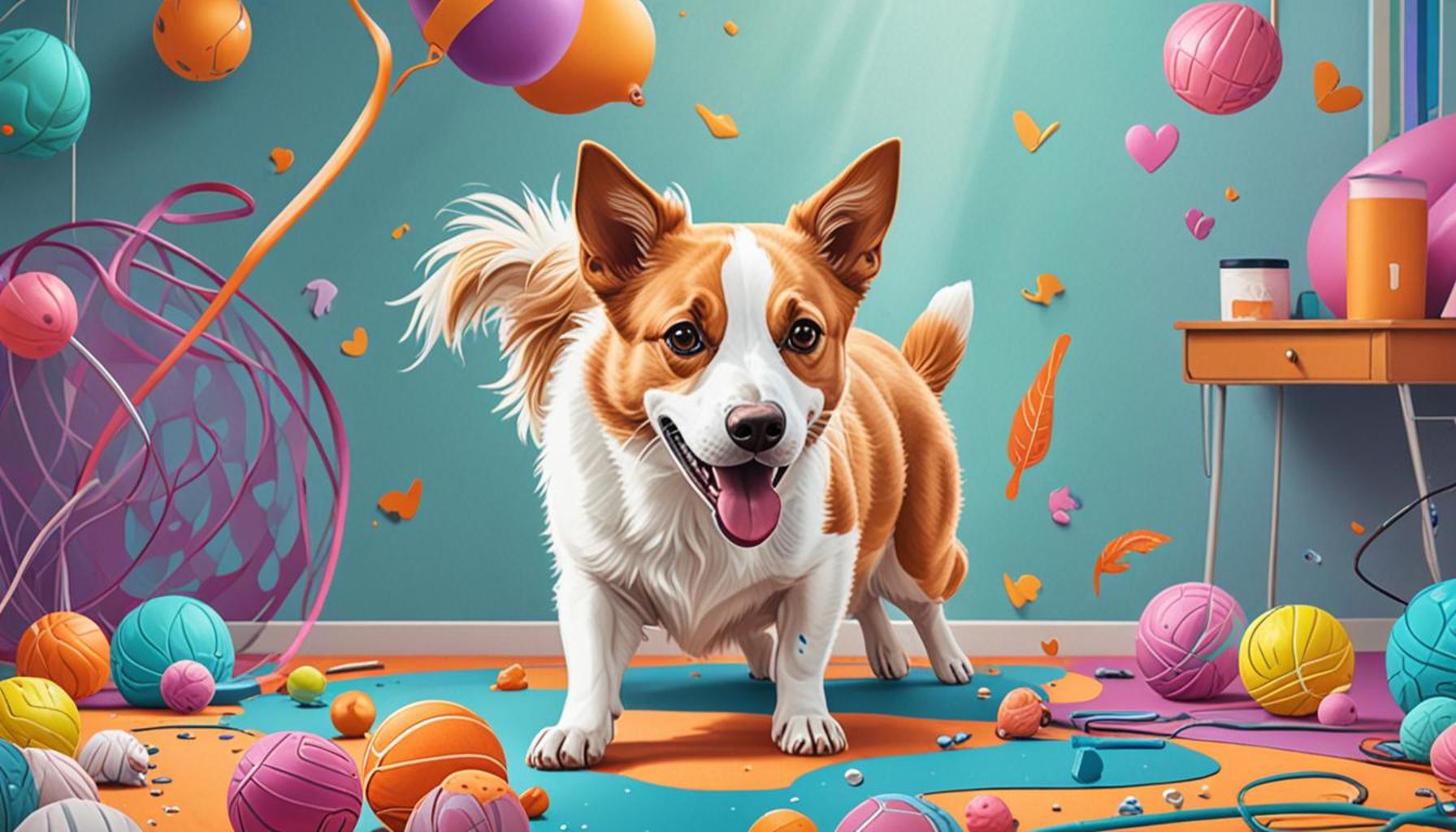
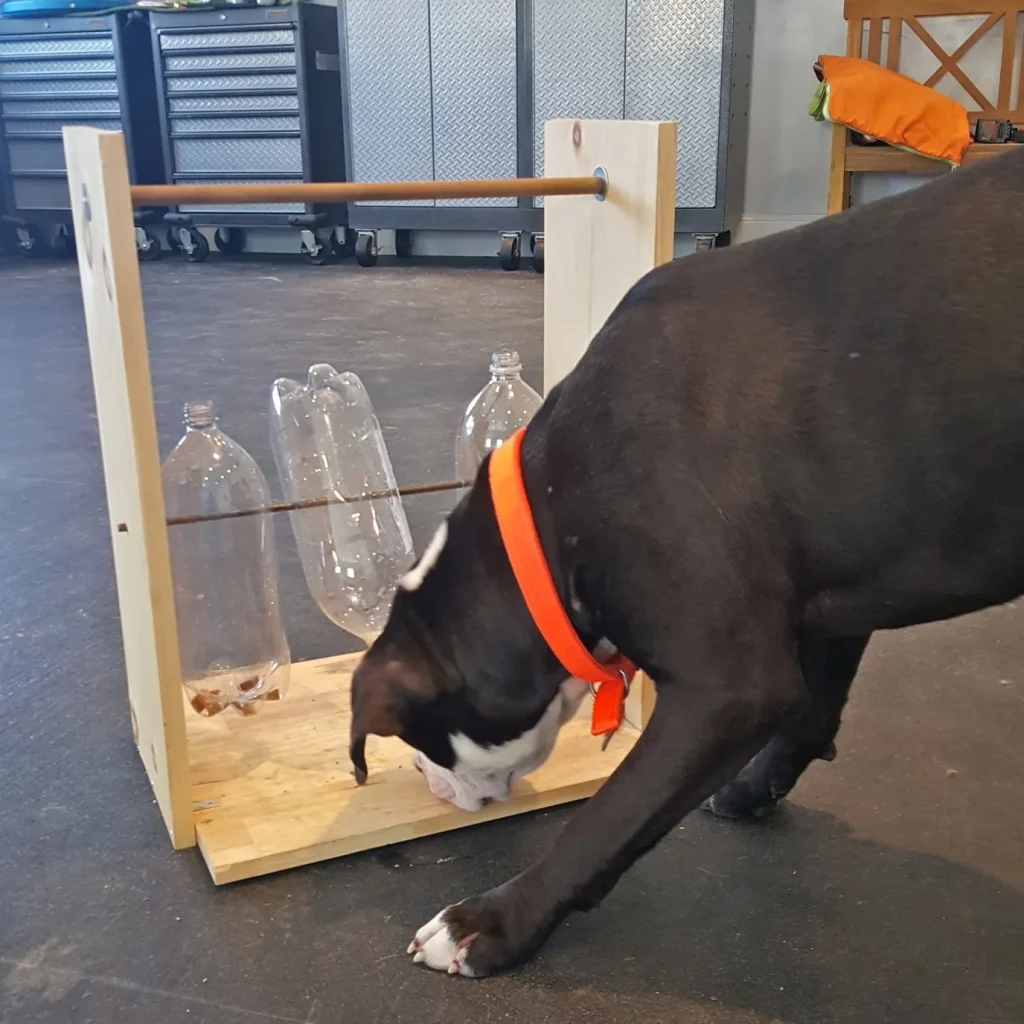
- Interactive Toys: These toys, such as puzzle feeders, treat-dispensing balls, and toys that encourage problem-solving, keep pets engaged and mentally stimulated. For example, a dog might enjoy a Kong stuffed with peanut butter, prompting them to work for their reward, while cats might thrive on interactive feather toys or laser pointers that cater to their hunting instincts.
- Varied Physical Spaces: Opportunities for pets to climb, hide, or explore are vital. Creating a cat-friendly environment with shelves, tunnels, and scratching posts can satisfy their natural instincts to climb and scratch, reducing stress and anxiety. For dogs, setting up an obstacle course in the backyard can foster their physical abilities while providing a fun workout.
- Social Interaction: Socialization is crucial for pets. Regular interaction with owners or other pets not only improves social skills but also meets their innate need for companionship. Dog parks or playdates can provide an excellent outlet for energy and social development, making for happier pets.
- Training Sessions: Engaging in training sessions using positive reinforcement techniques not only teaches pets new skills but also stimulates their brains. Whether it’s teaching a dog how to fetch or training a cat to come when called, these sessions enhance the human-animal bond and provide mental challenges that prevent boredom.
Incorporating these elements into a pet’s daily routine significantly enhances their overall well-being. Studies show that pets with enriched environments demonstrate lower stress levels and engage in fewer destructive behaviors. Furthermore, environmental enrichment can help alleviate common issues such as excessive barking in dogs or inappropriate scratching in cats.
As a pet owner, recognizing the significance of environmental enrichment is essential for fostering a fulfilled, healthy pet. By investing time and resources into creating an enriched environment, you not only improve your pet’s quality of life but also fortify the bond you share. The joy and companionship that come from a stimulated and engaged pet are truly rewarding, making environmental enrichment an indispensable aspect of responsible pet ownership.
DISCOVER MORE: Click here to learn how a natural diet can benefit your pets
Understanding the Benefits of Environmental Enrichment
As pets are increasingly recognized as family members, the concept of environmental enrichment has gained traction among pet owners. This initiative goes beyond providing basic needs such as food, water, and shelter. It involves creating a stimulating environment that meets the physical, social, and psychological needs of pets. The benefits are numerous, impacting everything from their overall health to their behavior.
The importance of environmental enrichment can be illustrated through its profound effects on animal well-being. Studies have shown that pets benefitting from enriched environments are generally happier, more active, and exhibit fewer behavioral issues. For instance, dogs that engage in interactive play are less likely to develop separation anxiety when left alone. Similarly, cats that have access to climbing structures and scratching posts are less prone to stress-related problems.
Types of Environmental Enrichment Activities
To achieve the greatest benefit for your pet, it is essential to explore the variety of activities that will engage their minds and bodies. Here are some noteworthy methods that can contribute to effective environmental enrichment:
- Sensory Stimulation: Incorporating various textures, scents, and sounds into your pet’s environment can greatly increase their engagement. For example, using scented toys or introducing sound-based puzzles can pique their curiosity and encourage exploration.
- Outdoor Experiences: Allowing your pet to experience nature can be incredibly enriching. Regular trips to parks or nature trails provide fresh scents, different terrains, and broader social interactions, making outdoor exploration a vital part of your pet’s routine.
- Interactive Feeding: Feeding time doesn’t have to be routine and mundane. You can use different feeding methods such as food scavenger hunts or toys that dispense food as pets play. This adds a layer of excitement to their meals and encourages their natural foraging instincts.
- Rotate Toys and Activities: Keeping things fresh is key to maintaining your pet’s interest. Regularly rotating toys and introducing new games can prevent boredom and keep engagement high, ensuring your pet remains mentally active.
Implementing these enrichment strategies not only satisfies a pet’s natural instincts but also fosters a sense of adventure and exploration. It is crucial to recognize that pets, much like humans, benefit greatly from variety and challenge in their daily lives.
By emphasizing the importance of environmental enrichment, pet owners can pave the way for a healthier, more dynamic interaction with their companions. The investment in time and creativity is minimal compared to the long-term benefits of reduced stress behaviors and an overall improvement in the quality of life for pets.
| Category | Details |
|---|---|
| Physical Stimulation | Incorporating toys, climbing structures, and obstacle courses promotes exercise and builds a pet’s muscle strength. |
| Mental Engagement | Puzzle feeders and training sessions enhance cognitive skills, preventing boredom and anxiety in pets. |
| Social Interaction | Allowing pets to interact with other animals or humans encourages healthy social behaviors. |
| Enrichment Opportunities | Environmental changes such as new scents or sounds heighten pet’s senses, keeping them alert and engaged. |
When considering the importance of environmental enrichment for pets, it becomes evident that providing diverse stimuli significantly enhances their quality of life. By offering both physical and mental challenges, pet owners can prevent behavioral issues, such as excessive barking or destructive tendencies. Ensuring that pets have access to a variety of must-have entertainment options not only meets their intrinsic needs but fosters a deeper bond between pets and their owners. Engaging our furry friends in play and exploration is not merely a pastime, but a vital aspect of their well-being that pet owners should prioritize. The more we understand and apply enrichment strategies, the happier and healthier our pets will be.
DIVE DEEPER: Click here for effective training tips
Enhancing the Quality of Life Through Structured Enrichment
The benefits of environmental enrichment extend far beyond mere entertainment for pets. When thoughtfully integrated into their routine, enrichment activities significantly improve their quality of life and can even enhance the bond between pets and their human companions. Understanding the importance of structured enrichment allows pet owners to create a more fulfilling environment that promotes not only physical activity but also fosters emotional security.
One compelling reason to prioritize environmental enrichment is the positive impact it has on cognitive development. Engaging pets in activities that require problem-solving not only entertains them, but also stimulates their minds, enhancing their ability to learn new commands and tricks. For example, puzzle feeders can challenge dogs and cats alike, encouraging them to think critically about how to access their food. Research has shown that cognitive engagement can improve agility and overall responsiveness, making pets more adaptable to various situations.
Social Interaction as a Key Component
Another crucial aspect of enrichment is social interaction, which plays a vital role in a pet’s emotional health. Pets thrive on socialization, whether with humans or fellow pets. Frequent playdates or visits to dog parks provide essential opportunities for dogs to socialize and develop vital communication skills with other canines. Likewise, cat owners can arrange for playgroups or interactions with other feline friends to reduce feelings of loneliness that may arise in multi-pet households. Studies show that pets with adequate social interaction tend to exhibit fewer signs of stress and anxiety, leading to more stable behaviors over time.
Moreover, integrating enrichment strategies can aid in minimizing behavioral issues that may manifest in confined living environments. For instance, dogs kept in apartments may develop destructive tendencies if they lack appropriate outlets for their energy. In contrast, introducing regular interactive play sessions or scheduled “outdoor adventure” days can significantly reduce hyperactivity and associated behavioral problems. This proactive approach not only curtails unwanted behaviors but also supports overall physical fitness, promoting a healthier body weight and enhancing cardiovascular health.
Understanding the Role of Enrichment in Different Life Stages
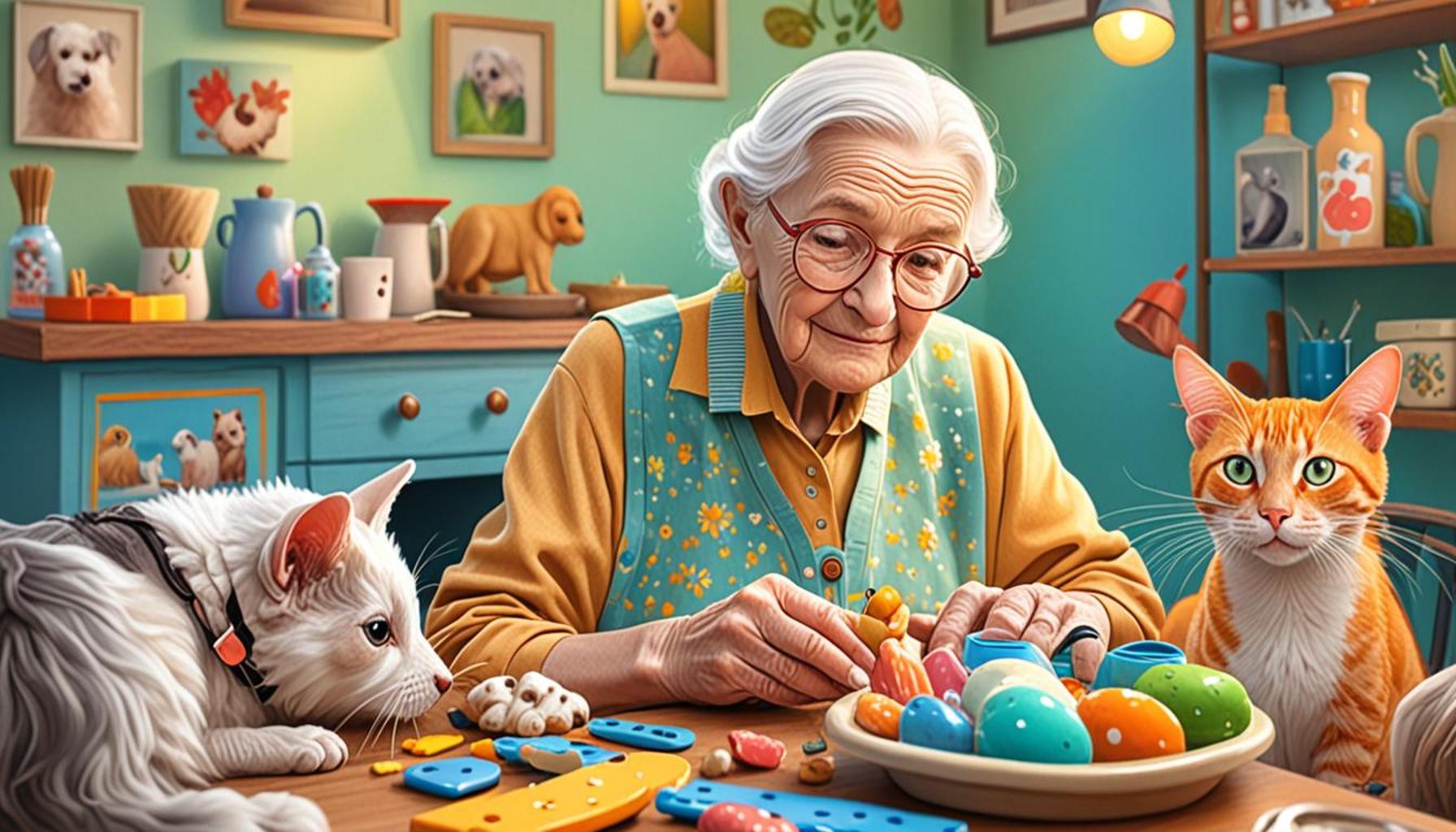
Environmental enrichment plays a vital role in accommodating pets through various life stages. Puppies and young animals are particularly receptive to enrichment experiences that promote physical coordination and social skills, which sets the foundation for well-rounded adult pets. Conversely, older pets may benefit from less strenuous activities tailored towards mental engagement. For example, seniors may enjoy scent trails, gentle interactive toys, or even just cozy spots where they can observe the world outside. These activities keep older pets engaged without demanding excessive physical exertion.
Implementing enriching strategies is not merely a suggestion but an essential component of responsible pet ownership. The significance of providing an engaging environment cannot be overstated; it is intrinsically linked to the overall happiness and health of pets. As responsible caregivers, it’s imperative for pet owners to actively seek methods that contribute to their pets’ welfare while nurturing their innate instincts.
LEARN MORE: Click here to discover the impact of pet adoption
Concluding Thoughts on Environmental Enrichment for Pets
In conclusion, the importance of environmental enrichment for pets cannot be overstated. It is a fundamental aspect of responsible pet ownership that not only enhances their physical well-being but also enriches their emotional and mental health. As we’ve explored, structured enrichment activities foster cognitive development, improve social interactions, and adapt to the varying needs of pets throughout their life stages. By implementing creative enrichment strategies, pet owners can ensure that their furry companions lead vibrant and fulfilling lives.
Moreover, engagement through activities such as interactive play, socialization opportunities, and cognitive challenges significantly mitigates behavioral issues while promoting a harmonious living environment. The research emphasizes that pets who experience adequate enrichment show reduced anxiety and stress, and exhibit more stable behaviors, ultimately leading to a more rewarding bond with their human counterparts.
As we strive to provide the best care for our pets, we must embrace the responsibility to create stimulating environments tailored to their natural instincts and needs. In a world where many pets face the challenges of confined living spaces and loneliness, prioritizing environmental enrichment becomes essential. By making this commitment, we not only enhance the quality of life for our pets but also deepen the connection we share with them, ensuring they live their happiest, healthiest lives. For pet lovers looking to further improve their pets’ quality of life, exploring various forms of enrichment is a journey worth undertaking, one that promises delightful rewards for both pets and their owners.