Special Care for Pets with Special Needs

The Importance of Tailored Care for Unique Pets
Every pet deserves love, attention, and tailored care, especially those with unique challenges. Caring for a pet with special needs often requires extra effort and understanding, as these animals may confront health issues, physical limitations, or behavioral challenges that necessitate a dedicated approach to their care. Providing appropriate care doesn’t just improve their quality of life; it can create profound bonds between pets and their owners, enriching both parties’ lives.
Some common examples of pets with special needs include:
- Blind or visually impaired animals: These pets require modifications in their environment to navigate safely. For instance, using textured pathways can help them understand their surroundings, while audible cues, such as wind chimes or bells, can guide them through spaces.
- Deaf pets: Communication becomes key when caring for a deaf pet. Owners can benefit from employing visual cues, such as hand signals or light flashes, to convey messages. Techniques like using a flashlight to signal commands can be effective, fostering a deeper connection despite the communication barrier.
- Pets with mobility issues: Mobility-challenged pets may need assistive devices or modifications to their living spaces. Wheelchairs for dogs or ramps can facilitate movement, while non-slip mats can prevent falls around the house. Owners can learn to adapt their environments to accommodate their pets’ needs, such as ensuring essential resources like food and water are easily accessible.
- Chronic health conditions: Conditions such as diabetes or arthritis require ongoing medical management. Consistent vet visits, appropriate dietary adjustments, and understanding medication schedules are crucial. Owners must monitor their pets closely for changes in behavior or health, ensuring they maintain optimal well-being.
Providing exceptional care for these pets can be incredibly rewarding. Understanding their specific needs allows pet owners to create a nurturing environment that promotes their well-being. With the right tools and strategies, owners can significantly enhance their pet’s quality of life. Additionally, supporting local veterinarians, specialized pet trainers, or therapists can provide valuable insights and assistance in managing a pet’s unique challenges.
Exploring the Benefits of Specialized Care
In this article, we will explore various aspects of special care for pets with special needs, including practical tips and resources for enhanced care. Owners can discover essential products, such as adaptive leashes or supportive beds, that make life easier for both pets and their families.
Furthermore, community support mechanisms available for caregivers play a pivotal role in sharing experiences and resources. Online forums, local meet-ups, and support groups can provide much-needed encouragement for owners navigating the complexities of caring for a special needs pet.
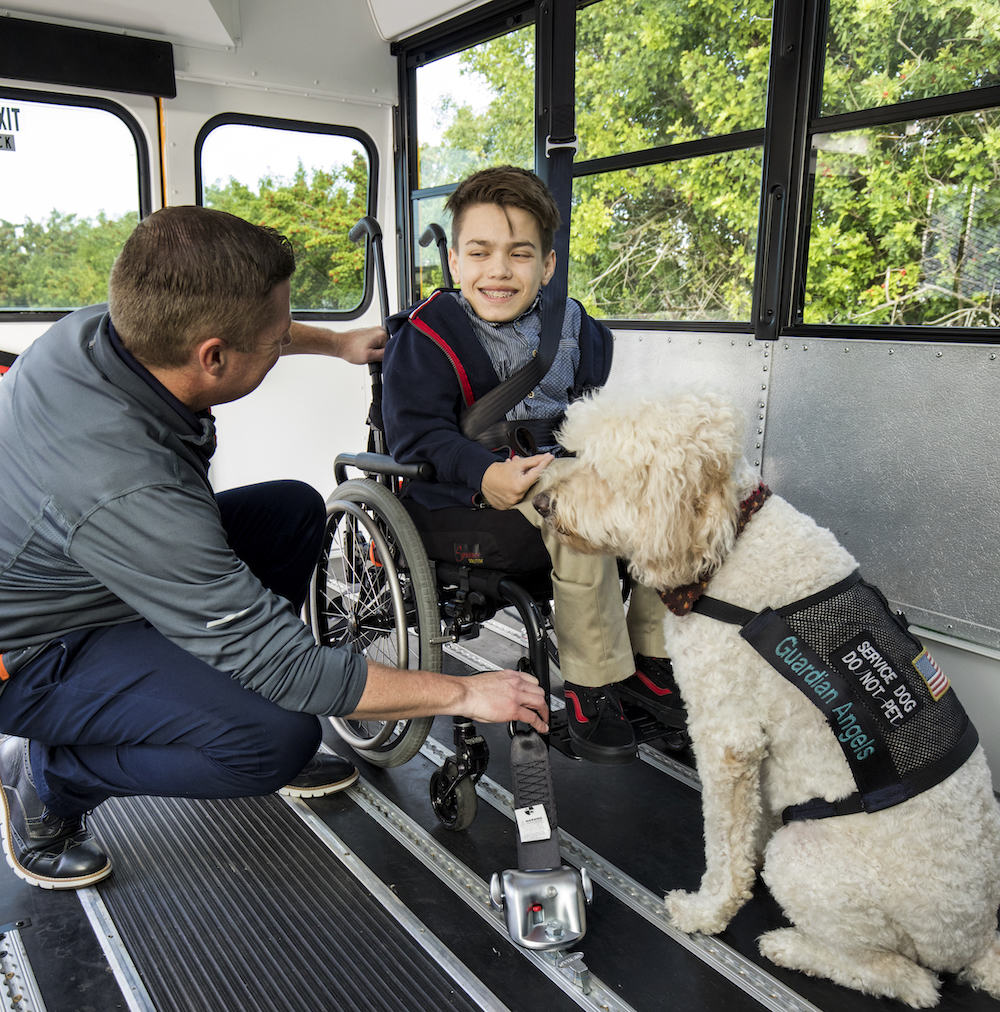
Understanding special care for pets is not only about addressing their immediate needs but also about celebrating their unique personalities and strengths. Let’s delve into the world of special needs pets and discover how to provide them with the exceptional care they truly deserve, transforming challenges into enriching experiences for everyone involved.
EXPLORE MORE: Click here to discover inspiring success stories
Understanding Unique Requirements and Care Techniques
Caring for pets with special needs is an evolving journey that encompasses understanding their unique challenges and implementing techniques that cater to their requirements. Each pet comes with its own set of needs that demand attention and innovation from their owners. By familiarizing themselves with the specific situations their pets face, owners can foster environments that not only accommodate but also celebrate their pets’ distinctive qualities.
To effectively provide special care for pets with exceptional needs, owners should consider the following essential areas:
- Environment Adaptation: Creating a safe and navigable environment is crucial. For blind or visually impaired pets, maintaining a consistent path free of obstructions is beneficial. Rotation of furniture can confuse them, so keeping their surroundings predictable allows them to develop confidence in moving around.
- Physical Support: For pets with mobility issues, physical support is essential. Investing in items such as orthopedic beds or mobility harnesses can improve their comfort and assist with physical activities. Additionally, ramps and step aids should be installed to facilitate access to areas they frequent.
- Nutritional Needs: Many pets with chronic health conditions require special diets to manage their ailments. For instance, diabetic pets may need high-fiber, low-sugar foods, while those with arthritis might benefit from anti-inflammatory ingredients. Consulting with a veterinarian to formulate a tailored diet plan is critical for their ongoing health.
- Behavioral Insights: Understanding behavioral challenges is vital for effective communication. For deaf pets, learning sign language or using visual signals enhances daily interactions. Additionally, building a routine can provide structure for animals, reducing anxiety and fostering a sense of security.
- Veterinary Care: Regular veterinary check-ups play a pivotal role in managing the health of pets with special needs. These visits are opportunities for pet owners to discuss medication regimens, symptom tracking, and any changes in behavior or physical condition. This ongoing relationship with a vet specialized in uncommon health issues builds a foundation for effective care.
Moreover, equipping pet owners with knowledge about their pets’ needs paves the way for improved day-to-day interactions. Many resources are available such as online guides, workshops, and community programs focused on special needs pet care. Building connections with other pet owners facing similar challenges can enrich the experience, creating a supportive network where shared experiences are celebrated.
Connecting with Experts and Communities
In addition to the hands-on care approaches, the role of experts cannot be neglected. Pet trainers specialized in behavioral therapy, veterinary technicians experienced with special needs animals, and even certified pet communicators can offer invaluable insights. Owners are encouraged to explore social media groups or local clubs to connect with experts and others who share their journey. Special care for pets with unique challenges is not solely about addressing needs—it’s about forming a thriving community that empowers both pets and their humans.
| Advantage | Explanation |
|---|---|
| Personalized Care Plans | Every pet has unique needs; tailored care plans ensure their well-being and comfort. |
| Enhanced Quality of Life | Specialized care can help pets live happier and healthier lives, improving their overall happiness. |
When it comes to providing the best for pets with special needs, incorporating a tailored approach is essential. This means understanding each pet’s individual requirements, whether they relate to medical conditions, mobility issues, or dietary restrictions. By crafting personalized care plans, pet owners can ensure that their furry friends receive the attention that aligns specifically with their needs.Furthermore, improving the quality of life for pets with special needs is paramount. The right adaptation in their environment, along with the use of appropriate resources, such as mobility aids or specialized diets, allows for sustained joy and health. Finding ways to enhance their daily experiences not only benefits their physical health but also nurtures their emotional well-being, creating a fulfilling companionship that lasts. The commitment to special care for pets with special needs unveils a world of possibilities, inviting pet owners to explore more effective solutions that promote welfare and joy.
DON’T MISS: Click here for essential feeding tips
Innovative Products and Technological Advancements
As the landscape of pet care continues to evolve, innovative products and technological advancements offer exciting solutions for fulfilling the needs of pets with special requirements. These developments not only enhance the quality of life for affected animals but also empower their owners to provide tailored care that respects their pets’ unique circumstances.
A plethora of products designed specifically for pets with special needs is now available in the market. For instance, pet wheelchairs have revolutionized mobility options for dogs and cats with rear leg paralysis. Companies like Eddie’s Wheels offer customized designs based on the animal’s specific dimensions and needs, allowing for a higher degree of independence and enhanced joy in life.
In the realm of health monitoring, wearable technology has made substantial strides. Smart collars equipped with GPS tracking and health monitoring can alert owners to changes in their pet’s behavior, movements, and even vital signs. For example, the FitBark collar provides pet owners with vital data regarding their pet’s activity levels, sleep patterns, and overall health, facilitating informed discussions with veterinarians regarding ongoing care.
Coping Mechanisms and Mental Well-being
Understanding that pets with special needs may also deal with emotional and mental challenges is critical. In many cases, anxiety can accompany physical ailments, leading to destructive behaviors or complete withdrawal. To address these concerns, pet owners can explore various options aimed at improving a pet’s mental well-being. Therapeutic toys and interactive puzzles can stimulate a pet’s mind while providing necessary exercise, keeping them engaged and less prone to anxiety.
Moreover, canine-assisted therapy for pets facing emotional difficulties can yield remarkable benefits. Programs like this often include training sessions focusing on social interaction and behavioral improvements while providing a safe environment for pets to explore with guidance. This initiative can foster positive relationships not only between pets and their owners but also among other animals in controlled settings, creating a sense of community.
Long-term Commitment and Support Systems
The care of pets with special needs is inherently a long-term commitment often leading to emotional, physical, and financial challenges. Many pet owners may find themselves overwhelmed by the demands that come with managing a pet with chronic issues. A support network can be invaluable. Local and online communities serve as great outlets for advice, encouragement, and shared experiences. Organizations like the Pets for Vets Foundation and the Pet Partners program are excellent resources for those seeking companionship and additional support.
Furthermore, engaging in continuous education about the specific disabilities or conditions affecting their pets can empower owners significantly. Awareness of new research and emerging therapies can lead to more informed decisions in care, ultimately benefiting the pet’s quality of life.
In the United States, numerous pet-focused conferences and webinars offer educational opportunities for pet owners. Events like the Pets & Vets Summit open doors to discussions on specialized health care, innovative products, and therapeutic techniques, emphasizing the importance of an informed pet community.
DISCOVER MORE: Click here to learn how a natural diet can benefit your pets
Conclusion
Caring for pets with special needs is a journey that requires a blend of compassion, creativity, and community. The advancements in innovative products and technological solutions have provided dedicated pet owners with an arsenal of tools designed to improve the lives of their beloved companions. From customized pet wheelchairs that foster mobility and independence to smart collars that facilitate constant health monitoring, these resources empower owners to be proactive in their pets’ well-being.
Moreover, understanding the importance of mental health is critical in the holistic care of pets with disabilities. Engaging pets with therapeutic toys and seeking out canine-assisted therapy can significantly alleviate anxiety while promoting psychological stability. These approaches not only improve the daily lives of pets but also strengthen the bond between animals and their owners.
It’s essential to acknowledge that the road may be challenging; however, connecting with support systems such as local and online communities provides invaluable resources and encouragement. Participating in educational events, like the Pets & Vets Summit, equips owners with the latest knowledge and strategies for effective care, ensuring that they remain well-informed partners in their pets’ journeys.
In conclusion, investing time, effort, and love into the care of pets with special needs holds the potential for profound rewards. By remaining open to learning, adapting, and seeking support, pet owners can enhance the quality of life for their cherished companions and cultivate a fulfilling companionship that transcends any physical limitations.