Preventive Care: How to Identify Signs of Illness in Pets

The Importance of Preventive Care in Pet Health
As loving pet owners, we naturally want to provide our furry companions with the best possible care. One of the most effective ways to ensure a long and healthy life for our pets is through preventive care. This proactive approach not only involves routine veterinary visits but also requires vigilance on our part to recognize the early signs of illness that may otherwise go unnoticed. By being attentive to our pets’ behaviors and health, we can often identify issues before they escalate into more serious conditions.
One of the key indicators of potential health issues is changes in appetite. A sudden increase or decrease in food intake can be a warning sign. For instance, if your usually enthusiastic eater becomes disinterested in meals, it may suggest dental issues or internal problems. Conversely, if your pet is begging for food more frequently, it could indicate conditions such as diabetes or hyperthyroidism. Monitoring your pet’s eating habits allows for early intervention and treatment.
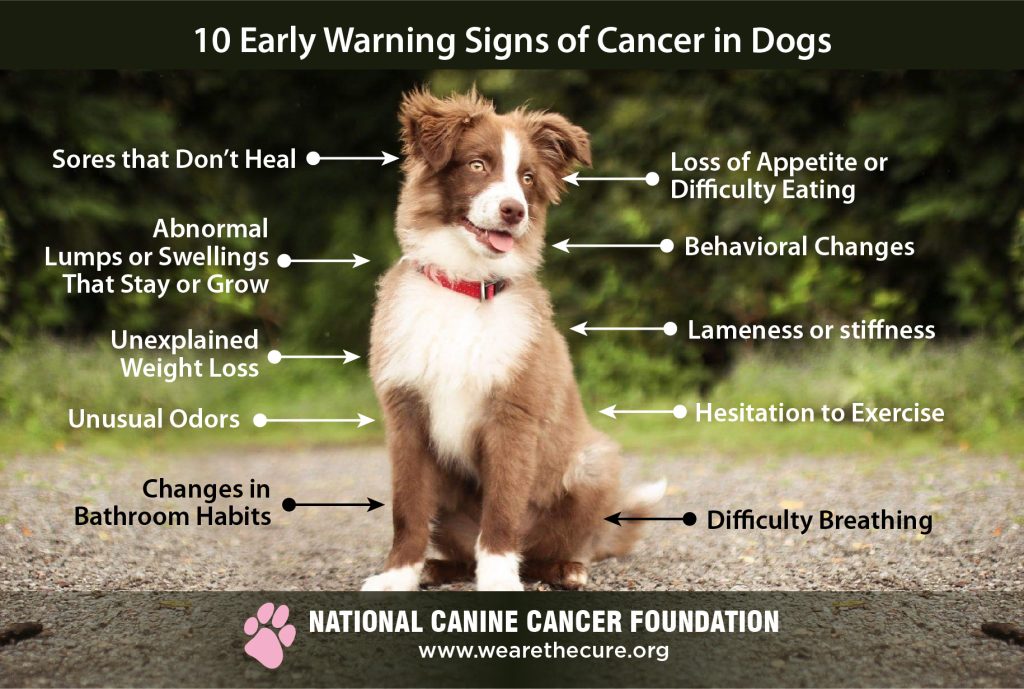
Unusual behavior is also a critical sign that something may not be right. If your pet exhibits increased lethargy, excessive hiding, or a lack of interest in play, it could indicate discomfort or illness. For example, a dog that typically enjoys walks but now resists them may be experiencing joint pain or fatigue. Keeping a close eye on these behavioral changes can lead to timely visits to the veterinarian for further assessment.
In addition to behavioral changes, physical symptoms can provide valuable insight into your pet’s health. Symptoms such as coughing, vomiting, or noticeable weight loss should never be ignored. A persistent cough might suggest respiratory issues, while vomiting could indicate gastrointestinal problems. If you notice drastic changes in body weight, whether gain or loss, it’s crucial to consult your veterinarian as these could be signs of serious underlying conditions.
Another important aspect to consider is your pet’s grooming habits. Excessive licking or refusal to groom can signal issues ranging from allergies to parasites or skin infections. Regularly inspecting your pet’s coat and skin not only promotes cleanliness but also helps you spot abnormalities early.
Incorporating regular check-ups into your pet care routine can significantly enhance their quality of life. While it may be easy to postpone these visits, staying consistent with preventive care is essential. Annual veterinary visits often include vaccinations, dental cleanings, and screenings for health issues, all of which can catch potential problems before they affect your pet’s overall well-being.
In conclusion, being informed and proactive about your pet’s health contributes to a stronger bond of happiness and well-being. By understanding what to look for and maintaining open lines of communication with your veterinarian, you equip yourself with the tools necessary to be the best pet parent possible.
DISCOVER MORE: Click here to learn why pet adoption is vital
Recognizing Early Warning Signs of Illness in Pets
Being in tune with your pet’s health can significantly improve their life span and overall quality of life. As pet owners, interpreting subtle signs of discomfort or illness is vital. While some symptoms are unmistakable, others may emerge gradually, thereby requiring keen observation. Here are critical warning signs that you should be aware of:
- Changes in Energy Levels: If your pet is unusually tired, seems disinterested in activities they normally enjoy, or frequently seeks solitude, take note. Decreased energy levels can indicate pain or illness ranging from arthritis in older pets to more serious conditions like infections or organ failure.
- Alterations in Bathroom Habits: Pay attention to your pet’s bathroom habits. Changes such as increased frequency of urination, difficulty urinating, or diarrhea may signify issues like urinary tract infections or gastrointestinal disturbances. Constipation, on the other hand, might indicate dietary imbalances or obstructions.
- Behavioral Changes: Pets are creatures of habit, and any significant changes in their usual behavior warrant a closer look. This could include sudden aggression, increased anxiety, or excessive vocalization, all of which can indicate distress or health problems.
Recognizing these signs early and understanding their significance can be critical in managing your pet’s health. Dental health is another area that should not be overlooked. Bad breath, difficulty eating, or swollen gums can all be indicative of periodontal disease, which, if left untreated, can lead to serious health complications affecting the heart and other organs. Regular brushing of your pet’s teeth at home, combined with professional cleanings, can help maintain oral health.
Furthermore, nutrition plays a crucial role in preventive care. A balanced diet tailored to your pet’s specific needs can prevent obesity-related issues and maintain overall health. If you notice any drastic changes in weight—either gain or loss—it may be time to reassess their food intake, feeding schedule, or even consider a veterinary consultation for dietary recommendations.
Lastly, environmental changes can also affect your pet’s health. Stressors such as moving house, new family members, or even changes in your daily routine may trigger behavioral changes or stress-related symptoms. Creating a stable, nurturing environment can minimize stress and promote better health.
In essence, being vigilant and proactive in identifying these signs early can lead to timely intervention and treatment, ultimately saving your pet from unnecessary discomfort or illness. Keep a detailed log of any symptoms you observe, as this information can be invaluable during veterinary visits. The culmination of regular preventive care, engagement in your pet’s everyday habits, and keen observation can significantly enhance their quality of life and longevity.
| Signs of Illness | What to Watch For |
|---|---|
| Lethargy | A sudden lack of energy may indicate underlying health issues such as pain or infections, warranting prompt veterinary attention. |
| Changes in Appetite | Changes in eating habits—whether decreased or increased food consumption—can reveal a plethora of conditions from dental issues to digestive disorders. |
| Vomiting/Diarrhea | These symptoms can indicate anything from minor dietary upset to serious infections or organ dysfunction that require immediate diagnosis. |
| Unusual Breathing Patterns | Abnormal breath sounds or changes in breathing frequency can suggest respiratory issues or heart disease, making it crucial to consult your veterinarian. |
Understanding these signs not only aids in early detection of potential illnesses but also significantly improves the outcome of treatment. Regular veterinary check-ups are strongly recommended as part of preventive care, ensuring your pets maintain optimal health. Observing your pet’s behaviors and habits closely can provide vital clues that enhance their well-being.
EXPLORE MORE: Click here for practical cat training tips
Maintaining a Routine for Health Monitoring
Preventive care doesn’t just happen during annual veterinary visits; it requires a consistent and proactive approach from pet owners. Establishing a routine for monitoring your pet’s health can be quite beneficial, serving both as an early detection system for potential issues and as a tool for maintaining optimal well-being. Some of the most effective strategies include regular health check-ups, at-home examinations, and consistent communication with your veterinarian.
Regular Vet Visits: scheduling regular check-ups is crucial in preventive care. Many conditions can develop silently, and routine veterinary visits can help catch these issues before they escalate. Most pets should have at least one check-up a year, but for older pets or those with chronic health issues, biannual visits are often advised. During these visits, your veterinarian can perform comprehensive examinations, update vaccines, perform blood tests for early disease detection, and offer tailored advice based on your pet’s specific lifestyle and needs.
At-Home Health Assessments
In addition to professional assessments, becoming adept at performing at-home health evaluations can empower you as a pet owner. This method allows you to stay informed about your pet’s health status on an ongoing basis. Here are some practical tips on what to look for:
- Skin and Coat Inspection: Regularly check your pet’s skin for signs of irritation, lumps, or excessive scratching. A dull coat may be a sign of nutritional deficiencies or health issues.
- Ears and Eyes: Clean ears and clear eyes are typically indicators of good health. Any discharge, odor, or redness can suggest infections that require veterinary attention.
- Weight Monitoring: Weigh your pet routinely and maintain a log of their weight changes over time. A sudden increase or decrease in weight could reflect underlying health concerns such as metabolic disorders or stress.
The Importance of Vaccinations and Preventative Treatments
Staying on top of your pet’s vaccinations and preventative treatments is equally vital. Vaccinations protect your pet from serious illnesses, while medications such as flea and tick preventatives safeguard against parasites that can carry diseases. Be sure to discuss any specific health risks your pet may face with your veterinarian, as some regions may have increased prevalence of certain conditions, necessitating additional vaccinations or treatments.
Understanding Specific Breeds: It is also prudent to familiarize yourself with breed-specific health risks. For instance, certain breeds are predisposed to genetic disorders that may manifest early in life. By being aware of these potential issues, you can watch for specific symptoms that may arise.
Incorporating these practices into your routine can create an ongoing dialogue about health that both you and your veterinarian can benefit from. By fostering an open line of communication, you’ll be better prepared to detect early signs of illness and take appropriate action quickly. Every pet is unique, and what works for one may not work for another, making it essential to tailor your preventive care efforts to best suit your furry companion.
Ultimately, the essence of preventive care lies in the power of vigilance and education. By cultivating an understanding of your pet’s health needs and being proactive, you can play a significant role in enhancing their quality of life.
LEARN MORE: Click here to discover the impact of pet adoption
Final Thoughts on Preventive Care for Pets
In the realm of pet ownership, preventive care stands as a linchpin in ensuring your furry companions live long, healthy lives. Understanding how to identify signs of illness is not merely beneficial; it is essential. As discussed, the journey begins with regular vet visits, which allow for the early detection of potential health issues, along with at-home health assessments that empower you to be vigilant and proactive.
Equipping yourself with knowledge about your pet’s specific health needs—including awareness of breed-specific risks—enhances your ability to catch subtle changes that may signal underlying problems. Combined with a solid understanding of vaccination and preventative treatment protocols, you create a comprehensive shield against potential ailments.
More than just an obligation, preventive care is an active, ongoing conversation between you and your veterinarian, paving the way for a healthier, happier life for your pet. According to the American Veterinary Medical Association (AVMA), pets that receive consistent preventive care generally exhibit lower rates of chronic diseases, translating to enhanced quality of life and longevity.
As dedicated pet owners, the responsibility rests on us to cultivate a proactive mindset and strive for excellence in health management. So, stay engaged, remain observant, and don’t hesitate to consult with your veterinarian if you notice any changes in your pet’s behavior or health status. Your commitment to their well-being will undoubtedly pay off, leading to many joyful moments together in the years to come.