The Effects of Natural Feeding on Pet Health
Understanding the Connection Between Natural Feeding and Pet Health
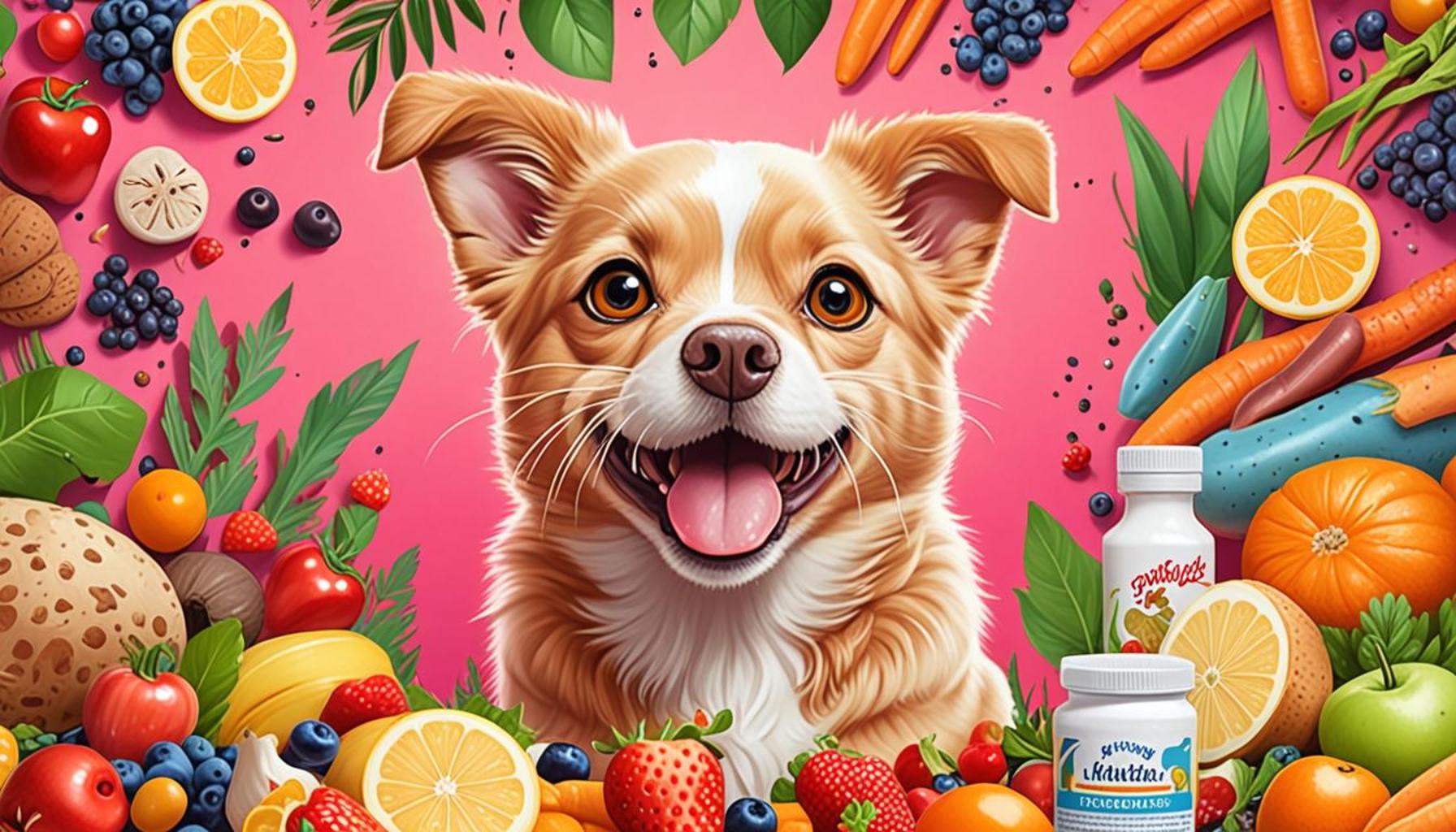
The choice of pet food can significantly affect your furry friend’s overall health. With numerous options available, many pet owners are exploring natural feeding as a viable approach to enhance their pets’ well-being. Studies suggest that animal diets rich in whole, natural ingredients can lead to remarkable health benefits. But what does this mean for your pet?
Here are some key aspects to consider about natural feeding:
- Improved Nutritional Balance: Natural diets often contain higher levels of essential nutrients. Unlike commercial kibble, which may include fillers and artificial additives, natural pet food typically consists of whole meats, fruits, and vegetables. For instance, a diet that integrates lean meats like chicken or beef, along with leafy greens such as spinach and carrots, can provide essential vitamins and minerals necessary for your pet’s development and immune function.
- Better Digestion: Whole foods tend to be easier for pets to digest, reducing gastrointestinal issues. Many dogs and cats struggle with grains and processed ingredients found in conventional pet food, which can lead to bloating or diarrhea. By shifting to a natural diet, which often has fewer processed components, owners frequently report smoother digestion and less incidence of gastrointestinal upset.
- Healthier Skin and Coat: Ingredients like omega fatty acids can promote a shinier coat and healthier skin. For example, incorporating fish oil or flaxseed oil into your pet’s diet may help combat dryness and improve coat quality. There have been numerous testimonials from pet owners who noticed significant enhancements in skin condition and fur texture after transitioning their pets to a natural diet.
Furthermore, pets consuming natural diets may experience a decrease in allergies and food sensitivities. Many pet owners have noticed fewer instances of itchy skin or gastrointestinal distress when feeding their pets whole, unprocessed foods. Additionally, a natural diet can lead to improvements in energy levels, behavior, and overall vitality. For instance, dogs fed a balanced, natural diet often display increased activity levels and decreased hyperactivity, reflecting a well-rounded nutritional profile.
The trend towards holistic pet care is not just popular; it reflects a growing awareness of the links between nutrition and health. It encourages pet owners to investigate ingredients more thoroughly and understand how they affect their pets’ well-being. With access to a wealth of information online and in local communities, many are asking whether providing a natural diet is feasible for their lifestyle and budget.
As you delve deeper into the world of pet nutrition, it’s essential to understand how shifting to a natural feeding regimen can profoundly influence your pet’s quality of life. Expert veterinarians suggest conducting thorough research, consulting with pet nutritionists, or even considering a tailored meal plan that incorporates natural ingredients. Embracing this natural approach can lead to a holistic improvement in your pet’s health, making every tail wag and purr worth the effort. Explore the science, benefits, and practical tips for implementing a natural feeding strategy that suits your beloved companion.
DON’T MISS: Click here for essential feeding tips
The Health Benefits of Natural Feeding for Pets
In recent years, the push towards natural feeding for pets has surged in popularity, as pet owners become increasingly aware of the profound impact diet has on health. Shifting from traditional processed pet foods to more wholesome, natural alternatives can lead to significant health improvements for your furry friends. Let’s explore the various ways natural feeding can benefit your pet’s health.
One of the most compelling aspects of natural feeding is its ability to promote a robust immune system. A diet rich in whole foods provides essential nutrients that foster overall immune health. Ingredients such as lean proteins, fresh fruits, and vegetables are packed with antioxidants, vitamins, and minerals that strengthen your pet’s natural defenses. For example, foods high in vitamin C, like blueberries, can help support immune function while reducing the risk of chronic diseases.
The change to a natural diet can also have a dramatic effect on a pet’s energy levels. Many pet owners report that their pets demonstrate increased vitality and enthusiasm for playtime after transitioning to a diet free of artificial fillers and preservatives. This surge in energy can often result from better nutrient absorption and balanced dietary composition. With a diet that suits their biological needs, pets can enjoy more active lifestyles, which is crucial for their physical and mental well-being.
Another noteworthy benefit of natural feeding is its potential impact on weight management. Obesity in pets has become an epidemic, contributing to a range of health issues, from diabetes to joint problems. Natural diets, which typically emphasize whole foods over processed options, allow for more precise calorie control and healthier ingredient choices. By providing pets with proper portion sizes and nutrient-dense selections, owners can help their pets maintain an ideal weight, thus enhancing their quality of life.
Potential for Reducing Allergies and Sensitivities
One of the most heartwarming aspects of natural feeding is its potential to reduce allergies and food sensitivities in pets. Many commercial pet foods contain common allergens, such as grains and artificial additives, which can trigger adverse reactions in sensitive pets. By opting for a natural, ingredient-focused diet, pet owners may find that their pets experience fewer instances of itching, skin irritations, and gastrointestinal discomfort.
Moreover, natural feeding can positively influence mental health and behavior. Pets that receive balanced and nutritious diets tend to exhibit fewer behavioral issues, such as anxiety or hyperactivity. With a well-rounded nutrient profile that supports brain health, pets are more likely to engage in stable and relaxed behavior, leading to happier interactions with both humans and fellow animals.
As you consider making the transition to natural feeding for your pet, it’s essential to keep in mind the importance of quality and balance in their diet. Expert nutritionists recommend selecting organic or minimally processed ingredients to maximize health benefits. A thoughtful approach to natural feeding can pave the way for a cleaner, healthier lifestyle for your beloved companion, enhancing not just their physical health but their mental and emotional vitality as well.
The Effects of Natural Feeding on Pet Health
Natural feeding is not simply a trend; it represents a significant shift in how pet owners approach their furry companions’ nutrition. The foundation lies in understanding that natural diets, rich in whole ingredients and free of artificial additives, contribute not only to the overall well-being of pets but also improve their quality of life. This section delves deeper into the advantages of adopting a natural feeding regimen for pets.
| Nutritional Benefits | Specific Health Improvements |
|---|---|
| Optimal Nutrient Intake | Supports immune function, ensuring pets have stronger defenses against diseases. |
| Better Digestion | Reduces issues like gas and bloating, ultimately leading to more comfort. |
| Weight Management | Natural feeding promotes healthy weight, preventing obesity-related health risks. |
| Skin and Coat Health | Enhances skin quality and producing a glossier coat, making pets look and feel great. |
The relationship between natural feeding and pet health is supported by various studies showcasing that a diet comprised of whole foods can significantly affect pets’ vitality and longevity. Additionally, owners who opt for natural feeding often notice changes in their pets’ energy levels and overall demeanor, reflecting their improved health status. Exploring various methods of natural feeding is key to unlocking new opportunities for pets to thrive and lead happier lives.
FOR MORE INSIGHTS: Click here to learn how to enhance your senior pet’s quality of life
Navigating the Transition to Natural Pet Feeding
Transitioning your pet to a natural feeding regimen might seem like a daunting task, but understanding the nuances can make the change smoother and more beneficial for your pet’s health. It is crucial for pet owners to educate themselves on how different foods impact their pet’s well-being and to adopt a gradual approach to changing their diets. A sudden shift could lead to gastrointestinal disturbances, such as diarrhea or vomiting, which may discourage further attempts. Therefore, a careful introduction to a new diet can help mitigate these risks.
Here are some vital tips to consider when changing your pet’s diet to natural feeding:
- Research Quality Ingredients: As pet food labels can be confusing, it’s essential to familiarize yourself with reputable brands that prioritize whole food ingredients. Look for those made with real meats, fruits, and vegetables while steering clear of fillers and synthetic additives.
- Gradual Introduction: Start by mixing a small amount of the natural food with your pet’s current diet, gradually increasing the proportion of the new food over a week or two. This method will help your pet adjust and can alleviate potential digestive issues.
- Consult a Veterinarian: Discussing dietary changes with a vet is crucial. They can provide tailored advice based on your pet’s specific health needs, age, and activity level. They can also recommend appropriate supplements if your pet requires them.
- Monitor Your Pet’s Response: Keep a close eye on your pet’s behavior and health during the transition. Look for improvements in energy levels, coat condition, and overall demeanor. Any adverse reactions should be promptly reported to your veterinarian.
The Economic Implications of Natural Feeding
While the health benefits of natural feeding are apparent, there may also be economic implications that pet owners should consider. Premium ingredients often come at a higher cost, which may raise concerns about the affordability of maintaining such a diet. However, it’s essential to recognize the long-term savings associated with improved pet health. Healthier pets often require fewer veterinary visits, less medication, and have lower chances of chronic health issues.
Moreover, some pet owners have found that making meals at home offers an economical alternative to premium commercial natural pet foods. By utilizing fresh, available ingredients, you can create balanced meals tailored to your pet’s unique needs while potentially decreasing overall expenses.
The Role of Natural Feeding in Aging Pets
Another area where natural feeding can have a profound effect is in the health of aging pets. As pets age, their dietary needs change. Natural feeding can cater to these shifting requirements by providing more easily digestible ingredients and tailored nutrients to combat age-related issues. For instance, including glucosamine-rich foods can support joint health, while antioxidants may help keep cognitive functions sharp in senior animals. Moreover, the absence of additives in natural foods can lower inflammation in older pets, ultimately improving their mobility and quality of life.
Ultimately, embracing a natural feeding strategy can lay a strong foundation for your pet’s overall well-being. By conducting thorough research, taking measured steps during the transition, and remaining attuned to your pet’s reactions and needs, you can harness the transformative benefits of a natural diet. This comprehensive approach not only strengthens the bond between pet and owner but assists in unlocking a happier, healthier future for your beloved companions.
DISCOVER MORE: Click here to learn about the impact of pet adoption
Conclusion: The Transformative Power of Natural Feeding
In conclusion, the effects of natural feeding on pet health are profound and far-reaching. By prioritizing whole, minimally processed ingredients in your pet’s diet, you can positively influence their overall well-being. From enhanced energy levels and improved coat condition to a decreased risk of chronic illnesses, the benefits are evident. Notably, the transition to natural feeding doesn’t have to be overwhelming; with careful research and gradual adjustments, pet owners can make informed choices that align with their pets’ health needs.
As highlighted, consulting with a veterinarian is essential to ensure a balanced diet that meets your pet’s specific requirements. Furthermore, while natural feeding may present economic considerations, the long-term benefits, both in health and potential savings on veterinary care, can outweigh initial costs. Home-cooked meals also offer a practical solution for those seeking a more personalized approach to their pet’s nutrition.
Moreover, for aging pets, a shift to a natural diet can significantly enhance the quality of life by providing tailored nutrients that address age-related issues. The absence of artificial additives can lead to reduced inflammation, supporting mobility and cognitive function in senior animals.
Ultimately, embracing a natural feeding regimen can serve as a commitment to fostering a healthier future for your furry companions. As pet owners, we hold the key to unlocking their full potential for happiness and longevity through informed dietary choices. Invest the time and effort into understanding your pet’s nutritional needs, and reap the rewards of a healthier, more vibrant life together.