The Importance of Veterinary Check-ups: What to Expect and When to Do Them
The Vital Role of Veterinary Check-ups
Regular veterinary check-ups are an essential component of responsible pet ownership, serving as a cornerstone for maintaining the health and well-being of your beloved furry friends. These visits not only facilitate crucial screenings but also create a dialogue between pet owners and veterinarians about the overall health status of the animal. Through these interactions, pet owners can gain insights into their pet’s specific needs, helping to ensure that their companions enjoy long, vibrant lives.
So, what can you expect during these all-important appointments? Here are some of the key elements you should anticipate:
- Comprehensive Examinations: The core of every veterinary visit involves a thorough physical examination. During this evaluation, a veterinarian will assess various aspects such as your pet’s weight, coat condition, heart rate, and overall behavior. Particular attention may be paid to areas prone to health issues, such as the ears, eyes, and dental health. For instance, many small breeds are susceptible to dental diseases, making regular check-ups crucial for early detection.
- Vaccinations: Vaccinations play a pivotal role in safeguarding your pet from common yet serious illnesses. Veterinarians will review your pet’s vaccination history and recommend updates as necessary. For example, vaccinations against rabies, distemper, and parvovirus are vital for dogs, while cats may need protection against feline leukemia and panleukopenia. Keeping these vaccinations current not only protects your pet but also contributes to public health safety.
- Preventive Care: Beyond vaccinations, your vet will provide recommendations for parasite prevention, nutrition, and dental care. Regular treatments against fleas, ticks, and heartworms are essential, particularly in warm climates. Additionally, tailored nutritional advice can help manage your pet’s weight and promote longevity, while dental health routines might include professional cleanings or at-home care strategies.
Timing is crucial when scheduling veterinary visits. Generally, the following guidelines are recommended:
- Puppies and Kittens: Initial visits should occur as early as 6-8 weeks old. These appointments set the foundation for a healthy start, allowing for vaccinations and essential health screenings that are crucial during this formative period.
- Adult Pets: For healthy adult animals, annual check-ups are ideal. Routine visits can help catch any emerging health issues before they become serious, ensuring that pets remain healthy and active.
- Senior Pets: For older pets, semi-annual visits are advised to monitor age-related health concerns. Conditions such as arthritis, diabetes, or kidney issues often arise in senior pets, making regular evaluations critical for management and treatment.
Understanding the importance of these veterinary visits not only empowers pet owners to provide better care but also fosters a deeper bond between them and their pets. By being proactive and informed, pet owners can look forward to a healthier, happier future for their companions, ensuring they receive the love and care they deserve.
DISCOVER MORE: Click here for essential dog nutrition tips
What Happens During a Veterinary Check-up?
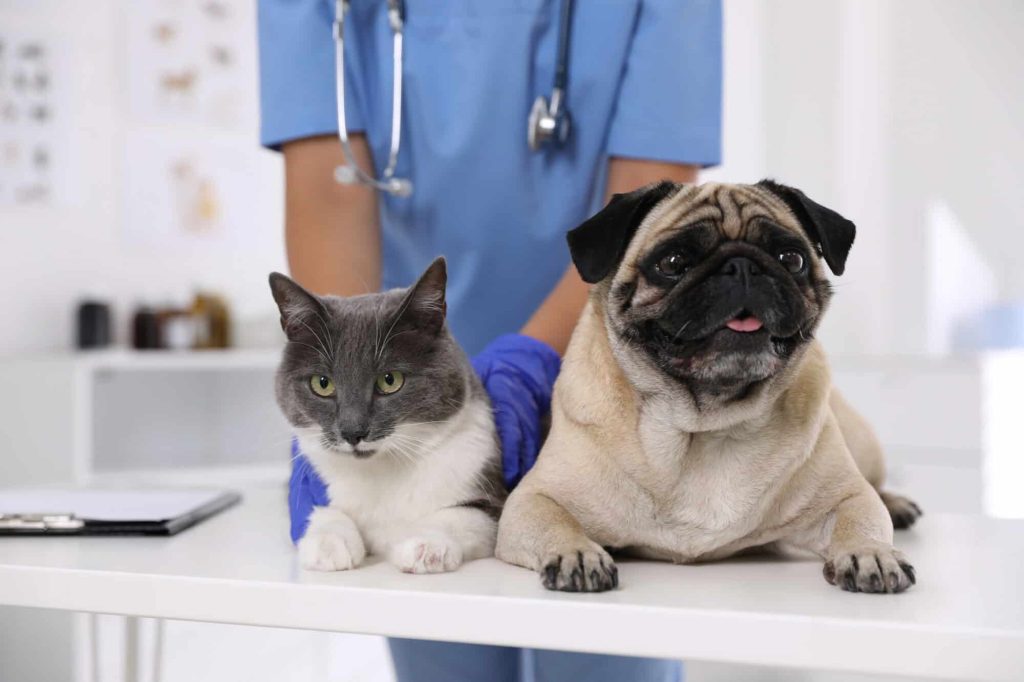
When you schedule a veterinary check-up for your pet, anticipation often fills the air alongside concern for their well-being. Understanding what transpires during these appointments can help ease any apprehensions and empower you as a responsible pet owner. Here’s a closer look at the essential components of a veterinary visit:
- Detailed Medical History Review: Before the examination begins, your veterinarian will ask about your pet’s medical history, including any previous health issues, behavioral changes, or notable symptoms you’ve observed at home. This dialogue helps the vet form a comprehensive understanding of your pet’s health and tailor the examination to their unique circumstances. Providing accurate information can lead to early detection of potential problems.
- Routine Health Screenings: A vital aspect of every check-up is routine health screenings, which may include blood tests, urinalysis, or fecal examinations. These tests can uncover hidden health issues such as kidney disease, diabetes, or parasitic infections that are not immediately visible during a physical examination. Catching these conditions early can significantly improve treatment outcomes.
- Behavioral Assessment: Your veterinarian will also evaluate your pet’s behavior, observing how they interact with people and their environment. Behavioral changes can often be early indicators of health problems. For example, a pet that suddenly becomes withdrawn may be experiencing pain or discomfort, warranting further investigation.
- Cancer Screening: One of the critical aspects of preventive care is early detection of diseases, including cancer. Some veterinarians incorporate cancer screenings during check-ups, especially in older pets or those with a family history of the disease. Simple procedures like palpating the abdomen or conducting imaging tests can help identify abnormalities or masses that may require further evaluation.
In addition to these core elements, your vet may discuss lifestyle factors that can impact your pet’s health, such as exercise, socialization, and mental stimulation. They can offer tailored advice to suit your pet’s breed, age, and activity level, ensuring a more holistic approach to your pet’s care.
When Should You Schedule a Check-up?
Knowing when to take your pet for a veterinary check-up is just as vital as understanding what happens during the visit. Here are some general guidelines to keep in mind:
- Puppies and Kittens: The first visit should occur as early as 6-8 weeks old, aligning with the critical time for vaccinations and health screenings necessary for their development.
- Adult Pets: For healthy adult pets, an annual check-up is generally sufficient to maintain their health. However, if your pet has ongoing concerns or chronic conditions, more frequent visits may be necessary.
- Senior Pets: As pets reach their senior years, semi-annual check-ups become crucial. This is the period where many age-related conditions may surface, making it essential to monitor their health closely.
Staying informed about veterinary check-ups allows you to be proactive in your pet’s healthcare, fostering a greater bond between you and your furry companion. Regular visits not only enhance your pet’s quality of life but also ensure that they receive the dedicated care and attention they deserve.
The Importance of Regular Veterinary Check-ups
Veterinary check-ups are not merely routine appointments; they are a crucial component of your pet’s health care regime. Regular check-ups allow veterinarians to conduct comprehensive examinations that can unveil hidden health issues before they become serious. Early detection of diseases such as diabetes, heart disease, and various forms of cancer can significantly improve your pet’s prognosis and quality of life.During a veterinary check-up, you can expect a variety of assessments including physical examinations, vaccinations, dental checks, and parasite screenings. The veterinarian will evaluate your pet’s weight, listen to their heart and lungs, and check their eyes, ears, and skin condition. These assessments help ensure that your pet remains healthy and free from diseases that could manifest without visible symptoms.Furthermore, preventive care provided during routine visits empowers pet owners with knowledge about their pet’s specific needs regarding diet, exercise, and vaccinations. Depending upon your pet’s age and risk factors, your vet may recommend a tailored schedule for check-ups, typically recommending biannual visits for younger pets and at least annual visits for older pets.Remember, just like humans, pets age rapidly; a year for a dog could be equivalent to seven years for a human. As pets age, their health needs change, emphasizing the importance of regular veterinary visits to stay ahead of potential problems.Table data that follows will summarize the key advantages of routine check-ups:
| Category 1 | Category 2 |
|---|---|
| Preventive Health Care | Regular check-ups facilitate the early detection of potential health issues. |
| Customized Health Plans | Veterinarians can tailor preventive care plans according to the specific needs of your pet. |
These aspects demonstrate why making veterinary check-ups a priority is essential for your pet’s long-term health and happiness. Regular assessments not only provide peace of mind for owners but also ensure that pets lead vibrant, happy lives.
DON’T MISS: Click here for essential feeding tips
Vaccination and Preventive Care: A Non-Negotiable Component
One of the most pivotal reasons for scheduling regular veterinary check-ups is to keep your pet up-to-date with vaccinations. Vaccines are essential for preventing serious diseases that can jeopardize the health of your furry friend. During check-ups, your veterinarian will assess the vaccination history of your pet and recommend necessary boosters tailored to your pet’s age, lifestyle, and exposure risk factors.
For instance, puppies and kittens receive a series of vaccinations during their first year to build immunity to diseases like parvovirus and distemper. As pets grow into adults, their vaccination needs evolve, but initial boosters are crucial to ensuring lifelong immunity.
Moreover, certain vaccinations, such as those for rabies, are not just a health measure for your pet but are often required by law in many states. Keeping your pet’s vaccinations current enables them to socialize safely and minimizes the hesitance of you taking them to public spaces.
Dental Health: An Often Overlooked Aspect
When considering your pet’s health, dental care may not immediately spring to mind, but it deserves equal attention. Regular veterinary check-ups typically include a dental examination, where the vet will check for signs of periodontal disease, such as tartar build-up or gum inflammation. Neglecting dental care can lead to serious health issues, including heart, liver, and kidney problems due to bacteria from the mouth entering the bloodstream.
Veterinarians may recommend professional dental cleanings as part of a routine check-up, which can help your pet maintain a healthy mouth and avoid complications later in life. By actively managing your pet’s dental health through check-ups, you’re investing in their long-term wellness.
Monitoring Weight and Nutrition
Another crucial conversation during veterinary check-ups revolves around nutrition and weight management. Obesity in pets has reached epidemic proportions in recent years, with studies reporting that nearly 60% of cats and dogs in the United States are obese or overweight. Excess weight can lead to a slew of health problems, from diabetes to joint issues.
Your vet will likely assess your pet’s body condition score and discuss their dietary habits. They may recommend a specific diet plan tailored to your pet’s unique needs and lifestyle to maintain a healthy weight. Moreover, regular check-ups allow for adjustment of dietary plans based on your pet’s age, activity level, or any health changes.
- Monitoring Weight: Your veterinarian may weigh your pet during every visit to track changes in body weight and condition. This data helps catch potential health issues early, making ongoing weight management more manageable.
- Diet Recommendations: Certain breeds and age groups may require specialized diets that focus on joint health, digestive care, or other specific needs. Keeping up with your veterinarian’s recommendations ensures your pet receives all necessary nutrients for their well-being.
Veterinary check-ups are not merely routine obligations; they are essential for maintaining your pet’s overall health, longevity, and happiness. By understanding the multifaceted nature of these visits, pet owners can take proactive steps to foster a deeper connection with their four-legged companions. The health benefits gained through routine check-ups extend beyond immediate care, serving as a foundation for a long and vibrant life.
EXPLORE MORE: Click here for essential senior pet care tips
Conclusion: Investing in Your Pet’s Health
In conclusion, veterinary check-ups are an indispensable aspect of responsible pet ownership that extends well beyond routine visits. These appointments play a crucial role in safeguarding your pet’s health through preventative measures, such as keeping vaccinations current, addressing dental concerns, and managing weight and nutrition. Engaging in regular check-ups not only facilitates early detection of health problems but also empowers pet owners to make informed decisions that enhance their companion’s quality of life.
Moreover, fostering a habit of routine veterinary assessments can lead to a deeper understanding of your pet’s unique needs as they age and evolve. Whether your pet is a sprightly puppy, a balanced adult, or a wise senior, each stage of life requires tailored attention. Ultimately, investing time in these veterinary visits creates a solid foundation for a long, vibrant life filled with health and happiness.
As you consider when to schedule the next appointment for your furry friend, note that proactive vigilance is the key. Consult your veterinarian to create a personalized check-up schedule that aligns with your pet’s specific needs and lifestyle. Doing so will not only benefit your pet but will also provide peace of mind for you as a dedicated and loving pet owner.