The Importance of Dental Health in Pets: Tips for Prevention
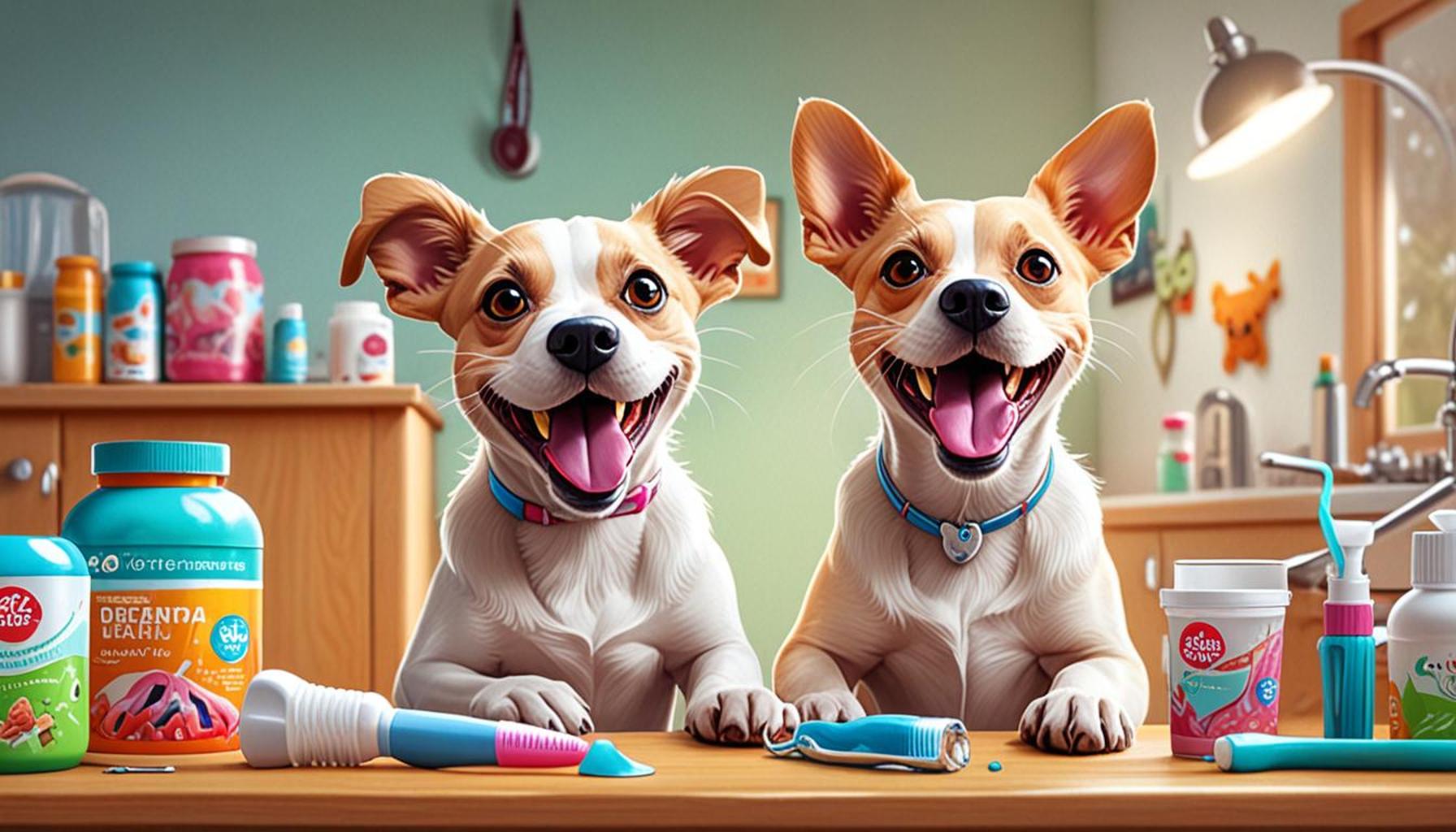
The Importance of Maintaining Your Pet’s Dental Hygiene
Many pet owners underestimate the significance of their furry companions’ dental health. Just like humans, pets require proper dental care for overall well-being. Neglecting their dental needs can lead to serious, sometimes even life-threatening, health issues. Research indicates that poor dental hygiene can precipitate a range of problems, including:
- Bad breath – Also known as halitosis, this common sign often indicates underlying dental diseases, which might not only be unpleasant for pet owners but also appalling for the pets themselves.
- Gum disease – Surprisingly, studies show that by age three, approximately 80% of dogs and 70% of cats experience some form of periodontal disease, which can lead to painful infections.
- Tooth loss – Often a consequence of severe decay or untreated gum disease, tooth loss can profoundly affect a pet’s ability to eat, leading to nutritional deficiencies.
- Systemic infections – Bacteria from dental issues can enter the bloodstream and affect vital organs such as the heart, liver, or kidneys, potentially resulting in more severe health complications.
It’s crucial to understand that compromised dental health can influence your pet’s entire body, contributing to systemic diseases and decreasing its quality of life. Regular dental check-ups should be a standard part of your pet care routine, yet many pet owners remain unaware of effective prevention strategies. Here are several essential tips to keep your pet’s teeth and gums in top shape:
- Daily brushing – While this might seem daunting, aiming for regular brushing, ideally several times a week, can significantly reduce plaque buildup and keep your pet’s mouth healthy.
- Dental treats – Providing dental treats that carry the Veterinary Oral Health Council (VOHC) seal of approval can not only satisfy your pet’s chewing instincts but also contribute to better oral health.
- Regular vet visits – Regular check-ups and professional cleanings tailored for your pet are vital to catch any developing problems early on and to ensure comprehensive oral hygiene.
Moreover, incorporating dental-friendly toys and engaging your pets in dental-focused activities can foster their well-being. Remember that taking these small steps today can lead to a happier, healthier life for your pet tomorrow. Understanding the critical role that dental health plays in your pet’s overall wellness can open doors to better care practices and a longer, happier life with your furry friends. To learn more about how you can make a difference, consult your veterinarian for personalized advice and explore informative pet care resources.
DISCOVER MORE: Click here for effective cat training tips
Understanding Dental Diseases in Pets
Dental diseases in pets are not just a matter of bad breath; they are a growing concern for pet owners across the United States. In fact, a staggering 65% of pet owners report feeling unsure about their pet’s dental health, often overlooking the signs of tooth decay and gum disease until it’s too late. Understanding the types of dental diseases that can affect our furry companions is essential for early detection and effective prevention strategies.
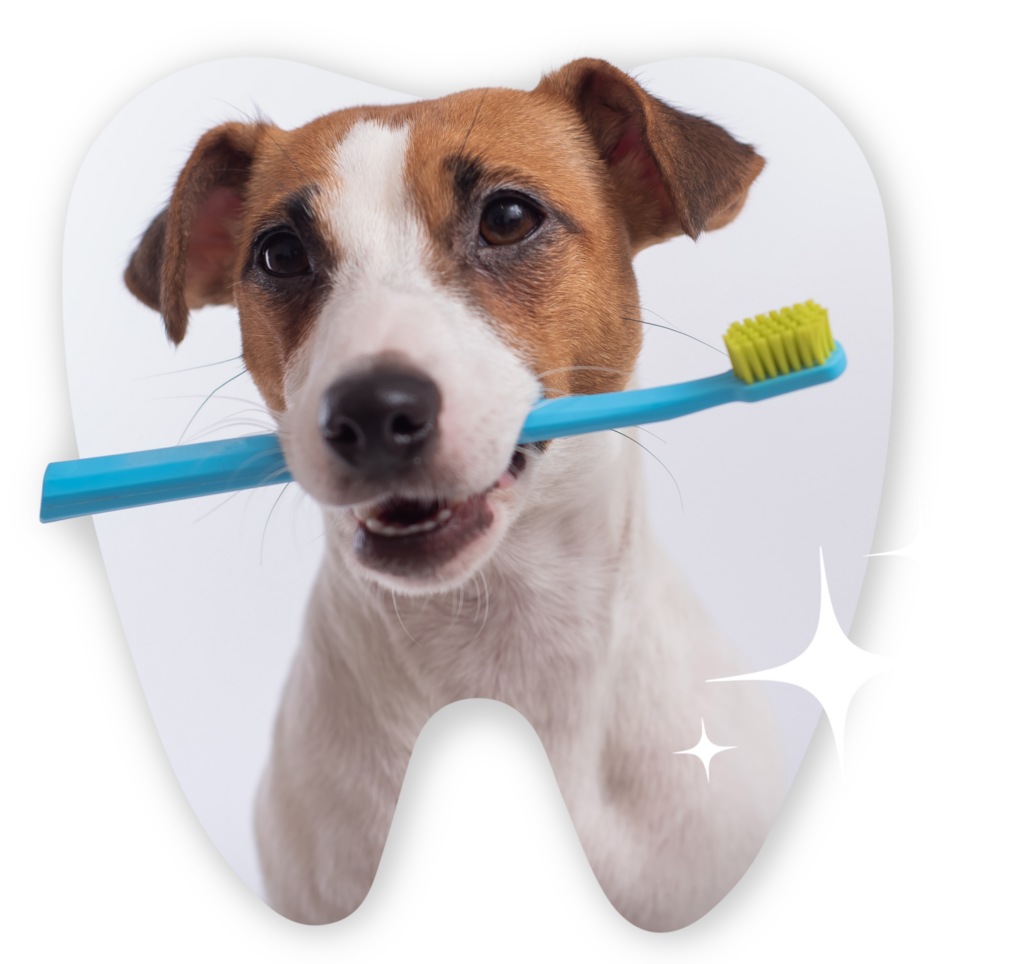
The most common dental problems encountered in pets include:
- Periodontal Disease – This is the most pervasive dental issue, characterized by the infection and inflammation of the tissues surrounding the teeth. It begins with plaque buildup and, if left untreated, can lead to painful abscesses and even tooth loss.
- Tooth Fractures – Pets can easily suffer tooth fractures from chewing on hard objects, such as bones or toys. These fractures not only cause pain but can also lead to infections if the tooth pulp becomes exposed.
- Stomatitis – This inflammatory condition affects the oral cavity and can be caused by dental disease, autoimmune disorders, or viral infections. Stomatitis leads to significant discomfort in pets, making it difficult for them to eat and enjoy their meals.
- Tartar Buildup – Tartar and plaque buildup results from inadequate dental hygiene. Over time, tartar can harden into calculus, which can only be removed by a veterinary professional.
Recognizing these issues is the first step toward ensuring your pet retains a healthy mouth. It’s essential to keep an eye out for symptoms such as persistent bad breath, difficulty eating, and swollen gums, as they may indicate underlying dental problems. Veterinary care plays a critical role in addressing these issues before they escalate. Regular check-ups can help identify potential problems early on, ensuring timely intervention.
Creating a Dental Care Routine
Establishing an effective dental care routine doesn’t have to be daunting. By incorporating a few simple practices into your pet care regimen, you can significantly enhance your pet’s oral health. Here are some foundational practices to consider:
- Start Early – If you’re introducing dental care to a puppy or kitten, begin with gentle brushing and positive reinforcement. Early exposure to oral care can lay the groundwork for a lifetime of healthy habits.
- Choose the Right Tools – Use toothbrushes and toothpaste designed specifically for pets. Human products can be harmful, so opting for vet-approved dental supplies is essential.
- Make it Enjoyable – Use rewards and praise when brushing your pet’s teeth, making the experience positive and stress-free. This approach can help foster a cooperative attitude towards dental care.
- Monitor and Adapt – Pay attention to your pet’s response to dental care. Adjust the frequency and methods as needed, and consult your veterinarian for personalized guidance.
By taking these proactive measures, you can build a strong defense against dental diseases in your pets, ensuring they live healthier, happier lives. The commitment to oral health extends beyond aesthetics; it is about safeguarding their systemic health and enhancing their quality of life.
| Category | Details |
|---|---|
| Routine Oral Care | Regular brushing and dental check-ups can prevent plaque buildup and serious dental diseases. |
| Diet and Dental Treats | Choosing the right food and providing dental chews can significantly improve oral health. |
| Education on Signs of Dental Issues | Understanding the signs of dental pain helps owners take immediate action, benefiting their pets’ overall well-being. |
| Access to Professional Care | Regular veterinary dental cleanings keep teeth and gums healthy, preventing costly health issues down the line. |
Proper dental health in pets, much like in humans, is pivotal for their overall health and longevity. Routine oral care, which includes consistent brushing and annual veterinary check-ups, can lead to remarkable improvements in your animal’s dental well-being. Pet owners can play an active role in this maintenance, thereby decreasing the risk of severe dental diseases like periodontal disease or tooth loss that are common in pets.Additionally, diet choices play a crucial role in maintaining dental health. Selecting high-quality, specialized pet food, along with dental chews can significantly reduce plaque buildup, enhancing not just oral health but digestive health as well.It’s essential for pet owners to be educated on signs of dental issues. Observing signs such as bad breath, difficulty eating, or redness in the gums can prompt timely intervention. Recognizing these symptoms ensures pets receive the necessary care before problems escalate.Lastly, ensuring access to professional care is vital. Regular dental cleanings from your veterinarian aren’t just a quirky addition to pet care; they are an investment in a long, healthy life. Taking these preventive measures will not only spare your pet from unnecessary pain and discomfort but will also save you money on potential treatments in the future.
LEARN MORE: Click here to discover the impact of pet adoption
Recognizing the Signs of Dental Problems
Being vigilant about your pet’s dental health means understanding the signs that indicate something may be wrong. While some dental issues may present themselves visibly, others may require closer observation. Here are some warning signs of dental disease that every pet owner should be aware of:
- Bad Breath – While some level of odor is normal, a sudden, foul smell can indicate serious dental issues such as periodontal disease or infections.
- Changes in Eating Habits – If your pet begins to avoid food, has difficulty chewing, or drops food from their mouth, dental pain might be to blame.
- Excessive Drooling – Increased salivation can be a sign of discomfort in the mouth or throat, often linked to dental health issues.
- Visible Tartar or Plaque – Dark stains on teeth or brownish residue along the gum line are indicators of buildup that needs professional attention.
- Swelling or Bleeding Gums – Healthy gums should be pink and firm. Any signs of redness, swelling, or bleeding are significant red flags.
- Visible Tooth Loss – If your pet has lost a tooth or you can see a tooth’s root, it’s crucial to get to the veterinarian immediately.
Being observant can make all the difference when it comes to addressing dental issues before they escalate. Regular veterinary check-ups, ideally every six months, are essential for maintaining a thorough understanding of your pet’s oral health. Professional cleanings not only remove tartar buildup but also allow for early-stage disease detection.
Innovative Dental Care Products for Pets
In recent years, the pet care industry has seen an influx of innovative products aimed at simplifying dental hygiene. If traditional brushing proves challenging, consider incorporating some of these alternatives into your pet’s routine:
- Dental Chews – Many brands offer dental chews specifically designed to reduce plaque and tartar while satisfying your pet’s chewing instinct. Look for products approved by the Veterinary Oral Health Council (VOHC) for assurance of their effectiveness.
- Water Additives – These are liquids added to your pet’s drinking water to help combat bacteria and freshen breath. They can be a great adjunct to regular dental care practices.
- Dental Wipes – For pets who resist brushing, dental wipes can be a convenient alternative to help remove plaque and food residue while being easy to use.
- Dog and Cat Toothpastes – Available in flavors like chicken or seafood, these can make brushing more appealing. Always use toothpaste formulated for pets, as human products can be toxic.
It’s crucial to remember that while these products can support dental hygiene, they are not substitutes for regular veterinary dental check-ups. Each pet is unique, so consult your veterinarian to determine the best approach to maintain your companion’s dental health.
As part of a pet owner’s responsibility, spreading awareness about the importance of dental health in pets can profoundly impact the overall health and longevity of our beloved companions. By recognizing the signs of dental issues, maintaining a proper dental care routine, and utilizing innovative dental products, pet owners can contribute to a brighter and healthier future for their pets.
DISCOVER MORE: Click here to learn how adoption changes lives
Conclusion: Prioritizing Your Pet’s Dental Health
In conclusion, the significance of dental health in pets cannot be overstated. By recognizing early warning signs, maintaining a consistent oral care routine, and utilizing innovative products, pet owners can play a pivotal role in preventing dental diseases that could lead to more complicated health issues. Just as regular veterinary visits are essential for a pet’s overall health, they are equally critical for assessing and addressing dental hygiene.
Moreover, a healthy mouth is linked to a healthier body, as dental problems can adversely affect your pet’s heart, liver, and kidneys. Dogs and cats deserve the same attention to their dental care as we give to our own, which can significantly enhance their quality of life and longevity. By incorporating practices that make dental care easier, such as dental chews, water additives, and appealing pet toothpaste, you can support your furry friend’s health in a way that is effective and enjoyable for both of you.
As advocates for our pets, let’s commit to making dental health a priority. The journey doesn’t have to be daunting; it can be a proactive and engaging experience that benefits our beloved companions. By taking the steps laid out in this article and remaining informed about the latest dental care trends, pet owners can ensure that their furry friends are not only happy but also thriving with strong and healthy teeth. Make dental health a central component of your pet care routine, and watch your pet flourish!