The Importance of Balanced Nutrition for Pets’ Health: Practical Tips

The Significance of Balanced Nutrition for Pets
A well-balanced diet is crucial for our pets’ overall health and well-being. Just like humans, pets require nutrients to thrive, fight off illnesses, and maintain their energy levels. However, many pet owners may not realize the significance of balanced nutrition in their furry companions’ lives. In fact, the impact of nutrition can be seen in every aspect of a pet’s life, from their mood and activity levels to their susceptibility to diseases.
Why Nutrition Matters
- Preventing Health Issues: Proper nutrition can mitigate health risks such as obesity, diabetes, and allergies. For example, a balanced diet tailored to a pet’s age and breed can significantly reduce the likelihood of developing obesity-related conditions. Many pet owners may not notice that their pets are overweight until health complications, like joint pain or respiratory issues, arise.
- Enhancing Quality of Life: A nutritious diet contributes to better mobility and a more vibrant lifestyle. Pets that receive optimally balanced meals are more likely to exhibit playful behavior, engage in activities, and have a positive outlook on life. Think of a lively dog chasing after a ball or a curious cat exploring its surroundings; their energy is fueled by the nutrition they receive.
- Boosting Longevity: Well-nourished pets often enjoy longer lifespans and improved overall health, leading to fewer vet visits. Studies have shown that pets fed a balanced diet can live years longer than those who are not. For instance, older dogs that consume high-quality proteins and antioxidants tend to maintain muscle mass and cognitive functions better than their less-nourished counterparts.
The choices we make regarding our pets’ diets can lead to a tremendous impact. Many pet owners overlook the essential nutrients that specific breeds or ages require. For instance, puppies need higher levels of protein and fat for growth compared to adult dogs. Understanding these needs is fundamental to ensuring your pet receives the right balance. Regular consultation with a veterinarian can help clarify any uncertainties regarding dietary requirements based on age, breed, and health status.
Key Components of a Balanced Diet
- Proteins: Essential for muscle development and repair. Proteins are the building blocks of your pet’s body, enabling growth and tissue repair. High-quality meat sources, such as chicken, beef, or fish, are excellent choices.
- Fats: Important for energy and a healthy coat. Fats provide a concentrated source of energy and support skin health and coat shine. Omega-3 and Omega-6 fatty acids, often found in fish oil and flaxseed, play crucial roles in maintaining skin and joint health.
- Carbohydrates: Provide quick energy and aid in digestion. While pets are primarily carnivorous, carbohydrates from sources like brown rice and sweet potatoes can offer additional energy and fiber for a healthy digestive system.
- Vitamins and Minerals: Support overall health and immune function. Essential vitamins such as A, D, E, K, as well as minerals like calcium and phosphorus, maintain various body functions, from bone strength to immune response.
In this article, we will explore practical tips for ensuring your pet receives a balanced diet. These insights will empower you to make informed decisions for your beloved companions’ nutrition, helping them lead healthier, happier lives. Whether you choose to opt for commercial pet food or explore homemade meal options, understanding the nutritional needs of your pets will undoubtedly enhance their quality of life. Remember, a little knowledge can go a long way in nurturing your furry friends!
LEARN MORE: Click here for essential tips
Understanding Your Pet’s Nutritional Needs
When it comes to the health of our furry companions, a proper understanding of their nutritional needs is vital. Each pet, regardless of species, age, or breed, has unique requirements that must be met to maintain optimal health. While many commercial pet foods are designed to meet these standards, not all products are created equally. Take the time to evaluate ingredient quality and nutritional value, as doing so can make a significant difference in your pet’s well-being.
Assessing Ingredients in Pet Food
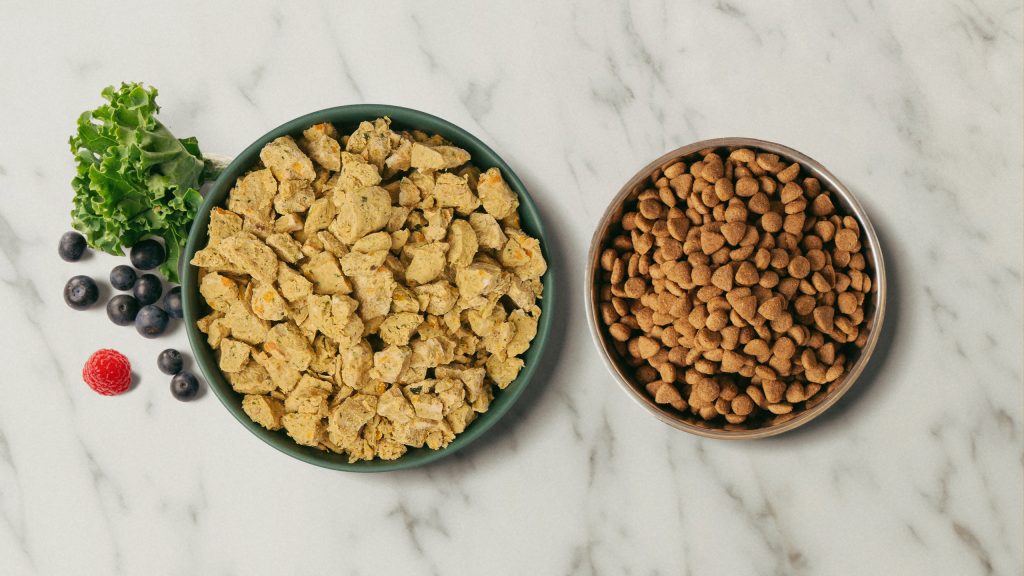
To navigate the vast world of pet food effectively, familiarize yourself with reading labels and understanding ingredients. High-quality pet food should list a source of animal protein as the first ingredient. This can include chicken, turkey, beef, or fish. Animal by-products, while often found in commercial diets, may not provide the same level of nutrition and should be approached with caution.
Next, consider the inclusion of whole grains and vegetables in the formulation. Ingredients like brown rice, quinoa, and sweet potatoes not only offer essential vitamins but also serve as healthy sources of carbohydrates. Similarly, the presence of healthy fats from fish oil or flaxseed can contribute to a shiny coat and healthy skin, making these components worthy of a second glance when selecting pet food.
Homemade Diet as an Alternative
For pet owners considering alternatives to commercial diets, preparing homemade meals can be a rewarding route. Crafting meals at home allows for complete control over your pet’s dietary intake, ensuring a balanced and nutritious diet. However, it is critical that these meals provide all necessary nutrients. Consulting with a veterinarian or a pet nutritionist can help create a tailored meal plan that meets your pet’s specific needs.
When opting for homemade diets, certain nutrient-rich ingredients should be incorporated:
- Lean proteins: Chicken, turkey, and lean beef should form the core of the protein source.
- Fruits and vegetables: Carrots, peas, sweet potatoes, and apples can be wonderful additions for vitamins and minerals.
- Whole grains: Brown rice and oats are excellent for providing energy and aiding digestion.
- Supplements: Consult a professional to ensure your homemade meals include necessary vitamins and minerals to avoid deficiencies.
Creating a balanced homemade diet may sound daunting, but it can improve your pet’s health significantly. Many pet parents report improved energy levels, shinier coats, and overall better behavior once a well-balanced nutrition plan is implemented.
Remember, maintaining open communication with your veterinarian while adjusting your pet’s diet is crucial. They can assist in monitoring your pet’s health and provide recommendations tailored to your pet’s lifestyle. A little diligence now can pave the way for a healthier, brighter future for your beloved pet.
| Advantage | Description |
|---|---|
| Improved Immune Function | A diet with balanced nutrition can enhance your pet’s immune system, reducing the likelihood of infections and diseases. |
| Weight Management | Properly balanced meals help maintain a healthy weight, preventing obesity-related health issues such as diabetes and heart problems. |
| Enhanced Energy Levels | A well-rounded diet ensures that your pet has the necessary energy for daily activities, promoting overall health and vitality. |
| Better Coat Quality | Essential fatty acids from a nutritious diet contribute to a shiny, healthy coat, which is often a sign of good health. |
Maintaining a balanced nutritional intake for pets is not just about fulfilling their hunger; it’s crucial for their overall well-being. Pets require a mix of proteins, fats, carbohydrates, vitamins, and minerals to thrive. For instance, proteins are essential for muscle repair and growth, while carbohydrates provide energy.It’s also critical to understand that pets have different nutritional needs based on their species, age, and activity level. For example, kittens and puppies need more calories and nutrients to support their growth, while older pets may require a diet that’s easier to digest and lower in calories. Moreover, being aware of common toxic foods, such as chocolate, grapes, and onions, can protect your furry friends from severe health issues. Regular consultations with a veterinarian can help pet owners tailor their pet’s nutrition to maintain a healthy lifestyle. Thus, investing time and effort into a balanced diet is a significant step towards ensuring your pet’s long-term health and happiness.
DISCOVER MORE: Click here for expert training tips
Recognizing Signs of Nutritional Deficiencies
As responsible pet owners, being able to recognize the signs of nutritional deficiencies in our pets is crucial for their overall health. Many of the symptoms that arise from a poor diet can be subtle and easy to overlook. Changes in your pet’s behavior, coat condition, and energy levels often speak volumes about their dietary intake. For instance, if you notice excessive scratching, dull fur, or lethargy, these could be indicators that your pet’s meals lack essential nutrients.
Common Symptoms to Watch For
Pets may exhibit various clinical signs that highlight their nutritional shortcomings. Some of the most common include:
- Weight Fluctuations: Rapid weight gain or loss can indicate an imbalance in caloric intake or nutrient absorption.
- Digestive Issues: Vomiting, diarrhea, or excessive gas may signal an intolerance to specific ingredients or a lack of beneficial fiber.
- Skin and Coat Problems: Dry skin, flaky patches, and an unkempt coat can result from insufficient fatty acids and hydration.
- Behavior Changes: Increased aggressiveness or withdrawal can be linked to nutritional deficiencies, affecting not only physical health but mental well-being.
If you notice any of these signs, it is essential to consult your veterinarian promptly. They can provide a proper assessment of your pet’s health status and recommend dietary adjustments to restore balance. Remember, early intervention can prevent more severe health issues down the line.
Tailoring Nutrition to Life Stages
Furthermore, the life stage of your pet plays a pivotal role in their nutritional requirements. Just like humans, pets have varying needs depending on their age, size, and activity level. Puppies and kittens, for instance, require diets rich in protein and fat for growth and development. These young animals benefit from specially formulated puppy and kitten foods that provide the extra energy and nutrients they need during their formative months.
Conversely, senior pets require a focused nutritional approach. As metabolism slows and activity levels drop, older pets may benefit from diets lower in calories but fortified with joint-supporting supplements like glucosamine or omega-3 fatty acids. Adjusting the diet according to their life stages ensures that they receive optimal nutrition to maintain health as they age.
The Role of Hydration
Hydration is another critical element often overlooked in discussions about pet nutrition. Access to fresh, clean water is as vital as the food we choose for our pets. Many health issues can arise from insufficient hydration, including kidney disease and urinary tract infections. Encourage your pet to drink by ensuring their water is fresh and readily available. For dogs, consider adding wet food to their meals or offering water-rich fruits like watermelon or cucumber as treats.
Incorporating adequate hydration not only supports digestion but it also aids in overall cellular function and metabolic processes essential for a pet’s vitality.
Making informed choices about your pet’s nutrition—whether it’s understanding ingredient labels, recognizing deficiency signs, tailoring to life stages, or emphasizing hydration—can have a profound impact on their long-term health. As we delve deeper into this topic, it is important to remember that each pet is an individual deserving of a unique nutritional plan tailored to their specific needs and lifestyle.
DISCOVER MORE: Click here for essential tips on natural feeding
Conclusion
In conclusion, the significance of balanced nutrition for our furry companions cannot be overstated. As pet owners, it is our duty to ensure that we provide the optimal diet that meets their specific needs at different life stages, from playful puppies to wise senior pets. Recognizing the signs of nutritional deficiencies allows us to address potential issues before they escalate, ensuring that our pets thrive both physically and mentally.
Moreover, hydration plays a critical role in maintaining overall health, as many pets often overlook their water intake. By emphasizing the importance of fresh water and incorporating moisture-rich foods into their diets, we can support their vital bodily functions and longevity. With an abundance of commercial food options and resources available, understanding ingredient labels, portion control, and individual dietary needs has never been more accessible.
Ultimately, investing time in educating ourselves about nutritional best practices will pay off in the form of healthier, happier pets. As we forge a closer bond with our animal companions, let us make mindful choices that foster their well-being. By tailoring nutrition to their unique requirements, we empower ourselves to enhance their quality of life, paving the way for many joyful years together. Dive deeper into the world of pet nutrition, and discover how to give your beloved animal the best chance at a thriving, vibrant life.