How Pet Adoption Can Promote Social Inclusion: Stories of Love and Overcoming

Understanding the Impact of Pet Adoption
Pet adoption serves as a beacon of hope, not only for the animals seeking a loving home but also for individuals and communities yearning for connection and fulfillment. Every year, millions of pets enter U.S. shelters; according to the ASPCA, approximately 6.3 million animals are taken in annually, with about 3.1 million being adopted. This highlights the immense opportunity for fostering community and social bonds through the simple act of adopting a pet.
Adopting a pet introduces new dynamics to personal interactions and community involvement. For example, adopting a dog often encourages daily outdoor activities such as walks in the park, where owners may encounter fellow dog lovers. Many individuals have reported forging friendships with neighbors simply by walking their dogs at the same time. Creating connections is a natural byproduct of sharing a common interest, and pets serve as the ultimate icebreaker.
Combating Loneliness Through Companionship
Pets have a remarkable ability to combat loneliness, acting as loyal companions to those who may feel isolated. Studies have shown that pet ownership can reduce feelings of depression and anxiety, particularly among the elderly and single individuals who might otherwise struggle with social isolation. In fact, many senior centers and assisted living facilities have begun implementing pet therapy programs, recognizing that furry companions can uplift spirits and foster interaction among residents. By simply being present, pets offer unconditional love and a sense of purpose.
Encouraging Community Involvement and Volunteering
Adverse economic or social conditions can often leave communities fragmented, but pet adoption and the love for animals can spark community engagement. Many adoptive families feel driven to give back by volunteering at local shelters or participating in fundraising events and awareness campaigns that promote animal welfare. This shift towards community service amplifies the sense of belonging and responsibility among families, as they work together to alleviate the plight of homeless animals.
Heartwarming stories abound of how individuals have transformed through pet adoption. For instance, a veteran coping with PTSD found solace in a rescue dog, who became both a companion and a catalyst for engaging with other veterans in support groups. Such narratives illustrate how adopting pets can cultivate networks of support that profoundly impact mental health and emotional resilience.
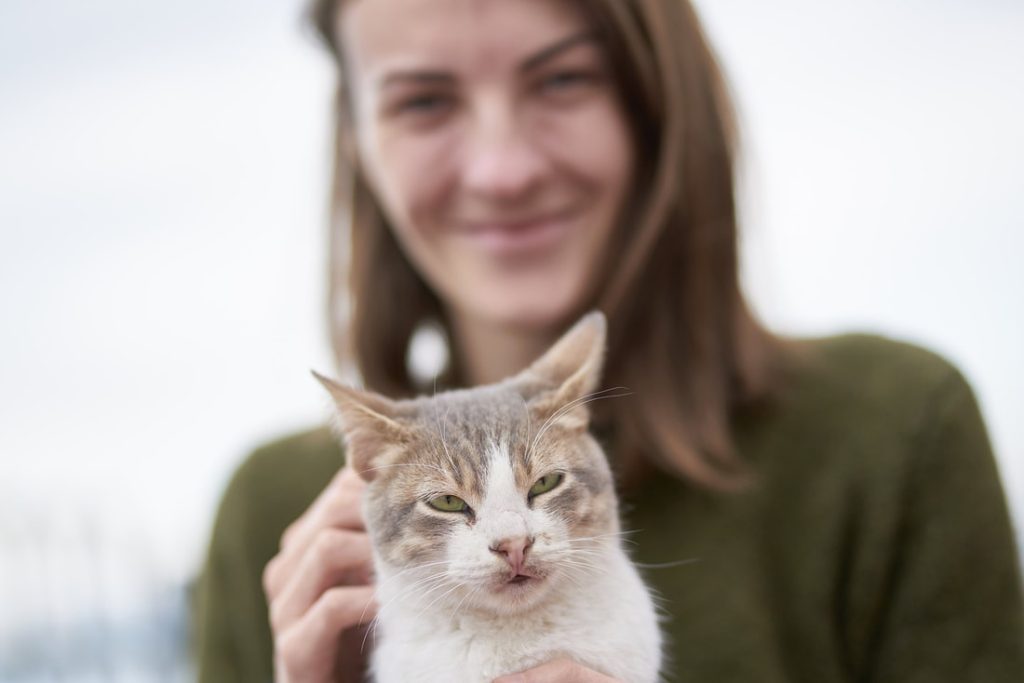
As the stories unfold, we see that pet adoption nurtures not just the heart but also the intricate web of community ties. Each adopted animal represents more than just a rescue; they symbolize new beginnings in social dynamics that promote inclusivity. Every adoption has the potential to weave a richer narrative of community, one tail wag at a time.
DISCOVER MORE: Click here to learn about the importance of pet adoption
Building Connections Through Shared Experiences
The journey of pet adoption often unfolds into a compelling saga of community engagement and interpersonal connections. Beyond simply rescuing an animal, welcoming a pet into one’s home can ignite a sense of shared responsibility and camaraderie among neighbors and acquaintances. When families adopt pets, particularly dogs, they tend to engage more in their surroundings, often leading to spontaneous conversations and friendships forged in the most unexpected places.
Many adopters find themselves drawn to communal areas such as dog parks, pet-friendly events, or training classes, where the shared love for animals creates a natural platform for interaction. These settings become vibrant hubs for not only pet owners but also those who may be in search of companionship. As a result, dog owners often note feeling more connected to their neighborhoods, fostering a sense of belonging that can be particularly beneficial for newcomers or individuals facing challenges such as relocation or adjusting to new environments.
The Role of Pets in Breaking Down Barriers
Social barriers—be they economic, cultural, or generational—can inhibit relationships amongst individuals. Pets, however, have a unique gift of bridging these divides. When people share a love for animals, they often focus on commonalities rather than differences. This phenomenon is especially potent in diverse communities where varying backgrounds might otherwise limit interactions.
- Multigenerational Connections: Older adults tend to bond with younger pet owners through the shared responsibility of care, storytelling, or even exchanging tips on pet training.
- Cultural Exchanges: Adoptive pet owners from different cultures often find joy in demonstrating unique traditions related to care and companionship, fostering mutual respect and understanding.
- Friendships Beyond Borders: In community events centered around pet adoption and welfare, lasting friendships may form, with individuals rallying together to support a shared cause.
Moreover, shared experiences in pet ownership often lead to collaborative efforts that enhance community spirit. For instance, adoptive parents may organize community clean-up days at dog parks or volunteering shifts at shelters, inviting others to participate. These initiatives promote an inclusive atmosphere that encourages participation from residents of all backgrounds.
Stories abound, illustrating these impactful connections. One notable example is “Rover’s Walk,” a community initiative launched in San Francisco that pairs individuals with therapy dogs to walk together in local neighborhoods. This project not only benefits the participants through companionship but also invites interaction with passersby, showcasing the love for animals as a conduit for social inclusion.
Ultimately, the power of pet adoption extends far beyond the gift of companionship. It creates a collective experience that strengthens the social fabric, encouraging individuals from all walks of life to join in the journey of love and overcoming challenges together. In the end, every adopted pet paves the way for a richer, more inclusive community landscape.
| Advantage | Impact |
|---|---|
| Community Engagement | Pet adoption initiatives bring diverse groups together, fostering collaboration and connection. |
| Emotional Support | Pets offer companionship, enhancing mental health and reducing feelings of loneliness among community members. |
| Cultural Exchange | Sharing stories about pet adoption across different cultures opens discussions about values, fostering understanding and inclusion. |
| Empowerment | Adopting a pet empowers individuals to take responsibility and engage actively in their communities. |
The ability of pet adoption to encourage social inclusion cannot be overlooked. As communities rally around the cause, many find a sense of belonging through shared experiences and stories of love and overcoming. Programs that promote pet adoption often focus on inclusivity, creating safe spaces for discussions and engagement among individuals from different backgrounds. By bringing people together, these initiatives highlight the mutual respect and understanding that can arise when individuals unite for a common purpose.Moreover, the emotional support provided by adopted pets has been shown to have profound effects on mental well-being. Interactions with animals can significantly reduce anxiety and depression, fostering healthier communities. Such benefits amplify the personal stories—each pet adopted represents a journey of love, resilience, and connection, illuminating the transformative power of companionship in overcoming social barriers. For those interested in exploring more about how pet adoption can enrich community ties, there are myriad stories to uncover—transformations in individuals that go beyond just bringing home a furry friend.
DISCOVER MORE: Click here
Creating Opportunities for Community Engagement
Pet adoption serves not only as a means of rescuing animals in need but also as a powerful catalyst for community involvement and social engagement. By adopting a pet, individuals often find themselves exposed to an array of local activities, initiatives, and networks aimed at fostering a loving environment for both animals and people alike. This newfound engagement can be particularly impactful for those looking to form meaningful relationships and enhance their social lives.
Local shelters and rescue organizations play a pivotal role in this equation. They routinely host events such as adoption drives, fundraising galas, and educational workshops that gather pet owners and animal lovers. These gatherings create an opening for participants to learn about responsible pet ownership, animal welfare advocacy, and even participate in community outreach. For instance, the “Paws for a Cause” events in Chicago have harnessed the power of pet adoption to not only find homes for animals but also generate communal projects like park clean-ups and dog walks that engage residents in teamwork and collective enjoyment.
Empowering Individuals Through Volunteering
Volunteering at animal shelters is another powerful form of social inclusion that arises from the pet adoption experience. Individuals from all walks of life can find purpose and community through volunteering—whether it involves walking dogs, coordinating events, or fostering animals before they find permanent homes. This opportunity to contribute encourages social interaction while enabling volunteers to share their stories and experiences, often leading to unexpected friendships.
- Everyone Belongs: Volunteers frequently report that engagement with diverse groups of fellow volunteers fosters understanding and unity, often helping participants feel less isolated in a vast urban environment.
- Skill Development: Volunteers gain invaluable skills related to animal care, public speaking, and teamwork, which can improve their employability and personal confidence.
- Forming Lifelong Bonds: Some of the most touching relationships stem from the mutual commitment to animal welfare, where volunteers become lifelong friends, bonded by shared experiences and challenges.
Moreover, pet adoption can also serve as a bridge to broader community involvement beyond animal welfare. Research conducted by the Association of Pet Professionals indicates that pet owners are often more inclined to participate in civic activities and neighborhood organizations. This inclination stems from the social networks formed through pet ownership, as people frequently discuss or coordinate activities surrounding their pets, further strengthening community ties.
A shining example can be found in the story of “Fido’s Friendship Foundation,” a nonprofit based in Seattle that promotes social interactions among people with similar interests through their dogs. They run programs like “Dog Days in the Park,” where pet owners come together for leisure strolls while sharing insights and forming friendships along the way. Such initiatives not only highlight the joy of responsible pet ownership but also demonstrate how pets can be agents of change within society.
The ripple effect of pet adoption toward community inclusion manifests across social layers. As these heartfelt stories of love and overcoming unfold, it becomes evident that the impact of welcoming a pet into the family extends far beyond the walls of one’s home, enriching the community at large. In fostering connections, trust, and understanding, pet adoption emerges as a beacon of hope for many, ultimately leading to a more cohesive and supportive environment.
LEARN MORE: Click here for essential tips on maintaining your pet’s dental health
Conclusion
Pet adoption not only transforms the lives of animals but also weaves a rich tapestry of social inclusion and community connection. Through the act of adopting a pet, individuals embark on a journey that extends well beyond companionship. They become part of an expansive network of fellow pet owners and animal advocates, participating in shared initiatives that break down barriers and foster relationships. This journey highlights the importance of community engagement and the profound impact it has on creating belongingness for people from all walks of life.
The stories of love and overcoming challenges that emerge from pet adoption serve as powerful reminders of our shared humanity. Each adoption story brings its unique threads of resilience, empathy, and friendship to the forefront, showcasing how a simple act can lead to collective empowerment. Moreover, programs like “Fido’s Friendship Foundation” demonstrate the potential for pets to act as social bridges, connecting individuals and encouraging collaboration—elements that are vital in building stronger, more inclusive communities.
As we reflect on the transformative power of pet adoption, it becomes clear that the benefits extend far beyond individual households. They ripple through communities, promoting values of compassion, understanding, and mutual support. Thus, by choosing to adopt a pet, we not only give a second chance to an animal in need but also open the door to enriching human connections and a more inclusive society. In conclusion, let us celebrate pet adoption as a meaningful catalyst for social change, united by the shared goal of making our communities better places for both humans and animals.