How Animal Adoption Can Teach Children About Responsibility and Empathy
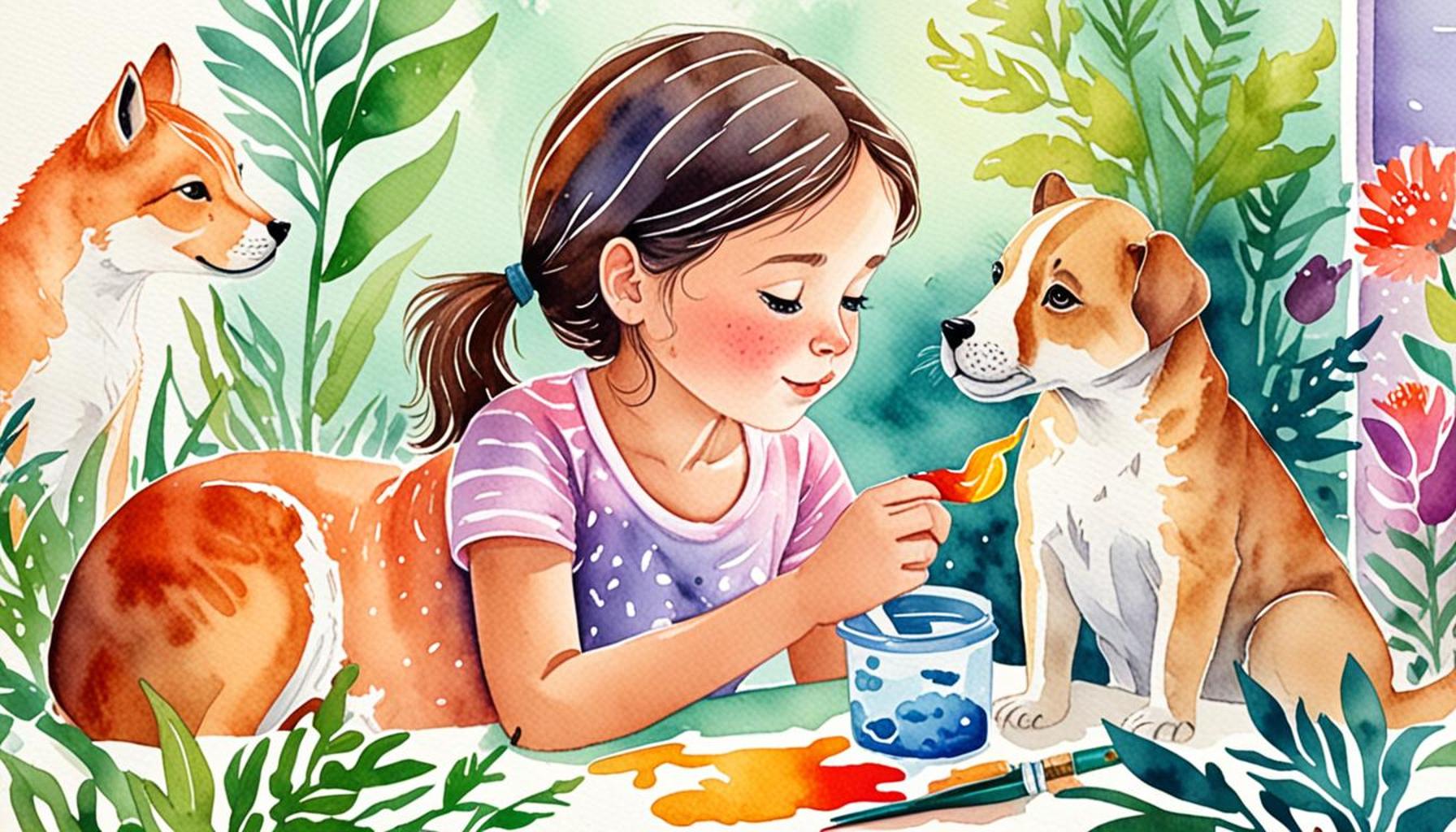
Supporting Child Development through Pet Adoption
Welcoming a pet into the family goes beyond simply adding a furry friend; it becomes a powerful lesson in responsibility and empathy for children. Every day, millions of animals in shelters across the United States are waiting for a loving home, making adoption a crucial step in not just animal welfare, but also child development.
The decision to adopt a pet can be transformational for families, but it also serves as a unique opportunity for children to engage in learning experiences that cultivate emotional and social skills. Involving children in pet care and adoption processes can shape their personality and develop essential life skills.
Through the experience of adopting an animal, children can learn valuable life skills such as:
- Caring for another being: Feeding, grooming, and exercising a pet showcases the importance of daily responsibilities. For instance, children can participate by setting up a feeding schedule, which teaches them not only about commitment but also about the basic needs of living beings.
- Understanding emotional needs: Pets experience joy and pain, teaching children to recognize and respond to feelings. Observing a pet’s behavior can serve as a hands-on lesson in empathy, allowing children to learn to interpret emotions through actions and expressions.
- Commitment: Caring for a pet requires a long-term commitment. This fosters a sense of dedication in children, as they understand that their furry friend relies on them for sustenance, companionship, and happiness. The average lifespan of some dogs can range from 10 to 15 years, presenting a long-term responsibility that can instill patience and perseverance.
- Teamwork: Involving the entire family in pet care can strengthen bonds and encourage cooperation. When each member assumes a role—whether it’s walking the dog, cleaning the litter box, or playing with the pet—children learn to work together towards a common goal. This collaboration can enhance communication skills and create a more cohesive family unit.
Studies indicate that children who grow up with pets are often more compassionate and socially adept. They tend to show elevated levels of self-esteem and lower levels of anxiety. The process of animal adoption not only changes the pet’s life but also profoundly impacts the heart and mind of a child, instilling lessons that last a lifetime. As they navigate this journey with their new companion, they uncover the essence of responsibility and develop a deeper emotional connection with others.
Moreover, engaging in adoption directly contributes to a just cause, as it helps reduce the number of homeless animals. For example, according to the ASPCA, approximately 3.3 million dogs and 3.2 million cats enter shelters each year in the United States. By choosing to adopt, families become a part of this significant narrative, making a difference in both the animal’s life and in the community at large.
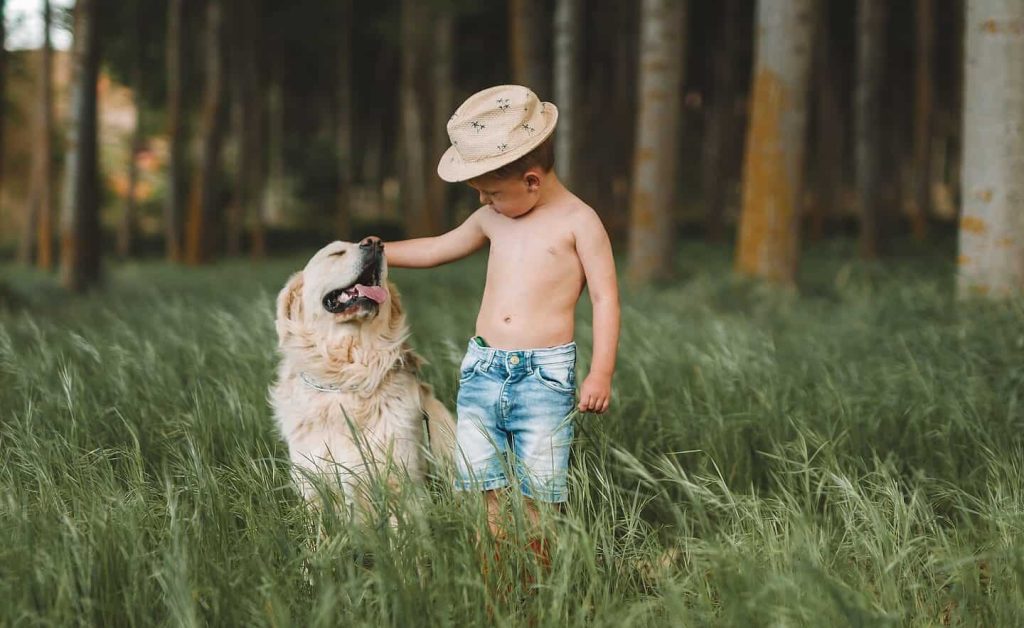
In conclusion, adopting a pet is a multifaceted journey that fosters responsibility, empathy, and social skills in children. It is an enriching experience that benefits not only the children but also the household and the society. From the initial decision to adopt to the ongoing commitment of caring for a pet, every step presents opportunities for growth and profound life lessons.
DISCOVER MORE: Click here for effective cat training tips
Lessons in Responsibility and Empathy Through Pet Ownership
When families decide to adopt an animal, they embark on a journey filled with not just joy and companionship, but significant learning experiences that hone essential life skills in children. From the moment an adopted pet enters the household, children are presented with an opportunity to engage in a myriad of experiences that underscore the importance of responsibility and empathy. Each interaction with their new pet is not just a casual bonding moment; rather, it becomes a foundational aspect of their development.
One of the most profound lessons begins with the notion of daily care. Children are empowered to take on specific roles, such as feeding, grooming, and even training their adopted pets. This daily routine cultivates a sense of responsibility, where children can visually track their pet’s needs and observe the result of their efforts. For instance, tasks like creating a feeding schedule teach children to manage time effectively while also reinforcing the idea that they are accountable for another life. According to a study conducted by the American Academy of Pediatrics, children who are involved in pet care exhibit higher levels of responsibility compared to those who are not.
Furthermore, understanding a pet’s emotional needs provides an exceptional lesson in empathy. Animals communicate their feelings in diverse ways, from wagging their tails and purring to cowering in fear or whining. Children learn to observe and interpret these signals, fostering a sensitivity to the feelings of others. The act of comforting a scared or anxious pet can enhance a child’s ability to empathize, extending beyond their interactions with animals to their relationships with peers and family members. This emotional insight becomes even more crucial as they develop social skills that form the foundation of a compassionate adult.
Another vital aspect inherent in pet ownership is the commitment it requires. Unlike toys that can be discarded or forgotten, pets demand long-term dedication that can last for years. This unyielding responsibility helps children understand the weight of commitment, as they witness firsthand the consistent effort needed to provide their pets with a happy and healthy life. Shelters and support organizations emphasize this commitment by highlighting the responsibilities involved when adopting a pet, which can serve as a case discussion for families to address the significance of this lifetime commitment.
- Setting up a routine: Developing a daily schedule for feeding, grooming, and exercising instills a strong sense of accountability.
- Experiencing unconditional love: The bond that forms between children and their pets fosters a safe space where they can learn about loyalty and affection.
- Learning problem-solving skills: Managing a pet’s needs can present challenges—whether it’s dealing with an illness or behavioral issues—thereby enhancing critical thinking abilities.
- Observing change: Children can monitor their pet’s growth, health, and happiness, providing tangible outcomes linked to their care efforts.
Ultimately, adopting a pet equips children with invaluable skills that transcend the bounds of animal care. As they navigate this significant responsibility, children grow not only in their ability to care for others but also in their understanding of compassion and empathy for the world around them. In this way, the act of adopting an animal becomes a gift that offers lifelong lessons about the interconnectedness of life.
| Advantages | Impact on Children |
|---|---|
| Fostering Responsibility | Children learn to care for pets by performing daily tasks such as feeding, grooming, and exercising. This promotes a sense of accountability. |
| Building Empathy | Through connecting with adopted animals, children develop understanding and compassion towards sentient beings, fostering a nurturing mindset. |
| Learning Life Lessons | Adoption experiences teach children about commitment, the importance of making informed decisions, and coping with the reality of animal care. |
| Enhancing Social Skills | Interacting with pets can help children enhance their social skills, leading to better interactions with peers and adults. |
The journey of animal adoption presents a unique opportunity for children to engage with more than just pets. It provides a hands-on lesson in responsibility, encouraging them to understand what it takes to care for a living being. Such experiences are invaluable, as they shape a child’s character, fostering traits that are essential for their overall development and future interactions in society. Moreover, the bond that forms between an adopted animal and a child illuminates the pathway to empathy, allowing the young ones to appreciate the feelings of others—from pets to people. This nurturing and responsible ownership mindset is crucial for developing compassionate and socially aware individuals as they grow up. Encouraging children to adopt animals not only transforms their lives but also enriches their understanding of moral responsibilities, resilience, and emotional intelligence, essential qualities for thriving in today’s world.
DON’T MISS: Click here to discover heartwarming success stories
The Role of Community and Social Interaction in Learning
Animal adoption transcends the confines of the home, inviting families into a larger community that shares a common goal: caring for and advocating for animals. This communal engagement significantly contributes to children’s understanding of responsibility and empathy. Many local shelters and rescue organizations host events such as adoption days, educational workshops, and community clean-up events that encourage family participation. When children participate in these activities, they not only learn about the needs of animals but also gain insight into the importance of teamwork and collective responsibility.
By attending these events, children have the chance to meet fellow pet owners, volunteers, and animal advocates, expanding their social circle while reinforcing the notion that caring for animals is a community effort. These interactions can lead to important conversations about the plight of abandoned and neglected animals, creating a sense of urgency and empathy that encourages children to think about how they can contribute to making a difference. An insightful report by the ASPCA indicates that children involved in pet adoption activities are more likely to take part in community service and volunteer opportunities, showcasing how a single decision can ripple through their development.
Moreover, the act of volunteering at local shelters can be an enriching experience for children. Tasks such as walking dogs, socializing with cats, or assisting in educational programs expose youngsters to the realities of animal care, including the challenges faced by abandoned or abused animals. This hands-on experience fosters a profound sense of responsibility, as they see firsthand how their involvement can lead to positive changes in the lives of these animals. According to studies, children who engage in service-oriented activities show remarkable increases in emotional intelligence, further solidifying the link between animal adoption and the development of empathy.
The Effects of Pet Ownership on Emotional and Psychological Growth
The emotional growth fostered by caring for an adopted pet is another significant aspect of how this experience teaches children about responsibility and empathy. Research indicates that having a pet can lead to decreased feelings of loneliness and increased levels of happiness among children. The bond formed with an adopted pet provides a safe emotional outlet, promoting the expression of love and care. This relationship teaches children the value of nurturing another being, resulting in a deep-seated understanding of the emotional complexities that other living creatures experience.
In this context, the act of caring for a pet can help children navigate their own emotions. Experiences such as loss, illness, or behavioral challenges faced by their pets can teach invaluable lessons about resilience and compassion. When a child confronts their pet’s struggles, they learn to offer support and understanding rather than merely reacting. This emotional engagement lays the groundwork for a well-rounded emotional intelligence that influences their interactions with peers and family.
- Empathy in Action: Observing a pet demonstrate fear or happiness allows children to relate those emotions to people in their lives, further developing their capacity for understanding.
- Development of Stronger Social Bonds: Children who care for pets often find it easier to form strong relationships with peers, fueled by their understanding of loyalty and commitment.
- Coping Mechanisms: Children can learn to cope with setbacks, such as a pet’s illness or behavioral issues, cultivating resilience and problem-solving skills.
- Enhancing Communication: Caring for an animal often necessitates explaining needs and emotions to others, fostering communication skills that benefit their social interactions.
Through both community involvement and emotional growth, animal adoption presents a multifaceted approach to teaching children about responsibility and empathy. As they nurture their adopted companions, they cultivate skills that enrich their relationships and enhance their understanding of the world around them.
DIVE DEEPER: Click here to learn more about the mental health benefits of socialization for pets
Conclusion: The Transformative Journey of Animal Adoption
In conclusion, the journey of animal adoption extends far beyond simply providing a home for a pet; it is an enlightening experience that profoundly shapes children’s understanding of responsibility and empathy. Through caring for an adopted animal, children learn the importance of nurturing and commitment, which are foundational qualities for lifelong relationships. The emotional bonds formed between children and their pets not only enhance their happiness and reduce feelings of loneliness but also illuminate the emotional complexities that all living beings experience.
The communal aspect of animal adoption reinforces these lessons by bringing families together within broader communities dedicated to animal welfare. By participating in local shelter events and volunteer opportunities, children become active members of a cause greater than themselves, thereby fostering a sense of teamwork and shared responsibility. This sense of belonging allows youngsters to develop empathy toward animals and other community members, translating their experiences into genuine compassion and social awareness.
As studies have shown, the exposure to the challenges faced by abandoned or neglected animals instills strong values of understanding and resilience in children. The ability to observe, interact, and respond to their pets’ needs prepares them for the complexities of human emotions and relationships. Ultimately, embracing the responsibility of animal adoption equips children with essential skills that extend into their social lives and futures.
Investing in animal adoption is not merely an act of kindness towards our furry friends; it is a powerful catalyst for nurturing altruistic, empathetic, and responsible individuals who will contribute positively to society. Through the lens of pet ownership, we discover a transformative approach to education—one that fosters deeper connections, cultivates ethical values, and ultimately enriches the world we share.