The Importance of Pet Adoption: Benefits for the Community and Animal Welfare

The Impact of Pet Adoption
Every year, millions of animals in shelters await their forever homes. Pet adoption serves not only as a solution to this urgent crisis but also enriches the lives of both animals and humans in countless ways. Understanding the significance of adopting a pet can spark a movement toward greater animal welfare and community benefits. The desperate situation in shelters has led to a growing recognition among communities about the importance of adoption as a viable path to responsible pet ownership.
Adopting a pet has profound implications, including:
- Reducing Overpopulation: Animal overpopulation is a persistent issue in the U.S., with around 6.5 million animals entering shelters each year. By choosing to adopt, individuals actively participate in reducing the influx of animals into these facilities, which alleviates the strain on resources. This act can significantly lower euthanasia rates, giving shelter animals a chance at life.
- Improving Animal Welfare: Providing homes for pets is not merely an act of kindness; it fundamentally changes their lives. Many animals in shelters come from environments of neglect or abuse. By adopting, a new owner can offer an animal safety, stability, and unconditional love, which are vital for a pet’s emotional and physical well-being.
- Enhancing Community Well-being: Pet ownership has a noteworthy impact on community cohesion. In neighborhoods where residents share tips and engage in pet-related activities, social connections often strengthen. Local parks may become gathering places for pet owners, fostering friendships and increased community involvement.
Moreover, the act of adopting offers emotional benefits as well. Studies have shown that pet owners often experience reduced stress and increased happiness. A survey conducted by the Human-Animal Bond Research Institute revealed that 74% of pet owners report better physical health, contributing to longevity and well-being.
Bringing an adopted pet into their home not only benefits individuals but also encourages a ripple effect of awareness regarding responsible pet ownership. Individuals can become advocates for animal rights, educating friends and family about the importance of adopting over shopping for pets.
As we delve deeper into this essential topic, we will explore the ripple effects of pet adoption. From the immediate relief it provides to local shelters to the long-term enrichment of community life, the message is clear: adopting a pet is not just a personal choice; it’s a contribution to a larger cause. Discover how you can play a pivotal role in this movement—not just by fostering a furry companion but by initiating change within your community.
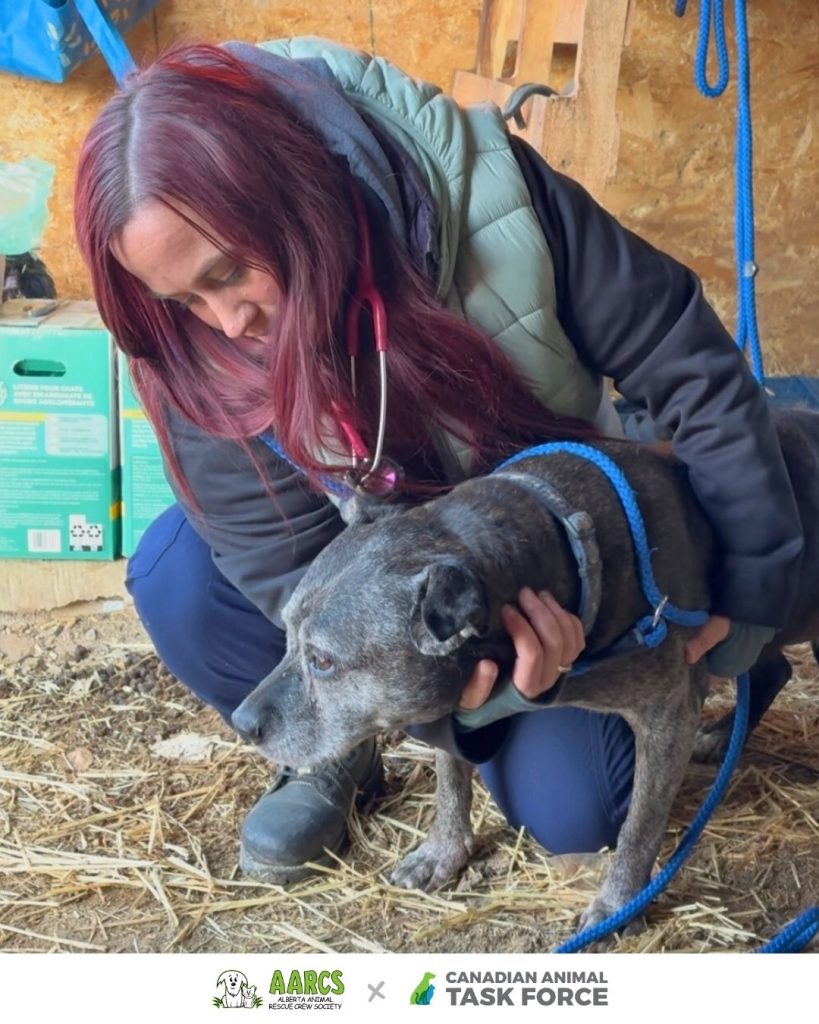
In the end, adopting a pet can transform not only the life of the animal but also the lives of those who choose to care for them. Explore local shelters, look into adoption events, and see how a small act can lead to massive change.
LEARN MORE: Click here to dive deeper
Addressing the Crisis of Animal Shelters
The statistics surrounding animal shelters in the United States paint a stark picture. Each year, approximately 6.5 million animals enter shelters, and nearly 1.5 million of these animals are euthanized due to overcrowding and lack of resources. Pet adoption stands as a pivotal solution to this ongoing crisis, allowing individuals to make a tangible difference while simultaneously enriching their own lives. While the need for more adoptive homes is urgent, it is essential to focus on the multifaceted benefits that pet adoption offers.
One of the most significant advantages of adoption is its role in reducing overpopulation. Each pet adopted means one less animal that requires shelter and care, ultimately easing the burden on these facilities. This not only alleviates the overwhelming number of animals in need, but also contributes to the reduction of euthanasia rates across the country. Communities that support pet adoption actively engage in decreasing overpopulation, creating an environment where fewer animals are abandoned and more find loving homes.
Moreover, adopting a pet provides a second chance for many animals that may have faced uncertainty or trauma in their previous circumstances. Most shelter pets come from harsh beginnings, often suffering from neglect or abuse. Bringing these animals into responsible and caring homes allows for healing and transformation, contributing significantly to their mental and physical well-being. The love and care offered by new owners not only rehabilitate these pets but often instills a deep sense of companionship that can be transformative for both parties.
Aside from the immediate benefits seen in individual animals, adopting pets has a positive effect on community health as well. Studies indicate that pet ownership can increase mental health benefits, including reduced stress and anxiety levels, contributing to overall community well-being. Pets can serve as catalysts for social connections; dog parks, for example, become hubs of engagement where pet owners gather, share experiences, and foster friendships. This sense of community belonging can be crucial in strengthening neighborhood ties, making pet adoption not just an act of kindness but a commitment to enhancing community livability.
Additionally, pet adoption can challenge societal attitudes toward animal welfare. It empowers individuals to become advocates for responsible pet care, nudging their social circles toward understanding the importance of adopting over purchasing pets from breeders or pet stores. This shift in mindset can ripple throughout communities, encouraging a culture of compassion and responsibility toward animals. Enthusiastic adopters often share their experiences on social media, further amplifying the message and inspiring others to consider adoption as a viable option.
As we unravel the nuances of pet adoption, it becomes increasingly clear that the implications stretch far beyond personal fulfillment. While offering a loving home to an animal in need is a noble act, it is also a formidable step toward achieving greater goals of community strength and enhanced animal welfare. The journey of adoption encapsulates a mission that deserves attention and dedication.
| Advantages for Community | Advantages for Animal Welfare |
|---|---|
| Enhanced Public Safety | Reduction in Shelter Overcrowding |
| When pets are adopted, communities experience a decrease in stray animals, leading to safer neighborhoods by lessening the potential for animal-related accidents. | Adopting pets directly contributes to improved living conditions for animals, allowing shelters to allocate resources efficiently and focus on care rather than overcrowding. |
| Community Engagement | Health Benefits for Adopted Pets |
| Pet adoption events foster community spirit, encouraging residents to come together to support a noble cause while building relationships among neighbors. | Adopted pets often receive necessary vaccinations and medical attention, leading to lower rates of disease among the pet population and fostering overall animal health. |
The intertwining benefits of pet adoption serve as a beacon of hope for both animals in need and communities seeking stronger bonds. Each adoption not only saves a life but also plays a critical role in shaping a more compassionate society. As pet owners become advocates for animal welfare, they strengthen the collective resolve to address pressing issues like overpopulation and neglect. It is crucial to recognize that by choosing adoption, individuals are making a powerful statement about their commitment to responsible pet ownership and the well-being of animals. This creates a ripple effect, inspiring further action and engagement within the community.
EXPLORE MORE: Click here for alternative training methods
The Financial Impact of Pet Adoption
Adopting a pet is not only a fulfilling endeavor but also a cost-effective solution for families and individuals looking to bring a companion into their lives. The fees associated with pet adoption, which typically range from $50 to $200, are considerably lower than the costs of purchasing a pet from breeders, which can range from hundreds to thousands of dollars. Furthermore, when adopting from shelters or rescue organizations, numerous pets come already vaccinated, spayed or neutered, and microchipped, minimizing initial expenses for new owners. This makes pet adoption an accessible option, allowing broader segments of the population to partake in the joys of pet ownership without a prohibitive financial burden.
Beyond individual savings, pet adoption yields significant economic benefits for communities. Animal shelters often serve as local economic hubs, creating jobs and providing services, such as vaccination clinics and training classes. By supporting these establishments through adoption, communities bolster local employment and encourage responsible animal care. Additionally, when a pet is adopted, it frequently leads to higher spending in local businesses — from pet supplies like food and toys to grooming services and veterinary care. This cycle of spending nurtures local economies, highlighting how animal welfare and community viability are intertwined.
Cultivating a Culture of Compassion
Pet adoption contributes to fostering a culture of compassion and responsibility within society. By choosing to adopt, individuals showcase that compassion extends beyond human-to-human interactions; it encompasses all living beings. According to the American Society for the Prevention of Cruelty to Animals (ASPCA), families who adopt pets often instill these values in younger generations, teaching them empathy and the importance of caring for those in need, both animals and humans. This educational aspect plays an essential role in nurturing future activists dedicated to animal welfare.
Educational initiatives promoted by shelters and rescue organizations further amplify this culture of compassion. Many nonprofit organizations offer community outreach programs that include workshops, school presentations, and volunteer opportunities. When community members engage in these programs, they not only gain knowledge about responsible pet ownership, but they also become informed advocates for issues like spaying/neutering and the importance of adoption. By spreading awareness and understanding around these topics, communities position themselves to combat issues like animal abandonment and neglect more effectively.
Creating Lasting Bonds and Positive Outcomes
Adopting a pet can lead to profound personal transformations. Studies have revealed that pet owners report increased feelings of happiness and a reduction in feelings of loneliness. The companionship of a four-legged friend can provide both emotional support and motivation for physical activity, as owners increasingly participate in outdoor activities like walking, hiking, or playing at parks. This dual benefit of emotional and physical well-being highlights how pet adoption not only enhances individual lives but can also lead to healthier communities.
Moreover, many pet adopters often find an avenue for fulfilling their desire to positively impact the world. Once they experience the joys of adoption, many individuals engage further by becoming advocates, fostering pets, or volunteering in local shelters. This creates a ripple effect, as each adopter has the potential to influence their family, friends, and colleagues, igniting a movement that prioritizes animal welfare and community engagement.
DISCOVER MORE: Click here to learn about the best dog food for every age
Conclusion
In summary, pet adoption is a powerful catalyst for positive change that ripples through both individual lives and broader communities. By choosing to adopt, individuals not only save lives but also contribute to vital economic and social dynamics. Adoption fees are significantly more affordable compared to purchasing pets from breeders, alleviating financial stresses for families while providing loving homes for animals in need. Additionally, the relationship between animal welfare and community prosperity cannot be understated; each adoption fosters economic growth by supporting local shelters and businesses.
Moreover, pet adoption plays a crucial role in instilling values of compassion, empathy, and responsibility in future generations. Through educational outreach and hands-on experiences, communities that embrace adoption cultivate a culture dedicated to the well-being of all living beings. This commitment helps mitigate challenges like pet abandonment and neglect, leading to healthier and more vibrant neighborhoods.
As we reflect on the profound emotional benefits that pets provide, from companionship to enhanced mental and physical health, it becomes evident that adopting a pet is not merely an act of kindness; it transforms lives. Every pet adopted is a chance for happiness, a deeper bond with nature, and an invitation for communities to unite for a common cause. Let us champion this movement to adopt, advocate, and create lasting change, allowing the spirit of compassion to thrive in homes and communities across the country.