The Role of Social Media in Promoting Pet Adoption: Strategies to Increase the Visibility of Animals in Shelters
Understanding the Impact of Social Media on Pet Adoption
In an age where digital connectivity reigns supreme, social media has transformed how we interact, share, and even adopt pets. With thousands of animals in shelters across the United States, leveraging platforms like Facebook, Instagram, and Twitter can significantly enhance visibility for these lovable companions. Every ‘like’ and ‘share’ can be a stepping stone toward finding a furever home. The power of these platforms is not just a trend; it’s a lifeline for many shelter animals waiting for a second chance at life.
Consider the staggering statistics:
- Over 3 million shelter animals are adopted each year in the U.S.
- A single post can reach thousands of potential adopters within moments.
- Visual storytelling through videos and photos captures hearts instantly.
The role of social media in pet adoption extends beyond mere numbers. It has become a crucial tool for non-profit organizations striving to create a brighter future for homeless pets. The immediacy and reach of social media amplify their efforts to connect animals with caring families.
Strategies for Effective Social Media Engagement
So, how can organizations effectively utilize social media for this noble cause? Here are a few strategies that have proven successful:
- Engaging content: Sharing heartwarming stories and videos of pets in need can evoke strong emotional responses. For instance, a video showing a once-timid dog finding joy in a new home can rally support and inspire adoption.
- Community involvement: Encouraging followers to spread the word and share their experiences can create a ripple effect. Shelters can ask pet owners to post photos of their adopted pets along with their stories, creating a sense of community and hope.
- Interactive campaigns: Hosting contests or challenges, such as “Paw-some Adoption Stories,” can promote adoption awareness while making it a fun event for the community. Prizes can include pet supplies or gift cards to local businesses, furthering community engagement.
Another effective approach is to collaborate with local influencers or well-known pet advocates who can reach broader audiences, generating additional interest in adoption and rescue efforts. A single well-placed post from a popular influencer can lead to a surge in inquiries for animals listed for adoption.
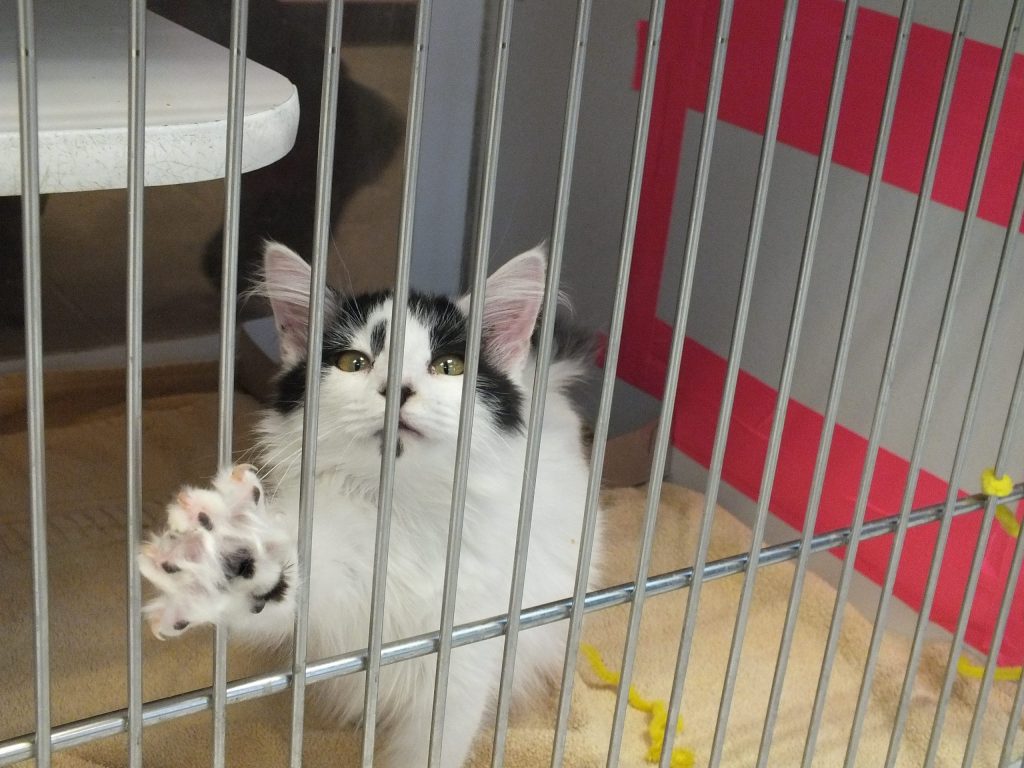
By adopting these tactics, shelters can draw attention not only to their facilities but also to the beautiful lives waiting to be embraced. For example, the much-shared story of dogs like “Toby the Wonder Dog” who was rescued and subsequently went viral can inspire many prospective pet parents to visit and adopt a shelter dog.
With social media as a powerful ally, the journey of promoting pet adoption is one worth exploring further. The emotional connections created through shared stories can change the lives of these animals and their adoptive families forever. In a time where a simple share can save a life, it’s time to leverage the full potential of social media for the betterment of our furry friends.
DON’T MISS: Click here to learn more about choosing the right food for your pets</p
Harnessing the Power of Social Media for Animal Shelters
The transformative role of social media in promoting pet adoption lies in its ability to connect shelters with potential adopters at unprecedented levels. With millions of users scrolling through their feeds daily, platforms like Instagram, Facebook, and TikTok present a unique opportunity for animal shelters to showcase their furry residents. However, effective strategies are essential to make the most of this engagement and increase the visibility of animals waiting for homes.
One of the most potent tools in this digital age is visual content. Shelters can create compelling posts that highlight the unique personalities and qualities of their animals. High-quality photos and videos can effectively grab the viewer’s attention and provoke an emotional response. Studies have shown that posts with images of pets outperform those without by a significant margin, leading to higher interaction rates. A playful video of a cat tumbling around or a photo of a dog longing for a home can speak volumes and encourage viewers to act.
Furthermore, employing familiar hashtags can extend the reach of these posts. Tags like #AdoptDontShop or #ShelterPets not only create a sense of community but also connect shelter animals to broader audiences searching for pet adoption content. It’s important for shelters to research trending hashtags relevant to their locale and incorporate them strategically into their social media posts. Engaging with local communities through these hashtags can lead to increased visibility and interest from potential adopters.
To maximize user engagement, shelters should also consider developing a consistent posting schedule. Regular updates, whether it be daily highlights of animals available for adoption or stories of successful placements, keeps the audience engaged and informed. Here are some strategies that shelters can implement:
- Showcase Adoptable Animals: Dedicate specific days to post about individual animals, allowing each pet to shine and share their stories with potential adopters.
- Share Adoption Success Stories: Highlight the journeys of pets who have found their forever homes. This not only motivates potential adopters but also builds trust in the shelter’s ability to match animals with loving families.
- Host Online Events: Virtual events, such as “Meet and Greet” sessions, can provide a platform for potential adopters to interact with animals virtually. These live sessions enhance the emotional connection between potential pet owners and animals.
A combination of these strategies can create a vibrant online presence for shelters, encouraging audiences to not only follow but actively participate in promoting pet adoption. As each post gains traction, the visibility of the animals increases, maximizing their chances of finding loving homes. In this interconnected world, online advocacy can be a game-changer in the fight against animal homelessness.
The impact of utilizing social media effectively can be staggering. By focusing on creating engaging content that appeals to emotions, shelters can transform potential adopters’ perceptions, making the decision to adopt feel rewarding and fulfilling. With each shared success story, shelters can inspire communities to action and pave the way towards brighter futures for countless animals.
The Transformative Impact of Social Media on Pet Adoption
Social media platforms have revolutionized the way shelters promote pet adoption, drastically increasing visibility and engagement. One of the most effective strategies is the use of localized social media campaigns. By targeting specific communities through platforms like Facebook and Instagram, shelters can reach potential adopters in their vicinity, fostering connections that facilitate adoptions. Tailoring content to reflect local stories and adoptable pets encourages community members to share these posts, amplifying reach and awareness.Additionally, the incorporation of professional-quality images and heartwarming videos showcasing the personalities of shelter animals has proven to be a game-changer. High-resolution visuals capture attention, sparking interest and emotional connection among viewers. Such engagement not only creates potential adopters but also inspires advocates who may share these posts on their personal pages, increasing the viral nature of these campaigns.
Engagement Through Interactive Content
Another powerful tactic involves utilizing interactive content, such as polls, quizzes, and Q&A sessions focused on pet care and adoption tips. This not only educates the audience about responsible pet ownership but also fosters a community atmosphere that encourages discussions around adoption. Engaging content can prompt users to tag friends, widening the network of potential adopters.Moreover, collaborations with local influencers and pet-related businesses can enhance visibility significantly. By partnering with individuals who have established followings, shelters can leverage their networks to promote events and initiatives, reaching demographics they would not typically access. These collaborations can also emphasize the importance of adopting local pets, tapping into the values of community support and responsibility.
| Social Media Strategy | Advantages |
|---|---|
| Localized Campaigns | Increased community engagement and targeted outreach lead to higher adoption rates. |
| Visual Storytelling | High-quality images and videos foster emotional connections and increase shares. |
Utilizing these strategies effectively not only enhances adoption rates but also promotes a culture of compassion and community. Adopting pets becomes not just a transaction but a shared experience, celebrated and promoted through the collective power of social media. As shelters continue to innovate their online presence, the future of animal adoption looks increasingly promising.
DISCOVER MORE: Click here to learn about a healthy feeding plan
Creating a Community Around Adoption
While captivating visuals and engaging content are essential, building an online community is equally vital for promoting pet adoption through social media. Shelters can foster interaction not just between themselves and potential adopters but also among followers, creating a network of advocates for shelter animals. This sense of community can greatly amplify the reach of posts, leading to increased visibility for adoptable pets.
One effective strategy for enhancing community engagement is encouraging user-generated content. By asking current pet owners who have adopted from the shelter to share photos and stories about their experience, shelters can cultivate a powerful narrative around the joy of adoption. These posts can be tagged with a unique hashtag created specifically for the shelter, helping to create a repository of positive experiences that prospective adoptive families can explore. Celebrating these success stories not only promotes the shelter’s mission but also serves as inspiration for others considering adoption.
Moreover, shelters can motivate community involvement by organizing contests and challenges. For instance, inviting followers to share their best “pet selfie” with a specific hashtag can engage a broader audience while emphasizing the fun and joy that pets bring into everyday life. Prizes, such as gift cards or shelter merchandise, can further incentivize participation and increase shares, aiding the reach of the shelter’s message. These initiatives enable shelters to harness the creativity of their supporters, transforming social media into a space where the passion for animal welfare can flourish.
Leveraging Influencers and Local Partnerships
Another powerful strategy involves collaborating with local influencers or pet-centric brands. Influencers with a passion for animals can provide a substantial boost in visibility, sharing the shelter’s posts with their established following. This not only validates the shelter’s efforts but can also reach a demographic that may not have considered adoption otherwise. Collaborations could include takeovers where influencers share a day in the life at the shelter or participate in live adoption events streamed on social platforms.
Partnerships with local businesses can also be instrumental. Pet supply stores or veterinary clinics can help promote shelter events on their social media channels, expanding outreach. Additionally, shelters could collaborate with coffee shops or community centers to host adoption fairs, with live updates and promotion through various social media accounts, fostering community engagement both online and offline.
- Utilize Local Events: Engaging in community events and fairs can create real-time interactions that can be shared on social media, attracting local audience attention.
- Create Focus Groups: Establish a volunteer team that focuses on social media advocacy, helping to generate creative ideas for content and outreach strategies.
- Feature Local Heroes: Spotlight local volunteers or adopters who have made a difference, which not only builds community but inspires others to volunteer or adopt.
As shelters innovate on the social media landscape, the creation of strong local partnerships, engaging content, and a sense of community is crucial. These elements work in synergy to promote awareness, increase animal visibility, and ultimately drive higher adoption rates. In a landscape saturated with information, shelters that stand out with authenticity and community focus will create lasting impact in their mission to reduce animal homelessness.
DON’T MISS: Click here to discover heartwarming success stories
Conclusion
The impact of social media on pet adoption cannot be overstated; it serves as an invaluable tool in increasing the visibility of animals in shelters and facilitating their journey to loving homes. Through a combination of engaging content, community building, and strategic partnerships, shelters can effectively elevate their message and advocate for the animals in their care. By sharing captivating visuals and heartfelt success stories, not only do they draw attention to the animals in need, but they also inspire a culture of adoption that resonates with potential pet owners.
Moreover, encouraging user-generated content and community engagement initiatives have proven to foster a sense of belonging and advocacy among followers. Collaborations with local influencers and businesses further amplify outreach, transforming social media into a dynamic platform for fostering relationships and driving change. The growing trend of featuring successful adopters not only humanizes the experience of adoption but also showcases the joy and fulfillment that pets bring to lives, encouraging others to consider giving shelter animals a chance.
As the digital landscape evolves, shelters must continually adapt their strategies to maintain relevance and connect authentically with their audience. By leveraging the power of social media, they can create a ripple effect that not only boosts adoption rates but also reduces the stigma surrounding shelter pets. It’s time for communities across the United States to rally together, armed with the creative possibilities of social media, to make a profound difference in the lives of thousands of animals waiting for a forever home.