The Contribution of Shelters in Pet Adoption: Transforming Lives and Communities

Understanding the Role of Shelters in Pet Adoption
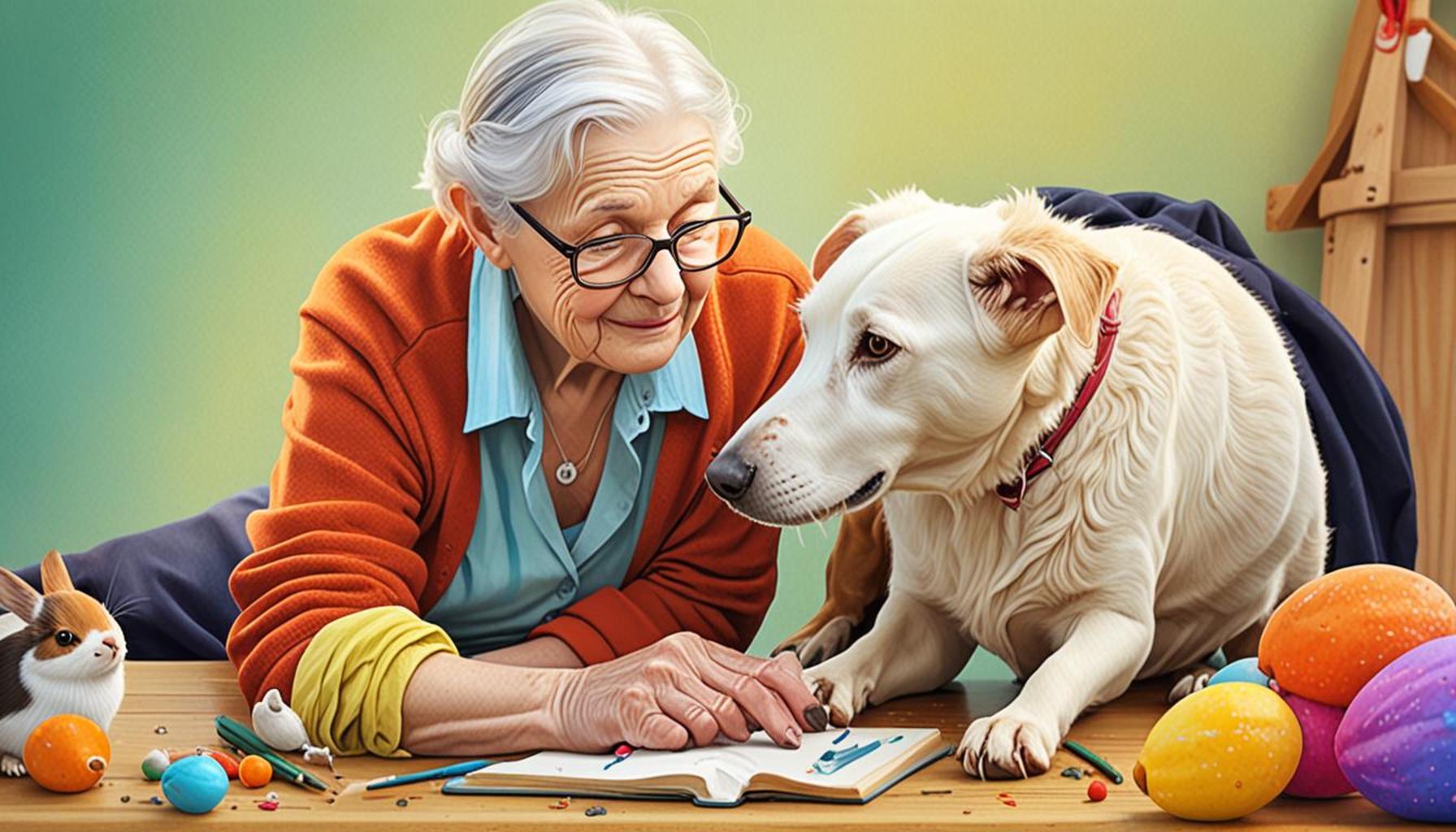
Every year, millions of pets enter shelters across the United States, each with its own story and potential. These shelters play a pivotal role not only in finding homes for these animals but also in enriching communities and transforming lives. The impact of pet adoption reaches far beyond the act of rescuing a furry friend; it fosters compassion, responsibility, and connection.
Consider the following key contributions of shelters:
- Providing a Lifeline: Shelters give abandoned and stray animals a second chance. In the United States, it is estimated that approximately 6.5 million companion animals enter shelters each year, including dogs, cats, and rabbits. Many of these animals come from dire situations of neglect or abandonment. Shelters are often a safe haven for these pets, where they receive necessary medical care, nutrition, and a warm environment. By adopting from a shelter, individuals not only save a life but also make space for additional animals in need.
- Community Engagement: Many shelters host events to raise awareness about the importance of adopting over shopping. For example, “Clear the Shelters” days and “Adopt a Dog Month” offer great opportunities for potential adopters to meet their future pets while engaging in community activities. These events often include free pet adoption fees, pet care workshops, and family-friendly activities that emphasize the responsible care of animals. Participating in such events fosters a sense of community and encourages families to choose adoption as their first option when looking for a new pet.
- Education: They offer resources and training to ensure new pet owners are prepared for the responsibilities ahead. Shelters frequently provide essential information on pet care, behavioral training, and health management to help pet owners create a nurturing environment for their new companions. Workshops on basic training techniques, feeding, and healthcare help new adopters feel confident in their roles as pet parents. This investment in education not only aids the immediate transition for the pets but also helps reduce the rate of return due to lack of preparation.
Adoption not only transforms the lives of these animals but also the individuals and families welcoming them into their homes. Studies show that having pets can reduce stress, provide companionship, and enhance overall well-being. Research indicates that pet ownership can lead to lower blood pressure, decreased anxiety, and increased physical activity levels for their owners. As communities increasingly recognize the value of pet adoption, the cycle of rescue, care, and love continues to grow.
In the coming sections, we will delve deeper into specific programs and initiatives that shelters undertake to facilitate adoption and how these efforts are reshaping cities across America. From mobile adoption units to partnerships with local businesses, join us in uncovering the many layers of positive change that arise when communities embrace this compassionate approach. The impact of these shelters extends far beyond the walls of their facilities and has the potential to strengthen the fabric of our society, one adopted pet at a time.
DISCOVER MORE: Click here to learn about pet adoption and shelter overpopulation

Transformative Programs in Shelters
Animal shelters across the United States hold the keys to not only changing the lives of animals but also impacting the communities around them. Through various programs and initiatives, these shelters are innovating the way we approach pet adoption. By understanding the activities undertaken by shelters, we can appreciate how they are cultivating a culture of care and compassion that ripples through society.
One of the most significant initiatives includes the establishment of foster care programs. These programs invite community members to temporarily care for pets while they await their forever homes. This approach alleviates overcrowding in shelters, gives pets much-needed individualized attention, and allows volunteers to interact with various animals. By fostering, community members play a direct role in preparing pets for adoption, providing a nurturing space that facilitates socialization and training. The reward is mutual: foster families enjoy the companionship and joy of caring for pets, often leading to lasting relationships. Research shows that roughly 30% of pets leave foster homes and find their permanent families, highlighting the effectiveness of this initiative.
Another prominent effort involves the use of mobile adoption units. These creatively designed vehicles bring adoptable pets directly to neighborhoods, breaking down barriers to access and promoting awareness among residents. They serve as mobile shelters that transport animals to popular public spaces, such as parks and community fairs. This mobile approach allows shelters to reach a wider audience, raise awareness about the importance of adopting rather than shopping, and engage potential adopters in a fun, relaxed environment. Statistics indicate that communities with mobile adoption events witness a 25% increase in adoptions when compared to typical shelter locations.
- Collaboration with Local Businesses: Many shelters also collaborate with local businesses to create partnership programs that benefit both the shelter and the community. Pet supply stores and veterinary clinics can provide discounts on essentials for new adopters, while the shelter promotes these businesses through events and marketing. This symbiotic relationship not only helps new pet owners save money but also fosters a collective responsibility toward pet welfare in the community.
- Special Adoption Events: Shelters frequently organize special adoption events that draw in large crowds. These events often feature reduced adoption fees, community entertainment, and educational booths, bridging entertainment with education. By creating a festive atmosphere around pet adoption, shelters transform the perception of adopting a pet from a mere transaction to a community celebration.
The work of shelters is multifaceted, encompassing efforts that nurture not just the lives of pets but also the relationships and connections within communities. As these organizations innovate and reach out, they create a dynamic movement that inspires further action and involvement from the public. A community that embraces pet adoption becomes one that values love and responsibility, ultimately paving the way for a brighter future for both pets and people.
| Advantage | Impact |
|---|---|
| Community Engagement | Shelters foster a sense of community by organizing events that unite animal lovers, encouraging collaboration and support. |
| Life-Saving Initiatives | By prioritizing pet adoptions, shelters reduce euthanasia rates and enable countless animals to find loving homes. |
The role of shelters extends far beyond rescuing animals; they significantly contribute to the well-being of communities while transforming the lives of both pets and their adopters. Through community engagement, shelters cultivate a network of support that fosters relationships among people who share a passion for animal welfare. These connections often lead to volunteer opportunities, educational workshops, and fundraising events that highlight the importance of pet adoption.Moreover, shelters implement life-saving initiatives that are pivotal in shaping a better future for homeless animals. By utilizing strategies such as fostering and adoption drives, these organizations not only save lives but also advocate for responsible pet ownership and spaying/neutering. Adopters often find more than just a new pet; they gain a sense of purpose as they contribute to the greater good of their community. This seamless integration of animal rescue and social responsibility showcases the profound ripple effects of adopting from a shelter.
DON’T MISS OUT: Click here for expert tips
Innovative Strategies for Community Engagement
In addition to their adoption programs, shelters are stepping up their community engagement efforts, fostering a culture that emphasizes education and prevention of pet homelessness. Through a series of innovative strategies, shelters aim to ensure responsible pet ownership and create lasting connections between people and their pets.
One essential aspect of these strategies is the implementation of educational outreach programs. Shelters are now conducting workshops and seminars aimed at teaching the public about animal welfare, responsible pet ownership, and the benefits of adopting over purchasing pets. By collaborating with local schools, community centers, and even businesses, these programs amplify the shelter’s reach. Schools often invite shelters for interactive sessions, which not only educate younger generations but also inspire future pet adopters. Studies have shown that communities with active educational programs experience a 40% decrease in pet abandonment rates, showcasing the critical role these initiatives play in promoting responsible animal care.
- Low-Cost Veterinary Services: Many shelters are taking a proactive approach by providing low-cost veterinary services to pet owners, which can significantly reduce the number of animals surrendered due to financial constraints. These clinics often provide services such as spaying, neutering, vaccinations, and wellness checks. By making veterinary care more accessible, shelters empower pet owners and encourage responsible pet ownership. In fact, programs that offer such services have reported a 30% increase in pet retention within families, ultimately decreasing the number of animals entering shelters.
- Community Volunteers: Volunteer programs remain a vital pillar of engagement in shelters. By inviting community members to volunteer, shelters harness local passion and support, creating a deeper sense of ownership over the welfare of homeless pets. Opportunities range from dog walking and socializing cats to hosting adoption events and fundraising activities. Volunteers find fulfillment in their contributions, while shelters benefit from a dedicated workforce ready to assist animals in need. This collaborative spirit fosters a sense of community that encourages more residents to adopt over time; statistics indicate that areas with strong volunteer involvement enjoy a 35% higher adoption rate compared to those without.
Furthermore, shelters are becoming critical hubs of pet support, connecting individuals through social networks and activities that promote the joy of pet companionship. Some shelters have introduced dog parks and community playdates, featuring regular meet-ups that allow pet owners to come together while their dogs socialize. These gatherings not only strengthen community ties but also serve as informal platforms for spreading information about pet adoption and responsible ownership. In fact, pet owners who engage in these community events often act as advocates, sharing their adoption stories and encouraging others to consider bringing a shelter pet into their homes.
The multifaceted activities of shelters not only play a crucial role in pet adoption but also serve to remake entire communities by cultivating a culture of responsibility and empathy towards animals. As these organizations foster learning and collaboration at every level, they empower citizens to join the movement, solidifying the shelter’s impact as a transformative force in both pet lives and the fabric of society.
DIVE DEEPER: Click here for essential nutrition tips
Conclusion
The role of shelters in pet adoption extends far beyond merely serving as a refuge for animals in need; they are pivotal in shaping the fabric of our communities and transforming lives. By implementing innovative educational outreach, providing low-cost veterinary services, and nurturing a devoted volunteer base, shelters actively promote a culture of responsible pet ownership while directly reducing the rates of pet abandonment and homelessness.
As highlighted in the statistics, initiatives such as educational programs and volunteer engagement have demonstrated impressive effectiveness—leading to a 40% decrease in pet abandonment rates and a 35% increase in adoption rates. These substantive changes not only provide better outcomes for animals but also foster stronger, more empathetic communities. Individuals who adopt a pet often experience profound personal transformations as well, gaining companionship and a sense of responsibility that enriches their lives in unexpected ways.
Moreover, shelters are evolving into community hubs, fostering connections among pet owners and advocates alike through social events and activities. This sense of camaraderie, coupled with shared experiences, turns adoption into a shared journey and ignites community spirit. As we consider the continued impact of shelters in the pet adoption landscape, it becomes essential to recognize that their work is not simply about finding homes for animals; it is about building a compassionate society that values the bond between humans and their four-legged companions.
In conclusion, engaging with local shelters, promoting their initiatives, and advocating for pet adoption can create ripples of change that transform lives and communities for the better. The pivotal contributions of shelters in this movement underscore the importance of collaboration between individuals, organizations, and local resources in creating a future where every pet has a loving home.