Adopted Pet Arrival Practical Tips to Prepare Your Home
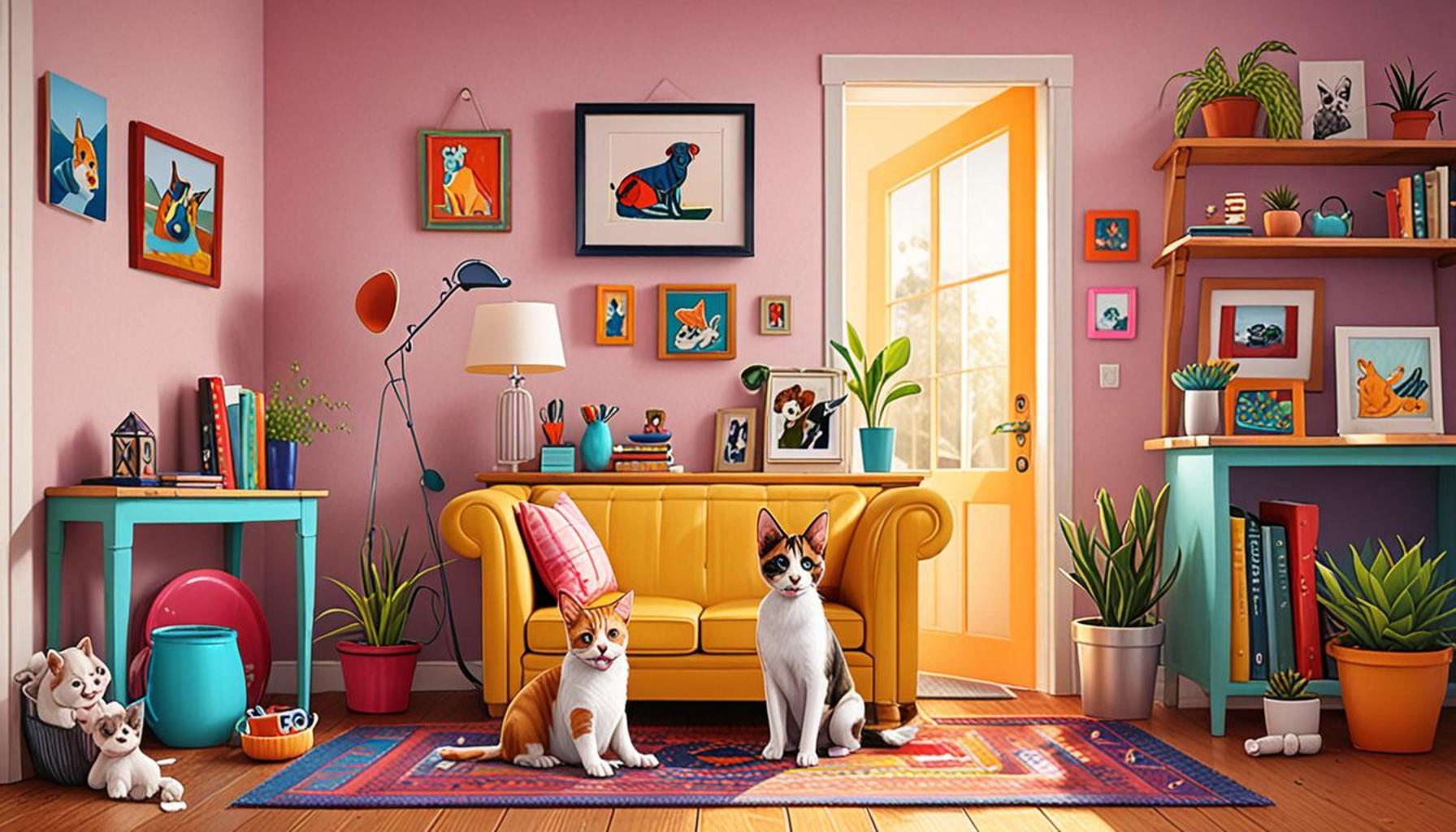
Welcoming a new pet into your home is an exciting and transformative experience. Adopting a furry friend not only provides them with a loving home but also enriches your life in countless ways. However, ensuring that your living space is ready for this new arrival is crucial to creating a safe and comfortable environment.
It is essential to prepare your home properly to ease the transition for both you and your adopted pet. Here are some practical tips that will help you get your home pet-ready and ensure a smooth adjustment process. By following these guidelines, you can create a sanctuary where your new companion can thrive.
Top 5 Essential Preparations for Your Home
- Remove hazardous items from reach.
- Designate a comfortable space for your pet.
- Gather essential supplies beforehand.
- Pet-proof your home to prevent accidents.
- Establish routines and boundaries from the start.
These tips will offer a solid foundation for creating a welcoming environment, allowing you and your adopted pet to bond more effectively. Discover how to implement these ideas and make your home a haven for your new family member!
Top 5: How to Prepare Your Home for a Newly Adopted Pet: Practical Tips
Adopting a pet is a heartwarming endeavor that enriches both the lives of humans and animals. The presence of a new pet in a home introduces changes that can lead to increased happiness, activity, and companionship. However, welcoming a pet goes beyond the excitement of adoption day; it requires preparing your home to be a nurturing and secure environment for your newest family member. In this article, we delve into the top five essential tips to ensure your home is ready for the arrival of a new furry friend, ensuring both safety and happiness.
5. Create a Safe Space for Your Pet
The foundation of a successful transition for your new pet begins with establishing a designated safe space within your home. This area will serve as a sanctuary where your pet can acclimate to unfamiliar surroundings without feeling threatened or overwhelmed.

- Choose a Quiet Area: Opt for a room that maintains a soothing atmosphere, free of heavy foot traffic and noise. The quieter the environment, the better it will be for helping the pet relax and feel at ease.
- Provide Comfort: Furnish this space with a soft, inviting bed, some cozy blankets, and their favorite toys—these extras can go a long way in offering comfort and reducing anxiety.
- Limit Access: Consider using baby gates or closing doors to keep other pets or young children from intruding, allowing your new pet the opportunity to adjust at their own pace.
Providing a safe haven within your home empowers your pet to explore and grow confident in their new setting without feeling pressured or over-stimulated. This setup can significantly smoothen the adjustment process for all parties involved.
4. Pet-Proof Your Home
Having a safe space isn’t enough; responsible pet ownership mandates that you also pet-proof your entire home. This process is vital in preventing accidents and ensuring the well-being of both your pet and your household.
- Remove Toxic Plants: Many common houseplants can be toxic to pets if ingested. Research plant species thoroughly and eliminate any that may pose a risk to your pet’s health.
- Secure Cables and Wires: Curious pets may chew on electrical cords, which can lead to harmful shocks. Encase wires in protectors or securely fasten them to walls to prevent such incidents.
- Use Childproof Locks: Ensure all cabinets containing potentially hazardous materials such as cleaning supplies and medications are outfitted with secure locks to prevent access.
Each of these precautions is a proactive measure to create a safer living space. By ensuring your home is thoroughly pet-proofed, you significantly reduce the risk of unforeseen accidents.
3. Gather Essential Supplies
Before your new pet arrives, it’s crucial to gather essential supplies to ensure they feel welcomed and comfortable from day one. Adequate preparation can ease this transition and help your pet settle into their new home quickly.
- Food and Water Bowls: Opt for robust, non-toxic bowls suited to your pet’s size, ensuring they have easy access to their food and water.
- Flea and Tick Prevention: Protect your pet against common parasites by securing veterinarian-recommended preventive measures.
- Collar and Identification Tags: Ensure your pet is equipped with a collar featuring ID tags that include your contact information. This is critical in case they wander off or become lost.
Having these essentials in place will facilitate your new pet’s acclimation and contribute positively to their overall health and well-being.
2. Consider Other Pets in the Home
If you already have animals at home, introducing your new pet involves thoughtful management of these relationships to achieve a harmonious household balance. Careful introduction is key to preventing territorial disputes and ensuring smooth integration.
- Gradual Introductions: Begin introductions with short, supervised interactions in a neutral environment. This allows existing pets to grow accustomed to the newcomer without feeling their territory is threatened.
- Monitor Behavior: Attentively watch for signs of stress, aggression, or anxiety during introductions. Be prepared to intervene and separate the pets if necessary to ensure safety.
- Provide Separate Resources: Separate food, water bowls, and sleeping areas for each pet to minimize potential competition or conflict, thereby reducing stress levels.
Approaching pet introductions thoughtfully and with patience can foster positive outcomes and enhance the likelihood of a cohesive multi-pet household.
1. Create a Routine
Establishing a consistent routine for your new pet is of paramount importance. Pets thrive on structure and predictability, which contributes to their feelings of security and stability in their new environment.
- Feeding Schedule: Serve meals at the same time each day to establish a steady routine and help manage your pet’s expectations and behavior.
- Exercise and Play: Include regular playtime and physical activities to keep your pet physically healthy, mentally stimulated, and engaged.
- Training Sessions: Integrate training into daily routines to foster good behavior, reinforce commands, and cultivate a stronger bond between you and your pet.
Structuring a daily routine not only takes care of your pet’s physical necessities but also enriches their emotional well-being, paving the way for a harmonious and fulfilling companionship.
In conclusion, the journey of adopting a pet extends beyond the initial adoption process. By focusing on creating a safe, secure, and nurturing environment, you are setting the stage for a mutually rewarding relationship with your new pet. From setting up a safe space to pet-proofing your home and creating routine, each step plays a significant role in ensuring your pet adapts smoothly and comfortably to their new home.
When preparing your home to welcome an adopted pet, there are several key aspects to consider, ensuring a smooth transition for both the pet and your household. Here, we delve into practical considerations that can make this process seamless and enjoyable. First and foremost, pet-proofing your home is essential. This means identifying and removing any potential hazards that could harm your new furry friend. Common areas of concern include electrical cords, toxic plants, and small items that can be swallowed. Understanding your pet’s natural curiosity can help you anticipate trouble spots. For example, securing items or using cable organizers can prevent pets from chewing on cords, reducing the risk of accidents.Next, creating a dedicated space for your pet is an excellent strategy. This becomes their sanctuary— a comfortable area with their bed, toys, and food and water bowls. When selecting this space, consider a quiet corner that provides security and peace for your new companion. You may also want to incorporate a few pet gates, which can prevent your pet from exploring certain areas of your home unsupervised, particularly if there are small children or fragile items nearby.Moreover, the proper introduction of your new pet to the household is crucial. It can be a daunting experience for both the pet and existing family members, whether they’re human or animal. Take the time to introduce your pet slowly, allowing them to acclimate to their surroundings and the other members of the household. Effective introductions can foster positive interactions and build trust, laying the groundwork for a loving relationship.Investing in high-quality supplies should not be overlooked, as your pet’s health directly corresponds to their living conditions. It’s wise to choose durable food and water bowls, age-appropriate toys, and safe grooming tools. Additionally, providing them with chew-resistant options can save you from unexpected expenses and ensure your pet’s safety.Lastly, adapting your routine to accommodate your pet’s needs can dramatically enhance their integration into your home. Schedule regular feeding times, walks, and playtime to establish a sense of normalcy. Background knowledge of your pet’s breed can also guide you in tailoring your approach. For example, high-energy breeds may require more exercise compared to less active ones.As you navigate these practical steps, you pave the way for a loving and supportive environment for your newly adopted pet, allowing both your family and your furry friend to thrive together harmoniously.
Frequently Asked Questions about Preparing Your Home for an Adopted Pet
What are the first steps to take when preparing my home for a new pet?
When preparing your home for a new pet, the first step is to pet-proof your environment. This means ensuring there are no small objects or loose wires that a pet might ingest or get tangled in. Additionally, aim to create a designated space for the pet, which includes a comfortable sleeping area with accessible water and food bowls. The idea is to make the space welcoming and safe. Integrating toys and a scratching post for cats or chew toys for dogs can help ease their transition and minimize stress.
How can I make my home safe for my new pet?
To create a safe environment, ensure that all potentially toxic substances such as cleaning products, medications, and plants are stored securely out of reach. It’s crucial to inspect for any small items that could pose a choking hazard. Consider the use of baby gates or barriers to section off off-limits areas. Also, evaluate your home for possible escape routes and secure any poorly closed windows or doors. Being proactive in these measures will help you inadvertently avoid visits to the vet.
What should I consider when choosing pet supplies and furniture?
When selecting pet supplies, prioritize durability and safety. Opt for items specifically designed for pets, avoiding those with small detachable parts. For furniture, look for stain-resistant and easy-to-clean materials, considering that pets can be messy. Scratching posts, sturdy carriers for transportation, and comfortable bedding suited to your pet’s size are essential. Choosing the right supplies not only provides comfort but also ensures a healthier, more manageable environment for both you and your pet.
How can I help my new pet adjust to their new home?
Adjusting to a new home can be overwhelming for a pet. Start by introducing them gradually to different rooms and parts of the house. Consistency is key, so establish a routine for feeding, walking, and playtime. Offer plenty of love and patience; some pets may take time to come out of their shell. Providing a consistent environment and being sensitive to their needs will ensure a smoother transition.
Are there any specific preparations for different types or breeds of pets?
Yes, different pets and breeds may have unique requirements. For instance, large dog breeds may need more space to roam, while certain cat breeds might require more stimulation due to their active nature. Researching your specific pet’s breed or type can provide insights into their behavioral traits and needs. Tailoring your home environment and care routines to these specificities can lead to a more harmonious coexistence.
Conclusion: Welcoming Your New Furry Friend
Adopting a pet brings joy and responsibility into your home, and getting ready for their arrival is a crucial step in building a harmonious environment. As we’ve explored, there are several practical measures to consider in preparing your house for a newly adopted pet.
First, safety is paramount. Pet-proofing your home by securing loose items, covering electrical outlets, and removing hazardous substances ensures a safe space for exploration and play. Next, creating a designated area for your pet will provide them with a sense of security and belonging in their new environment.
The importance of investing in essential supplies cannot be emphasized enough. Having bedding, toys, food, and water bowls ready will make the transition smoother for both you and your new pet. Furthermore, establishing a routine, involving feeding and walks, brings structure and comfort to the pet, aiding in their adaptation process.
Equally significant is the need for a gradual introduction to family members and other pets. This cautious approach helps in building harmonious relationships and reducing anxiety for the newcomer. Consistency and patience are key during this period, as it sets the tone for a healthy coexistence.
In conclusion, while the initial preparations may seem overwhelming, they lay the groundwork for a loving and safe environment where your pet can thrive. Embracing these changes not only enhances the well-being of your pet but also enriches your life with unconditional love and companionship. Remember, a successful pet adoption is about commitment, care, and creating a nurturing home for your new family member.