Cat Training: Effective Methods to Teach Desired Behaviors
Unlocking the Secrets of Cat Training
Many cat owners often wonder how to mold their feline friends into well-behaved companions. Training a cat may seem daunting, but it is entirely possible with the right approach. Understanding your cat’s natural instincts and motivations is key to achieving success. With an effective training strategy, you can foster an environment where your cat not only thrives but also enriches your daily life.
Consider these effective methods to bring out the best in your kitty:
- Positive Reinforcement: Utilize treats, toys, and enthusiastic praise to reward desired behaviors. When your cat uses the scratching post instead of the furniture, for example, reward them immediately. This method relies on the principle that cats are more likely to repeat behaviors that yield positive outcomes. This approach is far more effective than punitive measures, which can lead to fear and mistrust.
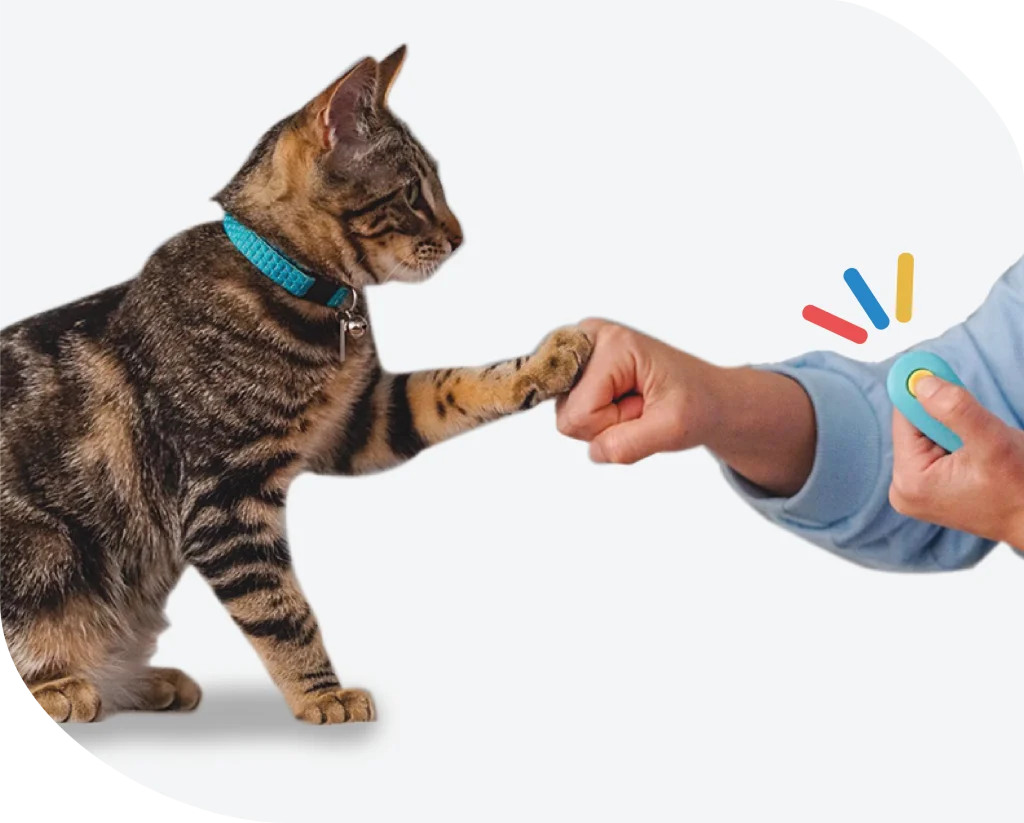
- Clicker Training: A clicker can mark the exact moment your cat performs a desired action. This small device emits a sharp “click” sound, which helps the cat associate the sound with a positive action and a subsequent reward. Start with simple commands, like “sit” or “high five,” and gradually move on to more complex tricks as your cat becomes more receptive to the training.
- Consistency: Regular routines help cats learn expectations and improve reliability. Establishing a daily training schedule can help your cat understand when to focus and learn. For instance, allocating short training sessions at the same time each day will make it easier for both you and your cat to engage in the process.
Cat training offers numerous benefits for both pet and owner. Not only does it enhance communication, but it also promotes a stronger bond between human and feline. Well-trained cats tend to have fewer behavioral issues, such as litter box problems or excessive meowing, ultimately leading to a more harmonious home. Owners will appreciate the calmness that comes with knowing their cat is well-behaved, reducing stress and potential conflicts.
Are you ready to discover new skills that will transform your cat into a well-mannered pet? Explore essential strategies that are tailored for success and learn how to effectively teach your cat desired behaviors. For instance, socializing your cat with other pets and people can further enhance their training outcomes, as they learn to react appropriately in varied situations. After all, every cat can learn, and every owner can successfully train. With patience, perseverance, and the right techniques, you’ll unlock the secrets to a fulfilling companionship with your kitty.
Building a Foundation for Successful Cat Training
Cat training is as much about understanding your feline’s unique personality as it is about the methods you employ. Each cat possesses distinct traits, influenced by breed, age, and individual temperament. Sales data indicates that around 70% of cat owners express a desire for more information on how to train their pets effectively. This eagerness reflects a growing recognition of the importance of building a rewarding relationship with cats through training.
To effectively train your cat, you will need to consider a variety of techniques. Here are some additional strategies that can complement the methods previously mentioned:
- Target Training: This method involves teaching your cat to touch a particular object, such as a target stick or your hand, with their nose. Once your cat understands this concept, you can guide them towards performing various tasks or behaviors by attaching the target to those actions. For instance, moving your cat to a designated spot or bringing them to you. This technique helps increase your cat’s engagement and can be an excellent way to exercise their minds.
- Short Sessions: Cats have shorter attention spans than dogs, so keeping training sessions brief and engaging is crucial. Aim for ten to fifteen-minute sessions, as this duration is more likely to keep your cat focused without causing them stress or boredom. A series of short and fun training sprints throughout the day can yield better results than lengthy sessions.
- Clicker Timing: In clicker training, the timing of the click is essential. To maximize effectiveness, ensure that you click the moment your cat executes the desired behavior. This immediate feedback helps reinforce the action in your cat’s mind, aiding quicker comprehension and association.
In addition to these methods, it’s important to create a conducive environment for training. A calm, distraction-free zone can make a significant difference. Try introducing training activities in a quiet room, away from loud noises and unpredictable movements. This will help your cat focus better on learning, allowing you to build upon their skills progressively.
Equally vital is understanding your cat’s body language. Signs of stress or discomfort include flattened ears, a twitching tail, or unwillingness to engage. Acknowledging these signals can help you adjust your approach and choose the right time to train, ensuring that your furry friend remains open to learning. Some owners even opt to use an online cat training course, which can provide added insights into feline behavior and training methodologies.
Stay patient as you begin your training journey. Building desired behaviors will take time and dedication, but the rewards are well worth the effort. Creating a solid foundation will pave the way for a happier and more harmonious life with your cat, establishing a lasting bond that enriches both your lives. With the right strategies in place, you’ll soon be on your way to transforming your cat into the well-behaved companion you’ve always desired.
| Training Method | Advantages |
|---|---|
| Positive Reinforcement | Encourages desired behaviors through rewards, fostering a strong bond between you and your cat. |
| Clicker Training | Utilizes a click sound as a marker for correct behavior, making the training clear and consistent for your cat. |
| Target Training | Involves teaching your cat to touch a target with their paw or nose, enhancing focus and engagement during sessions. |
| Socialization | Helps to acclimate your cat to different environments, people, and other pets, reducing anxiety and promoting behavior flexibility. |
Understanding the effective methods for cat training can significantly enhance your pet’s behavior and your overall relationship with them. By employing techniques such as positive reinforcement, you not only teach desired behaviors but also build trust and a sense of security. The immediate rewards associated with this positive approach help reinforce actions you want to encourage.With clicker training, you can achieve precise training outcomes. The sound of the click serves as an immediate signal to your cat that they have performed the desired behavior. This clarity is important as it helps them associate the behavior with the reward, leading to faster learning. Furthermore, engaging your cat in target training can sharpen their focus and make training sessions more enjoyable. This method transforms training into a game, which is essential for a successful learning process. Don’t overlook socialization, either; helping your cat adapt to new experiences lays the groundwork for a well-adjusted pet capable of exhibiting desirable behavior in various situations. With the right approach, you can embark on an exciting journey in enhancing and shaping your cat’s behavior to achieve a harmonious home environment.
Enhancing Training with Enrichment Techniques
As we dive deeper into the world of cat training, it’s crucial to integrate effective enrichment techniques that not only aid in teaching desired behaviors but also stimulate your cat’s natural instincts. One popular method is the use of food puzzles and toys. These interactive tools challenge your cat mentally and physically, promoting problem-solving skills while rewarding them for their effort. For example, food dispensing toys that require your cat to engage in play to receive treats can motivate them to learn new tricks or commands.
Another innovative technique is the use of scents for training. Cats are highly sensitive to smells, and introducing them to various scents can facilitate training by associating particular aromas with specific behaviors. You can create scent trails using catnip or their favorite treat, leading them to a desired behavior or location. This multisensory approach not only captivates their interest but also taps into their innate tracking abilities, proving both educational and entertaining.
Moreover, socialization plays an essential role in training. Gradually exposing your cat to different environments, sounds, and experiences can help them become more adaptable and calm. For instance, gently introducing your cat to the sounds of a vacuum or the presence of new people can significantly diminish their fear or anxiety, making them more receptive to training sessions. According to a study published in the Journal of Feline Medicine and Surgery, early socialization prevents behavioral problems in adulthood, thus emphasizing the vital link between environmental exposure and successful training.
Some cat owners might also find great value in utilizing positive reinforcement through mimicking natural hunting behaviors. When training your cat, consider using their natural instincts as a foundation. For example, if your cat enjoys climbing or jumping, incorporate activities where they must leap for a treat or scale a designated climber to obtain their reward. This not only reinforces positive behavior but aligns training with what cats instinctively enjoy doing. Enhance these sessions by using a gentle voice and enthusiastic praise when they succeed.
Incorporating Visual Cues
Visual cues can be particularly effective when training your cat. Incorporate hand signals or specific gestures to accompany verbal commands. Cats may respond better to visual prompts, which can serve as a clear indicator of what you expect. For example, lifting your hand upward can signal your cat to jump, while pointing to their scratching post can indicate where they should play. Combining these cues with verbal commands establishes a strong communication link between you and your feline companion.
It’s also worth noting the significance of keeping a training journal. Documenting your training sessions, your cat’s progress, and any notable behaviors will not only help you stay organized but also track what works best for your pet. This record can serve as a valuable database of insights, enabling you to adjust your methods based on what your cat responds to positively. Notably, research conducted by animal behaviorists suggests that monitoring and adapting your approach increases the likelihood of sustained success in training.
In summary, integrating innovative enrichment techniques, socialization, visual cues, and personalized documentation can enormously enhance your cat’s training experience. By broadening the scope of training beyond traditional methods, you pave the way for a more fulfilling and engaging relationship with your feline friend, encouraging their natural instincts and fostering desired behaviors more effectively.
Conclusion
In conclusion, mastering cat training requires a harmonious blend of techniques and a keen understanding of feline behavior. The journey to teaching desired behaviors is not solely about commands and compliance but also about connecting with your cat on a deeper level. Utilizing methods such as food puzzles, scent associations, and positive reinforcement, you can motivate your cat to engage in training sessions that are both productive and enjoyable. Enrichment techniques serve dual purposes: fostering learning while appealing to your cat’s innate instincts, making training a rewarding experience for both parties.
Furthermore, socialization plays a pivotal role in shaping a well-adjusted cat capable of thriving in various environments. Gradually exposing your pet to different stimuli can alleviate anxiety and boost their confidence, optimizing their responsiveness to training. Incorporating visual cues alongside verbal commands not only enhances communication but also solidifies your expectations in their minds. Keeping a training journal is a practical strategy to observe progress and make necessary adjustments based on individual responses.
As you embark on your training adventure, remember that patience and consistency are paramount. Each cat is unique, and their training journey will differ. Ultimately, investing time and understanding into their training not only cultivates desirable behaviors but also enriches the bond between you and your cat. For those looking to delve deeper into effective training strategies, numerous resources and communities are available to share experiences and insights, further enlightening your path towards successful feline training. Explore and enjoy the wonders of your cat’s potential—training is just the beginning of a wonderful companionship.