Community Initiatives to Improve the Welfare of Abandoned Pets

Understanding the Issue
The reality of abandoned pets is a complex issue that touches the hearts of many. According to the ASPCA, approximately 3.3 million dogs and 3.2 million cats enter U.S. shelters every year, with a significant portion of these animals being surrendered or abandoned by their owners. This staggering statistic highlights the urgent need for effective strategies to tackle this growing concern. When pets are abandoned, they face a multitude of challenges, including poor health, lack of socialization, and ultimately, a struggle to find loving homes.
Key Initiatives Addressing Abandonment
Efforts to combat pet abandonment have evolved to include a range of community initiatives that aim to address both the symptoms and root causes of this issue. Here are some noteworthy examples:
- Foster Care Programs: These initiatives enable volunteers to offer temporary homes to pets in need. Programs like “Foster a Pet” allow community members to open their homes to animals, providing them with crucial support while space is created in shelters. This not only helps relieve overcrowding but also gives animals a chance to thrive in a more relaxed environment.
- Awareness Campaigns: Organizations such as the Humane Society implement educational outreach to promote spaying and neutering as a critical step towards preventing overpopulation. These campaigns often involve local schools, veterinary clinics, and social media initiatives that engage the community and inspire responsible pet ownership.
- Fundraising Events: From charity runs to dog washes, community events raise necessary funds for supplies, medical care, and shelter resources. Programs like “Bark in the Park” not only foster community spirit but also directly support local animal shelters, helping them better equip themselves to care for abandoned pets.
The Power of Collaboration
The fight against abandoned pets is not a solo effort; it’s a collective fight that involves local businesses, veterinarians, and non-profits coming together. Many pet supply stores partner with shelters to provide discounts on pet food for foster families, while veterinary clinics often offer low-cost spay/neuter services to encourage responsible pet ownership. This collaborative approach not only enhances community involvement but also establishes vital support networks for at-risk animals.
Challenges and Opportunities
Despite the positive developments, challenges remain prevalent. Financial constraints, limited volunteer availability, and the rising number of abandoned animals can make progress feel daunting. However, the community’s increasing awareness and innovative solutions provide a glimmer of hope for the future. Programs like “Adopt, Don’t Shop” have gained momentum, encouraging potential pet owners to consider adoption as a humane and fulfilling option.
Conclusion
As communities band together, the transformative impact of these initiatives becomes evident. With continued dedication and engagement from citizens, the tide can turn for abandoned pets across the United States. By fostering compassion, responsibility, and action, a more humane future awaits for countless vulnerable animals longing for a loving home.
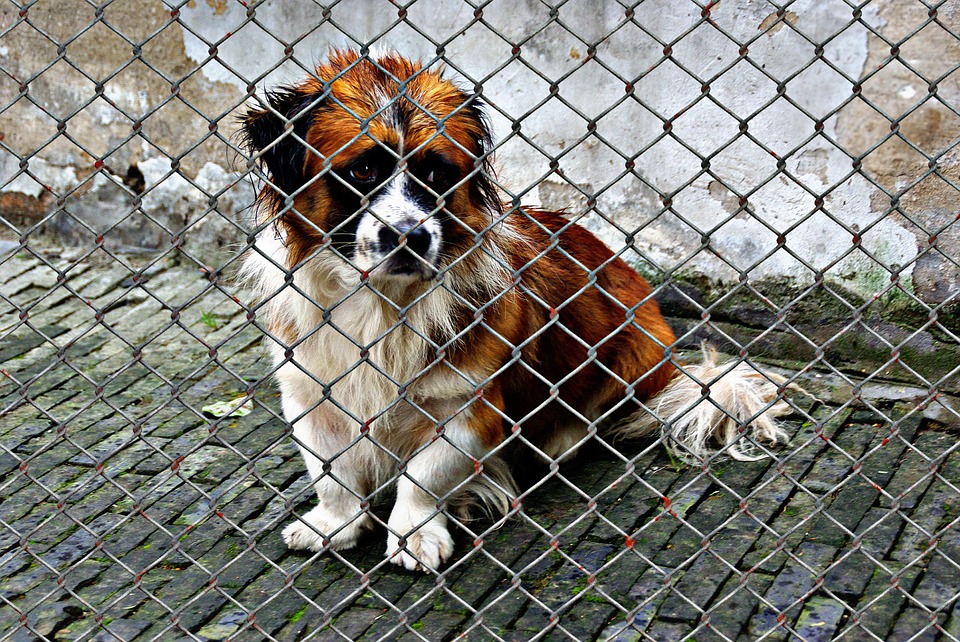
DON’T MISS: Click here to enhance your pet’s well-being
Innovative Community Efforts to Support Abandoned Pets
The increasing number of abandoned pets has prompted communities across the United States to rise to the occasion with innovative solutions. With shelters often overloaded and resources stretched thin, a variety of community initiatives are emerging, showcasing the power of local engagement and commitment to animal welfare. These programs are designed not only to provide immediate relief for homeless pets but also to lay a foundation for long-term change.
One of the pivotal strategies in this movement is trap-neuter-return (TNR) programs, which specifically target feral cat populations. By humanely trapping these animals, providing them with necessary veterinary care, and returning them to their original locations, communities can significantly reduce the birthrate of stray cats over time. Not only does this method alleviate shelter overcrowding, but it also integrates the cats into the community, where they can contribute to pest control in safe, managed ways.
In addition to TNR, community education initiatives play a crucial role in altering the perception of pet ownership. Workshops and seminars hosted by local animal shelters educate residents on responsible pet ownership, including the importance of regular veterinary care, understanding pet behavior, and the dire consequences of abandonment. By fostering an informed community, these programs aim to instill a sense of accountability and compassion among pet owners.
Engaging the Next Generation
Another promising approach involves engaging children and youth in animal welfare initiatives through programs like “Kids for Pets,” which emphasizes the importance of kindness and responsibility in pet ownership. Schools often collaborate with local shelters to introduce students to concepts of compassion and respect for animals. These interactive educational programs, integrated into school curricula, cultivate a new generation dedicated to preventing pet abandonment in their future.
Moreover, community pet clinics, frequently held in partnership with veterinary schools and local veterinarians, offer accessible healthcare services at low or no cost. These clinics not only provide essential medical treatments, such as vaccinations and wellness checks, but also serve as a means to educate pet owners on preventive care. By addressing health issues proactively, these initiatives help reduce the number of pets abandoned due to preventable ailments.
Building Support Networks
Besides educational aspects, networking events are gaining momentum to connect pet owners, potential adopters, and animal welfare advocates. Events such as pet fairs, adoption drives, and “meet and greet” activities bring together various stakeholders—shelters, local businesses, and community members—to showcase pets in need of homes and foster connections. These events are not only important for raising awareness but also create emotional bonds that can lead pet owners to adopt rather than relinquish their furry companions.
As these initiatives gain traction, the collective efforts of individuals, organizations, and local government prove essential in overcoming the challenge of abandoned pets. Each program plays a vital role in creating a compassionate environment where abandoned pets can receive the care they need and find loving forever homes.
| Category | Description |
|---|---|
| Awareness Campaigns | Programs focusing on educating the community about the importance of shelter and care for abandoned pets. |
| Volunteer Programs | Initiatives that mobilize volunteers to assist in local shelters, fostering care and adoption enthusiasm. |
| Fundraising Events | Events designed to raise money for local shelters, helping to cover veterinary bills and provide resources. |
| Partnerships with Businesses | Collaborations that offer discounts for pet adoptions and promote community support for shelters. |
The above initiatives are vital in creating a supportive environment for abandoned pets, showcasing how community involvement leads to tangible benefits. Awareness campaigns serve as a conduit for information, ensuring that future owners understand the responsibility of pet care. Volunteering not only helps shelters but also builds a compassionate community, while fundraising events generate essential funds for necessary medical treatments. Finally, partnerships with local businesses create a supportive network that incentivizes adoption and sustains shelter resources. Collectively, these initiatives not only improve the welfare of abandoned pets but also strengthen community bonds, encouraging altruism and responsibility.
LEARN MORE: Click here to discover the importance of responsible pet adoption
Collaborative Projects in Animal Welfare
As communities strive to address the growing crisis of abandoned pets, the emergence of collaborative projects has become increasingly vital. These projects are fostering cooperation between various stakeholders, including local governments, non-profit organizations, businesses, and volunteers. By pooling resources and expertise, they create more comprehensive support systems for abandoned pets.
A notable example of collaboration is the establishment of foster care networks. Local shelters often struggle to accommodate all abandoned pets due to limited space. By partnering with families and individuals willing to foster animals temporarily, shelters can ensure these pets receive the love and care they need while waiting for their forever homes. Programs that encourage fostering train individuals on how to care for animals and prepare them for adoption, significantly increasing chances for pets to find suitable families.
Utilizing Technology for Better Outcomes
In today’s digital age, technology plays a pivotal role in animal welfare initiatives. Many communities are leveraging social media platforms to heighten the visibility of pets in need. Facebook groups, Instagram pages, and dedicated websites serve as excellent tools for showcasing available animals for adoption and promoting adoption events. Moreover, apps designed specifically for connecting shelters with potential adopters streamline the process of finding new homes for abandoned pets.
For instance, Petfinder, a popular online database of adoptable animals, has transformed how shelters reach out to potential adopters. By allowing users to search for pets by breed, age, size, and location, this tool enhances visibility and encourages responsible pet ownership. Additionally, neighborhoods are using apps that enable residents to report sightings of abandoned pets, improving rescue efforts and reducing response time.
Promoting Responsible Pet Ownership Through Microchip Programs
Microchipping is another vital aspect of community initiatives aimed at reducing the number of abandoned pets. Many organizations offer free or low-cost microchipping events, ensuring that pets are easily identifiable and can be returned to their owners if lost. By investing in microchip technology, communities can significantly lower the chances of stray animals ending up in shelters due to misplaced or unclear ownership.
These microchip programs often coincide with educational campaigns that highlight the importance of spaying and neutering pets. Local governments, along with animal welfare organizations, frequently hold workshops that explain the long-term benefits of these procedures not only for individual pets but for the community’s overall animal population as well. These initiatives strive to combat the issue of unplanned litters, which contribute heavily to the rise in abandoned pets.
Support from Local Businesses
Community support for abandoned pets also extends into the local business sphere. Increasingly, local businesses are stepping up to help fund initiatives aimed at improving animal welfare. Many pet supply stores work alongside shelters to contribute a portion of their sales to animal rescue efforts or host fundraising events such as bake sales and charity walks. This partnership not only raises essential funds but also raises awareness about animals in need within the community.
In addition, businesses are encouraged to offer discounts to customers who adopt from local shelters, incentivizing adoption and encouraging responsible pet ownership. By creating an environment of community involvement, these initiatives bridge the gap between local commerce and animal welfare, illustrating a holistic approach to the issue of abandoned pets.
Through these varied and thoughtful initiatives, communities demonstrate an enduring commitment to improving the welfare of abandoned pets. Collaborative projects, technological advancements, responsible pet ownership programs, and local business support are critical in the ongoing fight to ensure that every animal has a loving home and the care they deserve.
DISCOVER MORE: Click here for essential pet care strategies
Conclusion: A Collective Responsibility Towards Abandoned Pets
The alarming increase in abandoned pets has necessitated a multi-faceted approach that brings communities together to create comprehensive initiatives aimed at improving animal welfare. Community initiatives, encompassing collaborative projects, technological advancements, responsible pet ownership programs, and support from local businesses, showcase the pivotal role that united efforts play in addressing this urgent issue.
As various stakeholders work together—from shelters to corporate partners—the capacity to provide love, care, and suitable homes for abandoned pets grows exponentially. Families willing to foster animals not only ease shelter burdens but also help socialize pets, making them more adoptable. The transformative power of technology amplifies visibility for at-risk animals, ensuring they don’t remain lost in the shadows. Moreover, microchipping and educational campaigns represent proactive measures that empower pet owners and communities, preventing further abandonment and promoting responsible ownership.
Importantly, the engagement of local businesses not only elevates funding for essential programs but also cultivates a culture of awareness and responsibility towards animal welfare. Their involvement fosters community spirit while encouraging pet adoption through tangible incentives, creating a win-win scenario for both pets and potential owners.
As we envision a future where every abandoned pet is granted a loving home, the collective action of communities becomes crucial. It is through awareness, collaboration, and commitment that we can provide the humane solution our furry companions deserve. Continued advocacy for these initiatives will help ensure a brighter tomorrow for countless animals in need, making the responsibility of caring for abandoned pets a shared duty we must all embrace.