Demystifying the Adoption of Pets with Special Needs: How to Provide Love and Care to Animals with Challenges

The Gift of Adopting Special Needs Pets
Adopting a pet opens the door to love, companionship, and responsibility, yet the experience can be even more profound when you choose to welcome animals with special needs into your home. These incredible pets often confront obstacles that make it challenging for them to find forever homes, yet they possess an abundance of love and loyalty to give.
It’s important to recognize that special needs pets come with a wide variety of unique challenges, and understanding these needs can greatly enrich one’s experience as a pet owner. Here are some key points to consider:
- Variety of Needs: Special needs pets may suffer from physical disabilities such as mobility issues due to amputation or arthritis, chronic illnesses like diabetes or epilepsy, or behavioral challenges stemming from early trauma or neglect. For instance, a dog with a missing leg may require a specially designed harness for support while walking.
- Emotional Rewards: The bond that can form between a caregiver and a special needs pet is often profound. Many adopters report feelings of accomplishment and fulfillment as they help these animals thrive against the odds. An example is a family that adopts a blind cat, investing time to create a safe environment. The cat, in turn, provides them with affection and companionship that enriches their lives immensely.
- Support Systems: Resources are available for potential adopters that can ease the transition into caring for a special needs pet. Local animal shelters often have dedicated staff trained to provide advice, while online communities, such as social media groups, offer valuable insights and support from fellow pet owners who have similar experiences. For example, websites like PetFinder or The Shelter Pet Project provide links to shelters where potential adopters can find special needs pets eagerly waiting for a home.
Statistics reveal that approximately 6.5 million animals enter shelters across the United States annually, and many of these animals present special needs. A significant number of these loving companions often spend longer in shelters compared to their healthier counterparts. Understanding the essential requirements of these pets, such as the need for frequent vet visits, tailored diets, or specialized training, can dramatically enhance their quality of life.
This exploration into adopting pets with unique challenges aims to inspire empathy and informed decision-making. By recognizing their special needs, we can provide essential love and care, creating fulfilling bonds that greatly benefit both the pet and the owner. With the right support, special needs pets can not only lead happy lives but can also impart invaluable lessons in resilience and unconditional love to their families.
Dive deeper: Click here for expert training tips
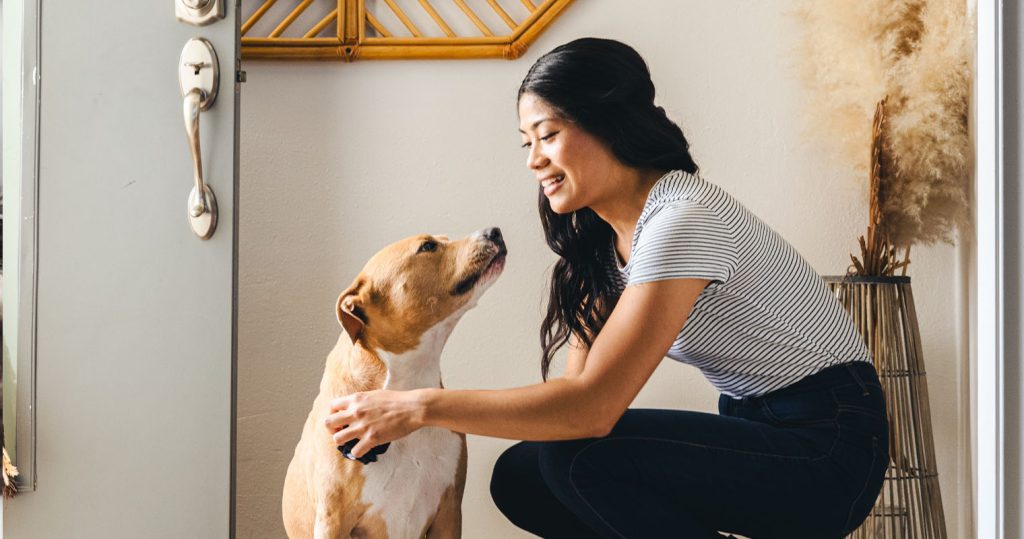
Understanding the Unique Challenges of Special Needs Pets
When considering the adoption of special needs pets, it’s vital to understand the range of challenges these animals may face. Each pet’s situation is unique, and being equipped with the right knowledge can make a significant difference in their care and overall well-being. Below are some common categories of special needs, along with insights on how they can affect a pet’s life.
- Physical Disabilities: Many pets with special needs have physical limitations that require adaptive care. For instance, a dog with mobility issues may benefit from a cart or wheelchair, enabling them to enjoy outdoor activities. Providing a pet with the appropriate assistive devices not only enhances their mobility but also encourages active engagement with their environment.
- Chronic Health Conditions: Conditions like diabetes and kidney disease require ongoing management, including specialized diets and regular vet check-ups. For instance, a cat with diabetes may need to be fed at specific times and receive insulin injections. Establishing a routine and adhering to grooming or vet schedules can provide stability and comfort for the pet.
- Behavioral Challenges: Many pets have experienced trauma that has led to behavioral issues such as anxiety or fear, which can complicate their integration into a new home. Adopting methods such as positive reinforcement training can gradually build trust and help ease these challenges. Consistent behavioral therapy can play a critical role in improving a pet’s quality of life.
The emotional impact of caring for a special needs pet extends beyond their physical requirements. Pets often have a remarkable ability to reciprocate love and companionship, even in the face of their challenges. Their resilience can inspire fans and provide an enriching experience for the caregivers. For instance, many owners share stories of how a pet with a history of abandonment overcame their fears to form an unbreakable bond with their new family.
Moreover, understanding the commitment involved in adopting a special needs pet allows for more informed and responsible choices. This commitment may include extra time, financial investment, and emotional energy. According to a study published by the American Society for the Prevention of Cruelty to Animals (ASPCA), the initial adjustments may involve costs associated with specialized food, medications, and vet visits that could differ from standard pet care. Nevertheless, the rewards often far outweigh these initial adjustments, fostering a rewarding lifelong partnership.
To help potential adopters navigate the intricacies of special needs pet care, numerous resources are available. Organizations such as the Humane Society and local rescue groups often provide detailed information regarding special needs care, alongside referrals to veterinarians experienced in catering to unique animal challenges. Engaging with local pet owners who have successfully adopted special needs pets can yield practical insights, emotional support, and a deeper understanding of the journey they embarked upon.
By recognizing and addressing the various needs of these pets, potential adopters can work toward creating nurturing environments where love, respect, and fulfillment blossom for both the pet and the owner. Understanding the broader implications of adopting a special needs pet not only prepares you for the responsibility but also enriches your life through the extraordinary journey ahead.
| Advantage | Description |
|---|---|
| Increased Compassion | Adopting pets with special needs fosters a deeper understanding of empathy and responsibility towards all living beings. |
| Unique Bonding Experience | Pets with challenges often develop a unique and strong bond with their owners, showcasing their gratitude and affection in special ways. |
| Educational Opportunity | Caring for a special needs pet provides rich opportunities for learning about patience, caring, and adaptability in pet care. |
| Increased Awareness and Advocacy | By adopting pets with special needs, owners become advocates for animal welfare, spreading awareness about the importance of inclusivity in pet adoption. |
When considering the adoption of a pet with special needs, it is essential to emphasize that the experience is not only about providing care but also about creating a affirming environment for both the owner and the pet. The journey often requires patience and literacy in specialized care which can lead to profound personal growth and satisfaction.Additionally, as more people opt to adopt pets with unique challenges, awareness about the needs of these animals is raised within the broader community. Pet owners who openly share their experiences can inspire others to explore this rewarding path, challenging preconceived notions that hinder the adoption of these deserving animals. By focusing on these aspects, potential adopters can see that this decision is more than just a choice; it’s a commitment to make a significant difference in an animal’s life while enriching their own.
DIVE DEEPER: Click here to uncover expert training tips
Building a Supportive Environment for Special Needs Pets
After understanding the unique challenges special needs pets face, the next step in the adoption journey revolves around creating an environment conducive to their recovery and happiness. Establishing a supportive home can profoundly affect a pet’s well-being, ensuring that they thrive despite their difficulties. Here are crucial elements to consider when preparing a space for your new furry family member.
- Safe Spaces: Safety is paramount, especially for pets grappling with anxiety or physical limitations. Create designated areas where they can retreat when feeling overwhelmed. These safe havens can include cozy beds in quiet corners or crated spaces that make them feel secure. For pets with mobility issues, consider using baby gates to block off stairs or other hazardous areas.
- Accessible Furniture: Rearranging your home to suit your pet’s needs is vital. Ensure that their food and water bowls are easily accessible, preferably placed at an appropriate height. For pets with mobility challenges, using non-slip mats can help minimize the risk of accidents on slippery floors.
- Socialization Opportunities: Fostering social interaction with both humans and other animals is essential for a special needs pet. Gradual introductions, conducted in controlled environments, can help mitigate fears and promote healthy relationships. Involving friends, family, or even local pet therapy groups can provide social stimulation while offering additional resources for your pet’s unique needs.
- Routine and Consistency: A structured routine creates a sense of predictability that can be comforting for pets with behavioral challenges. By establishing regular feeding, exercise, and playtimes, you can help your special needs pet adjust better to their new surroundings. It is advisable to keep the routine consistent, especially during the critical adjustment period.
Beyond creating a supportive physical environment, the emotional aspect of connection and companionship is invaluable for special needs pets. They often display an extraordinary capacity for love, and investing time in bonding activities can foster deeper relationships. Engaging in gentle play, utilizing interactive toys, or simply spending time sitting together can significantly enrich your pet’s life.
Education plays a pivotal role in ensuring effective care for pets who require extra attention. Numerous online courses and local workshops focus on the specific needs of various special needs pets—from understanding the nuances of body language to learning about appropriate training methods. Resources like the Pet Professional Guild offer comprehensive insights and support from experienced pet trainers specialized in working with special needs animals.
Furthermore, it is crucial to develop a relationship with a veterinarian who is knowledgeable and supportive of special needs care. Regular check-ups, tailored medications, and specialized diets are often necessary to maintain your pet’s health. Establishing a good communication line with your veterinarian can ensure that you remain informed about the best practices and interventions available for your furry friend. Many clinics even offer telehealth services, providing convenient access to consultations and support.
Finally, engaging with communities and online forums dedicated to the care of special needs pets can provide a wealth of information and shared experiences. Local shelters frequently host support groups that allow pet owners to connect, share insights, and discuss the emotional rollercoaster of caregiving. Remember, adopting a special needs pet can lead to an incredibly enriching experience, both for you and your new companion.
DISCOVER MORE: Click here to learn about your pet’s dental health
Conclusion: The Rewarding Journey of Adopting Special Needs Pets
In conclusion, the decision to adopt a pet with special needs can be one of the most fulfilling choices you will ever make. As we have explored, these animals often bring an unparalleled depth of love and loyalty to their families, exhibiting resilience in the face of their challenges. By embracing the responsibilities that come with their care, you offer these deserving pets a second chance at a joyful life filled with affection and companionship.
As potential adopters, it is critical to approach the journey with an open heart and a willingness to learn. Preparation is key—whether it’s by creating a safe and accessible home environment, establishing consistent routines, or seeking out educational resources and veterinary support. Every small adjustment you make can significantly enhance your pet’s quality of life, helping them feel secure and loved.
Moreover, being part of a supportive community of fellow pet owners can provide not only valuable insights but also emotional resilience. Engaging in forums, local support groups, or participating in volunteering opportunities at shelters can help you connect with others who share your passion for special needs pets. The stories and experiences exchanged can empower you and reinforce the idea that you are not alone in this venture.
Ultimately, the journey does not end with just providing care—it extends to celebrating the milestones, no matter how small, and cherishing the bond that continues to grow. By demystifying the adoption of special needs pets, we invite you to explore this rewarding path and discover the profound joy that comes from giving a loving home to an animal who truly needs it.