Dental Health in Pets: The Importance of Oral Hygiene and How to Maintain It
The Importance of Maintaining Oral Hygiene in Pets
Just like humans, pets require proper oral hygiene to maintain their overall health. Dental care is often an overlooked aspect of pet ownership, yet it is critical for preventing serious health issues. Neglecting dental health can lead not only to oral problems but also to a cascading effect on a pet’s overall well-being.
Did you know that approximately 80% of dogs and 70% of cats show signs of dental disease by the age of three? These alarming figures underscore the need for proactive dental care. Untreated dental disease can lead to significant pain and discomfort for pets as they struggle with inflamed gums, loose teeth, and infections. This suffering can greatly impact their quality of life, making it essential for pet owners to recognize the signs of dental problems.
- Pet dental disease can lead to pain and discomfort. Pets may exhibit signs of distress, such as decreased appetite, bad breath, and reluctance to play or engage with their owners.
- It may cause infection and organ damage. Bacteria from the mouth can enter the bloodstream, potentially leading to heart, liver, or kidney problems, which could be life-threatening.
- Routine check-ups can prevent costly treatments. By attending regular veterinary visits that include dental examinations, pet owners can save themselves from unexpected expenses related to severe dental issues in the future.
Establishing a daily routine for your pet’s dental care can significantly enhance their quality of life. Simple practices can make a world of difference. For instance, brushing their teeth regularly is a highly effective way to prevent plaque buildup. Introducing this practice gradually can help pets adapt to the sensation of brushing.
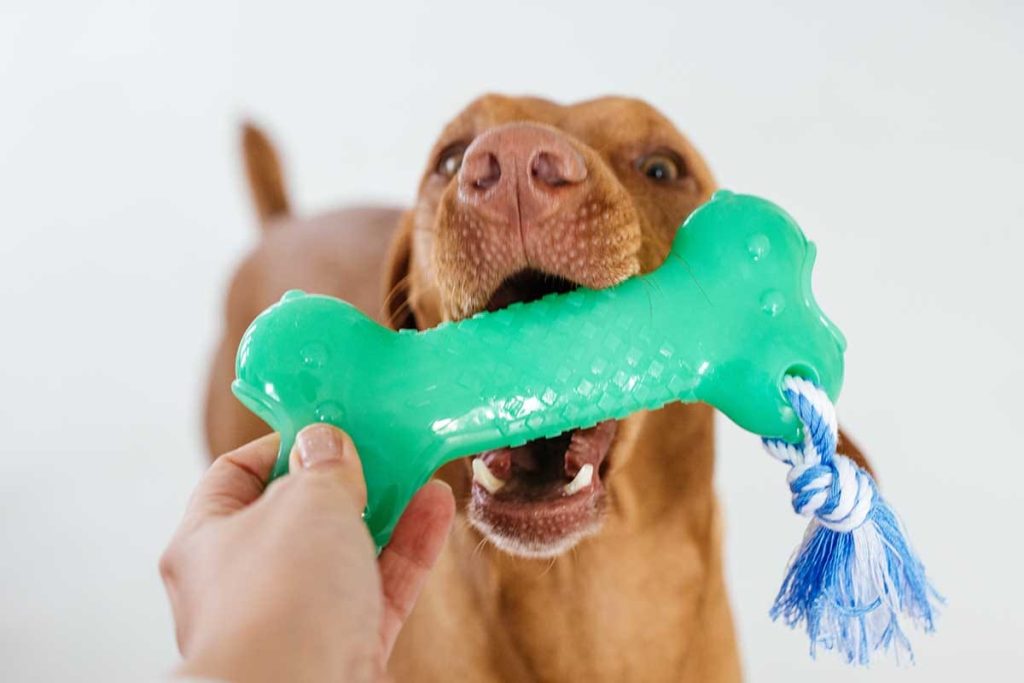
Another excellent approach is to offer dental-friendly treats specifically designed to promote oral health. These treats often contain ingredients that help clean teeth and reduce tartar build-up. It is essential to consult your veterinarian to select the most beneficial products for your pet.
Lastly, scheduling veterinary dental cleanings is crucial. Professional cleanings not only remove plaque and tartar that regular brushing cannot, but they also allow the vet to check for any underlying issues that may require attention. The American Veterinary Dental College recommends having pets’ teeth evaluated at least once a year, or more often if issues are detected.
In this article, we’ll delve deeper into why dental health in pets is vital, explore the potential risks of neglecting their oral care, and offer valuable tips to keep your furry companions’ teeth and gums healthy. By taking these steps, pet owners can ensure that their beloved friends enjoy a happier, healthier life. The road to improved dental health begins with awareness, and the journey is worth every bit of effort you invest.
Understanding the Risks of Neglected Dental Health
Dental health is often underestimated, yet it plays a crucial role in the overall well-being of pets. When oral hygiene is neglected, the consequences can be dire. Just as in humans, the mouth can become a breeding ground for harmful bacteria. These bacteria can not only cause painful infections but can also spread to vital organs, leading to serious issues such as heart disease, kidney failure, and liver problems. In fact, studies have shown that pets suffering from dental disease are at a higher risk of developing these life-threatening conditions.
Understanding the signs of dental disease is essential for every pet owner. Common indications that your furry friend may be experiencing dental issues include:
- Bad Breath: A foul odor emanating from your pet’s mouth is often the first sign of dental disease.
- Swollen or Bleeding Gums: Red or inflamed gums, often accompanied by blood, indicate that your pet may be suffering from periodontal disease.
- Difficulty Eating: If your pet shows reluctance to chew or prefers soft food, it may be due to dental pain.
- Loose Teeth: As gum disease progresses, it can lead to tooth loss, which is painful and detrimental to your pet’s health.
Moreover, statistics highlight a stunning reality: dental disease is considered one of the most prevalent chronic conditions affecting pets today. This is largely due to the fact that many pet owners are unaware of the importance of regular dental care, mistakenly believing that their furry companions’ teeth do not require attention. However, just like humans, routine care is essential.
Many veterinary practices now emphasize the significance of dental health during regular check-ups. During these visits, the veterinarian will conduct thorough oral examinations to identify potential problems early. This proactive approach can make a significant difference in your pet’s health trajectory. Establishing a strong rapport with your veterinarian on dental issues is invaluable; they can provide personalized advice tailored to your pet’s specific needs.
In addition to regular vet visits, pet owners can harness the power of home care to promote oral hygiene. Although brushing your pet’s teeth may seem intimidating, it is a highly effective way to prevent dental diseases. Using specially designed pet toothpaste and toothbrushes can make this task easier and more enjoyable for your pet. Starting this routine early in their life can help your pet become accustomed to tooth brushing, transforming it into a stress-free experience for both of you.
Ultimately, maintaining your pet’s dental health should not be a concern to be taken lightly. The combination of proper home care, regular veterinary visits, and recognizing the signs of dental problems constitutes a proactive strategy that can yield remarkable benefits. By investing time and effort into your pet’s oral hygiene, you are not only safeguarding their teeth but also paving the way for a longer, healthier life filled with happy moments together.
| Advantages of Oral Hygiene | Importance of Regular Maintenance |
|---|---|
| Prevention of Dental Diseases | Regular oral care can significantly reduce plaque and tartar buildup, leading to fewer vet visits and lower treatment costs. |
| Enhanced Overall Health | Good oral hygiene contributes to better overall health, as dental issues can affect other organs like the heart and kidneys. |
| Improved Quality of Life | Pets with healthy teeth and gums tend to have more energy and are happier, leading to a more fulfilling life. |
| Fresh Breath | Maintaining oral hygiene helps keep your pet’s breath smelling pleasant, making cuddles more enjoyable. |
Focusing on oral hygiene for your pets is crucial. Consider incorporating simple practices, such as regular brushing, dental chews, and periodic vet check-ups, into your pet care regimen. These aspects not only reinforce the benefits listed above but ensure that your furry friends enjoy a happy and healthy lifestyle. By prioritizing dental health, you forge a direct path to safeguarding their well-being, fostering lasting bonds enriched by health and vitality.
Implementing Effective Oral Hygiene Practices
When it comes to maintaining your pet’s dental health, implementing effective oral hygiene practices is imperative. The good news is that there are several strategies that pet owners can adopt to ensure their furry friends have healthy teeth and gums.
First and foremost, an appropriate dental diet can play a significant role in your pet’s oral health. There are specific commercial pet foods designed with dental health in mind. These options often feature larger kibble sizes and unique textures that help scrub away plaque as pets chew. Look for products marked with the Veterinary Oral Health Council (VOHC) seal of approval, which signifies that they have been scientifically proven to reduce plaque buildup. This simple adjustment to their diet can have a substantial impact.
In addition to dietary choices, dental treats can serve as a helpful supplement in your pet’s routine. Chew toys and dental treats can encourage chewing, which not only keeps your pets engaged but also acts as a mechanical method to remove tartar. Selecting treats specifically designed for dental hygiene can provide additional benefits, aiding in the fight against plaque and halitosis. Always consult your veterinarian to make sure that the treats are suitable for your pet’s size and breed.
Another critical aspect of maintaining your pet’s oral hygiene is professional dental cleanings. Just like humans, pets can benefit from regular cleanings performed by professionals, ensuring that stubborn tartar is removed effectively. Your veterinarian will typically conduct these cleanings under anesthesia, which allows for a thorough examination of the mouth and teeth. It is advisable to schedule these cleanings at least once a year or more frequently if your pet has a history of dental issues.
Educating Yourself About Alternative Options
Many pet owners may be surprised to learn that there are alternative options available for maintaining dental health. For instance, water additives are products designed to be mixed into your pet’s drinking water, reducing tartar buildup and freshening breath. These additives often contain enzymes or antibacterial ingredients that help combat the bacteria associated with dental diseases. However, it’s crucial to consult your veterinarian before introducing such products to ensure they are safe and appropriate for your pet.
For pet owners seeking additional methods to enhance dental hygiene, consider oral gels and sprays. These products can be applied directly to your pet’s teeth and gums to help reduce plaque and tartar, as well as eliminate odors. Understanding how to use these properly will maximize their effectiveness, providing yet another layer of defense against dental disease.
Creating a Routine Your Pet Loves
Lastly, creating a routine that makes dental care enjoyable can greatly influence your pet’s willingness to participate in oral hygiene practices. Always approach activities like tooth brushing with positive reinforcement, such as verbal praise or small rewards. Making this a part of playtime can reduce anxiety and create a positive association with dental care. For example, you might consider turning tooth brushing into a part of the bonding process by engaging your pet with a gentle voice and loving pat, helping make it a less daunting task.
Incorporating these diverse strategies will not only provide your pet with a healthier mouth but also foster a closer relationship with your furry companion. The effort you put into maintaining their oral hygiene today will pay dividends in the long run, ensuring countless tail wags and purring cuddles in the years to come.
Conclusion
In summary, the importance of dental health in pets cannot be understated. Just as humans prioritize oral hygiene for overall health and wellness, so too should pet owners take proactive steps to ensure their furry companions maintain healthy teeth and gums. Neglecting this essential aspect of pet care can lead to a variety of health issues, including periodontal disease, pain, and even serious systemic conditions.
By implementing effective oral hygiene practices, such as selecting appropriate dental diets and utilizing dental treats, pet owners will create a strong foundation for their pet’s oral well-being. Additionally, regular professional cleanings and alternative options like water additives and oral gels can further enhance dental health, promoting fresher breath and preventing plaque buildup.
Perhaps most importantly, establishing a routine that is both effective and enjoyable can turn oral care into a bonding experience that your pet will look forward to. With a combination of diligence, knowledge, and a little bit of creativity, pet owners can ensure that their pets enjoy better dental health throughout their lives. As you embark on this journey towards superior oral hygiene for your pet, remember that the dividends of your efforts will be reflected in their happiness, vitality, and companionship in the years to come. So, start today and delve deeper into the world of pet dental health to discover how simple changes can lead to profound impacts.