Desensitization Techniques for Animals with Fears and Anxieties: Creating a Comfortable Environment

Understanding Desensitization for Anxious Animals
Fear and anxiety in animals can lead to distressing behavior and negatively affect their quality of life. Desensitization techniques serve as essential tools for pet owners and trainers aiming to help animals conquer their fears in a safe and controlled manner. By utilizing these methods, animal lovers can significantly improve their pets’ quality of life and overall well-being.
At the heart of desensitization lies a fundamental principle: gradual exposure. These techniques work by slowly introducing the animal to the stimuli that triggers fear or anxiety, while ensuring the environment remains comfortable and stress-free. Here are some key points to consider when implementing desensitization:
- Identify Triggers: Recognizing what induces stress or fear in your animal is the first step towards effective desensitization. Common triggers may include loud noises, unfamiliar people or animals, or specific situations like car rides. For instance, if your dog becomes anxious around thunder, it’s vital to note this trigger before proceeding with exposure techniques.
- Safe Spaces: Creating zones where the animal can retreat and feel secure is crucial during this process. These safe spaces could be a cozy bed in a quiet corner of the home or a crate that provides a sense of enclosure. Such environments help mitigate anxiety and offer a retreat when the animal feels overwhelmed.
- Controlled Exposure: Introduce the fear source slowly and in a manageable way. For example, when acclimating a dog to the sounds of thunder, you might start by playing recordings at a low volume while engaging the pet in a fun activity, gradually increasing the volume as the animal becomes more comfortable.
Building the right environment is critical for the success of desensitization efforts. A comfortable space not only reduces anxiety but also promotes curiosity and exploration. This method enhances the pet’s well-being while simultaneously strengthening the bond between pet and owner. For instance, a cat fearful of new people could benefit from being given space to observe from a distance and approach the newcomer at its own pace.
As we delve deeper into effective desensitization techniques, you’ll discover how these practices can transform your anxious companion into a more confident and relaxed pet. Understanding your animal’s needs, employing patience, and utilizing structured methods pave the way for a happier coexistence. Are you ready to unlock new approaches that could significantly enhance your pet’s life?
By applying these techniques, not only can you help your pet overcome its fears, but you could also unleash a newfound sense of confidence in them that enriches their daily experiences. The journey of overcoming anxiety is gradual, but with dedication and proper techniques, you will likely notice remarkable changes. In the quest to support your furry friend, you may uncover a deeper bond that reinforces trust and companionship.
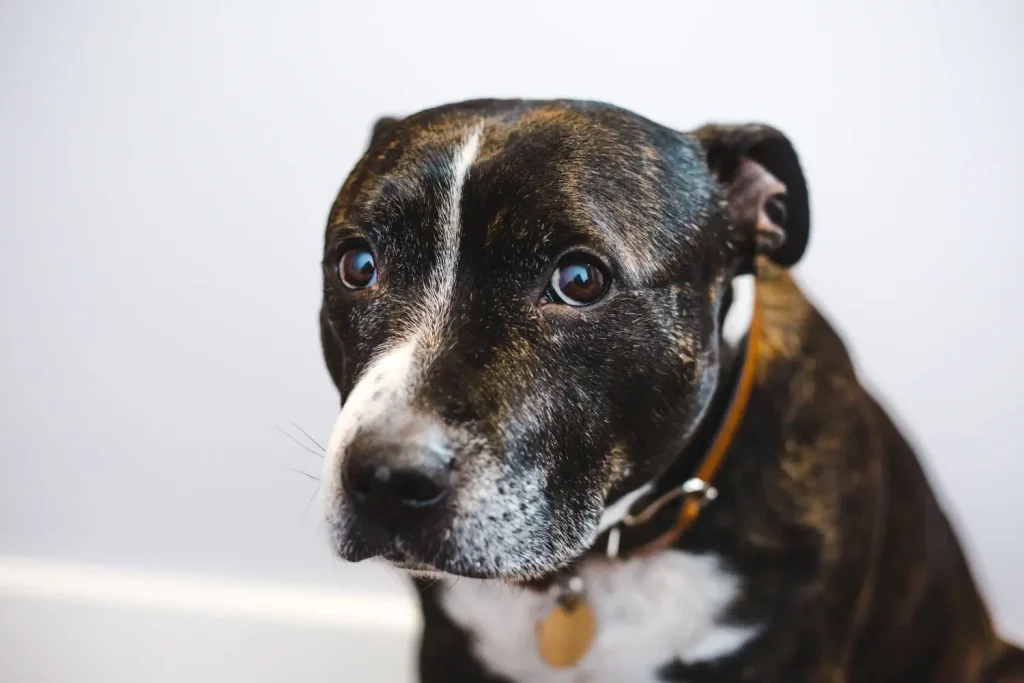
Creating a Safe and Inviting Space for Your Pet
Establishing a comfortable environment is pivotal when implementing desensitization techniques for animals facing fears and anxieties. This foundational step not only facilitates the process of gradual exposure but also plays a significant role in alleviating overall stress levels. An inviting space allows your pet to feel secure enough to engage with their fears, promoting a sense of safety and control. Here are key aspects to consider when setting up this environment:
- Consistent Routine: Animals thrive on predictability. Creating a daily routine can help them feel more secure. Regular feeding times, exercise schedules, and set play hours will ground your pet in a sense of normalcy, making it easier for them to face anxiety-inducing situations.
- Comfortable Resting Areas: Designate cozy spots where your animal can retreat whenever they feel anxious. This might include a plush bed in a quiet area of the house or a designated “safe zone” using a crate. Providing these spaces helps your pet develop a sense of ownership and personal security.
- Positive Distractions: Integrate engaging toys, puzzles, or activities into your environment. These distractions can ease anxiety when exposure to a fear-inducing stimulus occurs. For instance, providing a favorite chew toy during a thunderstorm can redirect attention and lessen stress levels while working through desensitization.
- Calming Aids: Consider utilizing comfort items like blankets or worn clothing that carries your scent. Some pet owners find success with calming pheromones or naturally derived remedies. These aids can soothe nervous pets when they face their fears during desensitization sessions.
Enhancing your pet’s environment isn’t just about immediate comfort; it’s about fostering a space that encourages exploration and gradual acclimatization to stressors. For example, if you’re working with a cat that has a fear of unfamiliar people, you can set up a high perch to observe from a distance. This allows the cat to engage with its curiosity while maintaining control over the situation.
Additionally, consider how environmental factors such as noise levels and lighting can affect your animal. A calm, quiet space with soft, warm lighting can make a striking difference, particularly for animals that are sensitive to loud sounds or bright lights. Aligning the sensory aspects of the environment with your pet’s needs enhances the effectiveness of desensitization techniques significantly.
In summary, a carefully curated environment becomes a sanctuary where your pet can explore and overcome their fears. As we delve further into the desensitization process, it becomes clear that a comforting setting not only lays the groundwork for successful techniques but also strengthens the bond between you and your pet, allowing for a harmonious and trusting relationship to flourish.
| Advantage | Description |
|---|---|
| Enhanced Comfort | By utilizing desensitization techniques, animals can experience a more comfortable environment, reducing stress and anxiety during daily activities. |
| Improved Behavior | Through a structured approach, behavioral improvements can be observed, leading to better interactions between pets and their owners. |
Creating a calm and nurturing environment is essential for animals struggling with fears and anxieties. Techniques such as gradual exposure to the source of fear can facilitate this process effectively. For instance, if a pet is frightened of loud noises, it is beneficial to introduce these sounds at a lower volume, progressively increasing the intensity as the animal becomes more comfortable.Additionally, providing safe spaces where animals can retreat during stressful situations is crucial. These spaces should be enriched with comforting elements such as bedding or toys, allowing pets to feel secure.Training and positive reinforcement also play significant roles. By rewarding calm behavior with treats or affection, owners can promote a sense of safety and reliability, which helps in overcoming anxiety disorders over time. Each of these strategies contributes to a holistic approach to managing fears, creating a peaceful coexistence between humans and their animal companions.
Gradual Exposure: The Path to Comfort
Once a secure environment is established for your pet, the next crucial step in the desensitization process is implementing gradual exposure to their fears and anxieties. This strategy focuses on introducing the fear-inducing stimuli in small, manageable increments. This practice not only prevents overwhelming stress but also allows your animal to adjust and build resilience over time.
To successfully apply this technique, it’s essential to first identify your pet’s triggers. For example, if your dog suffers from noise anxiety, begin by exposing them to the source of that anxiety at a low intensity. This might mean playing a recording of thunder at a very low volume while they engage in their favorite activity, such as chewing on a toy or enjoying a treat. Gradual exposure aims to desensitize the animal without evoking their natural fight-or-flight response, thereby facilitating positive associations with the previously distressing sound.
- Controlled Environment: Use your created safe space to manage the exposure process. This controlled environment helps maintain a sense of security, allowing your pet to face challenges with confidence. If possible, set up scenarios where a controlled amount of the stressor can enter the space, ensuring your pet feels prepared.
- Positive Reinforcement: Incorporate rewards into the desensitization process. Every step they take toward facing their fears should be met with praise or a treat. For example, rewarding a cat that approaches a new person with a favorite snack can significantly bolster their confidence in social situations. This reinforces that being near the fear-causing element is a positive experience.
- Pacing is Key: It’s vital not to rush the process. Pay attention to your pet’s body language, as it often provides clues about their comfort levels. Signs of distress, such as heavy panting or cowering, indicate that you may be progressing too quickly. Adjust accordingly, giving them time to acclimate at their own pace.
Moreover, incorporating play into the exposure process can greatly enhance the experience. Engage your pet in a game that allows them to interact with the fear-inducing element in a fun way. For instance, if your dog is afraid of the vacuum cleaner, using toys to play a game nearby while keeping the vacuum in the room can loosen the tension associated with that object.
In some cases, enlisting the help of a professional behaviorist can provide additional guidance. These specialists can analyze specific behaviors and offer tailored exposure plans. Their expertise can be particularly beneficial for animals with severe fears or anxiety disorders, ensuring that your approach is both effective and safe.
It is also essential to understand the biological factors that contribute to your pet’s anxiety. Research indicates that animals, much like humans, can experience anxiety disorders due to genetics and neurochemical imbalances. By recognizing this, pet owners can better appreciate the importance of patience and compassion throughout the desensitization journey.
As you move forward with gradual exposure, remember that the aim is to shift your pet’s perspective from fear to curiosity. Each small victory builds their confidence and encourages a more relaxed demeanor around elements that previously caused distress. By fostering this transformation within a secure, comforting environment, you are setting the stage for lasting change and a happier, more confident pet.
Conclusion: Building Confidence Through Care
In the journey of overcoming fears and anxieties in animals, the implementation of desensitization techniques plays a pivotal role in establishing a robust foundation for lasting change. By creating a secure and nurturing environment, pet owners can significantly enhance their furry companions’ ability to confront and manage their fears. The heart of this process lies in understanding the gradual exposure method, where small, strategic encounters with fear-inducing stimuli allow pets to adapt without becoming overwhelmed.
Moreover, employing tools such as positive reinforcement and carefully pacing exposure not only promotes resilience but also fosters a sense of trust between pet and owner. It’s essential to observe your pet’s reactions, tailoring experiences to their unique needs, ensuring progress remains steady and supportive. By focusing on small victories, pet owners can transform their animals’ emotional responses, helping them shift from anxiety to curiosity.
As you delve deeper into the world of animal behavior, consider collaborating with a professional behaviorist for additional insights, particularly for severe cases. Remember, every small step forward contributes to a happier, more confident pet. With continued efforts, patience, and compassion, you are not just addressing anxiety; you are enriching the quality of life for your beloved companion.
In conclusion, by applying thoughtful desensitization techniques within a comfortable environment, you hold the key to unlocking a brighter future filled with joy and exploration for your pet. Embrace this journey together, and witness the incredible transformation as you guide your animal through their fears toward a more fulfilling life.