Dog Training Guide: Effective Techniques to Teach Basic Commands and Good Behavior

The Importance of Dog Training
Teaching your dog basic commands extends far beyond mere obedience. It’s a foundational step in establishing a peaceful coexistence within your home and the larger community. Proper training facilitates good behavior and promotes a safer environment for both your dog and the people around them. By laying this groundwork, you’re not only enhancing your dog’s quality of life but also enriching your companionship.
Key Commands for Every Dog
The cornerstone of any effective dog training regimen consists of a handful of essential commands. Commands like “sit,” “stay,” and “come” serve as critical tools for communicating with your dog. For instance, teaching your dog to “sit” can prevent them from jumping up on guests or running into the street when let outside. The “stay” command is vital for safety, enabling your dog to remain in one place when waiting for further instructions. Similarly, “come” can ensure that your dog returns to you promptly, which can be life-saving in certain situations.
Positive Reinforcement Strategies
To cultivate these desired behaviors, utilizing positive reinforcement is key. This training approach focuses on rewarding your dog for exhibiting good behavior instead of punishing them for bad actions. Rewards can come in various forms, such as treats, verbal praise, or engaging in playtime. For instance, if your dog sits on command, a small treat or enthusiastic praise can reinforce that behavior, making it more likely to recur. Over time, your dog will associate following commands with positive outcomes, strengthening their responsiveness.
The Significance of Consistency
Consistency is key when it comes to training. This means using the same command phrases and gestures consistently so that your dog understands what is expected of them. For example, if you’re teaching the “sit” command, it’s crucial to use the same tone of voice and hand signal every time. Inconsistency can confuse your dog and delay the learning process, resulting in frustration for both owner and pet. Establishing a routine can also help; regular training sessions create a familiar environment where your dog can thrive.
Understanding Your Dog’s Needs
Recognizing and understanding your dog’s needs and specific behaviors can significantly enhance training effectiveness. Various training techniques cater to the unique characteristics of different breeds and temperaments. Among popular methods used by dog owners in the United States, a few stand out:
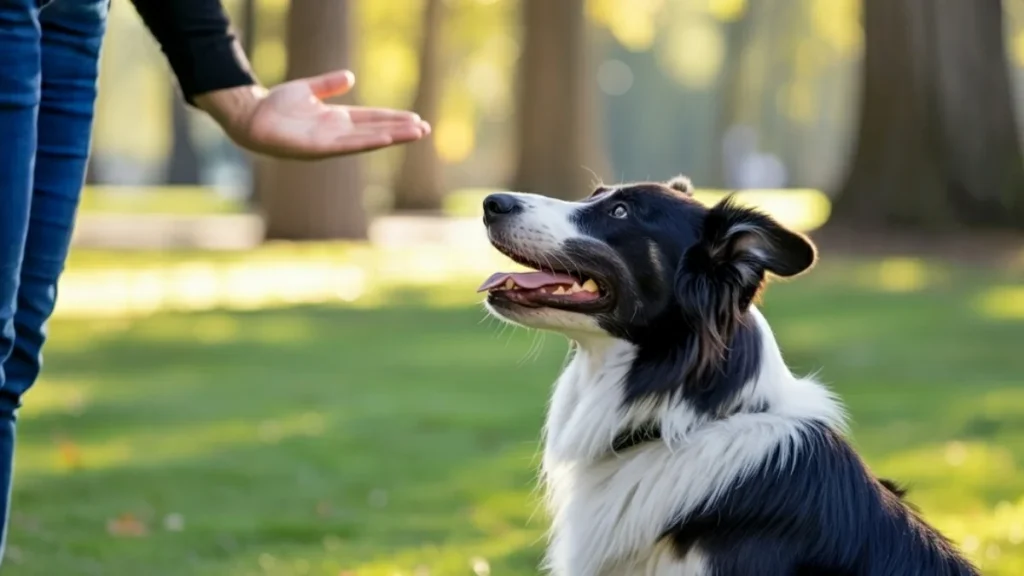
- Clicker Training: This technique employs a distinct sound to mark desirable behaviors, allowing dogs to learn which actions earn rewards. It’s particularly effective for quick reinforcement and can be used for complex tasks.
- Leash Training: Teaching your dog to walk calmly on a leash can greatly improve control during outings and make walks more enjoyable for both of you. Utilizing positive reinforcement can assist in managing pulling or lunging behaviors.
- Socialization: Exposing your dog to diverse environments, various people, and other animals early on helps reduce anxiety and fear. This practice is especially beneficial for puppies, as it fosters confidence and adaptability.
Setting the Stage for Success
In your dog training journey, keep in mind that every dog is unique, with individual dispositions and learning styles. By equipping yourself with the right methods and an understanding of your dog’s specific needs, you prepare for a thriving partnership. This proactive approach not only leads to a well-behaved companion but also enhances the richness of your shared experiences. With commitment and patience, you can set the stage for a fulfilling and harmonious relationship with your furry friend.
DISCOVER MORE: Click here for expert tips
Essential Steps to Start Training Your Dog
Embarking on your dog training journey can feel overwhelming, especially if you’re a first-time dog owner. However, diving into the fundamentals of effective dog training will set you on the right path. Establishing a training foundation early on is crucial for molding your dog’s behavior, ensuring they become well-adjusted and obedient members of your family.
Creating an Ideal Training Environment
The environment in which you train your dog can significantly influence the effectiveness of your sessions. Ideally, you should select a quiet and distraction-free area for the initial training phases. Whether it’s your living room or a fenced backyard, minimizing outside stimuli allows your dog to focus on learning. As your dog masters commands, you can gradually introduce more distractions, preparing them for real-world scenarios.
Engaging Your Dog’s Attention
One of the first steps in any training regimen is capturing your dog’s attention. Utilizing techniques such as high-value treats can make a marked difference. Treats that your dog particularly enjoys—like small pieces of chicken or cheese—serve as effective motivators. Combine these with enthusiasm and an upbeat tone when calling your dog’s attention. This not only makes training enjoyable but also reinforces their desire to engage with you.
The 5 Basic Commands Every Dog Should Know
Now that you’ve set the stage, it’s time to delve into the essential commands your dog should master. Each of these commands serves critical purposes that enhance both safety and behavioral conformity:
- Sit: A foundational command that helps control jumping and promotes patience.
- Stay: Crucial for preventing your dog from running off or getting into trouble.
- Come: Vital for ensuring your dog returns to you when called, especially in potentially dangerous situations.
- Down: Helps your dog settle, useful in various settings to keep them calm.
- Leave it: Teaches your dog to ignore distractions, which is essential for their safety and social interactions.
Employing the Right Training Techniques
In training, different techniques resonate with different dogs. Positive reinforcement remains the gold standard, yet exploring variations can yield substantial benefits. For example, clicker training not only marks the desired behavior effectively but also provides immediate feedback, fostering a clearer learning atmosphere. Additionally, tools such as training collars or harnesses can help facilitate commands during leash training, particularly for larger or more energetic breeds.
Moreover, the frequency of training sessions matters greatly. Regular, short training periods are more effective than infrequent, lengthy sessions, allowing your dog to remain engaged without becoming bored or frustrated. Aim for multiple sessions a day, each lasting about five to ten minutes, to reinforce learning without overwhelming your pet.
By implementing these essential steps, creating a conducive training environment, and focusing on engagement, you’re well on your way to fostering a well-behaved and responsive canine companion. The investment you make in these early stages will undoubtedly pay dividends, enhancing the bond between you and your furry friend for years to come.
| Training Techniques | Benefits |
|---|---|
| Positive Reinforcement | Promotes a healthy bond between you and your dog by rewarding good behavior with treats and praise. |
| Clicker Training | Provides clear communication, enabling dogs to understand exactly what behavior is being rewarded. |
| Command Consistency | Establishes a clear structure, allowing dogs to learn commands efficiently without confusion. |
| Short Training Sessions | Keeps your dog engaged and prevents frustration, making learning a fun experience. |
Understanding effective techniques is crucial in the journey of teaching your dog basic commands and ensuring good behavior. Positive reinforcement stands out as a pivotal method, as it not only emphasizes rewarding desirable actions but also fosters a nurturing relationship between you and your canine companion. The implementation of clicker training further enhances this by providing immediate feedback, which can significantly improve your dog’s ability to respond to commands.Maintaining command consistency is vital. When you consistently use the same words and actions for commands, your dog has a clearer understanding of what is expected, reducing confusion and speeding up the learning process. It’s particularly important to recognize the impact of short training sessions. By keeping these sessions brief yet frequent, your dog remains enthusiastic and engaged, paving the way for better retention of the learned commands. Incorporating these principles into your training regimen not only maximizes effectiveness but also cultivates strong, positive behaviors in your dog.
DISCOVER MORE: Click here for essential senior pet care tips
Recognizing and Reinforcing Good Behavior
In addition to teaching basic commands, it is crucial to recognize and reinforce good behavior in your dog. Positive reinforcement plays a vital role in instilling desirable behaviors and building a trusting relationship between you and your furry companion. When your dog displays good behavior—be it sitting quietly or not barking excessively—immediately reward them with a treat, praise, or affection. This helps solidify the connection between the behavior and the positive outcome.
Building a Consistent Routine
Consistency is key in dog training. Implementing a structured routine not only helps your dog understand what is expected of them but also establishes a sense of security. Try to maintain similar timings for training sessions, walks, playtime, and meals. Furthermore, ensure that all family members are on the same page regarding commands and expectations to eliminate confusion. For instance, if one person uses the command “down” while another says “lie down,” it may create inconsistency, hindering the dog’s learning progress.
Socialization: An Essential Component of Training
Socialization is a fundamental aspect of raising a well-adjusted dog. Early social exposure—whether to other dogs, people, or different environments—shapes their behavior and helps in reducing anxiety. Schedule playdates or enroll your dog in group training classes, where they can interact with other dogs. Supervised visits to parks or dog-friendly places also allow your pet to learn appropriate behavior in various contexts. Remember to monitor their interactions closely, intervening if necessary to prevent negative experiences.
Addressing Behavioral Challenges
Even with persistent training, you may face specific behavioral challenges, such as fear-based reactions, excessive barking, or destructive tendencies. Identifying the root cause of these behaviors is pivotal. For example, if your dog barks at strangers, it could stem from fear or territorial instinct. Addressing these issues may require personalized training strategies, such as desensitization techniques or professional guidance. Consultation with a certified dog trainer or behaviorist can provide tailored solutions, helping you understand and constructively manage your dog’s behavioral challenges.
Utilizing Technology in Training
In today’s digital age, technology can be an ally in dog training. Numerous apps and devices can aid in tracking your dog’s progress and reinforcing good behavior. For instance, training apps often feature reminders for your training schedule, tips for command reinforcement, and even community forums where you can exchange experiences with other dog owners. Additionally, smart collars equipped with activity trackers offer insights into your dog’s physical health, ensuring they remain active and engaged.
Furthermore, online training platforms offer an array of video tutorials and virtual classes hosted by seasoned trainers. These resources allow you to access professional-level advice from the comfort of your home, making it easier to tailor techniques to your specific needs.
By recognizing and rewarding good behaviors, building a consistent training routine, focusing on socialization, and addressing behavioral challenges with a modern approach, you are not just teaching commands—you are nurturing well-rounded and adaptable companions. The training process is a journey that, when executed effectively, leads to lasting positive results in your dog’s behavior. By integrating these strategies into your training regimen, you pave the way for a harmonious and enjoyable partnership with your canine friend.
DON’T MISS: Click here for essential nutrition tips
Conclusion
In summary, effective dog training is not merely about teaching basic commands; it is an enlightening journey toward fostering a strong bond between you and your canine companion. By employing the principles of positive reinforcement, you can instill desirable behaviors and boost your dog’s confidence, ensuring they feel secure in their environment. While establishing a consistent routine is crucial, integrating socialization into your training regimen is equally important, as it shapes your dog’s adaptability in various situations.
Additionally, tackling behavioral challenges head-on—whether through tailored training strategies, understanding the root causes, or seeking professional help when necessary—empowers you to nurture a well-adjusted dog capable of thriving in modern society. Embracing technology can also enhance your training experience, offering resources that make it easier than ever to track your dog’s progress and connect with other dog owners.
Ultimately, patience, consistency, and love are the core ingredients in the training process. The investment of your time and effort today will yield a joyful, obedient, and fulfilling companionship tomorrow. As you embark on this rewarding journey, remember that every dog is unique, and adapting your methods to suit their individual needs will help create not just a trained pet, but a loving member of your family. With these effective techniques at your disposal, you are well on your way to transforming your dog into a well-behaved and cherished companion.