Harnessing the Power of Clicker Training: A Guide for Pet Owners

Understanding Clicker Training: A Comprehensive Guide
If you are seeking an effective approach to train your beloved pet, you may want to explore clicker training. This innovative technique has gained traction among pet owners for good reason. It not only facilitates effective communication between you and your furry friend but also enriches the training experience for both parties. The method employs a small, handheld device that emits a sharp, distinct sound—the clicker—serving as a signal that marks the desired behavior as it occurs. This instant feedback is crucial for the learning process.
Why Opt for Clicker Training?
There are several compelling reasons to consider clicker training as your method of choice. Here are a few key advantages:
- Clear Communication: The clicker provides immediate feedback to your pet, making it easier for them to understand which specific behavior is being rewarded. For instance, if you are teaching your dog to sit, as soon as their bottom touches the ground, you’d click the clicker to reinforce that action.
- Positive Reinforcement: Instead of punitive reactions to unwanted behavior, clicker training focuses on rewarding good behavior. After the click, you can follow up with a treat, verbal praise, or a play session, associating the correct behavior with positive outcomes. This creates a trusting relationship between you and your pet.
- Versatility: Clicker training isn’t limited to dogs alone; it can be effectively applied to various pets such as cats, birds, and even rabbits. For example, with cats, clicker training can help them learn tricks like high-fiving or running through agility courses.
One of the most significant benefits of clicker training is that it cultivates a fun and engaging atmosphere. Training sessions can become a way for you to bond with your pet, making the learning process enjoyable for both parties. It’s important to maintain a positive and patient attitude, as training may take time and repetition.
Getting Started with Clicker Training
This guide will delve deeper into the workings of clicker training, providing step-by-step insights designed specifically for pet owners, whether you’re a novice or an experienced trainer. To start, you will need a clicker and some small, tasty treats your pet loves. Begin by associating the click sound with a treat. For instance, click and then immediately offer a treat to your pet. Over time, they will learn that the click means a reward is on the way.
As your confidence grows, you can move on to teaching more complex behaviors and tricks. Remember that patience and consistency are key components of effective training. Understanding the clicker’s timing and making sure to click at the precise moment the desired action occurs will enhance your pet’s learning experience.

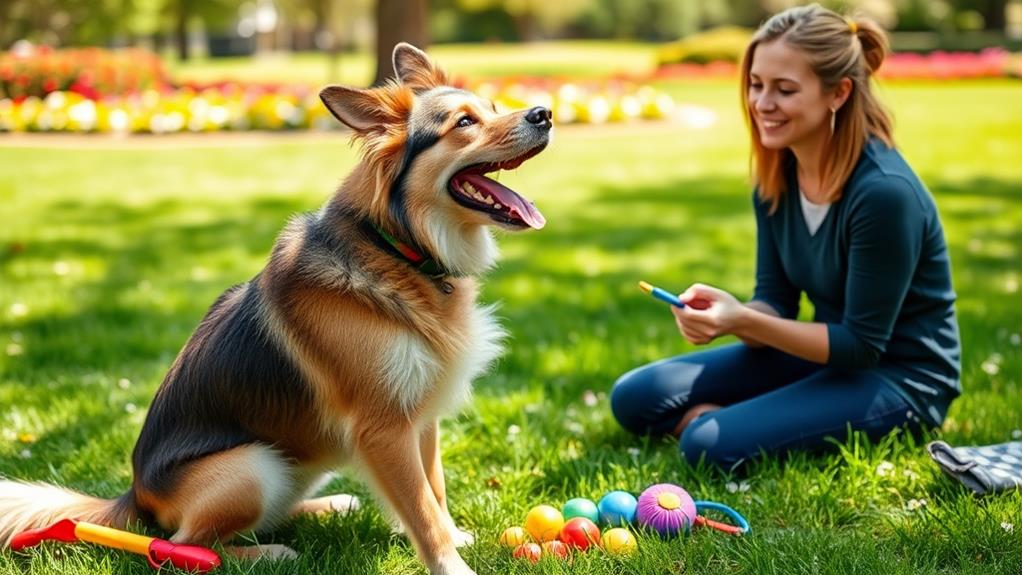
In a bustling world with ever-evolving methodologies, clicker training stands out as a reliable and enjoyable way to connect with your pet while guiding their behavior constructively. Embrace this opportunity to unleash new possibilities and create lasting memories with your pet!
DISCOVER MORE: Click here to learn how proper nutrition can keep your pets healthy.
Essential Steps to Mastering Clicker Training
Once you have familiarized yourself with the concept of clicker training, you may wonder how to effectively implement it in your daily routine with your pet. The beauty of this method lies in its simplicity, making it accessible for pet owners of all experience levels. Here are some essential steps to help you master the art of clicker training:
1. Choosing the Right Clicker
The clicker itself is a vital tool in your training arsenal. While most clickers serve the primary function of producing a distinct sound, the preference for size, shape, and design can vary by user. Some clickers have a soft, rubber button that is quieter, which may be suitable for skittish pets. Others are louder, helping to grab the attention of more energetic animals. It’s worthwhile to experiment with a few options to find the clicker that suits both you and your pet best.
2. Setting the Training Environment
The environment where you conduct your training sessions can significantly impact their efficiency. Choose a quiet location free from distractions such as loud noises, other pets, or people. Setting a consistent and familiar space can help your pet focus better on learning. Additionally, establishing a routine with specific times for training can build anticipation and engagement.
3. Starting with Basic Commands
When beginning your clicker training journey, start with fundamental commands or behaviors that are easy for your pet to learn. Some classic commands to initiate could include:
- Sit: A foundational command that serves as the basis for many other training activities.
- Stay: Teaching your pet to remain stationary, which can be essential for good behavior in various situations.
- Come: This command is crucial for safety, ensuring your pet returns to you when called.
- Down: A command that encourages your pet to lie down, often used in conjunction with other training methods.
Begin with one command at a time, utilizing the clicker to mark the moment your pet performs the desired behavior. Following the click, promptly reward them with a treat or praise to reinforce the positive behavior. This immediate feedback strengthens the association between the command and the reward.
4. Gradually Introducing Complex Tasks
As your pet becomes adept at basic commands, it’s time to challenge them with more complex tasks. Consider incorporating tricks such as rolling over, playing dead, or navigating an obstacle course. These enhanced activities can stimulate your pet’s mind and body while creating memorable interactions between you both. Patience remains paramount, as your pet may need time to grasp these new challenges.
The combination of the clicker and careful training techniques can transform your sessions into rewarding interactions. As you continue this journey together, remember that every click is a step towards enriched communication and deepened trust with your beloved pet.
| Advantage | Description |
|---|---|
| Effective Communication | Clicker training provides a clear signal to pets, ensuring they understand what behaviors are rewarded. |
| Positive Reinforcement | This method relies on rewarding desired behaviors, fostering a trusting relationship between pet and owner. |
Harnessing the power of clicker training can significantly improve the bond you share with your furry companions. One primary advantage is its ability to create effective communication between you and your pet. By using a clicker as a consistent marker, your dog or cat learns precisely which action is being rewarded, whether it’s sitting, staying, or even more complex tasks. This clarity reduces frustration for both parties and establishes a mutual understanding.Furthermore, clicker training centers around the principle of positive reinforcement. Unlike traditional correction methods, this approach emphasizes learning through rewards, be it treats, praise, or playtime. As a result, pets not only learn faster but are also happier, as they associate training with positive experiences. This method not only enhances your pet’s capabilities but also enriches their overall well-being. As pet owners consider diving deeper into this training style, they will find a plethora of techniques and strategies available to maximize the benefits, paving the way for a more harmonious household.
DISCOVER MORE: Click here for tips on finding the perfect pet shelter
Advancing Your Clicker Training Techniques
Once you’ve established a solid foundation with basic commands, enhancing your clicker training approach can lead to remarkable results. This method only becomes richer as you integrate various strategies that cater to your pet’s learning style, personality, and challenges. Here are more advanced techniques and tips to elevate your clicker training game:
1. Shaping Behavior
A powerful strategy in clicker training is known as shaping. This technique involves rewarding your pet for incremental steps towards a more complex behavior. For example, if you want your dog to learn to fetch a specific toy, you can start by rewarding them for simply looking at the toy, then gradually requiring them to move closer, pick it up, and finally bring it back. This method encourages your pet to problem solve while promoting their confidence, as they receive immediate reinforcement for each small success.
2. The Power of Timing
Timing plays a crucial role in clicker training. The click should immediately follow the desired behavior, allowing your pet to make a direct connection between their action and the reward. Therefore, it’s important for pet owners to concentrate on their reaction speed. Using a clicker effectively requires practice, as you need to click precisely at the moment you want to capture. This timing ensures that your pet understands exactly which behavior earned them the reward, which strengthens the learning process.
3. Incorporating Variable Reinforcement
Once your pet has learned a behavior, consider implementing variable reinforcement. This strategy involves occasionally rewarding them for performing the desired action rather than every single time. This technique is akin to how slot machines operate; the unpredictability keeps the player engaged. By not rewarding every time, you can reinforce the behavior even further, as pets learn to anticipate a reward, leading to increased motivation and engagement.
4. Generalizing Skills
Generalization is crucial in training. Pets often learn commands in specific contexts, so it’s important to help them apply learned behaviors in various situations. Practicing commands in different environments—such as the park, at home, or during a training class—can help your pet understand that “sit” means the same action regardless of location. Mixing up the training locations and settings can aid significantly in reinforcing what they’ve learned.
5. Combining Clicker Training with Other Techniques
Clicker training can also be effectively combined with other training methods. For example, incorporating positive reinforcement techniques such as treats, toys, or even playtime can enhance the experience for your pet. Combining these approaches may result in quicker learning and a stronger bond between you and your pet. However, consistency remains essential: ensure that all family members apply training methods uniformly to avoid confusing your pet.
6. Troubleshooting Common Challenges
While clicker training is effective, pet owners may occasionally encounter hurdles. One common issue is when a pet doesn’t appear to be motivated by the rewards offered. In such cases, experiment with different types of treats, varying in flavor and size. Remember that timing and delivery can influence effectiveness as well. A soft-handed re-delivery of the reward can create a more comfortable atmosphere, ensuring your pet feels encouraged rather than pressured.
As you expand on these advanced techniques of clicker training, remember that the journey should be fun for both you and your pet. Emphasizing the positive aspect of the training fosters a strong relationship, creating a receptive environment for learning and growth. By harnessing the power of clicker training, you’re not just teaching commands; you’re establishing a reliable line of communication with your cherished companion.
DISCOVER MORE: Click here to learn about the benefits of a balanced diet for your pet
Conclusion: Unlocking the Potential of Clicker Training
In the world of pet training, clicker training emerges as a transformative approach that benefits both pets and their owners. Throughout this guide, we’ve explored essential techniques, from basic commands to advanced methods such as shaping behavior, mastering timing, and employing variable reinforcement. These strategies not only enhance your pet’s learning experience but also foster a deeper bond built on trust and positive reinforcement.
As you embark on this rewarding journey of clicker training, remember that patience, consistency, and a playful spirit are key components for success. Each pet is unique, and their willingness to learn can vary based on their personality and past experiences. Staying attuned to their signals and adjusting your approach accordingly can lead to profound breakthroughs in communication and understanding.
Moreover, integrating clicker training with other positive reinforcement methods can further enrich your relationship with your furry friend, providing them with a balanced and engaging training experience. Whether you’re addressing behavioral challenges or simply teaching new tricks, the versatility of clicker training is a valuable asset in any pet owner’s toolkit.
Finally, do not shy away from seeking support from professional trainers or attending workshops, as shared experiences can offer new perspectives and techniques that enhance your training methods. By harnessing the power of clicker training, you’re not only cultivating an obedient pet but also paving the way for a fulfilling companionship that thrives on understanding and joy.