How Pets’ Nutritional Needs Change with Age

The Importance of Tailored Nutrition for Pets Throughout Their Lives
The journey of our beloved pets unfolds through various life stages, each with its unique nutritional requirements. As pets age, their bodies undergo significant adaptations that impact their diets and overall health. Ensuring that their nutritional needs are met is crucial for their longevity and quality of life.
Growth and Development
Kittens and puppies possess remarkable energy levels, necessitating a diet high in protein and fat to support their rapid growth and development. During this stage, a diet enriched with essential nutrients is vital; these young animals require approximately 22-32% protein to foster muscle development and support healthy organ function. High-quality commercial pet foods formulated for kittens and puppies often contain these essential nutrients, tailored to their specific growth needs. Pet owners should also consider including easily digestible ingredients to minimize gastrointestinal issues that can arise during this formative period.
Adulthood
As pets transition into adulthood, their metabolic rates stabilize, and their dietary focus shifts towards maintaining a healthy weight and muscle mass. A balanced diet at this stage typically comprises around 18-25% protein and should include appropriate levels of fat, carbohydrates, vitamins, and minerals to sustain energy levels. It is critical for pet owners to monitor their pets’ weight to prevent obesity, a common concern affecting many pets in the United States. Regular exercise and a well-portioned diet can contribute significantly to a pet’s health during this stage of life.
Senior Stage
As pets enter their senior years, noteworthy changes occur, often requiring adjustments to their diet. Older pets may need lower calories to manage weight effectively since their activity levels typically decrease. Furthermore, it is essential to include added nutrients like omega-3 fatty acids for joint support and fiber for digestive health. Pets often face challenges such as dental issues, making softer food a more viable option. Senior formulations of pet food are designed to cater to these specific needs, offering palatable yet nutritious options to ensure that our aging companions maintain a healthy quality of life.
Notably, age-related changes can lead to varying dietary preferences and health concerns for pets. For instance, many older dogs may experience discomfort when chewing hard kibble, prompting a shift to wet food or kibble specially designed for dental care. Cats, too, may become more sedentary and require significant calorie reduction to prevent obesity. Understanding these dietary shifts is essential for pet owners, allowing them to tailor their pets’ diets to suit their changing needs.
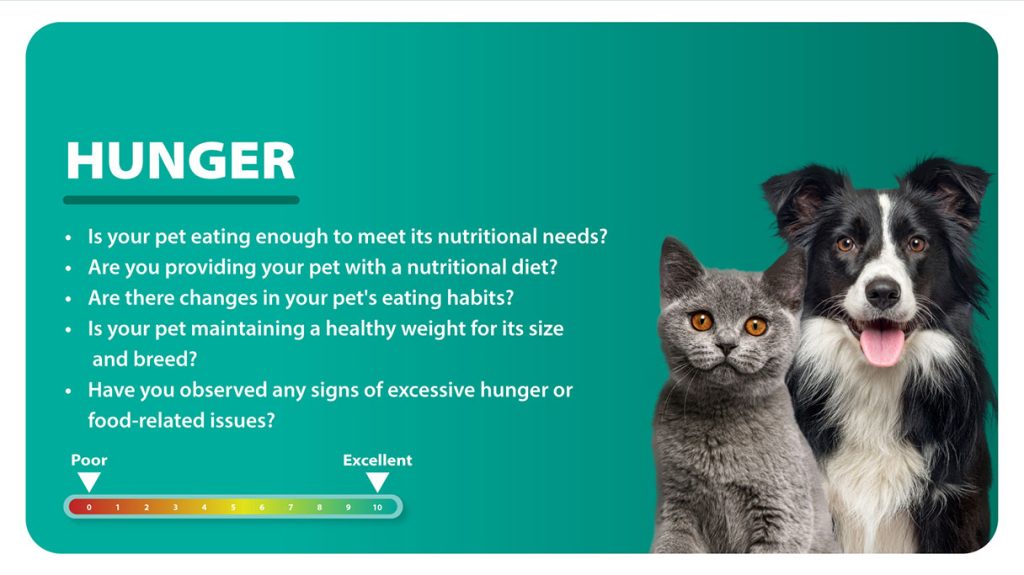
With appropriate nutrition, we can significantly enhance our pets’ quality of life and longevity. By exploring the various life stages and their specific needs, pet owners can make informed decisions, ensuring that their furry companions thrive at every age.
Understanding the Shifting Nutritional Landscape for Pets
The nutritional landscape for pets is not static; it evolves just as their life stages progress. Recognizing the distinct dietary needs at each phase of life is paramount for responsible pet ownership. Just as humans adjust their nutrition as they age, pets require a corresponding shift in their diets to promote well-being. This section explores the significant weeks and months that define the growth, maturity, and senior phases of pets, emphasizing the dietary adjustments that can significantly impact their health.
The Transition from Kittens and Puppies to Adults
The initial life stage of a pet, typically defined as the time from birth until they reach adulthood, is characterized by rapid physiological changes. In this formative phase, the requirements for nutrients are highly elevated. Kittens and puppies thrive on a diet rich in high-quality sources of protein, fats, and essential vitamins to fuel their growth. It’s vital that their diets provide:
- High protein content: 22-32% to support muscle development.
- Healthy fats: To supply energy and aid in overall growth.
- Essential micronutrients: Such as vitamins A, D, and E, which are critical for immune function.
- Calcium and phosphorus: For strong bone development.
Commercial pet food manufacturers offer formulas specifically designed for these developmental needs, making it easier for pet owners to provide comprehensive nutrition. Additionally, puppy and kitten foods are often tailored to support digestive health, featuring easily digestible ingredients that minimize gastrointestinal distress during such an active growth phase.
The Shift to Balanced Nutrition in Adulthood
As pets transition into adulthood, which varies by breed but generally occurs by the age of one year for dogs and two years for cats, their metabolic rate begins to stabilize. At this stage, maintaining a balanced diet becomes essential to sustain their health. Adult pets typically require a diet containing:
- Moderate protein levels: 18-25% to maintain healthy muscle mass.
- Controlled fat content: To prevent weight gain, aiming for a lean body condition.
- Complex carbohydrates: As a sustained energy source while ensuring digestive wellness.
During adulthood, pet owners must remain vigilant in monitoring their pets’ weight, as rising obesity rates among pets have become an alarming trend in the U.S. According to the Association for Pet Obesity Prevention, over 50% of dogs and cats are classified as overweight or obese, leading to serious health implications such as diabetes, heart disease, and joint issues. Adjusting portion sizes in conjunction with regular exercise can help pet owners maintain their furry companions’ ideal weight.
The Responsibilities of Caring for Seniors
As pets age, they face a myriad of health challenges that can necessitate a reevaluation of their dietary needs. Generally considered senior after the age of seven, pets require a different nutritional approach to combat age-related health issues. Key adjustments include:
- Lower caloric intake: To accommodate decreased energy expenditure.
- Increased fiber: To support digestive health and prevent constipation.
- Joint support ingredients: Such as omega-3 fatty acids and glucosamine.
Furthermore, seniors often encounter dental concerns which can make harder kibble less appealing. Pet owners may turn to softer foods or specialized kibble designed for dental health. Understanding these essential dietary shifts is critical in ensuring older pets maintain their vitality and enjoy a comfortable quality of life.
Being mindful of these changing nutritional needs throughout the various life stages can pave the way for a healthier, happier journey for our pets.
As pets age, their nutritional requirements change significantly, and understanding these changes is crucial for their health and wellbeing. For example, senior pets often become less active, which means they may not require as many calories as their younger counterparts. However, their need for protein often increases, as older animals can lose muscle mass. Incorporating high-quality protein sources into their diets can help maintain their muscle health.Furthermore, older pets may benefit from increased fiber in their diets to aid in digestion, as well as supplements like glucosamine and omega fatty acids, which promote joint health and mobility. It’s also important to monitor moisture levels, especially in dry diets, to ensure pets remain well-hydrated. Dehydration can become a serious issue in older animals.Additionally, some pets may develop specific health concerns related to their age, such as kidney disease, which requires a specialized diet. A veterinarian can provide guidance on the best diet based on the individual health status and age of the pet. For example, dogs with kidney issues may need a diet low in protein and phosphorous, while others may require a prescription diet.Transitioning diets can also play a vital role in meeting the changing physiological needs of aging pets. Gradually introducing new food can prevent digestive upset while ensuring they get the nutrients they need. Throughout their lives, maintaining a healthy weight is essential to reduce the risk of conditions such as diabetes and arthritis.Understanding the nuances of how pets’ nutritional needs transform over time allows pet owners to provide tailored dietary solutions, ensuring their furry companions enjoy a healthy, active life as they age. The importance of quality nutrition in prolonging health and vitality cannot be overstated, making it an essential subject for all pet owners to consider. Here is an informative table that enhances your understanding of this crucial topic:
| Category | Benefits |
|---|---|
| Senior Weight Management | Supports healthy weight, crucial for aging pets to prevent obesity-related issues. |
| Joint Health Supplements | Improves mobility and reduces pain in older pets, enhancing their quality of life. |
Catering to the Unique Nutritional Needs of Senior Pets
As pets transition into their senior years, typically after reaching the age of seven, they experience a multitude of physiological and behavioral changes. These changes can often necessitate significant modifications to their nutrition regimen. Recognizing and adapting to these evolving needs is essential for ensuring their continued health and happiness. In this segment, we delve deeper into the specific requirements for senior pets and how to effectively cater to their dietary preferences.
The Importance of Hydration
Older pets are often more susceptible to dehydration due to a decreased sense of thirst and potential underlying health issues such as kidney disease. Consequently, maintaining adequate hydration becomes increasingly critical. Pet owners should consider incorporating wet or canned food options into their pets’ diets, as these provide additional moisture which supports kidney function and overall health. Additionally, ensuring that fresh water is always accessible and encouraging regular drinking habits can significantly enhance hydration levels.
Specialized Diets for Aging Pets
As pets enter their golden years, specialized diets that cater to their changing nutritional needs are available in pet stores and vet clinics. These diets typically focus on:
- Lower calorie counts: To help prevent unwanted weight gain, which can strain their joints and exacerbate health conditions.
- Enhanced digestibility: Providing easily digestible proteins and carbohydrates can minimize gastrointestinal upset.
- Added antioxidants: Nutrients like vitamins C and E help combat oxidative stress and inflammation in aging bodies.
Many pet food manufacturers provide senior formulas that are meticulously balanced to meet the unique metabolic needs of older pets, allowing pet owners to make informed decisions about the food they choose.
Recognizing and Addressing Dental Health
Dental health in senior pets can significantly affect their nutritional intake. With age, pets may suffer from periodontal disease or tooth decay, impacting their ability to chew dry kibble effectively. Owners are often advised to monitor their pets’ dental well-being closely and, if necessary, switch to softer food options that are nutritionally complete yet easier to consume. Additionally, dental treats or special formulations designed to promote oral health can be incorporated to maintain good hygiene.
Behavioral Changes and Food Preferences
It’s not just physiological changes that affect senior pets’ dietary needs; behavioral shifts are also common. Older pets may become less active, which can lead to changes in appetite or food preferences. Some may show disinterest in certain foods or exhibit selective eating habits. Pet owners should stay attuned to these changes and may need to experiment with different flavors, textures, and meal times to find what their aging pets enjoy. Interactive feeding methods, such as puzzle bowls or slow feeders, can also stimulate their interest in food while promoting mental engagement.
Consultation with Veterinarians
Regular consultations with veterinarians are essential when managing the nutritional needs of senior pets. Veterinarians can recommend tailored dietary plans that address specific health conditions, such as diabetes or kidney issues, that may arise as pets age. Moreover, supplements such as glucosamine and omega-3 fatty acids can be advised to support joint health and mobility, emphasizing the importance of a proactive approach to pet nutrition.
By enriching the diets of senior pets with careful consideration of their changing physical and behavioral requirements, pet owners can dramatically improve their quality of life during these twilight years. The stronger the awareness and the willingness to adapt to these nutritional needs, the greater the chance of ensuring a fulfilling, healthy life for beloved companions.
Understanding the Evolution of Pets’ Nutritional Needs
As our pets gracefully age, their nutritional needs evolve, necessitating thoughtful adjustments to their diets. The importance of recognizing these changes cannot be overstated. Adequate hydration, specialized diets, dental care, and attention to behavioral shifts are all crucial components in supporting the health and well-being of our senior companions.
Senior pets benefit greatly from diets that are not only lower in calories but also rich in easily digestible ingredients and abundant in antioxidants. These elements contribute to their overall vitality and can mitigate the onset of age-related health issues. Moreover, addressing dental health and adapting to shifting appetites can also enhance their eating experience and nutritional intake.
Engaging with a veterinarian is essential to monitor these changes and ensure your pet receives tailored dietary recommendations, potentially including supplements for joint support and overall health. By taking a proactive approach to their nutrition, pet owners can significantly improve the quality of life for their aging pets.
Ultimately, staying informed and responsive to the changing nutritional needs of pets as they age is the cornerstone of responsible pet ownership. As we invest time and care into their dietary adjustments, we pave the way for healthier, happier twilight years, enhancing the bonds we share with our beloved companions. Understanding how to meet their evolving needs not only fosters their longevity but also enriches their quality of life, reminding us of the profound impact of good nutrition throughout all stages of a pet’s life.