How to Deal with Separation Anxiety in Pets
Understanding Separation Anxiety in Pets
Separation anxiety is a distressing condition that impacts a significant number of pets, particularly dogs and cats. This disorder manifests when pets become overly attached to their owners and experience intense stress when left alone. Such anxiety can lead to various problematic behaviors that create challenges for both the pet and their owner, often straining their relationship.
Recognizing the signs of separation anxiety is a crucial first step in addressing the issue. Pets often communicate their distress through a variety of behaviors, including:
- Excessive barking or howling when left alone. This vocalization can be quite loud and persistent, acting as a cry for help from your furry companion.
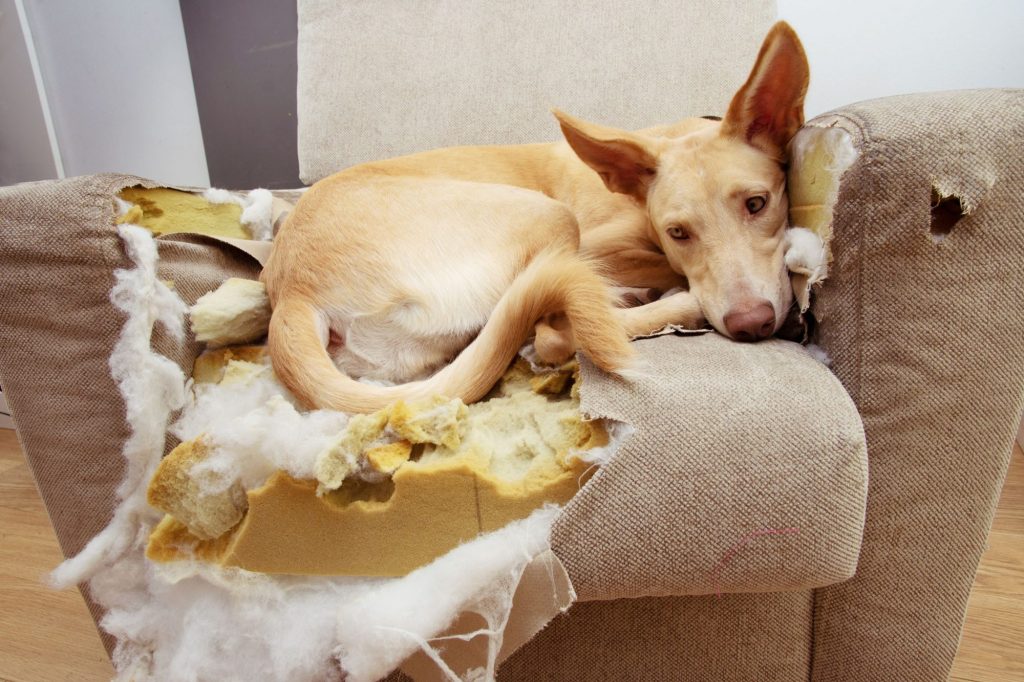
- Destructive behavior such as chewing furniture, tearing up cushions, or scratching at doors. This reaction is often an outlet for their pent-up anxiety.
- House soiling despite being previously house-trained. This unfortunate incident can occur when pets feel the overwhelming urge to relieve stress through elimination.
Understanding why separation anxiety occurs is also vital. Several factors can trigger this condition, including:
- A sudden change in the family routine, such as a new job or school schedule that alters the time spent with the pet.
- The loss of a family member or another pet, which can be particularly traumatic for animals that are incredibly bonded.
- Previous trauma or abandonment in the pet’s life, which can result in heightened fear when left alone.
Addressing separation anxiety early on is crucial for improving your pet’s quality of life and maintaining harmony at home. Implementing a variety of effective strategies can significantly reduce anxiety and help your pet feel more comfortable when you leave. Techniques may include gradual desensitization, creating a safe space with familiar toys, or utilizing calming aids such as pheromone diffusers or anxiety wraps.
In this article, we will explore practical coping methods to manage separation anxiety effectively. By applying these strategies, you can foster a happier, healthier relationship with your pet. Get ready to discover tips that can transform your pet’s experience when you leave the house, ensuring that both you and your furry companion can enjoy your time apart with greater peace of mind.
LEARN MORE: Click here to discover the essentials of pet dental care
Establishing a Calming Routine
One of the most effective ways to alleviate separation anxiety in pets is to establish a calming routine that helps your furry friend feel secure and prepared for your absence. Creating consistency in your pet’s daily schedule can provide a sense of stability, which is essential in easing their anxiety.
Begin by setting a regular schedule for feeding, walks, and playtime. Pets thrive on routine, and knowing when to expect meals or playtime can help reduce feelings of uncertainty. Additionally, consider the following strategies:
- Short Departures: Start by leaving your pet alone for brief periods and gradually extending the duration. This technique, known as gradual desensitization, can help your pet get used to being alone without facing overwhelming anxiety.
- Positive Associations: Make your departure a positive experience by giving your pet a special treat or toy that they only receive when you leave. This helps them associate your absence with positive feelings rather than distress.
- Designated Safe Space: Create a comfortable area in your home where your pet can feel secure when you’re away. This space should include their favorite blankets, toys, and perhaps an item that carries your scent, such as an old shirt. Familiar scents can be very comforting for pets.
Another key aspect of managing separation anxiety is to focus on maintaining your pet’s mental stimulation. Boredom can exacerbate anxiety, so providing them with engaging activities while you’re away can make a significant difference. Consider incorporating:
- Interactive Toys: Puzzle toys that dispense treats or toys that require cognitive effort can keep your pet occupied and may distract them from missing you.
- Training Sessions: Short, positive training sessions before you leave can reinforce good behavior while also tiring your pet mentally and physically, making them more likely to relax during your absence.
In addition to these strategies, it’s also crucial to be mindful of your own behavior. When leaving or returning home, try to keep your interactions low-key. If the departure ritual is overly emotional, it can heighten your pet’s anxiety. Instead, create a calm and casual atmosphere, treating your exits and entrances as routine. This can prevent your pet from picking up on your anxiety and reacting accordingly.
By establishing a calming routine and focusing on positive associations, you can help mitigate the anxiety your pet may experience when left alone. These small adjustments to daily life can lead to significant improvements in your pet’s emotional well-being, allowing both you and your companion to enjoy more peaceful moments apart.
Managing and mitigating separation anxiety in pets is not just about keeping them calm; it encompasses a holistic understanding of their emotional needs and behaviors. Here are some crucial strategies for addressing this common issue:One effective approach is positive reinforcement training. Engaging your pet in obedience or trick training sessions can considerably boost their confidence. This usually involves rewarding your pet with treats or praise whenever they display calm behavior when you leave. It is essential to gradually increase the duration of your absences during these training sessions, which helps your pet learn that being alone is manageable. Incorporating interactive toys can also provide stimulation and distraction for your pet in your absence. These toys encourage mental engagement, which is vital for pets that tend to become anxious when alone. Puzzle feeders, for example, can keep your pet occupied and help redirect their anxiety towards a problem-solving activity.Furthermore, establishing a consistent routine is beneficial in reducing anxiety levels. Pets thrive on predictability. By maintaining regular feeding, walking, and play schedules, you can create an environment that minimizes uncertainty. This predictability often alleviates anxiety as your pet begins to anticipate when you will return.Another essential aspect of managing separation anxiety is desensitization. Gradually exposing your pet to short absences can build their tolerance to being alone. Start with brief periods and slowly increase the time apart as they adapt. Always return before they start to show any signs of distress, reinforcing the idea that you will come back.In some cases, veterinary consultation may be necessary. Your veterinarian might recommend behavior modification strategies or even medication to ease your pet’s anxiety. These professional insights can personalize your approach to separation anxiety, ensuring that the strategies in place align specifically with your pet’s unique needs.Integrating a combination of these strategies can significantly assuage your pet’s separation anxiety over time. Understanding that every pet is different will allow you to tailor your approach effectively, creating a smoother experience for both you and your furry companion.
DISCOVER MORE: Click here for essential tips
Utilizing Professional Support and Resources
When separation anxiety becomes a serious issue, it may be beneficial to seek professional support. Veterinarians and animal behaviorists can provide valuable insights and tailored strategies for helping your pet manage anxiety. They can assess your pet’s specific behavior and provide recommendations that align with their unique needs, making the path to recovery smoother.
For instance, a veterinarian may suggest anti-anxiety medications for extreme cases of separation anxiety. These medications, often prescribed on a short-term basis, can help reduce anxiety levels, allowing your pet to become more receptive to training methods. It’s important to note that medication should not be the sole solution; instead, it should accompany behavioral interventions for best results.
Additionally, consider enrolling your pet in training classes focused on anxiety management or obedience. Professional trainers often incorporate techniques specifically designed to address separation anxiety, such as desensitization and counter-conditioning, which can be incredibly effective. In a safe environment, your pet can learn to associate time apart with safety, gradually building their confidence.
The social aspect of training classes can also bring additional benefits. Engaging with other animals and meeting new people can help your pet grow more comfortable with being away from you. Exposure to new experiences fosters resilience and adaptability, which can reduce anxiety over time.
Furthermore, technology now offers innovative solutions that can help ease separation anxiety. For example, interactive pet cameras allow owners to check in on their pets during the day. Some models even feature two-way communication and treat dispensers, which can create a comforting connection even when you’re apart. These devices can reassure both pet and owner, helping to maintain that special bond.
There are also numerous apps focused on pet care that provide daily activities, training tips, and schedules to keep your pet occupied while you are away. Utilizing such resources can ensure your pet remains engaged and mentally stimulated, crucial for preventing anxiety.
It’s also important to understand the need for adequate exercise. A tired pet is often a happier pet, and regular physical activity can play a crucial role in managing anxiety. Engage in daily walks, runs, or play sessions to expend excess energy. Some pets may benefit from additional opportunities for socialization, such as dog parks or doggy daycare. These environments can provide enrichment, tire out your pet physically and mentally, and build confidence independent from you.
Finally, exploring calming products available at pet stores and online can be worthwhile. Items such as anxiety wraps, pheromone diffusers, or calming supplements can also assist in creating a more tranquil atmosphere for your pet during your absences. These products work by leveraging natural calming signals, creating a sense of security amidst the stress of separation.
Tackling separation anxiety requires a multi-faceted approach, combining behavioral techniques, professional advice, and technological tools. By leveraging these resources, you can create an environment conducive to your pet’s wellness and help them thrive, even when you aren’t home.
DON’T MISS: Click here for essential tips to welcome your new pet
Conclusion
Separation anxiety in pets can be a distressing experience for both animals and their owners. Understanding how to address this issue is essential for fostering a healthy and happy environment for your furry companions. By identifying the root causes of anxiety and implementing effective strategies, you can significantly alleviate their distress.
Establishing a consistent routine, offering adequate physical and mental stimulation, and employing training techniques such as desensitization can play a pivotal role in easing anxiety. It’s equally important to consider professional support when needed, as veterinarians and certified trainers can provide tailored advice and solutions that align with your pet’s specific needs.
Advancements in technology also present innovative ways to support your pet’s emotional health, making it easier than ever to maintain connections while apart. Interactive cameras, pet care apps, and calming products provide additional layers of reassurance for pets and owners alike.
Ultimately, dealing with separation anxiety requires a comprehensive approach that combines love, patience, and understanding. It’s a journey that demands attention and effort, but the results—a more confident and relaxed pet—are undoubtedly worth it. By investing time and resources into addressing your pet’s anxiety, you’re not just enhancing their quality of life but also strengthening the bond between you and your cherished companion. Stay proactive, remain compassionate, and watch as your pet flourishes while learning to cope with separation.