How to Prepare Your Home for an Adopted New Pet: Practical Tips for a Smooth Transition
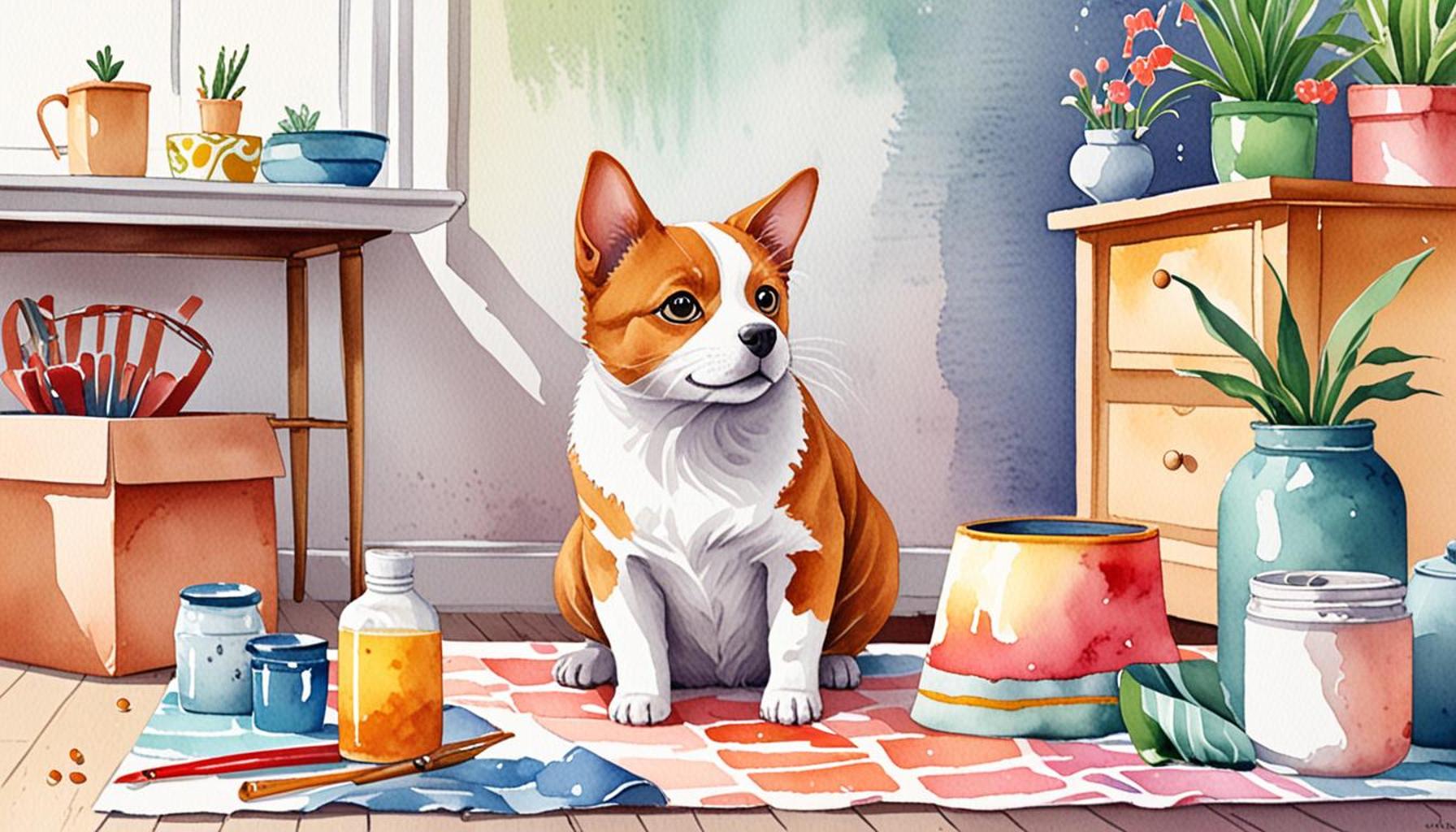
Bringing a new pet into your home is a joyous occasion filled with excitement and anticipation. However, to ensure a harmonious relationship between your new furry family member and your household, some preparations are essential. A smooth transition can greatly impact your pet’s adjustment and overall well-being.
Why Preparation Matters
New environments can be overwhelming for pets. Sudden changes in their surroundings, new people, and unfamiliar scents can lead to stress and anxiety. By creating a safe and welcoming space, you help alleviate anxiety and foster confidence. Here are some key aspects to consider:
- Safety: First and foremost, ensure that your home is pet-proofed by removing any hazardous items or toxic plants from your pet’s reach. For example, some common household plants, such as lilies and azaleas, can be poisonous to cats and dogs. Additionally, keep cleaning supplies, medications, and cords out of reach to prevent accidents.
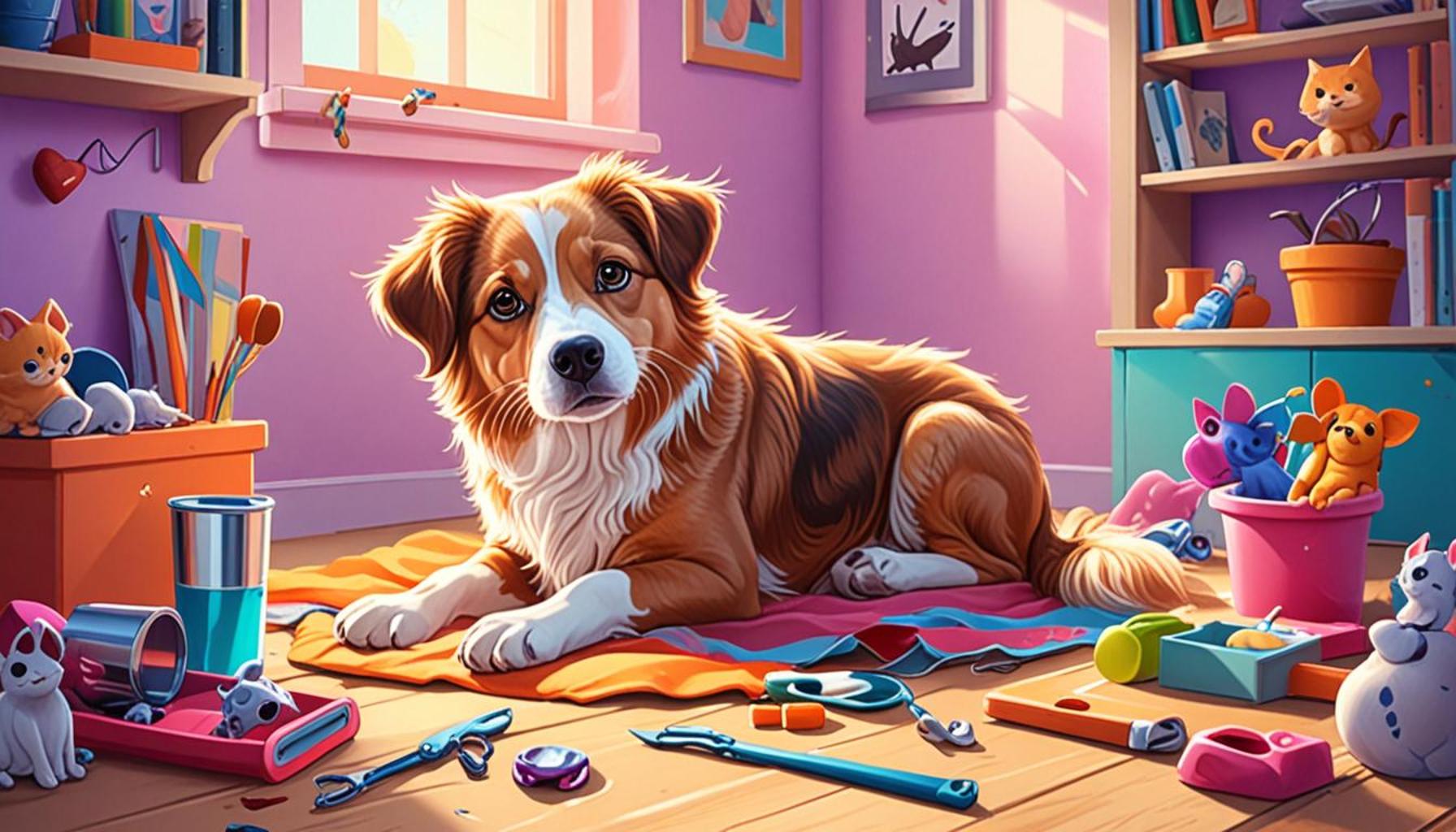
- Comfort: Designate a cozy area in your home specifically for your pet. This space should include a comfortable bed, engaging toys, and a water bowl, creating a safe haven where your new furry friend can relax and feel secure. Consider the temperature and lighting of the area, ensuring it is neither too hot nor too cold.
- Routine: Establish a consistent feeding and exercise schedule. Pets thrive on routine as it gives them a sense of security. For instance, feeding your dog at the same time each day and incorporating daily walks can help build trust and create bonding opportunities.
Establishing a Home for Your New Pet
Each pet is unique and may require different levels of support during their transition. Understanding their needs can enhance your relationship and create a tranquil environment. Consider the following:
- Pet-proofing: Investing in gates or barriers can help limit access to potentially dangerous areas, such as stairways or kitchens. This is especially important for puppies and kittens who may be prone to exploring hazardous spots. Additionally, make sure to secure any small items that could be swallowed or chewed on.
- Integration: If you already have pets, slow introductions are crucial to minimize stress. Initial meetings should be supervised, allowing your existing pets to sniff and become familiar with the newcomer from a distance. Gradually increase their interaction as everyone begins to feel more comfortable.
- Resources: Ensure you are stocked up on necessary supplies like food, leashes, grooming items, and health-related resources such as pet insurance. Familiarize yourself with local veterinarians and pet services, which can provide essential support during your pet’s transition.
With these preparations under your belt, you are on your way to making your new pet feel right at home. Remember that patience is key; allow your new companion the time they need to settle in. The next step is to delve deeper into the practical tips that will ensure a smooth transition for both you and your adopted companion, benefiting your family’s dynamics and your pet’s well-being for years to come.
LEARN MORE: Click here for essential nutrition tips

Creating an Inviting Environment
Welcoming an adopted new pet into your home requires more than just excitement; it necessitates meticulous planning to create an inviting environment. A thoughtful approach can not only make your pet feel at ease but also reinforce the bond between you and your new companion. Here are several essential steps to tailor your home into a pet-friendly haven:
- Assessing Your Space: Start by examining every corner of your house through the eyes of your new pet. Consider their size and nature— is it a skittish cat or an energetic puppy? Analyze your living area for potential hazards such as open windows, exposed electrical outlets, or fragile items within reach. By identifying these risks, you can ensure a safer environment for your new pet.
- Organizing Your Belongings: Once potential hazards have been eliminated, organizing your space is crucial. This involves both decluttering and setting up specific areas for pet supplies. Store pet food, leashes, and grooming tools in easy-to-access areas to streamline daily routines. A tidy space creates a sense of order, which pets often find comforting.
- Setting Up Designated Areas: Your pet will benefit from clearly defined areas within your home. Create a cozy corner with a plush bed, blankets, and their toys in a low-traffic area. This gives your new furry friend a space to retreat when feeling overwhelmed, contributing to their overall comfort as they adjust to your home.
- Adjusting the Home Environment: Each pet has different needs regarding temperature and lighting. Ensure that the designated pet area offers ample natural light and is well-ventilated. For pets with longer fur, consider how the temperature can change throughout the day and provide options for warmth or coolness as necessary.
These foundational steps not only prepare your home but also signal to your pet that they are valued members of your family. By fostering a sense of security and providing physical comforts, you set the stage for a successful adjustment to their new life with you.
Understanding Your Pet’s Needs
Every pet comes with its own unique background and set of needs, which can significantly influence the transition period. Taking the time to learn about these needs can simplify the integration process and enhance the relationship you build together. Here are some critical factors to keep in mind:
- Behavioral Considerations: Different pets exhibit various behaviors, from shy and reserved to assertive and outgoing. Recognizing these traits early can guide your expectations and interactions. For example, an anxious dog may require additional reassurance and space compared to a confident feline.
- Health Requirements: Each pet has specific health considerations, including medical needs or dietary restrictions. Consult with your veterinarian before bringing your pet home to understand any special care they may require. This ensures they receive optimal health care from day one, helping build a strong foundation for recovery and comfort.
- Training and Socialization: Early training and exposure to new experiences are vital in helping your new pet feel comfortable and well-adjusted. Establishing clear boundaries and commands can facilitate better communication, making the adjustment easier for both you and your adopted companion.
As you continue to prepare for your new pet, remember that your efforts will pay off in creating a loving home that is attuned to their needs. By meeting these initial challenges with preparation and understanding, you pave the way for a harmonious life together, filled with joy and companionship.
Setting Up Your Home for a New Pet
When you decide to welcome a new pet into your life, the transition period can be both exciting and challenging. Preparing your home is a crucial step that ensures a bonding experience and minimizes anxiety for your adopted pet. Here are some practical tips to make your pet’s entry as smooth as possible.
Create a Dedicated Space
Establishing a safe and comfortable area for your new pet is essential. This space should include a cozy bed, fresh water, and toys. A designated space not only helps your pet feel secure but also provides a retreat if they become overwhelmed by their new environment. Consider using gates or barriers to create a pet-friendly zone that is separate from areas of high activity.
Pet-Proof Your Home
Just as you would child-proof a home, pet-proofing is equally important. Remove any hazardous items like cleaning supplies, electrical cords, and small objects that can be swallowed. Ensure that windows and balconies are securely screened, and consider hiding valuable or breakable decor items until your new pet is settled in. This attention to detail will help prevent accidents and promote a safer home for both you and your pet.
Establish a Routine
Pets thrive on routine, so develop a consistent schedule for feeding, walking, and playtime. This fosters a sense of security and helps the new pet adjust to their environment more rapidly. Use positive reinforcement to encourage good behavior during training sessions, and remember to be patient as your pet learns the rules of your household.
Socialization and Introduction
If you have existing pets, introduce them to the new member slowly and safely. Keep initial interactions short and supervised to prevent any potential conflicts. Gradually increase their time together as they become familiar with one another. This method promotes a harmonious household and allows each pet to feel comfortable and secure.
Consult a Veterinarian
Before your new pet arrives, make an appointment with a veterinarian for a complete health check-up. Discuss vaccinations, nutrition, and any specific care needs. It’s wise to have preventive care sorted out early, ensuring your pet starts their new life in your home with a clean bill of health.
Patience is Key
Remember that patience is crucial during this transition. Every pet adapts at their own pace, and some may need more time to adjust than others. Show them love and support as they learn to navigate their new home. By implementing these practical tips, you can ensure a smooth and welcoming transition for your new furry family member.
| Category | Advantages |
|---|---|
| Safe Space | Creates a secure zone for your pet to feel comfortable and reduce anxiety. |
| Pet-Proofing | Prevents accidents and injury, ensuring a safe environment for exploration. |
Implementing these foundational aspects will significantly enhance the transition for both you and your adopted pet. Making your home a welcoming environment will not only help your new companion settle in successfully but also deepen your bond over time.
DISCOVER MORE: Click here to learn about the vital role of pet adoption
Establishing Routines and Building Trust
As much as creating a welcoming space is crucial, establishing consistent routines plays an equally important role in helping your new pet feel secure. Pets, much like humans, thrive on predictability, which fosters a sense of trust and security. Here are some strategies to help you build reliable routines for your pet:
- Feeding Schedule: Designate specific times for meals and stick to them. This structured approach not only helps regulate digestion but also reinforces your pet’s sense of routine. For example, dogs may typically eat twice a day, while cats may prefer several smaller meals throughout the day. Whichever pet you add to your family, adhering to a consistent feeding schedule will help ease anxiety and contribute to a sense of stability in their new environment.
- Exercise and Playtime: Regular exercise is essential for your pet’s physical and mental well-being. Create a schedule that incorporates playtime and walks into your daily routine. For dogs, this could mean morning walks followed by evening play sessions; for cats, interactive toys can stimulate their hunting instincts. Adjust the intensity and duration according to your pet’s energy level and preferences, allowing them to express themselves and bond with you during this time.
- Training Sessions: Incorporate short training sessions into your routine to help socialize your new pet and reinforce boundaries. Training is not only vital for teaching commands but also for building a lasting bond. Use positive reinforcement techniques, such as treats and praise, to create a happy learning environment. Research shows that pets trained with reward-based methods display more confidence and adaptability, leading to a smoother transition.
Moreover, familiarize your pet with their new daily rhythm. The transition may initially feel overwhelming, so adjusting expectations and staying patient is essential. They may not adapt to routines right away, but over time, they will begin to adjust to your lifestyle.
Creating a Safe and Enriching Environment
Beyond establishing routines, enhancing the everyday environment can significantly contribute to your new pet’s comfort. Enrichment activities stimulate your pet’s mind and help alleviate anxiety, especially during the adjustment phase. Here’s how to transform your home into a thriving space for your pet:
- Interactive Toys and Puzzles: Providing various toys and puzzles keeps your pet engaged and mentally stimulated. From chew toys designed for dogs to feather wands for cats, enriched play encourages exploration and creativity. Additionally, toys that dispense treats not only satisfy their instincts but also serve as fun challenges that promote resourcefulness.
- Safe Spaces and Vertical Areas: Pets, particularly cats, enjoy having access to vertical spaces. Cat trees or shelves offer opportunities for climbing and surveying their territory, while also providing safe hiding spots. Create a safe space where your pet can retreat whenever they require a break from social interactions or just need personal time. This aids them in building confidence in their new home.
- Socialization Opportunities: Introduce your pet gradually to family, friends, and other pets in your household. Organizing small social gatherings allows them to acclimate to new environments while building their social skills. Keep an eye on your pet’s behavior during these interactions, ensuring they remain comfortable and unthreatened. As your pet learns to communicate and socialize positively, their stress levels will decrease, creating a harmonious household.
By implementing these strategies, you not only prepare your new pet for a successful transition, but you also cultivate an enriching environment that promotes long-term happiness and well-being. As they explore their new surroundings, the bonds of friendship will grow stronger, and together you can embark on countless adventures as a family.
DISCOVER MORE: Click here for essential tips on pet dental health
Conclusion
Welcoming a new pet into your home is an exciting adventure that brings joy and companionship, but it also requires thoughtful preparation and an understanding of their unique needs. As you embark on this journey, remember that the key to a smooth transition lies in creating a safe, predictable environment and establishing consistent routines. By providing a designated space, enriching your home with toys and challenges, and fostering trust through interaction and training, you set the foundation for a healthy relationship with your new furry or feathery friend.
Moreover, consider the emotional aspect of this transition. Your pet may come with a history that impacts their behavior and adaptation, so patience is essential. Every pet adjusts at their own pace, and it’s important to offer them the understanding they need. As you cultivate a routine that includes regular feeding, exercise, and socialization opportunities, you not only help your pet acclimate but also strengthen the bond between you.
In conclusion, preparing your home for an adopted new pet goes beyond physical adjustments; it’s about fostering an environment that nurtures trust, safety, and happiness. With each step you take towards welcoming your new companion, you enhance their quality of life, making your household a harmonious and loving place to be. Together, you can create lasting memories and enjoy countless adventures, forging a lifelong connection that brings mutual joy and fulfillment. Embrace this journey and watch your new pet blossom in the comfort of their forever home.