How to Read Pet Food Labels: What Really Matters

Decoding the Essential Elements of Pet Food Labels
As the pet food market continues to expand, pet owners are becoming increasingly aware of the significance that a well-balanced diet holds for their beloved companions. However, the labyrinth of information found on pet food packaging can often lead to confusion. Many pet parents find themselves bombarded with terms and jargon that may obscure the vital nutritional facts needed to make informed choices. Hence, developing a keen understanding of how to interpret pet food labels is not just beneficial but crucial for your pet’s health.
Ingredient Quality
First and foremost, one of the most telling aspects of a pet food label is the ingredient list. It’s essential to prioritize whole ingredients such as real meats, vegetables, and whole grains. For instance, look for products that list “chicken,” “beef,” or “salmon” rather than vague terms like “meat by-products.” Whole ingredients not only provide higher nutritional value but are often more recognizable and digestible for pets. Additionally, ingredients like brown rice or sweet potatoes can serve as beneficial sources of carbohydrates, providing energy for your active companion.
Guaranteed Analysis
The guaranteed analysis section is another critical component of pet food labels. This section breaks down the percentages of key nutrients such as protein, fat, fiber, and moisture in the food. For example, a label indicating a minimum of 30% protein and a maximum of 15% fat can give you insight into the dietary composition. It is essential to align these values with your pet’s specific needs based on factors such as age, weight, and activity level. Understanding these numbers can help you avoid underfeeding or overfeeding, both of which can lead to potential health concerns.
Understanding AAFCO Statements
Finally, checking for AAFCO (Association of American Feed Control Officials) statements can further guide your purchasing decision. These statements indicate whether the food is formulated to meet nutritional standards established for pets. A label that states “This food provides complete and balanced nutrition” means it has undergone feeding trials or has been formulated to adhere to AAFCO’s guidelines, ensuring safety and nutritional adequacy. This certification is particularly valuable for pet owners seeking confidence in the quality of their pet’s diet.
Moreover, it’s important to note the influence of marketing on pet food labels. Many brands utilize enticing phrases like “grain-free” or “made with real meat,” which can be misleading and may not reflect the actual quality of the product. Consumers are encouraged to remain vigilant against these marketing tactics and focus on scientific facts instead.
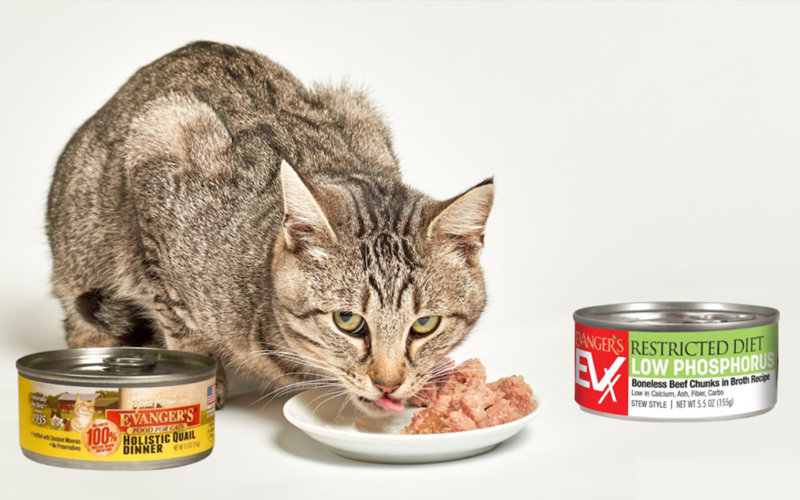
In summation, familiarizing yourself with pet food label terminology can significantly enhance your ability to select the best diet for your furry friend. By examining ingredient quality, understanding the guaranteed analysis, and confirming AAFCO compliance, you empower yourself to make sound nutritional choices. As a proactive pet owner, your due diligence in this area can undoubtedly lead to a happier, healthier life for your pets.
DON’T MISS OUT: Click here to learn more about pet adoption financing
Breaking Down Nutritional Needs: The Key Components of a Healthy Diet
To make the best choices for your pet, it’s essential to comprehend not only what the labels say but also what those words imply in terms of nutrition. Just like humans, pets have specific dietary requirements that vary based on their breed, age, and overall health. Understanding these needs helps you navigate the overwhelming options available in stores and online, ensuring your furry friend receives a well-rounded diet.
Your Pet’s Life Stage
One of the first considerations when choosing pet food is your animal’s life stage. For instance, puppies and kittens require higher protein levels and additional nutrients to support their growth. Conversely, senior pets often benefit from lower calorie content and specific joint-supporting ingredients. Labels often denote this through phrases such as “puppy,” “kitten,” “adult,” or “senior,” so be vigilant in choosing food that aligns with the appropriate life stage of your pet.
Specific Dietary Needs
Pets may have various dietary needs based on health conditions or sensitivities. For example, pets with allergies may require grain-free or limited-ingredient diets. It’s vital to examine the ingredient list critically if your pet has any known sensitivities. Additionally, certain breeds might be predisposed to specific health issues, which can be addressed through tailored nutrition. Consulting with your veterinarian can provide insights into tailored dietary options, ensuring a diet that supports your pet’s unique needs.
Evaluating the Nutritional Claims
Pet food manufacturers often employ enticing language to market their products. Claims like “natural,” “holistic,” or “premium” can vary widely in meaning, and it’s crucial to delve deeper than just the front label. Here are key terms to consider:
- Natural: This term generally indicates the absence of artificial colors, flavors, and preservatives. However, it does not guarantee the quality or the source of the ingredients.
- Holistic: While this can suggest a well-rounded and balanced approach, there is no official definition, leaving room for interpretation.
- Premium: This label often implies higher-quality ingredients, but it’s vital to read the entire label to confirm the nutritional value.
Being aware of these claims allows you to critically evaluate products, ensuring that your decisions are based on genuine nutritional benefits rather than marketing ploys. Additionally, pet foods claiming to be “vet-recommended” should also be scrutinized, as this label can sometimes be influenced by partnerships rather than scientific evidence.
In conclusion, grasping the nuances of nutritional needs and claims on pet food labels will better equip you to make informed choices for your furry family members. Making decisions based on your pet’s stage of life, specific dietary requirements, and lingering marketing buzzwords will streamline the selection process, ultimately contributing to a healthier, happier life for your pet.
Understanding Pet Food Labels: Key Components
Reading pet food labels can be a daunting task, but understanding the key components is crucial for making informed choices for your furry friends. The following table highlights important aspects to consider when evaluating pet food labels:
| Category | Details |
|---|---|
| Ingredient Quality | Assess the source of proteins and the inclusion of whole ingredients versus fillers. |
| Nutritional Adequacy | Look for AAFCO statements that indicate nutritional balance for your pet’s life stage. |
| Additives | Understand the role of preservatives, colorings, and flavorings to gauge health impacts. |
| Guaranteed Analysis | Review protein, fat, fiber, and moisture percentages to ensure proper nutrient levels. |
With these categories in mind, pet owners are empowered to critically analyze the labels on pet food. This knowledge not only allows for healthier nutritional choices but also informs decisions that can significantly impact the long-term well-being of their pets. Thus, it’s advisable to delve deeper into the implications of each element when selecting the best food for your beloved companions.
DISCOVER MORE: Click here to learn about alternative treatments
Deciphering Ingredients: The Importance of Quality and Origin
When it comes to pet food labels, the ingredient list is perhaps the most crucial aspect to scrutinize. The ingredients are typically listed in descending order by weight, meaning the first few components are what your pet is consuming the most. Understanding what these ingredients mean in terms of quality, source, and nutritional viability can make a significant difference in your pet’s overall health.
Meat vs. Meat By-Products
A common point of confusion lies in the distinction between animal meat and animal by-products. While meat (like chicken or beef) is a high-quality protein source, meat by-products may include fragments of the animal not considered human-grade, such as organs, bones, and other parts. Although by-products can still be nutritious, many pet owners prefer to avoid these in favor of whole meats as the primary ingredient. Labels may also specify “real” or “whole,” elevating the quality, but understanding the difference between these terms can lead to more informed choices.
Understanding Grains and Carbohydrates
Carbohydrates have sparked much discourse among pet owners regarding their appropriateness in diets. While pets are obligate carnivores or omnivores, grains can serve as a digestible source of energy. Look for grains such as brown rice or oats, which are whole grains composed of fiber and nutrients. On the other hand, ingredients like corn or wheat may be used more for cost-efficiency than nutritional value. If your pet has sensitivities or allergies, you might want to consider grain-free options. However, it’s vital to research grain-free diets thoroughly, as they have been linked to certain health issues, including dilated cardiomyopathy (DCM) in dogs.
Sourcing and Manufacturing Transparency
The origin of the ingredients can significantly influence their quality. A number of manufacturers proudly display sourcing details, boasting locally sourced or human-grade ingredients. These labels can offer peace of mind regarding the safety and nutritional benefit of what your pet is consuming. Additionally, keep an eye out for brands that participate in third-party testing or adhere to high safety standards. This not only emphasizes the brand’s commitment to quality but also reinforces their accountability for pet health.
Analyzing AAFCO Statements
The Association of American Feed Control Officials (AAFCO) provides essential guidelines for pet food labeling, ensuring that products meet minimum nutritional requirements. You can often find AAFCO statements on the label confirming that the food is nutritionally complete for a specific life stage. However, keep in mind that just because a food meets AAFCO’s standards doesn’t necessarily mean it’s the best option for your pet. You must still review the ingredient list and nutritional analysis. Also, it’s wise to be aware of terms like “made with” or “formula” as these can indicate the food doesn’t meet full standards.
Ultimately, taking time to analyze the ingredients, their quality, origin, and the nutritional guidelines will empower you to select the right food for your furry friends. Pet food labels may seem complex, but informed evaluation can lead to informed decisions that enhance your pet’s wellbeing while navigating the myriad of choices available.
LEARN MORE: Click here for essential insights
Conclusion: Empowering Your Choices for Pet Nutrition
In conclusion, understanding how to read pet food labels is essential for ensuring your furry companions receive the best nutrition possible. By focusing on key elements such as the quality and source of ingredients, you can make informed choices that prioritize your pet’s health and wellbeing. Grasping the differences between meat and meat by-products can guide you in selecting premium protein sources that support your pet’s vitality.
Additionally, gaining insights into grains and their role in your pet’s diet allows you to make choices tailored to their unique needs, especially if they have sensitivities. Remember, terms like locally sourced or human-grade can serve as indicators of quality, enhancing your confidence in your purchasing decisions. It’s also crucial to remain critical of AAFCO statements—just because a product meets basic standards does not mean it’s unequivocally nutritious.
Ultimately, navigating pet food labels might seem daunting at first, but every detail offers an opportunity for you to learn more about what fuels your pet’s health. As pet owners, we bear the responsibility of ensuring our companions lead long, healthy lives. Therefore, take the initiative to familiarize yourself with the nutritional information and quality indicators present on food labels. The more educated you are, the better equipped you’ll be to provide your pets with the sustenance they truly deserve. With the right knowledge, you can confidently choose food that not only meets but exceeds your pet’s dietary requirements, taking a significant step towards their long-term wellbeing.