Incorporating Agility Training into Your Pet’s Routine for Physical and Mental Stimulation
Enhancing Your Pet’s Life with Agility Training
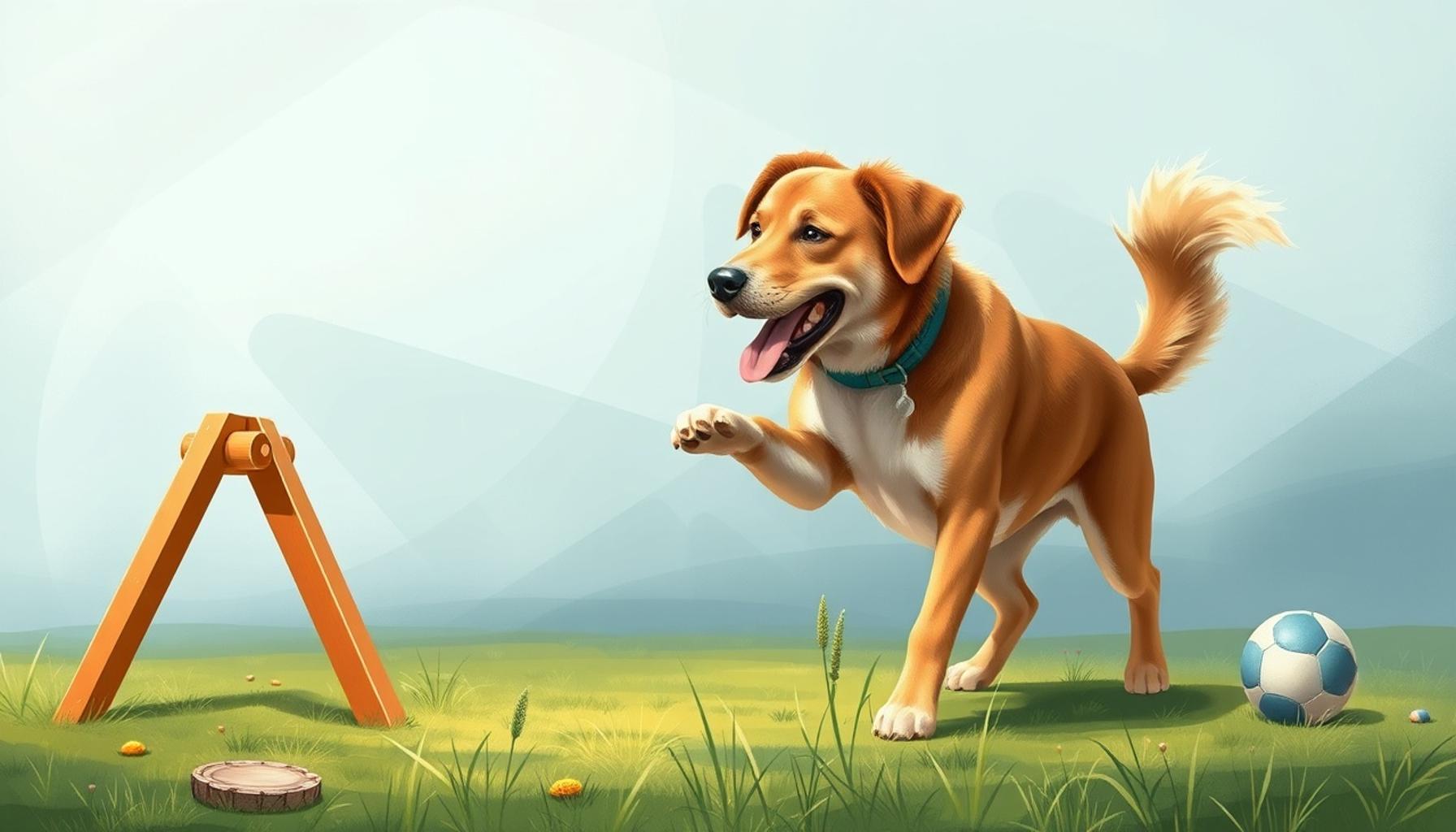
Engaging your pet in agility training can open up a world of physical and mental stimulation. This dynamic activity not only promotes fitness but also strengthens the bond between you and your furry friend. With the right approach, agility training can transform a mundane routine into an exciting adventure filled with challenges and triumphs.
Why consider agility training for your pet? Here are some compelling reasons:
- Physical Exercise: Dogs, much like humans, require regular exercise to maintain their health and avoid obesity. Agility training offers a vigorous workout that includes running, jumping, and weaving, promoting cardiovascular health and muscle strength. For instance, breeds like Border Collies, known for their energy levels, thrive in an agility setting, but less active dogs can also benefit if the training is adjusted to their pace.
- Mental Stimulation: Each obstacle presents a unique challenge that engages your pet’s mind, encouraging problem-solving and creativity. For example, navigating tunnels, jumps, and weave poles necessitates focus and decision-making, which can prevent boredom and destructive behaviors that often stem from under-stimulation.
- Behavioral Benefits: Consistent training improves obedience and socialization skills. For instance, participating in agility courses with other canine companions can enhance your pet’s interactions, teaching them to stay calm and attentive in social settings. This can be particularly beneficial for shy or anxious pets.
- Bonding Time: Working together through agility courses provides precious moments that enhance your relationship. By encouraging your dog and guiding them through the course, both of you create lasting memories filled with shared achievements, deepening your connection.
- Fun and Variety: Break the monotony of daily walks with varied activities that keep both you and your pet entertained. Engaging in agility training not only adds excitement to your routine, but it can also lead to surprising new interests and skills for both of you.
Incorporating agility training isn’t just for high-energy breeds. Small or less active pets, such as French Bulldogs or Shih Tzus, can also participate and excel in agility with proper modifications. The key is to tailor the training to your pet’s abilities, ensuring that it remains an enjoyable experience without causing undue stress or frustration.
So, how can you easily integrate agility training into your pet’s routine? Start by taking small steps. Research local agility classes or workshops that might be available in your area—many communities across the United States have clubs specifically devoted to canine agility. Additionally, investing in basic agility equipment like jumps, tunnels, and weave poles can help you create a fun course in your backyard or at a local dog park.
Consider scheduling regular training sessions, gradually introducing new obstacles to keep things interesting. Celebrate your pet’s accomplishments with treats and praise, reinforcing their confidence and excitement about training. With patience and consistency, agility training can evolve into a cherished activity for both you and your furry companion.
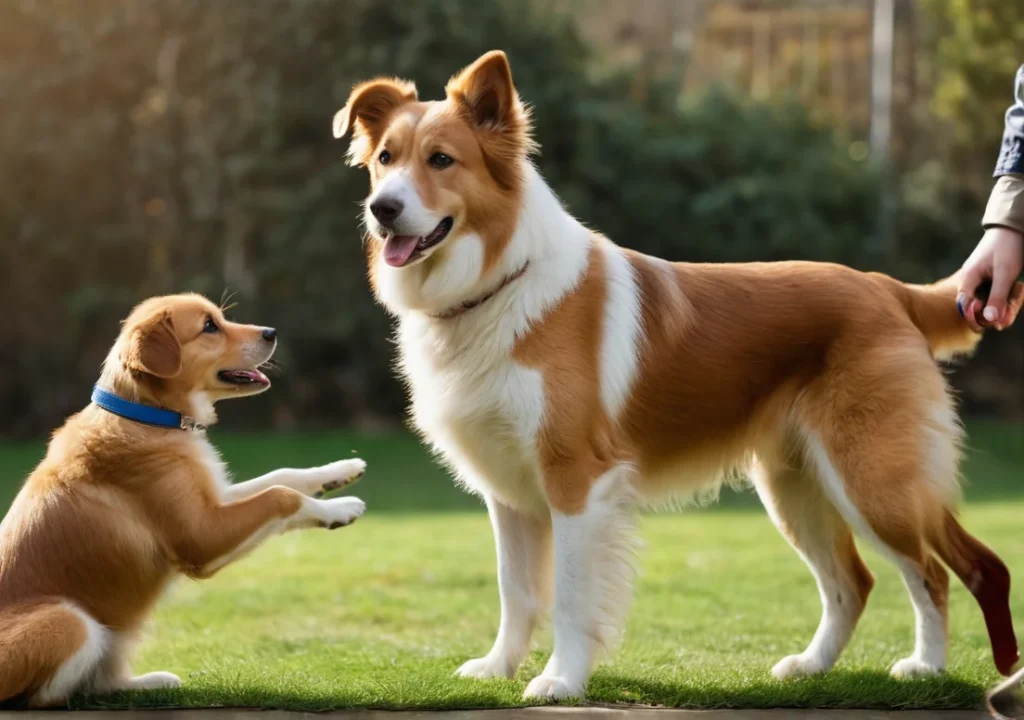
As you embark on this adventure, you’ll not only be improving your pet’s physical fitness and mental acuity, but you’ll also be engaging in an extraordinary journey of mutual growth and discovery.
DISCOVER MORE: Click here for tips on financing your pet adoption
Kickstarting Your Pet’s Agility Journey
To successfully incorporate agility training into your pet’s routine, it’s essential to establish a supportive environment that fosters growth, excitement, and safety. Begin by assessing your pet’s current fitness level and temperament. This understanding will help you tailor the training approach according to their unique needs, ensuring a positive experience from the very start.
One effective way to gauge your pet’s readiness for agility training is to observe their natural behaviors. Do they enjoy running, jumping, or playing with toys? If your dog exhibits these traits, they are likely to embrace agility challenges. On the other hand, if your pet shows hesitation or fear around new experiences, proceed slowly, introducing agility concepts gradually to build their confidence.
Here are some key elements to consider when integrating agility training into your pet’s routine:
- Select Appropriate Activities: Depending on your pet’s breed and energy level, choose activities that align with their abilities. For instance, high-energy dogs like Australian Shepherds may excel in more complex courses, while smaller breeds like Pugs can benefit from simpler jumps and tunnels.
- Establish a Consistent Training Schedule: Animals thrive on routine, so aim for regular training sessions that fit into your daily life. Whether it’s a dedicated hour on weekends or short sessions during the week, consistency will enhance your pet’s learning and engagement.
- Set Progressive Goals: Begin with fundamental skills, such as basic commands (sit, stay, come), before transitioning into agility tasks like jumping over low barriers or crawling through tunnels. Gradually introduce more complicated obstacles as your pet becomes more adept, ensuring that you celebrate their achievements along the way.
- Use Positive Reinforcement: Positive reinforcement techniques such as treats, praise, and playtime are crucial for motivating your pet during training. Reward them for completing obstacles correctly, which will motivate them to attempt more challenging tasks as their confidence grows.
- Monitor Your Pet’s Condition: Always be attentive to your pet’s physical and mental state during training. If they seem fatigued or disinterested, allow them to rest, and don’t hesitate to modify the course layout or difficulty level to maintain their enthusiasm.
As you dive into the world of agility training, remember that it should be a fun and fulfilling experience for both you and your pet. Start small, gradually increasing the complexity of your obstacle course while ensuring that your pet enjoys the journey. This foundational understanding of agility training not only provides a platform for physical activity but also lays the groundwork for deeper emotional connections.
The beauty of incorporating agility training into your daily life lies in its flexibility. You can easily tailor your approach, embracing the creativity needed to make each session an enjoyable adventure. For those eager to push the limits further, joining local agility clubs or participating in competitions can bond you and your pet even more tightly, transforming training into a lifestyle.
| Advantages of Agility Training | Impact on Pets |
|---|---|
| Improved Physical Fitness | Enhances endurance and strength by engaging your pet in fun, practical workouts. |
| Mental Stimulation | Encourages problem-solving skills and keeps pets alert by introducing obstacles and challenges. |
| Strengthened Bond | Builds trust and communication between pet and owner through cooperative activities. |
| Behavioral Benefits | Reduces anxiety and destructive behaviors by providing a constructive outlet for energy. |
Agility training presents a unique opportunity to enrich your pet’s routine while addressing both physical needs and mental stimulation. By participating in agility activities, pets not only enjoy greater fitness but also significantly improve their flexibility and coordination. Incorporating elements like hoops, tunnels, and jumps captivates their interest, making exercise feel more like play than a chore.Furthermore, the mental challenges posed by agility training contribute significantly to your pet’s cognitive development. As they navigate through various obstacles, pets learn to make quick decisions and develop their problem-solving abilities. Such stimulating activities can help prevent boredom, which is often a precursor to behavioral issues in pets.Engaging in agility training sessions also deepens the bond between you and your pet. As you work together to master different challenges, you foster a trusting relationship built on teamwork and understanding. Regular practice not only helps in overcoming hurdles—both literally and figuratively—but it also promotes effective communication that strengthens your companionship.Consider incorporating agility training into your routine, as it offers an excellence blend of physical exercise and mental enrichment, creating a happier, healthier, and more well-rounded pet.
DISCOVER MORE: Click here to learn about clicker training
Enhancing Skills and Socialization Through Agility Training
Beyond the basic structure of agility training, there are numerous components that can significantly enhance your pet’s experience and development. The agility course itself, the social dynamics it fosters, and the mental challenges presented can enrich your pet’s life in ways that extend far beyond simple physical activity.
Social Skills Development: One of the less-discussed benefits of agility training is its effect on socialization. When your pet participates in agility classes or practice sessions with other dogs, they naturally engage in interactions that can enhance their confidence and social skills. This exposure is particularly beneficial for puppies and young dogs, who are impressionable and can learn how to navigate social settings. Moreover, a friendly competition environment cultivates camaraderie, helping your pet understand healthy rivalry while building relationships with fellow canine enthusiasts.
Mind Challenges and Cognitive Development: Agility training is not just physically demanding; it also stimulates your pet’s mind. Learning to navigate courses with various obstacles requires dogs to think critically and respond on command. Incorporating commands like ‘come’, ‘stay’, and ‘jump’ into your sessions can make agility a fulfilling intellectual exercise as well. Research by experts suggests that mentally stimulating activities can reduce behavioral issues commonly found in pets, such as anxiety or destructive tendencies. Keeping your dog mentally engaged through these challenges can lead to lasting behavioral improvements.
Adapting to Individual Needs: Remember that not all pets are created equal. While some may thrive under intensive training schedules, others might require a gentler approach. It’s essential to monitor and adapt your training regimen to fit your pet’s specific needs. If your dog seems overwhelmed or fatigued, consider modifying the agility course to be more accommodating. There are countless variations and adjustments you can explore, including altering obstacle heights or simplifying complex maneuvers. Resources are available online and in local pet stores, where you can find affordable agility equipment suited for home use.
Incorporating Home-Based Agility: You don’t need a massive outdoor space to engage in agility training. Home-based options can spark creativity in your training sessions. Simple household items like chairs, broomsticks, or cardboard boxes can be converted into makeshift agility obstacles. For instance, you could create a low jump using a broomstick balanced on two sturdy containers or a tunnel using a large cardboard box cut in half. This kind of ingenuity allows you to keep the activities fresh and accessible, making agility training a regular part of your pet’s routine.
Engaging Owners and Pets Together: Finally, agility training doubles as quality bonding time between you and your pet. Whether navigating an obstacle course or mastering a new skill together, both you and your furry companion will reap emotional rewards. This shared experience enhances trust and communication, creating a deeper connection that is beneficial for both parties. As you embark on agility adventures, don’t forget to enjoy these moments, celebrating not just mastery of skills but the joys of companionship.
As you delve deeper into the incorporation of agility training into your pet’s routine, consider the multifaceted benefits it offers. From fostering social interaction and cognitive development to the joy of home-based creativity, the possibilities are extensive. By adapting training to your pet’s specific needs and utilizing your environment, agility training can become an integral and enriching part of their lifestyle.
DISCOVER MORE: Click here to learn about the latest innovations for pet care
Conclusion: A Holistic Approach to Pet Wellness Through Agility Training
Incorporating agility training into your pet’s routine serves as a comprehensive approach to enhancing their physical and mental well-being. We have explored how this dynamic activity not only improves your pet’s physical fitness but also fosters important social skills and mental acuity. The social interactions experienced during agility training provide invaluable lessons in cooperation and healthy competition, enabling your pet to build confidence and form bonds with both humans and fellow dogs.
Moreover, the cognitive challenges presented by navigating obstacles not only stimulate their minds but also contribute to reducing common behavioral issues, paving the way for a more harmonious relationship between you and your furry friend. The versatility of agility training allows you to adapt to your pet’s unique needs, creating customized sessions that keep them engaged and motivated. Whether in a local training facility or your own living room, the possibilities are endless.
As you embark on this exciting journey, remember that agility training is about more than just completing courses; it’s about cultivating a profound connection with your pet. By sharing these experiences, you’ll foster trust and communication, enriching both of your lives. So why wait? Embrace agility training as a fun and rewarding part of your pet’s routine, and unlock a world of benefits that will enhance your shared journey. Start today, and watch your companion flourish in both mind and body!