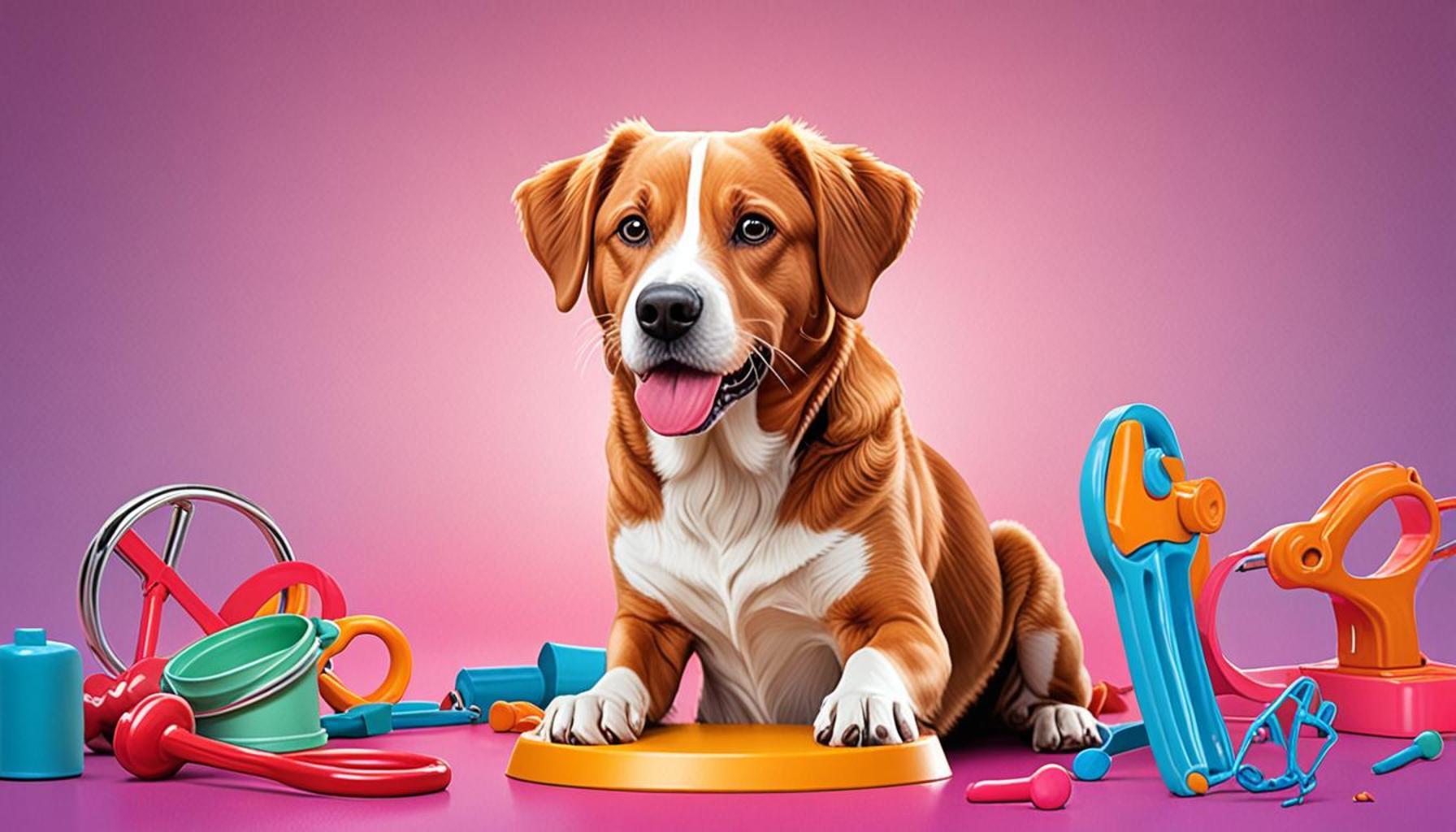
Interactive Training: Using Toys to Stimulate Learning in Pets
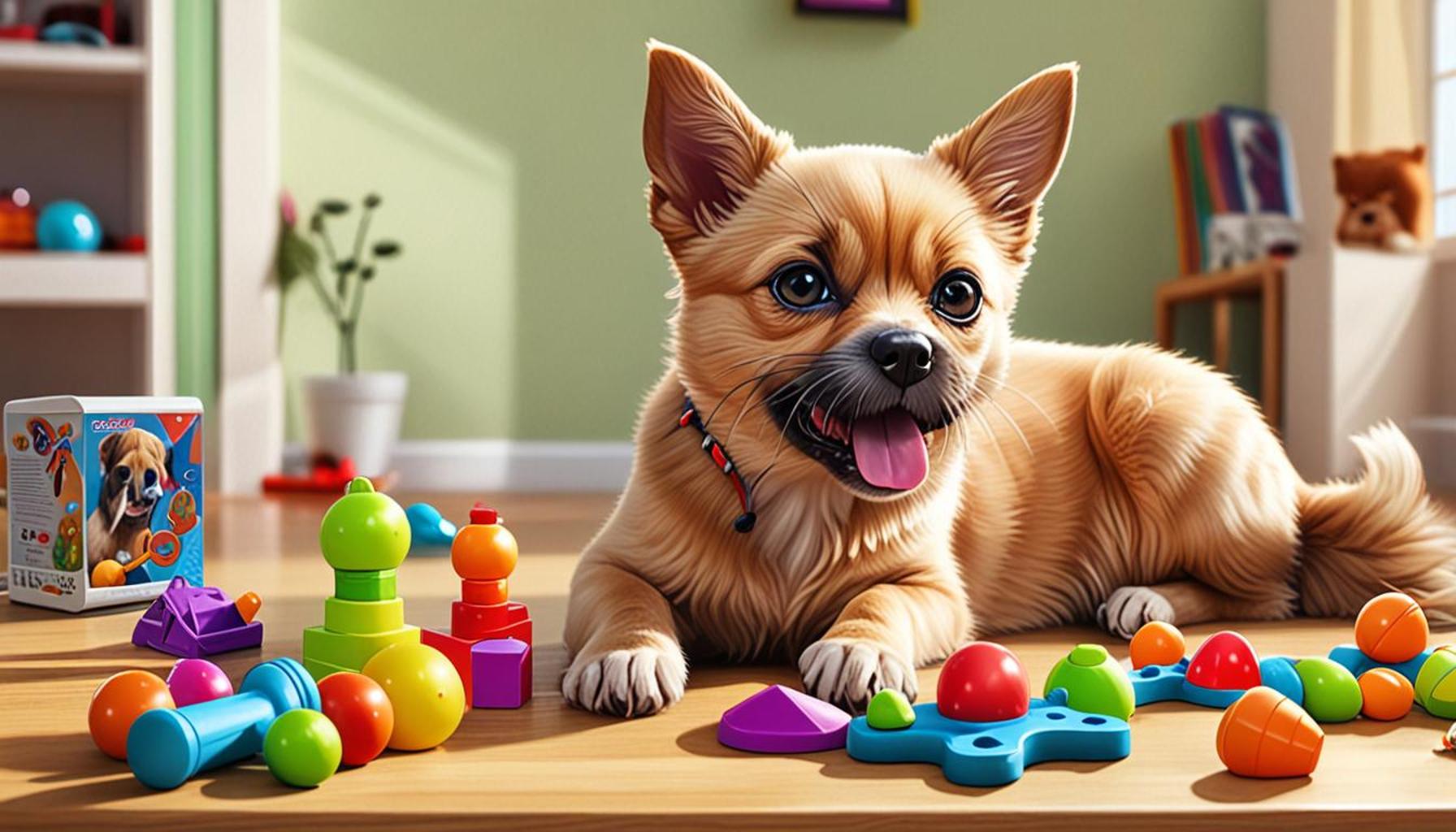
The Joy of Interactive Training
Pets are not just companions; they are inquisitive creatures bursting with potential, always eager to engage with their surroundings. When we dive into the realm of interactive training using toys, we uncover a world of opportunities to enhance our pet’s cognitive abilities while enriching their everyday lives. It’s an engaging process that not only captivates their attention but also strengthens the connection between pet and owner.
Research consistently shows that pets involved in playful training sessions showcase improved behaviors and heightened mental agility. One notable study from the Animal Behavior Society demonstrated that dogs learning through interactive play increased their overall intelligence and obedience. Learning through play offers several benefits that significantly contribute to a pet’s well-being:
- Enhanced problem-solving skills: Interactive toys like puzzle feeders or treat-dispensing balls encourage pets to think critically about how to retrieve their rewards. This mental exercise sharpens their reasoning abilities and fosters independent thinking.
- Increased physical activity: Animals, much like humans, require regular exercise to maintain optimal health. High-energy toys, such as frisbees or chase balls, combine playful fun with fitness, combating obesity and ensuring a healthier lifestyle for your pets.
- Strengthened bond: Engaging in training sessions transforms mundane routines into joyful experiences that foster deeper relationships between you and your pet. The mutual joy and excitement during these activities create lasting memories and a sense of trust.
The variety of available interactive toys is astounding. From simple plush toys that squeak to complex game-style accessories that challenge a pet’s intellect, there is a toy for every skill level and preference. For instance, teaching a dog to navigate a maze to earn their treat can be thrilling for both the animal and the owner, providing hours of motivation and fun.
To maximize learning and engagement, harness your pet’s natural instincts—such as hunting, exploring, and scavenging. By choosing toys that challenge these instincts, you ensure that your pet enjoys their learning journey. For example, hiding treats around the house or using snuffle mats can keep your dog entertained while sharpening their natural searching abilities.
As you delve into the captivating world of interactive training, explore various tips and tricks to stimulate learning and engage with your beloved pets. With the right tools and techniques, you can turn playtime into a rewarding experience that not only enhances your pet’s skills but also enriches your shared life together.

LEARN MORE: Click here for expert tips
Unleashing Potential through Play
When considering the ideal way to foster learning in pets, interactive training through toys is a game-changer that brings multifaceted benefits. It’s not just a matter of keeping our furry friends entertained; this approach stimulates a wide array of skills that pets naturally possess but may not have the opportunity to sharpen without guided play. As we explore this dynamic sector of pet learning, we uncover various types of interactive toys designed to engage specific instincts and maximize cognitive stimulation.
The basis of interactive training relies on a special connection between play and learning. For pet owners, investing in the right toys makes a tangible difference in shaping behaviors and intellectual growth. Numerous brands offer innovative options tailored to meet the needs of different species and individual pet personalities. Here are just a few types of interactive toys that can truly enrich your pet’s learning experience:
- Puzzle Toys: Designed to get pets thinking, puzzle toys like the Nina Ottosson series engage dogs and cats in problem-solving challenges. Treats hidden within compartments encourage pets to explore methods of extraction, boosting their cognitive skills and patience.
- Active Toys: For high-energy pets, toys such as flirt poles, throwing discs, or automation-driven balls encourage physical activity while serving as a mental challenge. These toys multiply the fun while promoting fitness, leading to healthier lives and happier spirits.
- Interactive Feeders: Instead of emptying a bowl in seconds, consider using slow feeders or treat-dispensing toys. Such items inherently satisfy a pet’s instinctual desire to work for their food, turning mealtime into an engaging learning opportunity.
Additionally, the clever integration of interactive training into daily routines can elevate overall pet engagement. Whether it’s a senior dog who loves to sniff out hidden treats or a young cat intrigued by a laser pointer, there’s a myriad of ways to incorporate playfulness into learning. Training sessions don’t need to take place in a formal setting; they can be seamlessly woven into walks, mealtimes, or even playdates with other pets.
As you embark on this journey of interactive training, keep in mind the importance of variety. Pets thrive on new challenges and surprises. Introducing fresh toys or alternating between types can prevent monotony and sustain their interest. Furthermore, consider the size and breed of your pet when choosing toys, as not all devices will suit every creature. A toy that might intrigue a Labrador puppy may not capture the attention of a small breed dog, for instance.
Ultimately, the heart of interactive training lies within the experiences shared between pet and owner. With engaging toys at your disposal, you can transform training into a period of joy, mutual learning, and profound bonding. By recognizing the intellectual and physical capabilities of your pet, you position them for success and happiness in their everyday lives.
| Advantages | Details |
|---|---|
| Enhanced Engagement | Interactive toys capture pets’ attention, making learning sessions more enjoyable and effective. |
| Cognitive Development | Toys designed for mental stimulation promote problem-solving skills and enhance overall intelligence in pets. |
| Physical Activity | Incorporating toys into training helps pets stay active, which is vital for physical health and well-being. |
| Strengthened Bond | Using toys in training creates opportunities for positive interactions between pets and their owners, fostering trust and companionship. |
The integration of interactive training toys offers numerous advantages when it comes to stimulating learning in pets. Not only do these engaging tools promote mental and physical activity, but they also create lasting bonds between pets and their owners. By focusing on fun, interaction, and learning, these toys can enhance a pet’s cognitive abilities and overall health. As pet owners, the journey of nurturing learning through play becomes an enriching experience for both parties, encouraging exploration and love for education. This innovative approach invites pet owners to rethink their training methods and discover the impact of play on their furry companions’ learning potential.
DIVE DEEPER: Click here to discover why socialization matters for your dog’s mental health
Enhancing Social Skills and Emotional Well-Being
Beyond cognitive growth, interactive training through toys plays a crucial role in enhancing social skills and emotional well-being in pets. When dogs engage with toys that require cooperation, such as tug-of-war ropes or fetch balls shared with a partner, they not only have fun but also learn important lessons about sharing and teamwork. These experiences can lead to meaningful interactions with other dogs and humans, ultimately cultivating a more socially adept companion.
For instance, dogs that frequently play with other dogs using interactive fetch toys exhibit improved social behavior, which can curb issues like aggression or anxiety around unfamiliar pets. When dogs play together, they learn essential communication cues, making it easier for them to develop friendships and coexist peacefully. Similar dynamics apply to cats, as well. Cats that engage in interactive play using string toys or feather wands can bond with their owners while also honing their hunting instincts in a safe and controlled environment.
Moreover, the use of interactive toys is immensely beneficial for pets struggling with separation anxiety or loneliness. By providing pets with stimulating toys that keep them occupied during periods of alone time, owners can minimize negative behaviors often associated with boredom, such as destructive chewing or excessive barking. Treat-dispensing toys, for example, engage pets mentally while rewarding them with treats, creating a positive association with independent play. Owners can rotate different toys to maintain novelty, ensuring their pets remain curious and engaged even when they cannot be directly involved.
Engaging with Technology: A New Frontier in Pet Play
As technology advances, the world of interactive training is expanding to include tech-savvy options that cater to the learning needs of modern pets. Items like remote-controlled toys or mobile apps that allow owners to control pet activities from a distance are on the rise. These advancements facilitate not only fun but also enhance the learning experience. For example, certain interactive toys come with mobile-friendly interfaces that can track a pet’s engagement levels and suggest new activities based on their preferences and skill improvements.
Additionally, smart toys equipped with motion sensors can respond to a pet’s actions, offering immediate feedback and challenges. These devices turn playtime into a real-time learning environment, where pets can adapt to the toy’s responses and refine their abilities at their own pace. Such technology-driven innovations not only keep pets entertained but can also improve their problem-solving skills and physical coordination.
Choosing the Right Interactive Toys
Understanding how to select the right interactive toys plays a pivotal role in maximizing the effectiveness of interactive training. Pet owners must consider their specific pet’s personality, age, and skill level when making a choice. A toy that may be too complex for a young animal may lead to frustration rather than enjoyment, while overly simple toys may not provide enough stimulation for older, more experienced pets.
- Assessing Size and Safety: Always select toys that are appropriately sized to avoid potential choking hazards. It’s also essential to consider the materials used; non-toxic, durable materials safeguard against health risks while providing long-lasting play options.
- Incorporating Sensory Engagement: Toys that incorporate various textures, sounds, and smells can amplify interest and intrigue. Toys with crinkly materials or squeakers often keep pets returning for more, enhancing their sensory experience.
- Personalization for Preferences: Different pets may show preferences for certain types of play, whether it’s tugging, fetching, or interactive puzzles. Regularly observing your pet’s engagements will assist in identifying which types of toys provide the most joy and stimulation.
Harnessing the power of interactive training not only enriches your pet’s life but fosters deeper connections between pet and owner. By investing time and effort into exploring diverse toys and play techniques, pet owners can lay the groundwork for lifelong learning and companionship that thrives on mutual respect and enjoyment.
DISCOVER MORE: Click here for essential feeding tips
Conclusion: The Power of Play in Pet Development
In the realm of pet training, the integration of interactive toys stands out as a transformative approach that not only enhances cognitive and emotional growth but also fortifies the bond between pets and their owners. By fostering engagement through tailored play experiences, these toys open new avenues for socialization, problem-solving, and emotional stability. As we have seen, tailored interactions not only enrich your pet’s learning journey but also address behavioral challenges commonly faced by many owners.
Moreover, the emerging landscape of technology-driven interactive toys introduces an exciting dimension to pet play. The ability to track engagement and adjust challenges in real time ensures that pets are constantly stimulated, paving the way for continuous skill refinement and innovative learning. As pet owners become savvy in selecting appropriate toys that match their pets’ unique personalities and developmental stages, there is a significant opportunity to avoid frustration or boredom, rather than merely providing entertainment.
Ultimately, embracing interactive training is an invitation to deepen the understanding of our pets while enriching their lives. By prioritizing play as a serious avenue for learning, owners can transform everyday routines into enriching experiences that leave lasting positive impacts. As you explore various types of interactive toys, consider your pet’s preferences and tailor them towards fostering discovery, communication, and joy in every interaction. In this way, the adventure of learning through play is truly endless.