Natural Feeding Tips for Dogs and Cats: What You Need to Know
The Importance of Natural Feeding for Pets
When contemplating the best nutritional approach for your furry companions, it’s vital to recognize how a natural diet can greatly enhance their overall well-being. Unlike commercial pet foods laden with additives and preservatives, a natural diet emphasizes whole, minimally processed foods that reflect pets’ ancestral eating habits. This alternative approach is gaining traction among pet owners seeking to provide optimal health for their dogs and cats.
Natural feeding offers many advantages that can lead to noticeable improvements in your pet’s health. For instance, a diet rich in whole foods can lead to improved digestion and nutrient absorption. Ingredients like fresh vegetables, lean meats, and wholesome grains provide essential fiber and enzymes that can help regulate digestive processes, reducing common issues such as bloating and constipation.
Moreover, many pets suffer from allergies and food sensitivities due to artificial ingredients found in commercial foods. By switching to a natural diet, pet owners often see fewer allergies manifesting as skin irritations or gastrointestinal disturbances. For example, a dog previously suffering from itchy skin might thrive on a diet centered around high-quality, single-source protein and vegetables, which can include protein sources like chicken, beef, or fish combined with sweet potatoes and carrots.
Another significant benefit is the improvement in skin and coat health. Nutrient-dense foods provide essential fatty acids and vitamins that promote vibrant coats. Pet owners often give testimonials about how their pets’ fur transformed after transitioning to natural feeding, showcasing a glossy shine and reduced shedding. This change arises from providing nutrients that support skin health, such as Omega-3 fatty acids found in fish and flaxseed.
Transitioning to a Natural Diet
Shifting your pet’s diet to a more natural one isn’t merely a matter of swapping their current food; it requires careful planning and understanding of their specific needs. First, it’s important to understand your pet’s dietary needs. Factors such as age, breed, size, and existing health conditions influence what constitutes an appropriate diet for them.
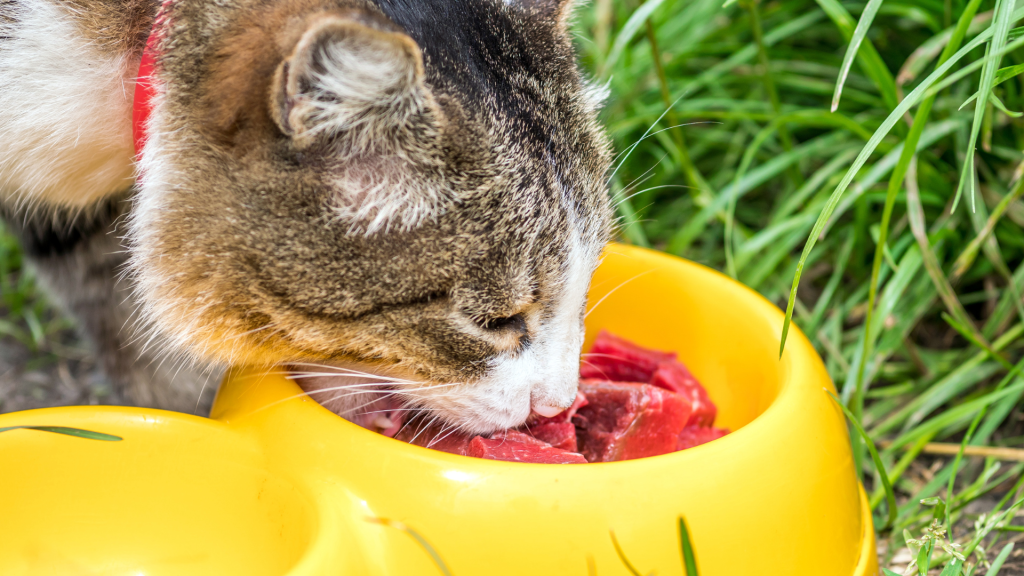
When selecting ingredients, focus on high-quality proteins and fresh produce while avoiding fillers and artificial components. This leads us to the necessity of balancing proteins, fats, and carbohydrates. Meals should be thoughtfully constructed to ensure they are nutritionally complete. For example, a balanced meal for a dog could consist of lean ground turkey, quinoa, carrots, and spinach, providing a holistic blend of nutrients necessary for energy and growth.
Natural feeding is highly customizable, catering to each pet’s unique health profile and preferences. Before making any significant changes to your pet’s diet, it’s wise to consult with a veterinarian or a pet nutritionist who can provide guidance tailored to your pet’s individual needs. With the right knowledge and thoughtful implementation, you can help your furry friends flourish on a natural diet, enhancing their vitality and joy for years to come.
LEARN MORE: Click here for essential tips
Understanding Natural Ingredients for Your Pets
As more and more pet owners consider natural feeding options, it’s crucial to familiarize yourself with the types of ingredients that can support your pet’s health.
Natural diets are primarily comprised of wholesome, unprocessed foods. Therefore, evaluating the quality of these ingredients is essential. When selecting components for your pet’s meals, look for the following:
- High-Quality Proteins: Your pet’s diet should be rich in high-quality animal proteins. This includes sources such as chicken, turkey, beef, lamb, and fish, which provide essential amino acids necessary for growth and repair.
- Whole Grains: Incorporating whole grains like brown rice, quinoa, or oats can enhance energy levels and provide a source of fiber. These nutrients help support digestion and overall gut health.
- Fresh Vegetables: Vegetables not only add essential vitamins and minerals to your pet’s diet but also bring valuable fibers that aid digestion. Carrots, spinach, peas, and sweet potatoes are excellent choices.
- Healthy Fats: Essential fatty acids, like Omega-3 and Omega-6, are vital for maintaining healthy skin and a shiny coat. Sources can include fish oil, flaxseed oil, or chicken fat.
- Fruits: Certain fruits can make a healthy treat or be included in meals. Blueberries and apples (without seeds) are often appreciated by pets and contain antioxidants beneficial for their immune system.
While creating meals that incorporate these ingredients sounds straightforward, proper portion control is also critical. Each pet has unique dietary needs based on their size, breed, and activity level. For example, a more active breed will require more calories compared to a sedentary companion. Understanding how much to feed can prevent both underfeeding and overfeeding, ensuring your pet maintains a healthy weight.
In addition, be cautious when introducing new items into their meals. Doing so gradually can help mitigate any risks of stomach upset or adverse reactions. Mixing a bit of the new food with their current diet is a great way to ease them into a natural feeding regimen.
It’s equally significant to avoid artificial additives and fillers that are commonly found in commercial pet foods. These ingredients can compromise your pet’s health, leading to unwanted weight gain and allergies. Familiarize yourself with ingredient labels, and don’t hesitate to consult with a veterinarian or a pet nutritionist if you’re unsure about certain components.
Natural feeding is not only beneficial; it can also be a delightful experience for you and your pet as you explore new recipes and flavors together. Crafting a natural diet filled with fresh ingredients not only nourishes your beloved animals but also creates an opportunity for them to thrive, encouraging active and vibrant lives.
| Natural Ingredients | Nutritional Benefits |
|---|---|
| Whole meats, vegetables, and grains | Provides essential proteins, vitamins, and minerals for overall health. |
| Fruits like blueberries and apples | Rich in antioxidants that support immune function and improve skin health. |
| Fish and omega fatty acids | Promotes healthy skin and coat and aids in cognitive function. |
| Home-cooked meals with minimal processing | Ensures freshness and minimizes exposure to preservatives and additives. |
Utilizing natural ingredients like whole meats, vegetables, and grains in your pet’s diet can yield numerous health benefits. These ingredients ensure that your furry friends receive essential proteins, vitamins, and minerals, enabling them to thrive. Incorporating fruits, such as blueberries and apples, adds a boost of antioxidants that enhances immune function while also promoting healthy skin.Consider including fish rich in omega-3 fatty acids, which are known to support a shiny coat and maintain cognitive health. Furthermore, preparing home-cooked meals with minimal processing allows you to control the quality of the ingredients, ensuring freshness and reducing exposure to harmful additives. These natural feeding tips for dogs and cats will not only improve their health and vitality but also contribute to a happy, energetic life.
LEARN MORE: Click here to discover the importance of regular vet visits
Practical Tips for Implementing a Natural Diet
Shifting your pet’s diet to a natural feeding regimen may seem overwhelming at first, but with careful planning and some helpful strategies, you can create nutritious and appetizing meals for your furry friends. Here are some practical tips to consider when transitioning to a natural feeding lifestyle:
- DIY Meals: Consider preparing homemade meals for your pets. Preparing food from scratch allows you to control the quality of ingredients and avoid unhealthy additives. Recipes can be as simple as roasted chicken mixed with sweet potatoes and broccoli or ground beef combined with brown rice and zucchini. Websites and cookbooks focused on pet nutrition often provide specific recipes tailored for dogs and cats, making it easier to get started.
- Supplementation: Natural foods might not cover all nutritional bases, especially if you opt for a DIY diet. Consulting with a veterinarian about necessary supplements, such as multivitamins or Omega-3 fatty acids, can ensure your pets receive a balanced diet. This is particularly important for cats, as certain essential nutrients, such as taurine and arachidonic acid, must be incorporated into their meals to maintain optimal health.
- Batch Cooking: To make the process more manageable, consider batch cooking your pet’s meals. Prepare larger quantities of food and store them in portion-sized containers in the freezer. This method helps save time throughout the week and ensures your pet always has ready access to wholesome meals. Just be sure to thaw and reheat food safely.
- Monitor Allergies and Intolerances: As you introduce new ingredients, closely monitor your pet for any signs of allergies or food intolerances, such as itching, gastrointestinal upset, or changes in behavior. Keep a journal of the ingredients used and any reactions observed so you can identify problem foods easily.
Additionally, consider your pet’s specific dietary restrictions or health conditions. Senior pets or those with particular health challenges often have unique nutritional needs. For instance, pets with kidney problems might require lower protein diets, while overweight pets may benefit from low-calorie ingredients. Always consult your veterinarian when determining the most suitable approach to a natural feeding plan.
Another significant aspect to consider is hydration. Fresh water should always be available. Incorporating wet food or high-moisture ingredients can help keep your pet hydrated, especially for cats who are prone to urinary tract issues. Adding water or low-sodium broth to their food can also enhance the flavor and make it easier for them to consume.
Lastly, variety is key in a natural diet. While certain proteins or grains may be well-tolerated by your pets, rotating ingredients can cover a more extensive range of nutrients and mitigate the risk of allergies. For dogs, you could experiment with varying the type of meat used weekly, or switch up the vegetables added to meals. For cats, rotating their protein sources can be particularly beneficial.
When planned well, a natural feeding approach can be fulfilling, both for you and your pet. Educating yourself about nutritional needs and experimenting with different ingredients can lead to exciting discoveries in your pets’ diets. This shift not only promotes overall well-being but can foster deeper connections between you and your beloved companions as you embark on this culinary journey together.
DISCOVER MORE: Click here to learn about the importance of socialization for dogs
Final Thoughts on Natural Feeding for Your Pets
Adopting a natural feeding regimen for your dogs and cats can greatly enhance their overall health and happiness. By prioritizing high-quality, whole ingredients in their meals, you enable them to thrive while avoiding the preservatives and low-quality fillers commonly found in commercial pet foods. As you venture into this rewarding journey, recognize that each pet is unique; therefore, individual dietary needs and preferences play a significant role in crafting the perfect meal plan.
Start with gradual changes, implementing homemade meals and monitoring your pets’ reactions, as understanding their responses to new ingredients is vital for ensuring a well-balanced diet. Don’t hesitate to consult with your veterinarian to pinpoint specific nutritional requirements and incorporate necessary supplements, as this expert guidance is often invaluable.
Moreover, keep in mind the importance of hydration and variety in your pets’ diets. Regularly rotating ingredients not only maximizes nutrient absorption but also keeps meals exciting, which can help prevent picky eating habits. As you fine-tune your approach to natural feeding, you may uncover new tastes and textures that your pets adore.
In conclusion, embracing natural feeding can foster a deeper bond between you and your furry friends. The effort you invest in understanding their nutritional needs and experimenting with diverse recipes will pay dividends in their health, vitality, and overall happiness. By prioritizing their well-being with thoughtful, nutritious choices, you’re taking a significant step toward ensuring a long, healthy life for your beloved companions.