Natural Food vs. Commercial Feed: What Is Best for Your Pet?
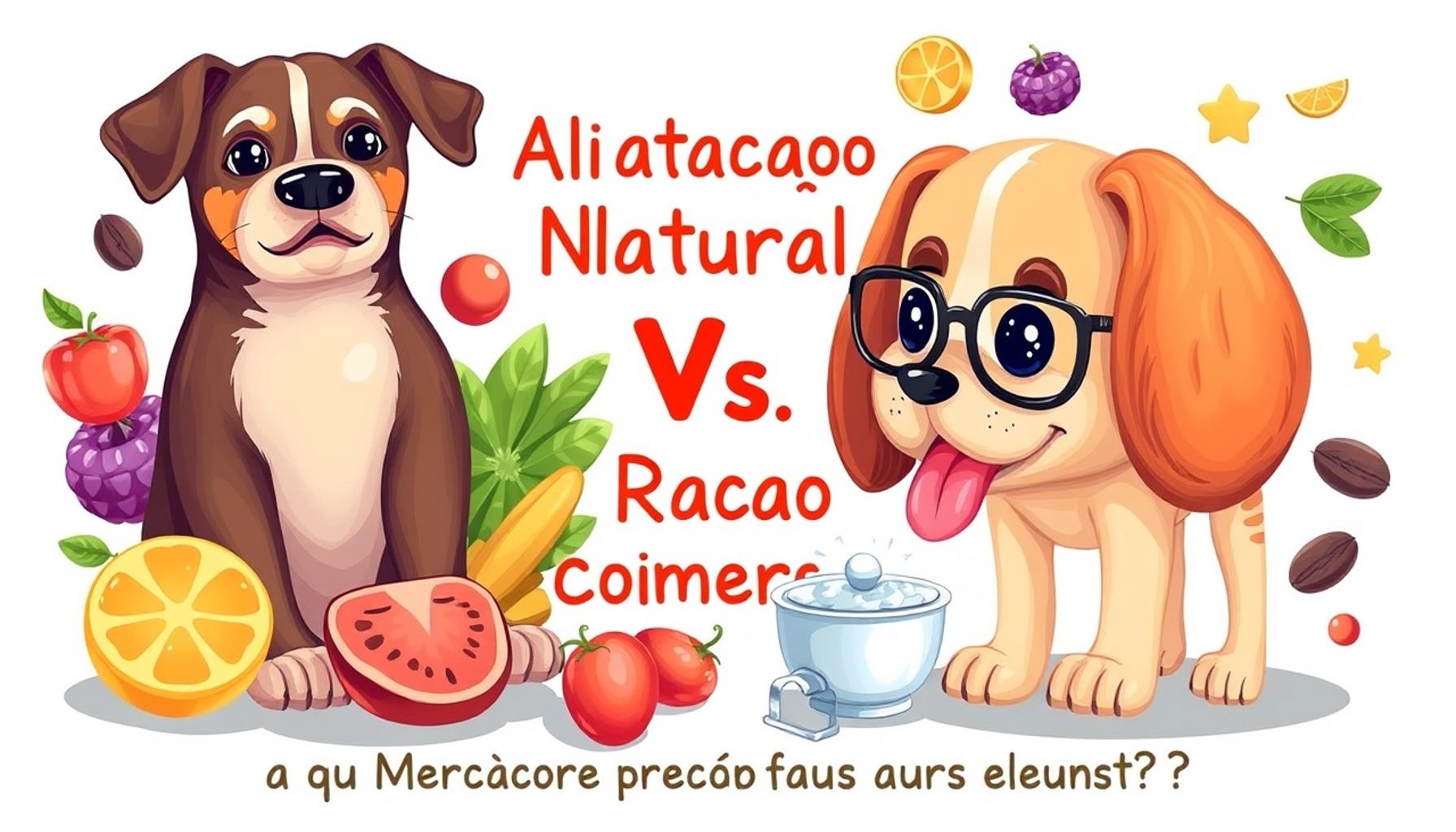
Navigating the Pet Food Landscape
Pets are cherished companions, and ensuring their health and well-being is a priority for pet owners across the United States. With the growing awareness of pet nutrition, the dilemma of choosing the best diet has never been more pertinent. The options are numerous, from natural food to commercial feed, each claiming to promote optimal health. This landscape presents a challenging decision that many pet owners face.
The Allure of Natural Food
Natural pet food often boasts whole ingredients, minimal processing, and a lack of artificial additives. These products aim to replicate a pet’s ancestral diet, largely composed of meats, fruits, and vegetables. Many pet owners are drawn to this option due to its perceived health benefits, such as increased energy levels and shinier coats. Brands like Blue Buffalo and Wellness advocate for natural ingredients, highlighting that a clean diet may contribute to longevity and vitality. However, it’s essential to consider the potential downsides, such as the difficulty in attaining a well-rounded diet that meets all nutritional requirements, especially for pets with specific health issues.
The Convenience of Commercial Feed
On the other hand, commercial pet food is designed for ease and accessibility. It comes in a variety of forms, such as kibble, canned, and raw diets, and is formulated to meet established nutritional standards, often guided by the Association of American Feed Control Officials (AAFCO). Brands like Purina and Hill’s Science Diet offer tailored options for different life stages and dietary needs, providing peace of mind to busy pet owners. While the convenience is undeniable—making it simple to find a product that meets specific dietary requirements—some contend that commercial feed may include fillers and artificial ingredients that might not align with a pet’s natural dietary needs.
Factors to Consider
When deciding on the best diet for your pet, several factors warrant careful consideration:
- Life Stage and Health of Your Pet: Puppies and kittens require different nutrients than older pets. Additionally, pets with health conditions like diabetes or allergies may necessitate special diets.
- Your Budget and Convenience: While natural options can be pricier, commercial feed can be more budget-friendly. Assessing your financial situation and time for preparation is key.
- Specific Dietary Needs or Allergies: Be attuned to any signs of food sensitivities. Consulting a veterinarian can help in making informed choices that cater to your pet’s health.
This decision is not to be taken lightly, as the right food can have a significant impact on your pet’s health and happiness. Ultimately, understanding the pros and cons of both natural and commercial options can help guide you in making the most informed choice tailored to your beloved companion’s needs.
DISCOVER MORE: Click here to learn about the impact of animal welfare organizations
Understanding the Nutritional Spectrum
When it comes to pet nutrition, the age-old debate of natural food vs. commercial feed has sparked countless discussions among veterinarians, pet owners, and animal nutritionists alike. At the heart of this issue lies the crucial question: Can commercial feeds sufficiently meet a pet’s nutritional needs, or do natural foods provide superior benefits that justify their potentially higher costs? To address this question, it’s essential to delve deeper into the characteristics of both options.
The Nutritional Benefits of Natural Foods
Natural pet foods are often celebrated for their wholesome ingredients. These foods typically emphasize animal proteins, fresh fruits, and vegetables, while avoiding synthetic chemicals, fillers, and by-products. For many pet owners, natural options symbolize a return to sourcing ingredients that mimic their pets’ ancestral diets. Research supports this idea: pets consuming diets rich in whole foods often exhibit healthier skin, improved digestion, and enhanced overall vitality.
Moreover, natural diets frequently offer nutritional benefits that go beyond just meeting basic needs. For instance, the inclusion of omega fatty acids found in fish oils can significantly enhance a pet’s coat sheen and reduce inflammation. Likewise, the presence of antioxidants from fruits like blueberries can bolster the immune system, fostering resilience against diseases.
Commercial Feed: A Practical Approach
In contrast, commercial pet foods shine in terms of convenience and consistency. These commercially produced options undergo rigorous testing and formulation guided by organizations such as the AAFCO. As a result, pet owners can be reassured that these products offer balanced nutrition tailored for specific life stages—from energetic puppies to senior pets requiring lower-calorie diets. This tailored approach is crucial for those with busy lifestyles, allowing them to quickly find a formula that meets their pet’s specific health needs.
Additionally, commercial feed often features products that are carefully crafted to cater to various dietary requirements, including grain-free formulations for pets prone to allergies or sensitivities. Brands like Royal Canin and Iams excel in creating diets specifically aimed at managing health conditions such as obesity or urinary tract issues. However, the concern around lower-quality ingredients—typically found in some budget brands—remains a contentious point among pet owners.
Making an Informed Decision
There’s no one-size-fits-all answer when it comes to choosing between natural food and commercial feed. Each category presents unique benefits, as well as potential drawbacks, that are critical to weigh carefully. Consider the following factors:
- Ingredient Transparency: Are you comfortable understanding the origin and quality of the ingredients used?
- Dietary Flexibility: Can you easily adjust a pet’s diet in response to changing health needs or preferences?
- Health Goals: What specific health aspirations do you have for your pet, and do you believe one diet supports those better than the other?
To navigate the complexities of pet nutrition effectively, a combination of research and consultation with a veterinarian can pinpoint the best dietary path for your furry friend. Recognizing the underlying attributes of both natural foods and commercial feeds will empower pet owners to make choices that resonate with their values and their pet’s health needs.
When considering the nutritional needs of pets, the debate between natural food and commercial feed has become increasingly prominent. Pet owners are often presented with various choices, each advocating the benefits of their respective options. Natural food, often referred to as a raw or homemade diet, typically includes ingredients such as fresh meats, vegetables, and grains. These diets are believed to offer higher nutritional value, a wider array of vitamins, and enhanced digestibility. In contrast, commercial feeds, which range from kibble to canned options, provide convenience and are usually formulated to meet specific dietary guidelines established by organizations like the Association of American Feed Control Officials (AAFCO).
One of the primary advantages of natural food is the transparency of ingredients. Pet owners can see exactly what their pets are consuming, removing concerns about additives or low-quality fillers that sometimes characterize commercial feeds. Additionally, natural diets may lead to improved coat condition, increased energy levels, and better overall health. Many proponents cite anecdotal evidence of reduced allergies and digestive upset when pets switch to a more natural diet.
On the other hand, commercial feed offers a balanced and convenient solution that is formulated to meet a pet’s complete nutritional needs. Manufacturers invest in research and development to ensure their products deliver the right balance of protein, fats, vitamins, and minerals. Moreover, veterinarians often recommend these diets due to their consistency and safety measures in place during manufacturing. Commercial feeds also come in specialized formulas catering to various life stages and health concerns, which can benefit pets that require specific dietary management.
Ultimately, the choice between natural food and commercial feed depends on individual pet needs, lifestyle, and owner’s preferences. Understanding the differences and potential benefits of each can help owners make informed decisions to enhance their pet’s health and well-being.
| Category | Benefits |
|---|---|
| Natural Food | Higher nutritional value and ingredient transparency |
| Commercial Feed | Consistency, convenience, and formulated diets for health needs |
DIVE DEEPER: Click here to discover more
Examining the Potential Drawbacks
While the discussion of natural food vs. commercial feed often highlights the advantages, it is equally essential to scrutinize the potential drawbacks associated with each option. Understanding these limitations can provide pet owners with a balanced perspective and empower them to make well-informed decisions.
The Challenges of Natural Foods
Although natural foods boast a plethora of benefits, they can also present certain challenges. One significant consideration is the risk of nutritional imbalances. Crafting a nutritionally complete diet at home, tailored to a pet’s specific needs, can be complex. Without proper knowledge of animal nutrition, a pet owner may inadvertently omit essential nutrients, leading to deficiencies that can adversely affect health. For example, homemade diets may not provide adequate calcium levels, which are crucial for bone development.
Additionally, natural foods can be significantly more time-consuming to prepare. Pets require consistent meals, and the effort to source, prep, and cook wholesome food can be taxing on busy owners. Furthermore, the shelf-life of fresh ingredients is shorter, raising concerns about food safety and management of leftovers, particularly if pet owners are unable to rotate through ingredients efficiently.
The Limitations of Commercial Feeds
On the other side of the spectrum, commercial feed options come with their own set of controversies. Although regulatory bodies like the AAFCO oversee the standards for pet food production, there’s ongoing debate over the quality of ingredients used in some budget-friendly commercial brands. Ingredients frequently criticized include meat by-products, fillers, and artificial preservatives that might not promote optimal health. With pet owners increasingly opting for grain-free or organic options, distinguishing between high-quality brands and lower-tier products can become a challenge in a saturated market.
Moreover, the appeal of convenience found in commercial feeds might also translate to a lack of variety in pets’ diets. Many pets can grow accustomed to a single type of commercial food, potentially leading to dietary monotony and diminishing enthusiasm for mealtime. There’s also the risk of developing food sensitivities over time if a pet’s diet isn’t periodically adjusted or varied.
Exploring Holistic and Hybrid Options
For pet owners who find themselves torn between the two, there’s a burgeoning interest in hybrid feeding strategies. This approach utilizes both natural food and commercial formulas, allowing for greater flexibility and variety. For instance, a pet owner might choose to mix high-quality kibble with fresh, home-cooked ingredients, enhancing flavor and nutritional value while maintaining the assurance of commercial feed standards.
This hybrid approach caters to diverse dietary needs and personal preferences, striking a balance between convenience and the desire for freshness. Furthermore, some brands have emerged, focusing on high-quality, minimally processed options that are more in line with whole food principles yet still packaged for convenience. These products may include freeze-dried raw foods or gently cooked meals, providing the benefits of natural ingredients without the hassle of preparation.
Trends in Pet Nutrition
The world of pet nutrition is ever-evolving, with trends such as meal-prepping for pets and subscription-based fresh food delivery services gaining traction among pet owners. These innovations offer options that bridge the gap between natural and commercial feeds, promoting a lifestyle of enhanced health and wellness for pets. As awareness of pet nutrition continues to expand, more owners are likely to explore alternatives that previously may not have been on their radar.
To navigate the intricacies of the natural food vs. commercial feed debate, it’s crucial for pet owners to remain educated and adaptable, continually assessing what aligns best with their own lifestyle choices and their pets’ individual health requirements.
DIVE DEEPER: Click here to learn more about pet obesity
In Conclusion
As the debate between natural food vs. commercial feed continues, pet owners must carefully weigh the pros and cons of each option to ensure their furry companions lead healthy and fulfilling lives. The nutritional benefits of natural foods are undeniable, offering fresh ingredients that can enhance flavor and vitality. However, the complexities of achieving a balanced diet can pose challenges, particularly for those without a solid understanding of pet nutrition. Conversely, commercial feeds deliver convenience and consistency, but they may come with a trade-off in ingredient quality and dietary variety.
One emerging trend that showcases the adaptability of pet nutrition is the hybrid feeding approach. By blending the strengths of both natural and commercial feeds, pet owners can customize their pets’ diets, providing a well-rounded option that suits various lifestyle requirements. Innovations such as subscription-based fresh food services and high-quality, minimally processed commercial products also allow access to nutritious meals without the associated prep work of homemade diets.
Ultimately, the best choice for your pet isn’t a one-size-fits-all solution. It hinges on factors such as your pet’s unique health requirements, your lifestyle, and your personal beliefs about nutrition. By remaining informed and open to exploring all available options, you can craft a diet that maximizes your pet’s well-being. As you navigate the intricacies of natural food vs. commercial feed, ongoing education and a focus on your pet’s individual needs will pave the way for a happier, healthier life together.