Pet Adoption and the Reduction of Abandonment: How Every Adoption Makes a Difference

The Importance of Pet Adoption
Every year, millions of pets find themselves in shelters across the United States. Unfortunately, many of these animals face the grim reality of abandonment. Pet adoption is not just an act of kindness; it is a vital solution aimed at reducing pet abandonment. To put this into perspective, consider the staggering statistics of pet homelessness: approximately 3.3 million dogs and 3.2 million cats enter shelters annually. Yet, only about 1.6 million dogs and 1.6 million cats find homes through adoption each year. This leaves countless loving animals waiting for a second chance, highlighting the critical nature of adoption in these challenging times.
The impact of adoption extends beyond just saving individual lives. Every adopted pet frees up space, resources, and attention that can be directed towards another animal in need. This chain reaction is especially vital given that millions still remain on the waiting list for a loving home. Adoption also significantly reduces the overall population of homeless animals. For instance, communities that prioritize pet adoption often report decreased numbers of strays, which in turn lowers the burden on local animal shelters.
Moreover, one of the lesser-known benefits of pet adoption is its role in promoting responsible pet ownership. Adoptions typically come with educational resources about pet care, nutrition, and training, fostering a deeper understanding of what it means to own a pet responsibly. This can lead to fewer pets being abandoned in the future, as new owners are better equipped to handle the challenges of pet ownership.
The Ripple Effect of Adoption
Adoption contributes to creating a supportive community focused on pet care and wellness. When you adopt a pet, you are not just welcoming an animal into your home but also joining a larger network of fellow pet owners and local organizations dedicated to improving the lives of animals. Many adopters become advocates for animal welfare, sharing their experiences and educating others about the joys and responsibilities of pet ownership. This communal effort fosters a culture of compassion that radiates throughout society.
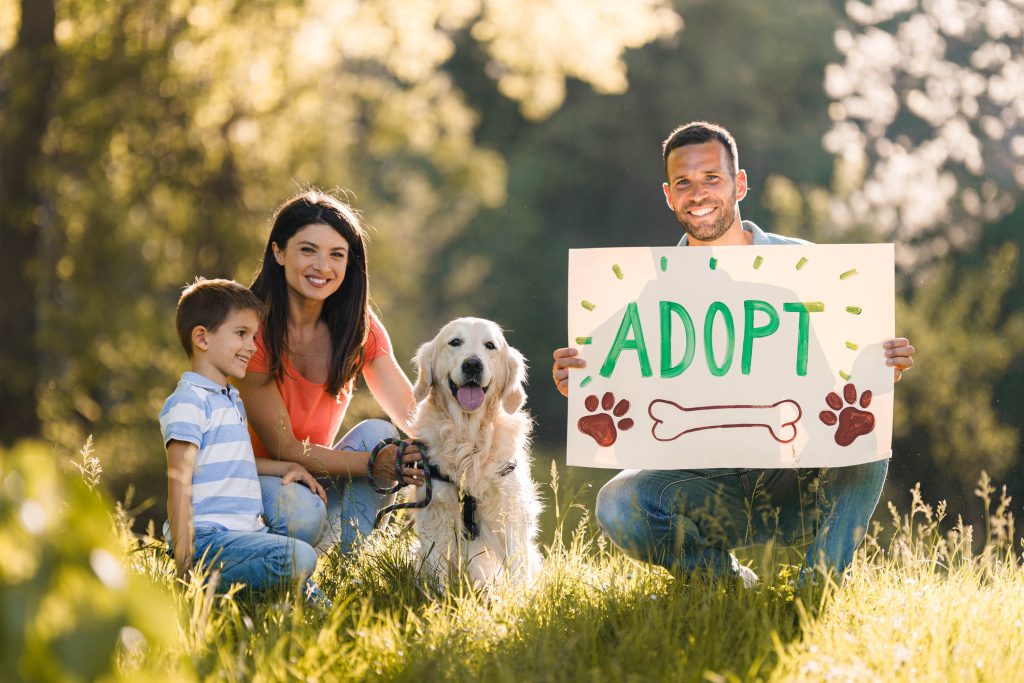
Every successful adoption proves that one simple decision can have far-reaching effects. By choosing to adopt, you play an integral role in a movement that seeks to reduce abandonment and ensure that all pets receive a second chance at love and happiness. As we delve deeper into the topic of adoption, we will unravel the stories of many who have found joy in adopting, helping to illuminate the extraordinary impact that each of us can have in creating a future where every pet has a loving home.
DIVE DEEPER: Click here to learn how a natural diet can benefit your pets
The Lifesaving Impact of Pet Adoption
Understanding the multifaceted benefits of pet adoption can transform the way society approaches animal welfare. At its core, adoption is about saving lives, but the impact of bringing a pet into your home goes far beyond the initial act of kindness. For example, studies have shown that adopting one dog can potentially save multiple lives — the adopted dog, those that can take its place in a shelter, and ultimately, countless others who may be rescued with the funds saved from not housing that pet in a shelter. This ripple effect is critical when considering the annual influx of animals into shelters across America.
Additionally, the conversation around pet adoption is interwoven with community and economic factors. When pets are adopted, shelters can allocate their resources more effectively. Here are several compelling reasons why pet adoption is vital in reducing abandonment:
- Decreased Overcrowding: Every adoption decreases the number of animals in shelters, reducing overcrowding. Shelters that struggle with space often face heartbreaking decisions regarding which animals can stay and which must be euthanized due to limited resources.
- Enhanced Community Health: Stray animals can pose health risks to local communities. By adopting pets, communities can reduce the stray population, leading to fewer public health issues related to roaming animals.
- Reduction of Financial Burdens: Lower shelter populations lead to decreased financial strain on local governments and animal care organizations. Adopting rather than purchasing pets can help channel funds into more vital areas of care, education, and outreach programs.
- Encouragement of Neuter and Spay Programs: Many adoption agencies promote responsible breeding practices, encouraging new pet owners to spay or neuter their animals. This proactive measure helps tackle the root cause of pet overpopulation.
Moreover, the emotional support and companionship provided by adopted pets contribute to mental well-being for their owners. Research increasingly supports the psychological benefits of pet ownership; pets can help alleviate feelings of loneliness, reduce stress, and even encourage physical activity through walks and playtime. By participating in the adoption process, individuals also forge a bond with their new pet, leading to a more profound commitment towards responsible ownership.
Education also plays a significant role in reducing abandonment. Nongovernmental organizations and shelters typically provide resources on pet care, highlighting essential aspects like nutrition, training, and socialization. Armed with such knowledge, new pet owners are less likely to abandon their pets when challenges arise, creating a more informed and responsible pet-owner community. As awareness grows around the importance of adoption and the responsibilities it entails, the cycle of abandonment can be disrupted.
The Call to Action
As we uncover the intricacies of pet adoption and its vital role in reducing abandonment, it becomes evident that each adoption is a noble step towards bettering the lives of countless animals. Giving a home to a shelter pet is a direct action against the abandonment crisis, and while the statistics may appear daunting, the solution begins with one decision: to adopt. In the subsequent sections, we will explore real-life success stories from adopters and delve deeper into the initiatives aimed at promoting pet adoption and the collective impact it has had across the nation.
| Advantage | Explanation |
|---|---|
| Reduces Stray Populations | Every pet adoption directly decreases the number of strays struggling on the streets, helping alleviate the burden on shelters. |
| Supports Shelter Resources | Every adoption frees up resources in shelters, allowing them to assist more animals and provide better care. |
| Empowers Communities | Pet adoption fosters a sense of community, as more individuals become involved in advocacy and education efforts around responsible pet ownership. |
| Encourages Responsible Pet Ownership | Adoption leads to a commitment to responsible pet care that discourages abandonment in the future. |
The impact of pet adoption reaches far beyond just gaining a new furry friend; it intertwines with broader social issues such as abandonment and animal welfare. By choosing to adopt, individuals can actively participate in reducing the homeless pet crisis, ensuring that every animal finds the loving home they deserve. The ripple effect generated by adoption encourages responsible practices, making a tangible difference in the world of animal care and advocacy. With every adoption, lives are saved, and the societal narrative around pets is significantly transformed for the better.
DISCOVER MORE: Click here for specific care tips for your elderly pets
Shifting Perspectives on Pet Ownership
The transformation in societal attitudes toward pet ownership and adoption is essential for reducing rates of abandonment. Historically, pet ownership has often been viewed as a luxury or a status symbol, but there is a growing awareness of the responsibilities that accompany caring for a living being. This shift in perspective emphasizes that adopting a pet is not merely about providing a home, but rather making a lifelong commitment to the animal’s well-being.
Educational campaigns and community outreach programs have proven effective in reshaping attitudes toward adoption. Many organizations are now targeting younger audiences through school programs that teach children about the responsibilities of pet ownership. Integrating pet care education into school curricula enables kids to develop empathy and a sense of responsibility at an early age. The idea is to cultivate future generations that will value and prioritize adoption over purchasing animals, ultimately reducing abandonment rates in the long run.
Moreover, the success of “Adopt, Don’t Shop” campaigns has played a considerable role in raising awareness around the importance of adopting shelter animals. These initiatives promote not only pet adoption but also educate the public about the myriad issues associated with pet overpopulation and abandonment. By using social media platforms, these campaigns reach millions of potential pet owners and have sparked conversations about responsible ownership. For instance, the #AdoptDontShop hashtag has gained significant traction on platforms like Instagram and Twitter, inspiring individuals to choose adoption as their primary option.
Cities across the United States are also increasingly recognizing the need to support pet adoption and reduce abandonment. Many municipalities have enacted policies to offer incentives for adopting shelter pets, such as rebates on pet licensing fees or discounts on pet supplies. For example, cities like San Francisco and Austin have implemented programs that provide free or reduced-cost spay and neuter surgeries, increasing pet adoption rates while simultaneously combating the root cause of overpopulation.
The advent of technology has also changed the landscape of pet adoption. Online platforms and apps are emerging to facilitate the matchmaking process between prospective pet owners and animals in need of homes. One popular example is Petfinder, which connects users with local shelters and rescue organizations, allowing potential adopters to browse through profiles and images of pets available for adoption. Such resources not only simplify the adoption process but also foster a community of engaged pet lovers, further encouraging responsible pet ownership.
Moreover, the impact of COVID-19 on pet adoption trends has led to renewed discussions about pet care and abandonment. As families turned to furry friends for companionship during lockdowns, many shelters reported unprecedented adoption numbers. However, as life returns to normal, there is a concern regarding the rate of returns to shelters. Comprehensive support systems, including post-adoption counseling and guidance, are essential to ensure that new pet owners are prepared for the long-term commitment they have taken on. Establishing these support networks promotes a culture of responsible ownership, thereby reducing post-adoption abandonment.
Through innovative outreach efforts, supportive policies, and the integration of technology, society can continue to shift perspectives on adoption, laying the foundation for a future where abandonment is significantly reduced. By fostering a culture that values and respects the bonds between humans and animals, we take remarkable strides toward ensuring that every adopted pet receives a permanent and loving home.
LEARN MORE: Click here for essential tips on welcoming your new pet
Conclusion: A Call to Action for Pet Adoption
As we reflect on the intricate ties between pet adoption and the reduction of abandonment, it becomes evident that every adoption carries the potential to change lives—both of the pets in need and the families that welcome them. The shift in societal attitudes, combined with innovative campaigns and supportive community initiatives, demonstrates a collective commitment to enhancing the lives of shelter animals. This relentless pursuit to encourage adoption is pivotal in addressing the epidemic of pet abandonment.
The importance of education cannot be overstated. By instilling principles of responsible pet ownership in young minds, we are laying the groundwork for a future that prioritizes the adoption of pets over purchasing them. As awareness surrounding the responsibilities of pet ownership continues to grow, so too should our resolve to foster environments where every animal is seen as a cherished companion rather than a disposable commodity.
Technological advancements also offer incredible promise, connecting potential adopters with pets in need and facilitating smoother adoption processes. With social media amplifying the message of “Adopt, Don’t Shop,” more people are encouraged to consider adoption as their primary option. However, while the recent boom in adoptions is heartening, it is crucial to ensure that new pet owners are equipped with the knowledge and resources they need to succeed in this journey.
Ultimately, the responsibility of pet ownership is a community effort. By engaging with local shelters, participating in adoption drives, and spreading the message about the significance of pet adoption, each one of us can contribute to the solution. Together, we can build a culture that honors the bond between humans and animals, ensuring a bright future where every adopted pet finds their forever home and the rates of abandonment dwindle significantly.