Pet Bird Training: Methods to Stimulate Interaction and Learning
Unlocking the Potential of Your Pet Bird
Engaging with your pet bird through training is not just about teaching tricks; it’s a vital method of enhancing interaction and learning. Birds are intelligent creatures that thrive on stimulation, and training can significantly improve their quality of life.
Here are some exciting aspects of pet bird training:
- Bonding: Training fosters a stronger relationship between you and your feathered friend. Regular interaction during training sessions can help build trust, allowing your bird to feel more secure around you. This emotional bond is crucial, especially with social species like cockatoos and macaws, which require a sense of companionship for emotional well-being.
- Enrichment: Mental challenges keep your bird active and prevent boredom. Incorporating training with puzzle toys or games can stimulate your bird’s brain and encourage problem-solving skills. Activities such as hiding treats around the house or teaching your bird to navigate simple obstacle courses are just a few ways to ensure your bird remains engaged and happy.
- Behavior Management: Training can help address behavioral issues effectively. For example, if your pet bird exhibits unwanted behaviors such as excessive screaming or feather plucking, positive reinforcement strategies can help redirect their focus toward more desirable actions. This proactive approach not only improves the life of the bird but also creates a peaceful living environment.
Different species of birds offer unique challenges and rewards when it comes to training. For instance, parrots, with their high intelligence, respond well to positive reinforcement techniques like treats, praise, or toys. In contrast, smaller birds, such as canaries and finches, may be less inclined to perform on command. With these species, creating an enriching environment through exploration and social interaction may be more effective than traditional training. Understanding these nuances is essential for effective training.
Why Training Matters
Training isn’t just a fun activity; it’s an essential part of pet ownership. Through training, you can:
- Enhance your bird’s cognitive skills. Just like humans, birds require mental exercise to develop their intelligence. Simple word associations or color recognition can be enjoyable for you and your bird.
- Encourage social behavior, making them more adaptable. Birds that receive consistent social interaction through training tend to be less aggressive with other household members, including pets and visitors, leading to a harmonious living space.
- Promote physical activity through interactive games. Employing toys that require your bird to climb, swing, or forage can work wonders for their physical health, reducing the risk of obesity—a common problem among captive birds.
As we dive deeper into this topic, you’ll discover tried-and-true methods to stimulate interaction and learning tailored to various species. Techniques such as clicker training, targeting, and using a step-up command can be adapted to meet the needs of your unique bird. The journey into pet bird training opens up a world filled with opportunities for both you and your avian companion!
Effective Training Techniques for Your Feathered Friend
When it comes to pet bird training, understanding various techniques can help you unlock your bird’s potential while creating a rewarding experience for both of you. Different birds require customized approaches, and experimenting with various methods can lead to amazing results. Below are several effective training techniques that promote interaction and foster learning in pet birds.
Clicker Training: A Sound Approach
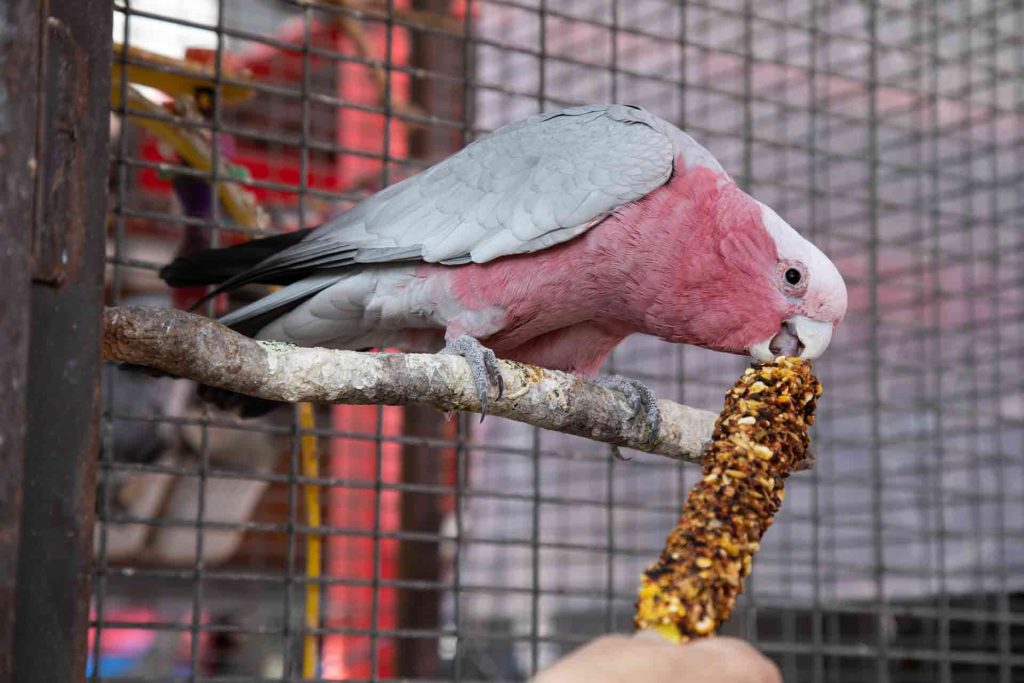
One of the most popular and effective methods for training birds is clicker training. This technique employs a small handheld device that makes a distinct clicking sound; the click acts as a positive reinforcement signal. Start by associating the click with a treat so that your bird understands that the sound means a reward is coming. Over time, you can use the clicker to mark desired behaviors, prompting your bird to repeat them for more rewards. This method works exceptionally well for intelligent species like parrots, who quickly learn to associate clicking with positive outcomes.
Target Training: A Fun and Engaging Activity
Target training is another delightful way to engage your bird. This technique involves teaching your bird to touch a small stick or target with its beak. Begin by holding the target in front of your bird and rewarding it with a treat once it makes contact. Gradually, you can increase the distance or introduce new locations, encouraging your bird to follow and interact with you. Target training not only fosters physical activity but also enhances their problem-solving skills as they learn to navigate different tasks. This method can be particularly effective in teaching your bird to fly to you from another perch.
Step-Up Command: Building Trust and Responsibility
The step-up command is a fundamental training technique that helps build trust between you and your pet bird. To initiate this, gently place your finger or hand in front of your bird, encouraging it to step onto you. Use a consistent phrase such as “step up” while doing this. When your bird complies, reward it with a treat and praise. This command not only teaches your bird a basic maneuver but also establishes a sense of safety and security, making handling easier for both of you.
Socialization and Interaction
Lastly, fostering a well-rounded training routine should include socialization. Birds are inherently social beings, and regular interaction is crucial for their emotional health. Engage your bird by allowing it to spend time with you outside its cage, providing new experiences, and introducing it to other family members. The more your bird interacts with you and its environment, the more it will thrive.
Through techniques like clicker training, target training, and the step-up command, you can stimulate interaction and enhance your bird’s learning journey. Experimenting with these methods not only ignites your bird’s innate curiosity but also strengthens your bond, paving the way for a happier, healthier avian companion. As you progress in your training journey, remember that patience and consistency are key to success.
Understanding Pet Bird Training Techniques
Training pet birds, especially for interactive learning, can significantly enhance their emotional bond with their owners. Bird training encompasses an array of methods that not only help address behavioral issues but also promote mental stimulation, leading to a happier and more engaged pet.
Positive Reinforcement
One of the most effective approaches in bird training is positive reinforcement. This method leverages rewards, such as treats or verbal praise, to encourage desired behaviors. Birds, much like humans, respond well to positive feedback, which reinforces their willingness to learn. Utilizing this technique supports their cognitive skills and builds trust between the pet and the owner.
Interactive Toys and Games
Incorporating interactive toys and games into training sessions is another powerful strategy. Such activities stimulate birds cognitively and physically, fostering their learning capabilities while keeping them entertained. Toys that require problem-solving can teach birds essential skills, enhancing their interaction with their environment and their owners.
Socialization Training
Besides skill development, socialization training plays a pivotal role in creating well-adjusted birds. Exposing them to diverse environments, new people, and other pets aids in alleviating fear and anxiety. This method not only prepares birds for various scenarios but also enriches their lives, making interactions with humans and other animals more enjoyable.
Verbal Cues and Language Learning
Birds are renowned for their cognitive capabilities, often mimicking sounds and speech. Teaching verbal cues can enhance communication between the bird and its owner. By associating specific words or phrases with actions, owners can engage their pets on a deeper level. This aspect of training can significantly boost the interaction quality, leading to a more fulfilling pet-owner relationship.
Consistency in Training
Lastly, consistency is key to successful bird training. Regular training schedules help solidify learning and maintain the effectiveness of the training methods used. This consistency assures birds that they are in a safe and secure environment, allowing them to thrive while enhancing their overall training experience.By understanding and applying these methods to stimulate interaction and learning, pet owners can foster a remarkable bond with their feathered companions, unlocking their potential and ensuring a more enriched pet life.
Enhancing Training with Positive Reinforcement and Variety
While established training techniques lay a solid foundation for pet bird training, incorporating positive reinforcement and variety into your training sessions can significantly enhance your bird’s engagement and willingness to learn. Offering a range of experiences not only keeps training exciting but also caters to your bird’s unique personality and preferences.
Positive Reinforcement: The Power of Praise and Treats
Positive reinforcement is the cornerstone of effective training methods. This approach involves rewarding your bird immediately after it performs a desired behavior. Treats are a common form of reward, but birds also respond well to verbal praise, affection, and playtime. Selecting high-value treats—foods your bird loves, like sunflower seeds or small pieces of fruit—can boost motivation and make learning more enjoyable. As you establish a routine, try to vary the types of rewards to maintain your bird’s interest and excitement.
Incorporating Variety: Keeping Training Fresh
Just like humans, birds can become bored with repetitive tasks. To combat this, aim to incorporate a variety of activities into your training sessions. Alternate between different commands, tricks, and types of interaction. For instance, after practicing step-up commands, switch gears and engage in target training or offer them a new toy to encourage exploration. A varied training regimen ensures that your bird remains engaged, eager to learn, and mentally stimulated.
Enrichment Activities: Broadening Horizons
In addition to direct training methods, engaging in enrichment activities can enhance your bird’s learning and social skills. Enrichment comes in various forms, from puzzle toys that challenge your bird to solve problems, to offering new perches or toys that incite curiosity. These activities not only provide mental stimulation but also encourage necessary physical activity, effectively combining play with learning. Often, exploring these new textures or shapes may open the door for further training opportunities.
Behavior Shaping: Gradual Progression
Another essential aspect of pet bird training is the concept of behavior shaping, which involves breaking down the desired behavior into smaller, more manageable steps. For example, if you want to teach your bird how to perform a complex trick, you can start with establishing a simple behavior that leads to it. Initially, reward your bird for any movement toward the desired action, then gradually increase the criteria as your bird improves. This step-by-step approach helps prevent frustration and builds confidence, ultimately leading to successful learning.
The Importance of Consistency and Routine
Maintaining consistency in your training sessions is paramount. Establishing a routine where training occurs at the same time each day can help your bird anticipate and embrace these moments. Consistency extends not only to the timing but also to the cues and rewards you use. This clarity forms a solid guideline for your bird, enhancing its understanding of expectations. As your bird learns and becomes more responsive, you can gradually introduce more complex tasks.
By leveraging positive reinforcement, introducing variety, and ensuring consistency, you can create an enriching environment that supports your bird’s training journey. These techniques will not only enhance learning but also strengthen the bond between you and your feathered friend, paving the way for a harmonious and interactive partnership.
Conclusion: Nurturing Intelligent Companions Through Engagement
In the world of pet bird training, fostering interaction and encouraging learning can transform your feathered companion into a well-adjusted and engaged pet. By utilizing techniques such as positive reinforcement, you effectively reward your bird’s accomplishments, establishing a language of trust and encouragement. The integration of variety in training sessions not only keeps your bird’s interest alive but also caters to its natural curiosity and stimulating behavior patterns.
Moreover, the inclusion of enrichment activities further broadens your bird’s experiences, enhancing cognitive skills while strengthening its physical health. By gradually implementing behavior shaping and maintaining consistency in your training routine, you provide a stable environment that helps your pet thrive mentally and socially. Each of these elements not only promotes responsible pet ownership but fosters a genuine bond between you and your bird.
As you embark on this rewarding training journey, remember that patience and understanding are vital. Each bird is unique, possessing its own set of quirks and capabilities. The dynamic nature of pet bird training offers a continuous opportunity for growth, both for the bird and its owner. By investing time and effort into these methods, you are not just teaching tricks; you are engaging with a creature capable of intelligence and affection, paving the way for a fulfilling relationship that enriches both your lives.